




ValOre Metals: The Platinum Problem Nobody Is Talking About & the Brazilian Project Quietly Solving It



ValOre Metals is advancing its 2.2Moz Pedra Branca PGM project in Brazil, with Phase Two metallurgical testwork underway and a PEA targeted for Q4 2026.
- ValOre Metals holds a 100%-owned platinum group metals (PGM) project called Pedra Branca in Ceará State, northeastern Brazil, hosting a National Instrument 43-101 (NI 43-101) inferred mineral resource of 2.2 million ounces (oz) grading 1.08 grams per tonne (g/t) combined platinum, palladium, and gold, yet sits at a market capitalisation of approximately C$26 million against peers trading at C$126 million to C$550 million
- Primary mine production of platinum has declined from a peak of just over 6 million oz in 2021 to a forecast of approximately 5.5 million oz in 2026, even as the platinum price has roughly doubled over the past twelve months, pointing to a structural supply deficit that favours new project developers
- Phase One metallurgical testwork at the University of Cape Town (UCT) confirmed flotation recoveries of 80% for platinum and palladium from fresh rock material, and identified bioleaching as a viable low-cost processing route for near-surface weathered material, with Phase Two testwork now underway
- High-grade chromitite boulders assaying at 6.5 to 8.5 g/t sit at surface across the deposit, offering a potential source of early, high-grade mill feed that could materially improve project economics in the early years of mine life
- A Preliminary Economic Assessment (PEA) is targeted for the fourth quarter of 2026, representing the first full economic model for Pedra Branca and the key re-rating catalyst for the year, to be followed by licensing and an environmental impact assessment (EIA) in the first quarter of 2027
Somewhere between the South African Highveld and the Russian interior, the world's platinum and palladium supply is quietly running out of room to grow. Primary mine production of platinum peaked at just over 6 million ounces (oz) in 2021. This year, the forecast sits around 5.5 million oz, a decline playing out against a metal price that has roughly doubled in twelve months. The supply curve is bending the wrong way, and new projects capable of replacing aging mines are, to put it charitably, thin on the ground.
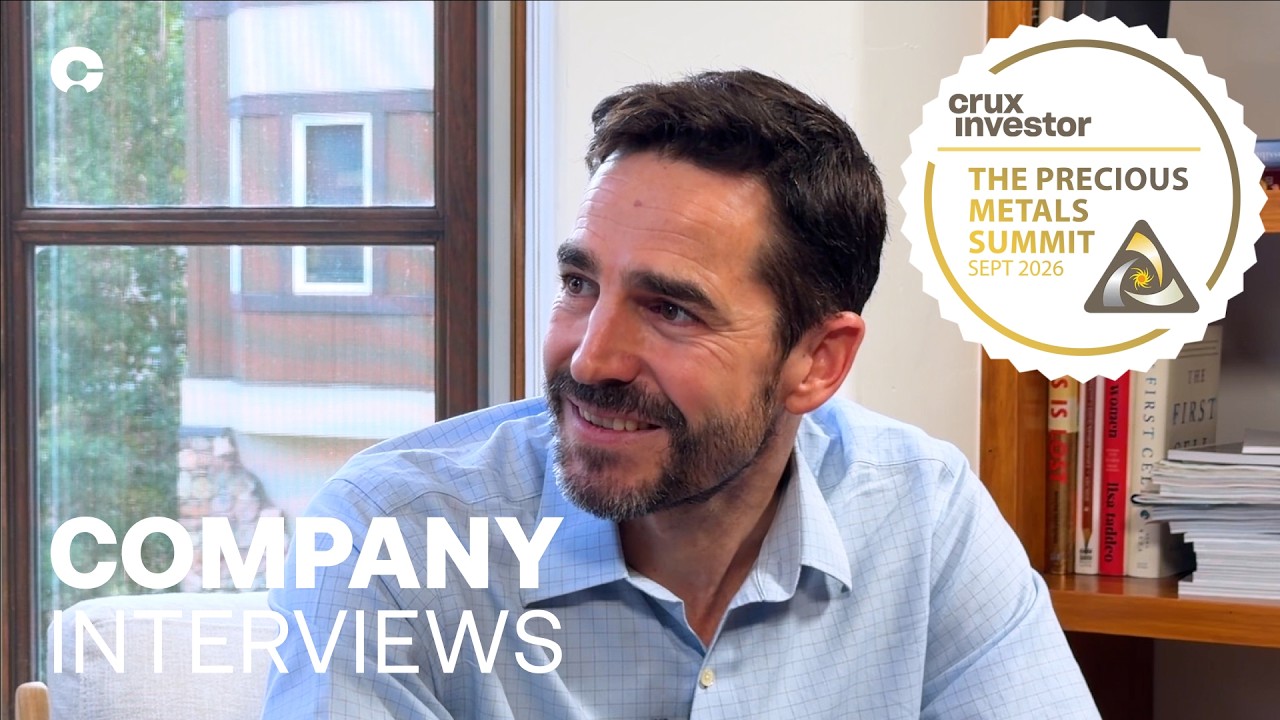
Chief Executive Officer of ValOre Metals (TSX-V: VO), Nick Smart, has spent 21 years inside this industry, two decades at a major platinum producer, working as a chemical engineer and extractive metallurgist. He knows exactly how difficult it is to bring new platinum group metals (PGM) supply online. Which is why, when Smart joined ValOre last October and looked at the company's flagship Pedra Branca project in northeastern Brazil against its C$26 million market capitalization, his reaction was uncomplicated.
In a recent interview, CEO Nick Smart said plainly:
"I believe ValOre is clearly undervalued. And I think there's a real pathway to value."
The scale of that undervaluation becomes clearer when set against what is actually in the ground. Pedra Branca hosts an NI 43-101 compliant inferred mineral resource of 2.2 million oz grading 1.08 g/t combined platinum, palladium, and gold across seven near-surface deposit zones in Ceará State. The project is the product of more than C$10 million invested by ValOre and over US$35 million by previous operators, who drilled some 30,000 metres (m) before the company acquired the asset in 2019. ValOre has since drilled a further 23,534 m, doubling the inferred resource from 1.1 million oz to its current figure.
A Rare Asset in a Sparse Field
The PGM developer universe is smaller than most investors realise. Globally, there are only a handful of companies with credible, development-stage platinum-palladium projects, and analysts tracking the sector note that comparable peers trade at market capitalisations ranging from C$126 million to over C$550 million. These are projects with ounce counts broadly comparable to ValOre's, in some cases at lower grades, yet the company currently sits at approximately C$26 million.
Smart is candid about why the valuation gap exists. Part of it is history: ValOre previously held uranium assets, which created confusion in the market about the company's identity and strategic focus. Steps taken to sharpen that focus on precious metals have ended that ambiguity, and ValOre is now concentrated entirely on Pedra Branca.
Smart addressed this directly in the interview, noting:
"We've cleared that market perception, but there's still a journey in terms of market awareness."
The second and more substantive part of the gap, he argues, is that the company has not yet demonstrated the economics of the project at a level that allows investors to underwrite it with confidence. That is the explicit purpose of everything ValOre is doing in 2026. The PEA, targeted for the fourth quarter of 2026, is designed to be the moment that changes the conversation.
What the Geologists Found & What the Chemists Are Doing About It
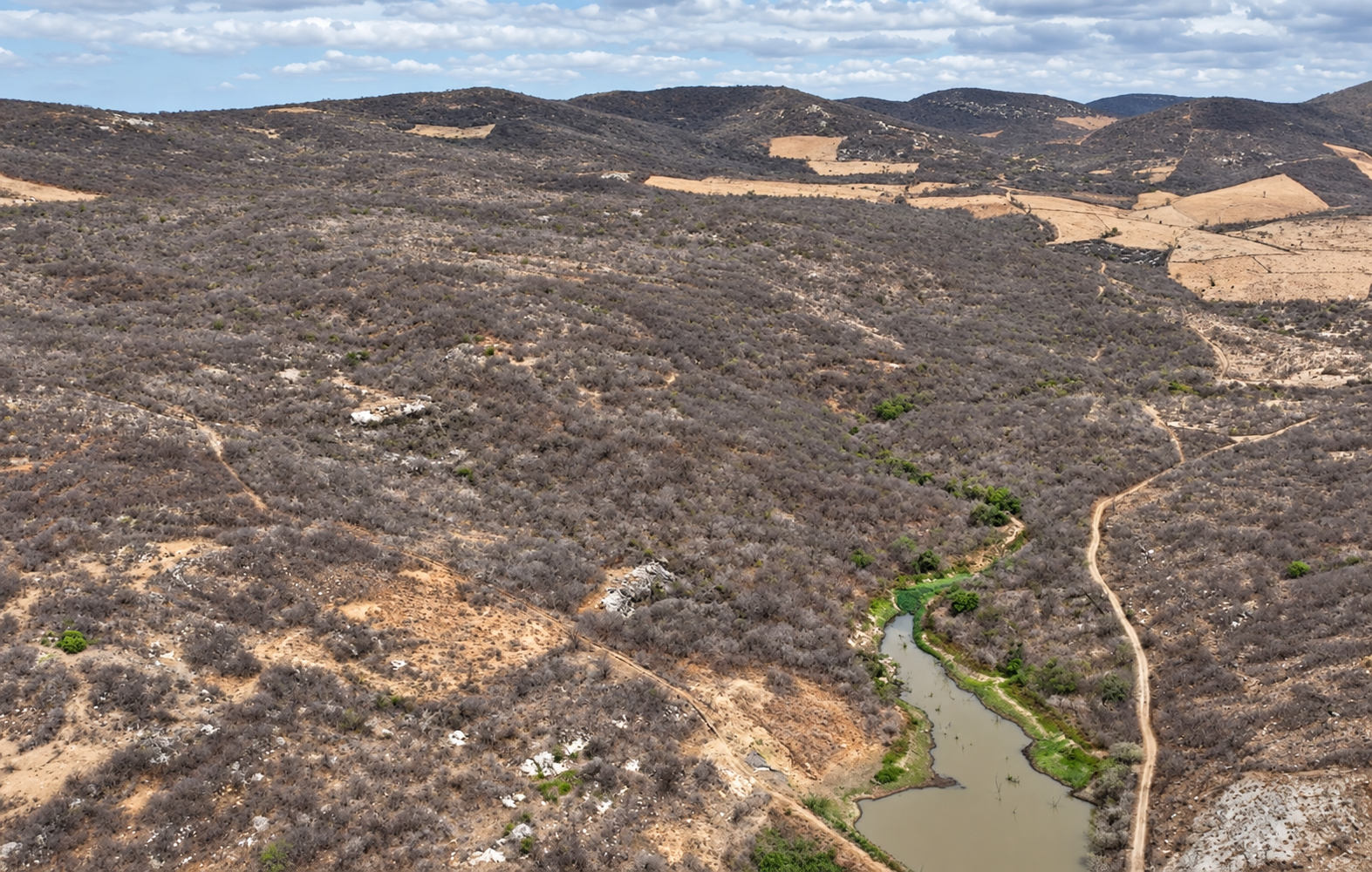
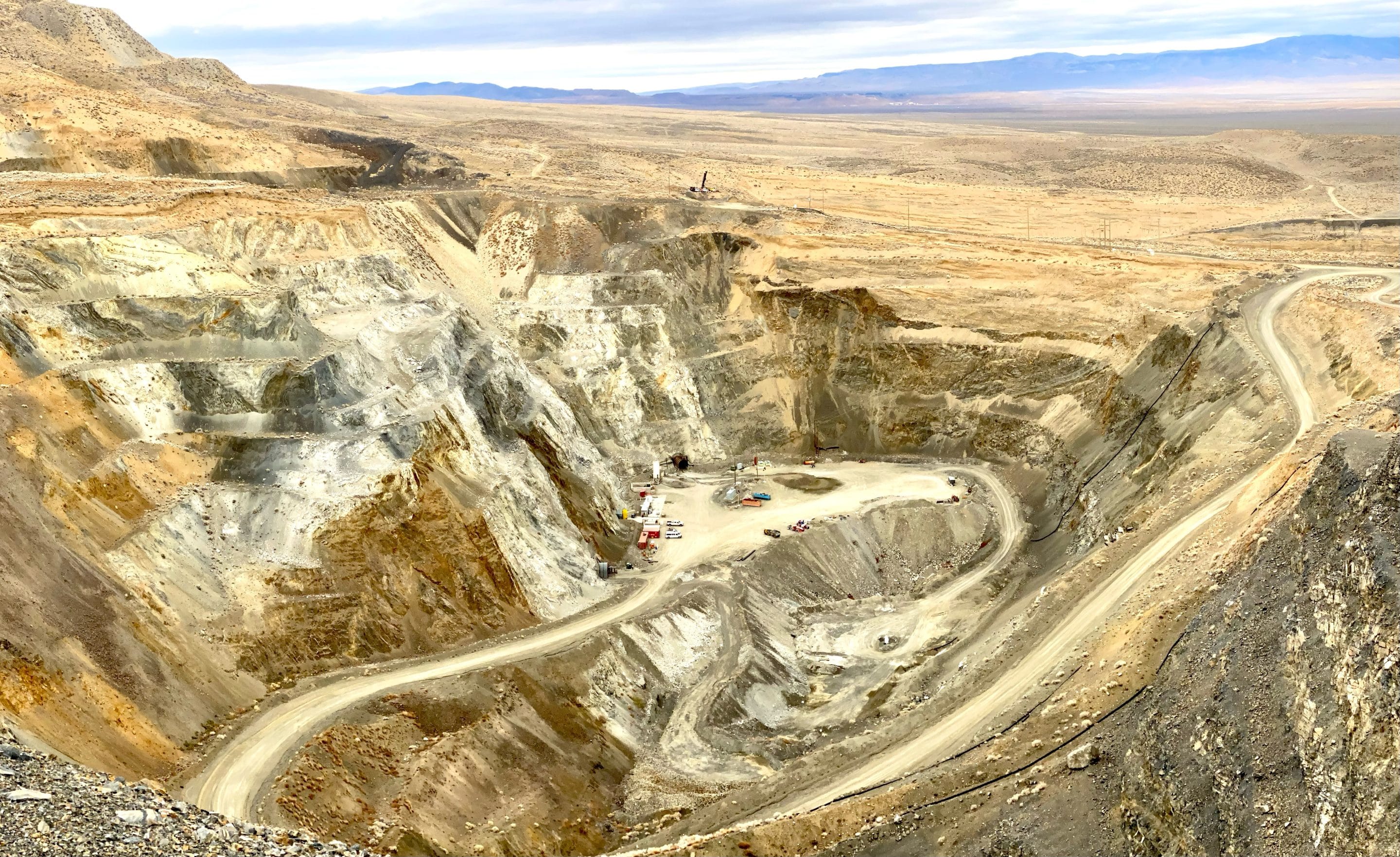
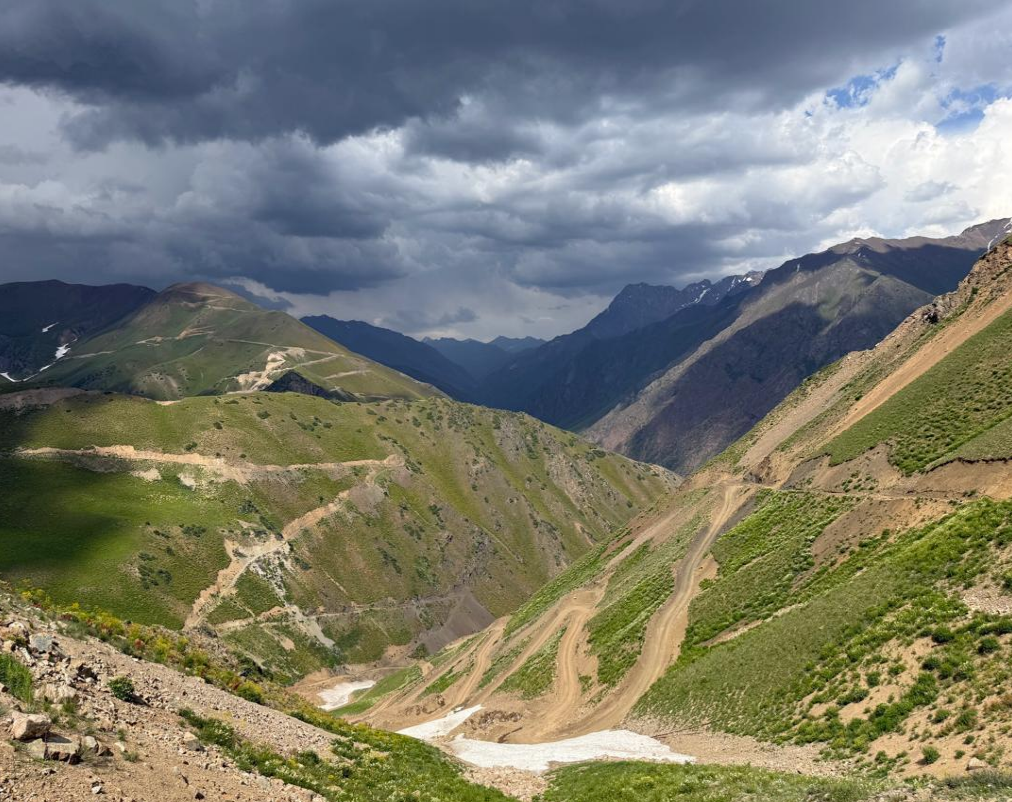
Pedra Branca's most commercially attractive feature is also its principal technical challenge. The deposit's mineralisation begins at surface, a sharp contrast to the deep-level underground platinum mines of South Africa, where ore bodies sit under 700 to 800 m of overburden and require enormous capital expenditure just to access. Near-surface mineralisation means open-pit mining, lower stripping costs, and a substantially lighter capital footprint before a single tonne of ore is processed. The complication is that the uppermost horizon of a near-surface orebody is typically weathered and oxidised, which interferes with the conventional flotation-based processing that most PGM projects rely upon.
ValOre's answer has been to partner with the UCT Department of Chemical Engineering, one of the world's leading institutions in PGM metallurgy, and work the problem systematically. Phase One testwork, now complete, confirmed flotation recoveries of 80% for platinum and palladium from fresh rock material, consistent with earlier independent research. For the weathered material, flotation was confirmed as unsuitable, and bioleaching, which uses naturally occurring bacteria to liberate metals from their mineral matrix, was identified as a credible alternative.
Phase Two, recently approved by ValOre's board and now underway at UCT, scales that hypothesis up through column tests designed to simulate heap leaching conditions, while an independent engineering consultancy runs concurrent flowsheet development. Smart is particularly animated about one additional opportunity the testwork has opened: high-grade chromitite boulders scattered across the surface of the deposit, assaying at 6.5 to 8.5 g/t, well above the project's resource average of 1.08 g/t. A hot caustic pretreatment step has shown the potential to unlock those metals for leaching, opening the possibility of feeding high-grade surface material into the plant in the early years of mine life to materially improve the project's net present value (NPV).
Smart mentioned:
"That will form part of our earlier mine plan."
The Structural Case
The demand backdrop for PGMs is not a short-term story. Automotive catalysts consume roughly 40% of all platinum and around 80% of all palladium annually. Hybrid vehicles, which use 10-20% more PGMs per vehicle than conventional internal combustion engine (ICE) vehicles, are now the fastest-growing category in global new vehicle sales, accounting for around 20% of the market. Several major manufacturers have scaled back their pure-electric ambitions to focus on hybrids, extending the demand runway for PGMs well beyond what was assumed even three years ago.
On the supply side, the concentration risk is severe and worsening. Approximately 80% of global PGM production comes from South Africa and Zimbabwe combined, with Russia supplying much of the remainder. Electricity costs in South Africa have risen around 60% over the past five years, diesel supply pressures are adding further strain, and since 2016, multiple major operations have been closed or suspended. Research from the World Platinum Investment Council estimates the 2025 shortfall for platinum alone at 692,000 oz, cutting above-ground stocks by 42% and leaving less than five months of coverage.
Against that backdrop, Brazil represents something genuinely differentiated: a politically stable jurisdiction, competitive operating costs, and infrastructure at Pedra Branca that is already largely in place. The project sits four hours by paved highway from a deep-water port, with grid electricity running close to site. Smart also raises a geopolitical dimension he believes the market has not fully absorbed, noting that as supply concentration risk in South Africa, Zimbabwe, and Russia becomes more visible, industrial consumers will face growing pressure to diversify their sourcing toward projects in stable jurisdictions.
What Investors Should Watch
Smart maps out 2026 as a sequence of compounding proof points rather than a single event. Metallurgical results will continue to be released as UCT scales up its testing, covering repeatability at larger volumes, performance in column tests that simulate industrial heap conditions, and optimisation work on reagent selection and grind size. Each data point refines the picture of what Pedra Branca's processing costs could look like.
The destination is the PEA, targeted for the fourth quarter of 2026. The PEA will put capital cost estimates, operating assumptions, mine sequencing, and an NPV figure around the project for the first time, translating geological promise into something investors can actually model. Once published, the company intends to move into the licensing and EIA phase in the first quarter of 2027.
For a project that has attracted over US$35 million in historic exploration expenditure and hosts 2.2 million oz of platinum, palladium, and gold in a jurisdiction with established infrastructure and strong community support, the market's current pricing reflects a gap between what is known and what still needs to be demonstrated. ValOre's entire programme this year is designed to close it.
FAQs (AI-Generated)
Analyst's Notes





Subscribe to Our Channel





Stay Informed


