




Why Complex Ore Chemistry is Forcing a Shift in Junior Mining Development Strategies



Polymetallic sulfide projects face complex challenges in flotation, grinding, and recovery, necessitating flexible flowsheets, pilot testing, and brownfield development.
- Junior miners are shifting toward polymetallic sulfide deposits as simple, high-grade oxide resources deplete, increasing the importance of metallurgy and process engineering.
- Chemically divergent ore zones require flexible processing, including sequential selective flotation and customized grinding to improve concentrate purity and recovery.
- Continuous pilot-plant testing and brownfield infrastructure are being used to validate flowsheets, process representative ore, and reduce permitting and development timelines.
- Dual-circuit processing increases project complexity and costs, with higher capital expenditures, greater requirements for skilled operators, and challenges posed by variable ore feeds and clay-oxide interference.
- GR Silver Mining's Plomosas Project demonstrates an integrated approach, using brownfield infrastructure and bulk sample testing to reconcile silver-dominant and polymetallic ore ahead of its planned first-half 2027 Preliminary Economic Assessment (PEA).
The Economics of Metallurgical Complexity
As standard high-grade oxide resources deplete globally, junior mining companies are transitioning toward polymetallic sulfide assets, redirecting development risk from geological resource discovery to process engineering and metallurgy. Historically, junior mining companies prioritized single-commodity precious metal assets for their simple flowsheets, low initial capital expenditures (CAPEX), and straightforward concentrate marketing. However, the depletion of simple, high-grade oxide deposits has forced a shift toward complex polymetallic sulfides, where silver and gold are associated with lead, zinc, and copper. This transition moves the technical bottleneck from simple resource delineation to complex flotation chemistry, grind size optimization, and metallurgical reconciliation.
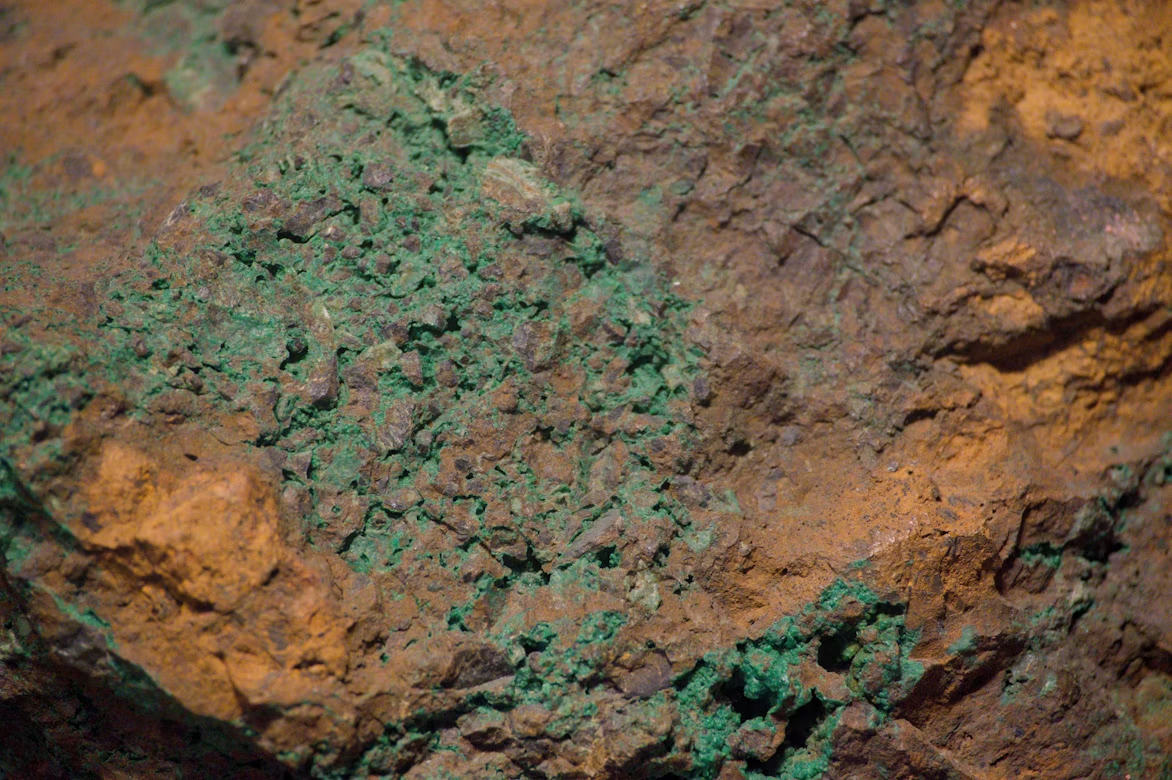
The challenge is especially acute in epithermal precious metal districts, where multi-stage hydrothermal mineralizing events often result in distinct mineralogical zones within the same property boundary. A single concession block may host pure silver-rich breccias in one fault block and complex polymetallic base metal sulfides in an adjacent block. Attempting to process these variable ores through a single, standard milling circuit often results in severe recovery penalties, concentrate contamination, or high treatment and refining charges imposed by smelters. As a result, developer strategies are pivoting toward integrated, multi-circuit flowsheets that can dynamically adapt to variable ore feeds.
To secure funding and pass technical due diligence, developers must reconcile these metallurgical differences before locking in project economics. Modeling precise recovery profiles and blending ratios is no longer an optimization step reserved for late-stage engineering; it is a critical de-risking milestone that determines whether a project can successfully bridge the gap between exploration and commercial viability.
Reconciling Chemically Divergent Deposits
Developing epithermal districts with coexisting precious and base-metal zones requires sequential selective flotation and customized grinding circuits to maximize concentrate purity and avoid smelter penalties. Processing complex sulfides requires a deep understanding of flotation kinetics, mineral liberation, and reagent interference. Unlike single-commodity precious-metal deposits processed via cyanidation, polymetallic ores require sequential, selective flotation circuits to produce distinct concentrates of lead, zinc, and copper. Each circuit operates under strict chemical parameters, where pH levels, collectors, and depressants must be controlled to prevent cross-contamination. For example, copper can activate zinc minerals, making selective separation of lead and zinc difficult if copper is not depressed or floated first.
Furthermore, the physical hardness and liberation size of minerals vary within a single hydrothermal system. Silver minerals may require a significantly finer grind for physical liberation than associated lead and zinc sulfides, creating a physical grind trade-off that can increase electricity consumption or result in permanent metal recovery losses.
These chemical and physical variations directly dictate smelter penalty terms. If a developer produces a lead concentrate with high zinc contamination, or a zinc concentrate with high copper content, smelters impose heavy financial penalties or reject the shipment entirely. Modern project development therefore requires a systematic metallurgical characterization of every mineralized zone within the deposit, creating a detailed geological-metallurgical model to underpin the mine plan.
Advanced Practices in Metallurgical De-Risking
Modern technical studies increasingly prioritize continuous, semi-industrial pilot testing and the reuse of brownfield infrastructure to compress regulatory permitting timelines and validate process flowsheets. To mitigate these chemical risks, developers are moving from static, bench-scale laboratory testing to larger-scale, continuous pilot-plant campaigns in early-stage technical studies. Traditional bench-scale tests utilize homogenized core samples that fail to replicate the dynamic variations of an operating mill feed. In contrast, continuous pilot plant campaigns process representative bulk samples extracted directly from underground workings, enabling engineers to monitor flotation circuit stability, recirculating loads, and water-reagent recycling under real-world conditions.
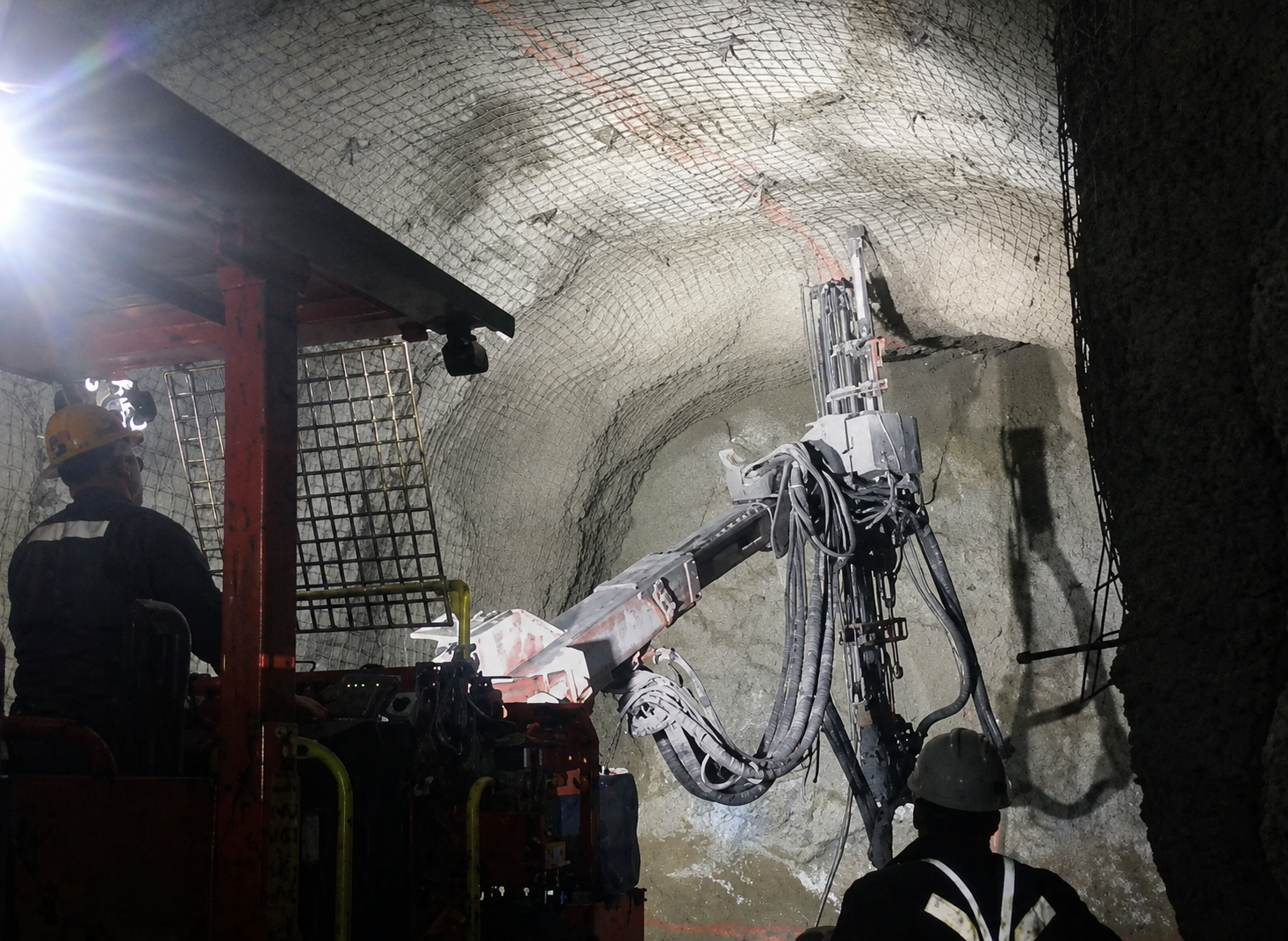
This shift toward continuous pilot testing is supported by the proactive rehabilitation of past-producing mines. Rather than constructing new underground access declines or custom test facilities, developers seek out past-producing assets containing permitted, accessible underground workings and existing mill foundations. This reuse strategy bypasses standard 5- to 7-year environmental permitting timelines and multi-million-dollar CAPEX required for greenfield test mining, enabling the rapid extraction of bulk samples for pilot metallurgical work.
Additionally, the regulatory landscape is evolving to support brownfield rehabilitation. In jurisdictions with established mining histories, environmental ministries increasingly issue permitting waivers or simplified authorizations for bulk sampling and pilot testing at previously producing sites, provided operations operate under existing environmental frameworks. This regulatory benefit allows developers to advance metallurgical and engineering programs in parallel with resource expansion drilling, thereby compressing the overall project timeline.
Gaps and Operating Barriers in Dual-Circuit Engineering
Implementing a dual-circuit processing flowsheet introduces a complex hierarchy of financial, operational, and chemical risks that can impact initial project economics and funding. The primary technical challenge is financial, centered on the CAPEX required to construct and operate a dual-circuit flotation flowsheet. Separate selective flotation circuits for lead, zinc, and copper, complete with dedicated conditioning tanks, flotation banks, thickeners, and filter presses, substantially increase the initial CAPEX compared with a simple, single-concentrate precious metals plant. This higher capital barrier can make early-stage projects difficult to finance in capital markets with limited capital, forcing trade-offs between initial costs and recovery optimization.
The second barrier is operational, involving chemical feed volatility and managing rapid variations in mill feed. Running a dual-circuit flotation plant requires a highly skilled technical team capable of making real-time chemical adjustments. If the feed transitions from a silver-rich breccia zone to a polymetallic base-metal zone, operators must immediately adjust reagent dosages and pH levels to prevent circuit overloading or concentrate degradation, which requires automated, real-time mineralogical analyzers that increase operating cost profiles.
The third barrier is metallurgical, involving clay-oxide surface interference and physical ore blending. Epithermal systems often contain elevated concentrations of clay and soluble oxide minerals that physically coat sulfide minerals during grinding, preventing flotation collectors from attaching to sulfide surfaces. Managing these complex ore blends requires a sophisticated geological-metallurgical modeling system that integrates real-time mineralogical data directly into daily mine sequencing, thereby avoiding severe flotation kinetics losses.
Case Studies in Brownfield Integration & Metallurgical Reconciliation
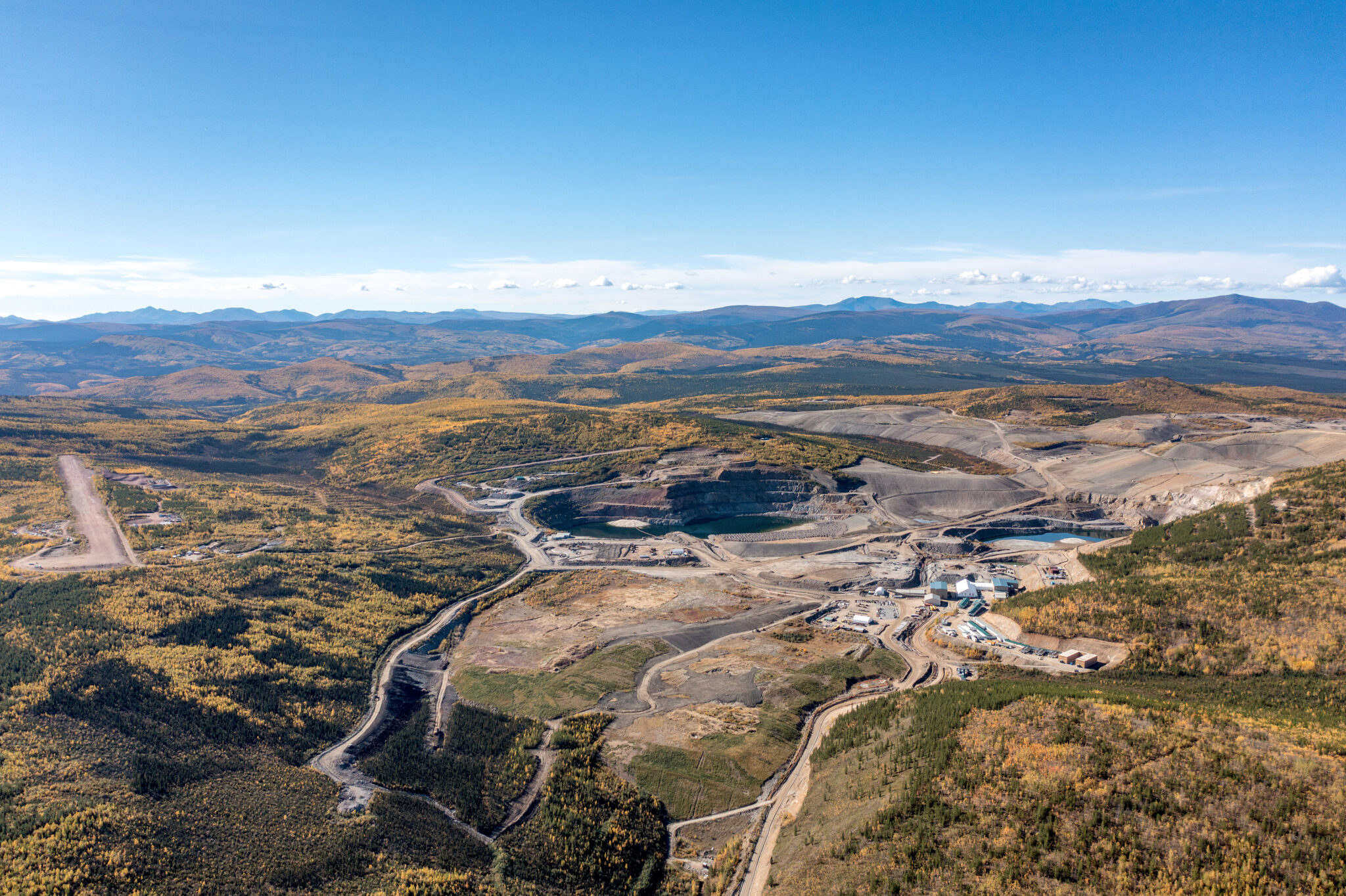
The Plomosas Project in Mexico serves as a technical benchmark for blending and reconciling divergent precious-dominant and polymetallic base-metal recovery profiles using existing underground workings. A key example of these metallurgical and operational strategies is the Plomosas Project, which is 100% owned by GR Silver Mining Ltd. (TSXV: GRSL | OTCQX: GRSLF | Frankfurt: GPE). Located on the southwestern edge of the Sierra Madre Occidental in Mexico, the project encapsulates the polymetallic integration dilemma, hosting two principal deposits with divergent mineralogical profiles: the San Marcial Area and the Plomosas Mine Area. According to the terms of reference in the August 2026 corporate presentation, the San Marcial Area is a silver-dominant system with recovery assumptions of 94% for silver, 0% for gold, 59% for lead, 80% for zinc, and 0% for copper. Conversely, the Plomosas Mine Area exhibits a complex polymetallic profile, with recovery assumptions of 74% for silver, 86% for gold, 69% for lead, 75% for zinc, and 80% for copper.
To reconcile these chemically divergent deposits ahead of its integrated Preliminary Economic Assessment (PEA) scheduled for the first half of 2027, the developer is utilizing the extensive brownfield infrastructure of the past-producing Plomosas mine. The company is executing a Bulk Sample Test Mining (BTSM) program across 21 accessible underground areas, utilizing the on-site pilot plant to process representative samples under continuous operating conditions. Testing variable blending ratios of San Marcial's silver-rich breccias and Plomosas' polymetallic sulfides allows the engineering team to optimize flotation parameters and grinding sizes under continuous operating conditions before locking in the final flowsheet.
This strategy is supported by regulatory and historical validation. The permitting timeline was compressed when the Secretaría de Medio Ambiente y Recursos Naturales (SEMARNAT) issued a directive stating that a new Environmental Impact Authorization is not required for Plomosas, thereby enabling pilot operations under existing permits. Furthermore, the feasibility of selective flotation is supported by historical records: IMMSA, a subsidiary of Grupo Mexico, operated the underground mine from 1986 to 2000, mining over 2.5 million tonnes of ore and producing over 67,000 tonnes of lead concentrate and 31,000 tonnes of zinc concentrate.
The Regional Regulatory & Geological Landscape of Western Mexico
The Plomosas Project is located on the border of Sinaloa and Durango, Mexico, where local mining operations are subject to environmental regulations overseen by SEMARNAT and regional state agencies. While the rehabilitation of past-producing mines benefits from existing permits, developers must maintain rigorous monitoring of tailings storage facilities, water use, and community relations to protect their social license.
Geologically, the western edge of the Sierra Madre Occidental is characterized by extensive, multi-stage epithermal mineralizing systems developed adjacent to large intrusive bodies. These systems exhibit strong vertical and lateral zonation, transitioning from precious-metal-rich quartz-carbonate-chlorite veins at shallow levels to base-metal-rich polymetallic sulfide breccias at depth. This geological zonation means that developers operating in the region must design processing plants that can adapt to higher base-metal content as mining progresses deeper, making flowsheet flexibility a primary criterion for long-term project survival.
Furthermore, the regional logistics base of Durango City has emerged as a critical technical hub for developers operating along the Sinaloa-Durango border. Hosting specialized core preparation facilities, analytical assay laboratories, and mining equipment suppliers, Durango City provides the logistics corridor needed to support continuous, multi-rig exploration and pilot-scale metallurgical testing, shielding developers from administrative and supply-chain delays that frequently disrupt greenfield operations in isolated regions.
Industry Outlook
The long-term viability of complex epithermal projects depends on integrating metallurgy and processing engineering into early exploration. As declining grades and depleted oxide resources shift development toward polymetallic deposits, junior developers face greater processing and financing demands. Real-time mineralogical analysis, advanced flotation reagents, and flexible mill designs can help adapt grinding and flotation conditions to variable ore feeds, improving concentrate grades and recoveries. Combined with pilot plant testing, continuous geological-metallurgical modeling, and appropriate brownfield infrastructure, this approach can reduce reliance on unproven bench-scale assumptions, strengthen project economics, and support financing and commercial development.
FAQs (AI-Generated)
Analyst's Notes





Subscribe to Our Channel




Stay Informed






