




Selkirk Copper Hits 13.12% CuEq and Doubles Resource Estimate as Minto Restart Gains Momentum


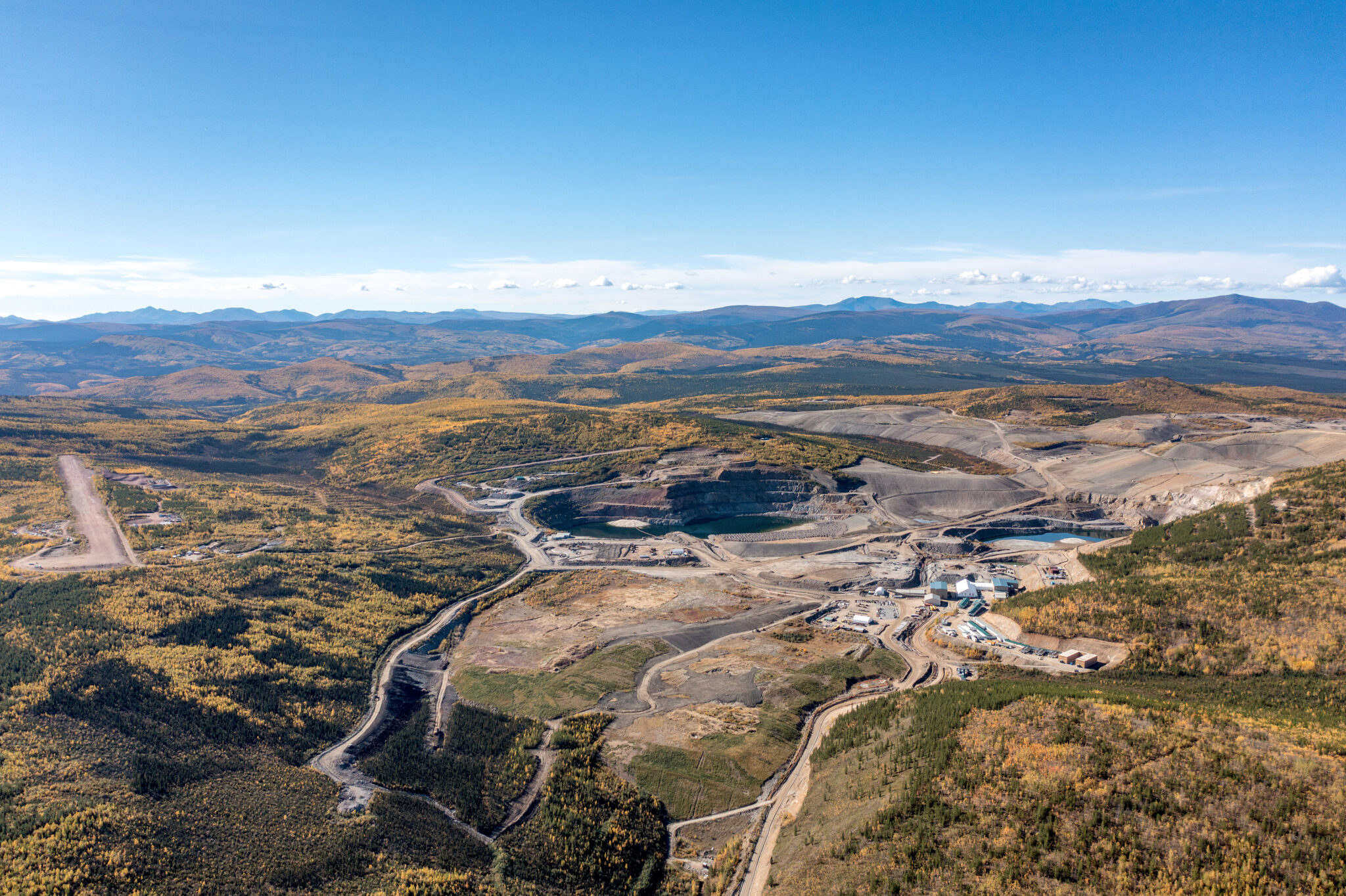
Selkirk Copper's Phase 2 drilling hits 13.12% copper equivalent at Minto North as CEO Colin Joudrie details the Yukon mine's path to a 2028 restart.
- Selkirk Copper's Phase 2 drill programme has intersected 6.01% Cu, 8.77 g/t Au and 36.6 g/t Ag (13.12% CuEq) over 1.93 m at Minto North, reinforcing the high-grade core of a deposit the company is preparing to restart.
- The updated 2026 Mineral Resource Estimate lifted Measured & Indicated copper by 182% to 940 million pounds, giving CEO Colin Joudrie's team substantially more material to build mine plans around ahead of a Preliminary Economic Assessment targeted for Q3 2026.
- Phase 2 drilling is more than 90% complete and running ahead of schedule, with a Feasibility Study set to begin around the end of September 2026 and a final investment decision targeted for mid-2027.
- Joudrie confirmed the company is retaining full exposure to gold and silver credits after a prior streaming agreement was eliminated during the previous operator's bankruptcy, and detailed plans to add gravity recovery circuits to lift precious metals output.
- With copper treatment and refining charges deeply negative and industry-wide supply falling short of forecasts, Joudrie argues Selkirk is positioned to be among the first new copper-concentrate producers to reach the market, targeting first production by mid-2028.
Copper's fundamentals have rarely looked this tight. Treatment and refining charges - the fees smelters normally charge miners to process concentrate - have turned negative, an unprecedented signal that global smelting capacity is starved of feedstock. Against that backdrop, Selkirk Copper Mines Inc. (TSX-V:SCMI | FRA:IO20 | OTCQX:SKRKF) is advancing what it describes as a disciplined restart of the past-producing Minto copper-gold-silver mine in Yukon, Canada. In an interview, President and CEO Colin Joudrie laid out the case for why a restart, rather than a greenfield build, gives Selkirk a rare timing advantage into a structurally short market.
Resource Growth and Financial Metrics
The scale of Selkirk's opportunity was reset when the company released an updated Mineral Resource Estimate showing a 182% increase in Measured & Indicated copper, a 184% increase in gold, and a 188% increase in silver compared with the 2025 estimate. The updated MRE, effective 10 June 2026, establishes 47.8 million tonnes of Measured & Indicated resource grading 0.89% copper, 0.34 g/t gold and 3.2 g/t silver - containing 940 million pounds of copper, 530,000 ounces of gold and 4.97 million ounces of silver. A further 16.9 million tonnes sits in the Inferred category, adding 281 million pounds of copper, 142,000 ounces of gold and 1.5 million ounces of silver.
Joudrie attributed roughly half of the tonnage growth to exploration success and half to updated metal price assumptions and design basis changes, which pulled lower-grade material above the resource cut-off. On the financing side, one structural change stands out. A gold and silver streaming agreement that previously diverted precious metals revenue away from the company was eliminated during the prior operator's bankruptcy - a rare outcome that now leaves Selkirk with full exposure to that revenue stream. As Joudrie put it:
"One of the real significant changes on this asset is that there was a gold and silver stream that was contractually in place between the company and the streamer. It was eliminated or removed completely during the bankruptcy. Quite a rare event, 65% of the value here is in copper, 35% is in gold and silver, the majority being in gold. We now have full ownership and exposure to that gold and silver which no past operator here has had in the past."
Project Overview and Exploration Update
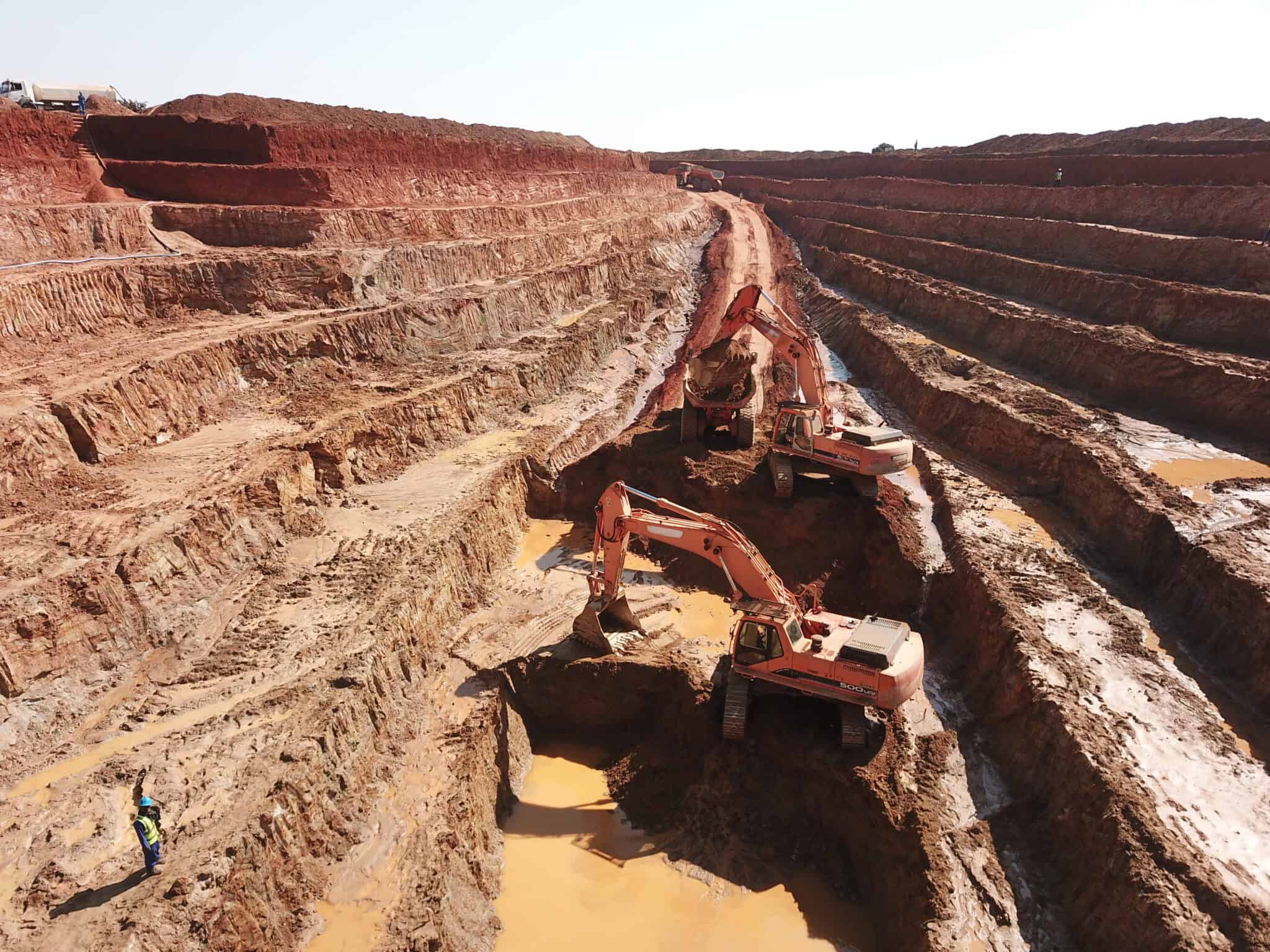
Minto operated from 2007 to 2023 before its most recent operator entered bankruptcy, leaving Selkirk First Nation - now Selkirk Copper's controlling equity holder - to take the asset back and pursue a restart. The property retains a 4,100 tonne-per-day processing plant, a 400-person camp, water treatment infrastructure, grid power and road access, all factors Joudrie says materially de-risk the timeline relative to building a new mine from scratch.
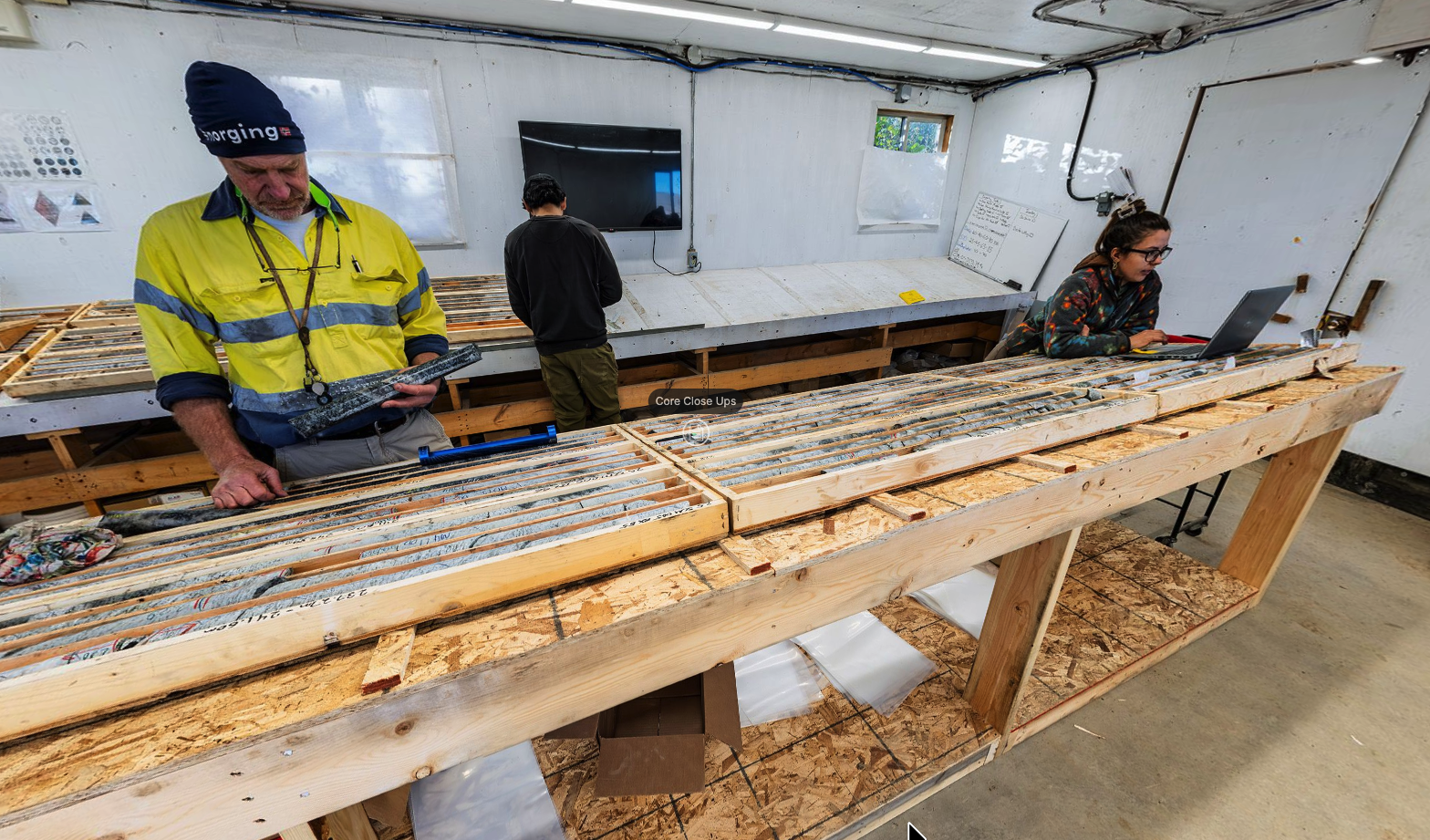
The current Phase 2 drill programme, targeting 50,000 metres across four active rigs, is more than 90% complete as of 18 August 2026, with 45,299 metres drilled in 187 holes. Results released this month include a standout intercept at Minto North's 202 Lens - 6.01% Cu, 8.77 g/t Au and 36.6 g/t Ag (13.12% CuEq) over 1.93 m within a broader 33-metre interval - alongside a step-out beyond a previously interpreted fault that may extend the lens further south.
Selkirk has also entered a funding agreement of up to $200,000 with the Municipality of Skagway to scope critical mineral concentrate shipping options through the Port of Skagway, a logistics workstream expected to conclude in September 2026.
Interview with Colin Joudrie, CEO of Selkirk Copper
Metallurgy, Permitting and Execution
Historic copper recovery at Minto averaged around 91.7% over its life of mine, reflecting the coarse-grained, recrystallised nature of the chalcopyrite-bornite mineralisation. Gold and silver recovery, by contrast, averaged only around 72.6%, partly because the prior operator - constrained by the streaming arrangement - had disabled gravity recovery circuits. Selkirk plans to reinstate that recovery through two Nelson concentrators, which metallurgical test work suggests could lift gold and silver recovery by roughly 10 percentage points each. The company also intends to add a permanent crusher circuit at the front end of the mill, a feature absent under previous ownership that Joudrie expects will meaningfully reduce grinding costs.
On permitting, Selkirk is pursuing amendments to existing authorisations rather than an entirely new approval process, working through a Category 2 district office assessment with amended permits expected to be filed around October 2026. Joudrie noted that regulators, including the Yukon Environmental and Socio-economic Assessment Board, have visited the site directly - engagement he believes will support a smoother amendment process.
Competitive Positioning
Selkirk's positioning rests on optionality most junior developers lack: existing infrastructure, an existing workforce pipeline, and a defined 12-15 year mine life target at 4,100 tonnes per day of mill feed. Joudrie estimates that only 40-45% of current Indicated resources are presently reflected in mine planning work, leaving room to pull additional tonnage into the plan as feasibility work progresses.
Against a landscape of newer copper developers still working through construction and permitting from scratch, Selkirk's restart model - leveraging a plant, camp and access roads already in place - offers a comparatively compressed path to production, though it carries its own asset-specific risks around dewatering, permit amendments and contract mining costs in the Yukon.
Catalysts
The next major catalyst is the Preliminary Economic Assessment, which Selkirk has committed to completing in Q3 2026 and which will translate the enlarged resource base into a formal cost and production plan. Joudrie was clear that the timing reflects incorporating the full scope of the updated resource rather than a delay:
"I don't really think of what we're doing with the PEA as a delay. I think what we're doing with the PEA is incorporating the maximum amount of metal that we've got from a very robust MRE to make sure that we have those mine plans that reflect the opportunity."
A Feasibility Study is scheduled to begin around the end of September 2026, feeding into a final investment decision targeted for mid-2027, wet commissioning of the mill in early Q2 2028, first production by mid-2028, and full run-rate throughput of 4,100 tonnes per day by late 2028 or early 2029.
Restart capital costs are currently expected to remain in the range of roughly C$200 million, a figure distinct from the more than C$300 million of historical investment already embedded in the existing infrastructure. Financing for that restart capital, along with potential offtake and streaming arrangements - Joudrie flagged a possible silver stream as one option - is expected to be arranged later in 2026 and into 2027.
The Investment Thesis for Selkirk Copper
- Selkirk controls an already-built 4,100 tpd processing plant, camp and underground/open-pit infrastructure, materially compressing the capital and time requirements of a restart versus a greenfield build.
- The 2026 MRE update delivered a 182% increase in Measured & Indicated copper, giving the company substantially more resource to incorporate into mine plans ahead of the Q3 2026 PEA.
- Full ownership of gold and silver revenue - following the bankruptcy-driven elimination of a prior streaming agreement - adds meaningful precious metals torque to the investment case.
- Planned gravity recovery upgrades (Nelson concentrators) and a new crusher circuit target higher metallurgical recoveries and lower operating costs than under the previous operator.
- Monitor the Q3 2026 PEA for the first formal restart cost and production estimate, which management expects to be the key catalyst for re-rating.
- Track permit amendment filings (expected around October 2026) and remaining Phase 2 assay results (programme completion expected late September 2026) as near-term milestones.
- Financing arrangements - including potential offtake, trade, or silver stream discussions - are expected to firm up in late 2026 and into 2027 and warrant close attention for dilution risk.
Macro Thematic Analysis
Copper's supply-demand imbalance has become difficult to ignore. Treatment and refining charges - the fees smelters charge miners to process concentrate into refined metal - have turned negative for the first time in the industry's recent history, an unusual signal that smelters are effectively paying a premium to secure feedstock rather than the reverse. Joudrie frames this within a broader structural story of ageing mines struggling to sustain output:
"[Treatment charges and refining charges] are negative. So that means the smelters are actually paying the miner a premium on top of a premium to receive their concentrate because they're just not getting enough to convert it into the copper that's going into these new electronics, transmission, but also these big data centers."
Many of the world's largest copper mines were built decades ago and are now moving into their second, third or fourth mine-life extensions, working through progressively lower grades with ageing equipment. Compounding this, major operational failures at large mines in Indonesia and Chile have removed meaningful tonnage from the market without recovery. Joudrie estimates the market has fallen short of forecast supply by roughly 600,000-800,000 tonnes of copper annually in recent years - a gap that new, near-term production, including a restarted Minto, is positioned to help fill. For investors, the theme underlines why timing matters: assets that can reach production quickly, without the multi-year construction runway of a greenfield mine, sit unusually well relative to a market that is short of supply today and likely to remain so for some time.
TL;DR
Selkirk Copper's Phase 2 drill programme at the past-producing Minto mine in Yukon has intersected high-grade copper-gold-silver mineralisation, including 13.12% CuEq at Minto North, and is over 90% complete and ahead of schedule. The 2026 Mineral Resource Estimate lifted Measured & Indicated copper by 182%, and CEO Colin Joudrie confirmed the company retains full exposure to gold and silver following the bankruptcy-driven removal of a prior streaming deal. A Preliminary Economic Assessment is targeted for Q3 2026, with a Feasibility Study to follow and first production targeted for mid-2028.
FAQ (AI-generated)
Analyst's Notes





Subscribe to Our Channel






Stay Informed


