




Serabi Gold & Coringa: Mechanised Mining & A 900-Tonne-Per-Day Mill Target


Serabi Gold is targeting mechanized Coringa mining and Palito capacity of 900 tonnes per day, with production growth dependent on mining permits and ore supply.
- Coringa is targeting a transition to mechanized sublevel stoping by the fourth quarter of 2026.
- Palito processing capacity is targeted to increase from 650 to 900 tonnes per day, with commissioning planned for the fourth quarter of 2026.
- Serabi Gold reported US$65.70 million in cash and no debt as of June 30, 2026.
- Production above 53,000 ounces in 2026 remains conditional on receiving the full Coringa mining license by the fourth quarter of 2026.
- Serabi Gold's ambition to exceed 100,000 ounces annually remains indicative, with growth dependent on permitting, ore supply and resource development.
Mining Transition & Development Across 4 Zones
Serabi Gold plc (AIM: SRB | TSX: SBI | OTCQX: SRBIF) operates Coringa and the Palito Complex in Brazil's Tapajós region, with Coringa ore prepared for treatment at the central Palito plant. Serabi is targeting completion of Coringa's transition from selective open stoping to mechanized sublevel stoping in the 4th quarter of 2026.
Coringa's second quarter production was 7,538 ounces, with 32,575 tonnes milled at 7.41 grams per tonne gold. Group output reached 11,007 ounces, a reported 5% increase from the 2nd quarter of 2025 but below 12,042 ounces in the 1st quarter of 2026. Palito produced 3,469 ounces compared with 4,592 ounces in the 1st quarter. Palito's milled grade was 4.62 grams per tonne in the second quarter, compared with 5.90 grams per tonne in the first quarter; the release notes that restarting stoping at G3 in the second half of 2026 is intended to improve grade recovery. These reported results distinguish Coringa's contribution from the grade constraint affecting Palito's output.
At Serra, the second quarter production came from the 260-meter, 190-meter, 158-meter, 143-meter, 125-meter, and 106-meter levels, with development on the 170-meter, 158-meter, 126-meter, 104-meter, and 88-meter levels. At Meio, development focused on the 271-meter level, with stoping on the 336-meter and 286-meter levels. Galena's main ramp reached the 249-meter level, with sill drives on the 285-meter and 269-meter levels. Development also began at Serra South, discovered through the 2025 brownfield exploration program. Galena and Serra South remain development areas without disclosed production rates or commissioning dates, so no incremental output from either zone is quantified here.
Ore Sorting & Palito Mill Expansion
Coringa ore is crushed and sorted before the concentrated material is transported to Palito, reducing the waste that occupies transport and processing capacity. By processing Coringa feed at Palito, Serabi avoids including a separate operating mill at Coringa in the disclosed development configuration. Sorting reduces the waste sent to that shared plant, while the mill expansion provides additional capacity for the retained material; the throughput target alone does not specify its gold content.
Serabi's June 2026 Corporate Presentation identifies Palito's existing capacity as 650 tonnes per day and associates the unexpanded plant with approximately 60,000 ounces of annual production. Its US$5 million expansion estimate is based on adding 1 ball mill to the existing plant, targeting a capacity of 900 tonnes per day. The July 23, 2026 operational release reports the installation of the fourth ball mill on schedule and on budget, with commissioning targeted for the fourth quarter of 2026 and an annual throughput of 330,000 tonnes in 2027.
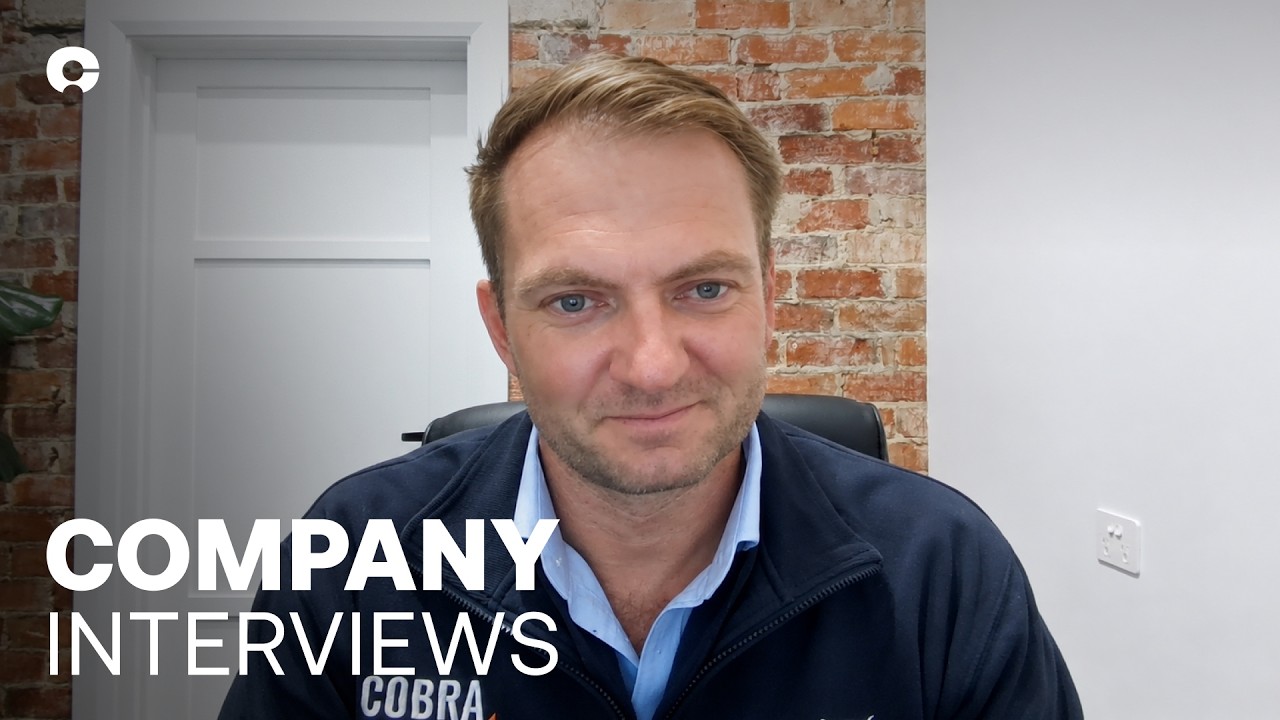
Chief Executive Officer of Serabi Gold plc, Mike Hodgson, linked the Palito expansion to relocating a ball mill acquired with Coringa:
“When we bought Coringa, it came with a process plant, which was a greenfield project that had already bought a process plant. It wasn't perfect, but the mills were in good condition, as were the crushing facilities, so we were moving one of those ball mills to Palito. We're not waiting to get to the end of an exploration campaign; actually, we are anticipating two things. We're anticipating the final permit is going to be awarded at Coringa in 2020, before the end of this year, maybe the first part of next year. That's what our legal counsel is advising, so we've already started work on an expansion in the plant, which will be ready in 2027.”
Resource Definition & Permitting Conditions
The company outlines an ambition to exceed 100,000 ounces annually but leaves 2028 marked with a question mark, making the timing indicative rather than committed. Hodgson linked resource growth, reserve assessment, and the full permit to the production level that could support expansion:
“In 2025, we grew the resource from 1 million to 1.4 million ounces. We're going to continue that campaign to the end of 2026, see where we get to. We hope we can get to close to 1.8 to 2 million ounces; maybe from that we're going to look at the reserve content and say, "Okay, the sustainable level of production for this business is going to be this." And then we'll start the plant expansion; this, of course, is all predicated on us getting the full permit at Coringa, which we're also making good progress on.”
Coringa's existing 3-year license permits transportation of 100,000 tonnes of ore annually and expires on January 29, 2027. Discussions with Brazil's mining regulator concern a possible extension, which is not reported as secured. The full mining license requires land-use and Indigenous-study approvals; the release reports technical land-use approval at state and federal levels, with final legal sign-off pending. The Indigenous agency must also formalize the study approval before the state environmental agency can issue the license.
The company explicitly conditions consolidated 2026 production above 53,000 ounces on receiving the full license by the fourth quarter of 2026. Community engagement, including the July 17, 2026 site visit, does not, by itself, constitute that authorization. Therefore, completion of underground and processing infrastructure cannot, on its own, establish the production outlook, and the supplied sources do not quantify an alternative production outcome if approval is delayed.
Cash Allocation & Operating Cost Benchmarks
Serabi's second quarter of 2026 Production & Operational Highlights, dated July 23, 2026, reports cash of US$65.70 million at June 30, 2026, and no debt following repayment of the US$5.30 million unsecured Banco Santander loan during the 1st quarter. The company allocates US$15 million to underground development during the 2026 ramp-up, a separate spending category from the ball mill addition. The development allocation and mill estimate identify separate uses of the treasury, so processing equipment is only part of the disclosed expansion spending.
The company described its dividend policy as returning 20% of 2025 cash flow and targeting the continuation of that policy in 2026. This links the distribution framework to cash generated rather than to the entire treasury balance.
Serabi Gold reports an all-in sustaining cost (AISC) of US$2,293.00 per ounce for the 1st quarter of 2026 and US$1,816.00 per ounce for the full year 2025. These reported group costs cover different periods and are historical results, not a modeled base case for Coringa after mechanization. The supplied second-quarter operational release provides neither updated AISC nor a quantified post-transition cost estimate, preventing the calculation of savings or a margin uplift from the mining-method change.
Investment Thesis for Serabi Gold
- Serabi Gold is targeting completion of Coringa's mechanized sublevel stoping transition in the fourth quarter of 2026.
- Serabi Gold is targeting Palito processing capacity of 900 tonnes per day, with gold output dependent on ore supply and the grade of material delivered to the plant.
- The debt-free balance sheet reported as of June 30, 2026 supports underground development and mill investment, while the dividend policy allocates a portion of cash generation to shareholders.
- Production above 53,000 ounces in 2026 remains conditional on full mining authorization by the fourth quarter of 2026, separate from completion of the mill.
- The disclosed operating costs do not establish savings attributable to Coringa's mining transition, preventing a quantified margin uplift from being included in the investment case.
Existing cash resources support the expansion program, but production depends on delivering underground development, commissioning additional milling capacity and securing the required license. The sources do not support a quantified margin uplift or a firm production commitment above 100,000 ounces annually.
TL;DR
Serabi is targeting Coringa mechanization and Palito mill commissioning in the fourth quarter of 2026, supported by US$65.70 million in cash and no debt. Growth depends on ore supply and permitting, with production above 53,000 ounces in 2026 conditional on the full Coringa license. The longer-term ambition of 100,000 ounces annually remains indicative.
FAQs (AI-Generated)
Analyst's Notes





Subscribe to Our Channel

.png)



Stay Informed






















