Wyoming Permitted, Financed Next: How US Gold Corp Is Closing In on a Construction Decision


US Gold Corp's fully permitted CK Gold Project advances toward a Feasibility Study as President and Chief Executive Officer George Bee outlines a clear pathway from permitted asset to producing mine.
- US Gold Corp holds all major permits at the CK Gold Project in Wyoming, allowing the company to focus entirely on financing and construction.
- The project holds 1.672 million gold equivalent ounces in proven and probable reserves, with All-In Sustaining Costs (AISC) of US$937 per gold equivalent ounce.
- At current gold prices above US$3,000 per ounce, the Pre-Feasibility Study (PFS) sensitivity analysis returns a pre-tax Net Present Value (NPV) of US$945 million and a pre-tax Internal Rate of Return (IRR) exceeding 60%.
- President and Chief Executive Officer George Bee is pursuing debt, equity, and strategic partnership financing with a focus on minimising shareholder dilution ahead of a construction decision.
- First production is targeted for the second half of 2027 to 2028, with engineering already well advanced and a construction timeline of 18 to 24 months from a financing decision.
For most junior mining companies, permitting is where ambition meets reality. Regulatory processes drag on, community opposition mounts, and federal oversight adds years to timelines that were already optimistic. US Gold Corp has been through all of that, and come out the other side with something most of its peers can only aspire to: a fully permitted, feasibility-stage gold-copper project in a stable US jurisdiction, ready for the financing conversation that leads to construction.
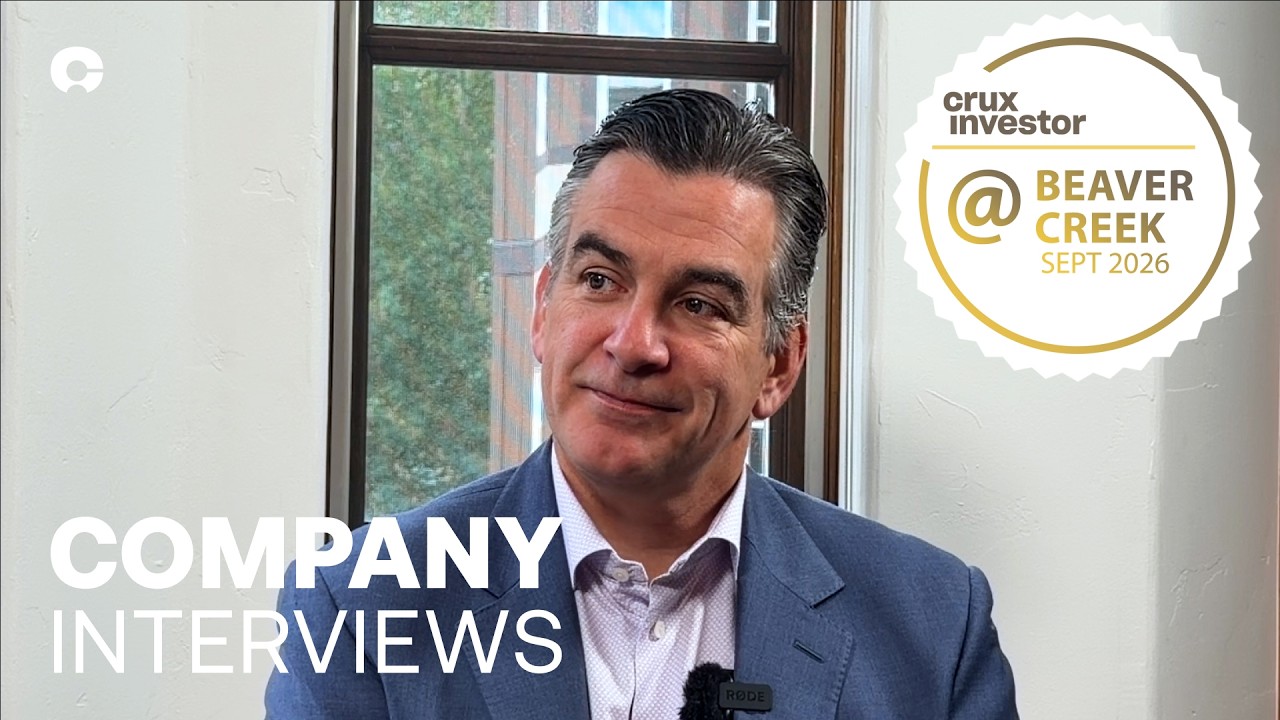
President and Chief Executive Officer George Bee put it plainly in a recent interview with Crux Investor:
"Having permits in hand allows us to focus entirely on financing and execution."
In a sector where regulatory risk routinely derails otherwise sound projects, that sentence carries considerable weight.
The Work That Is Already Done
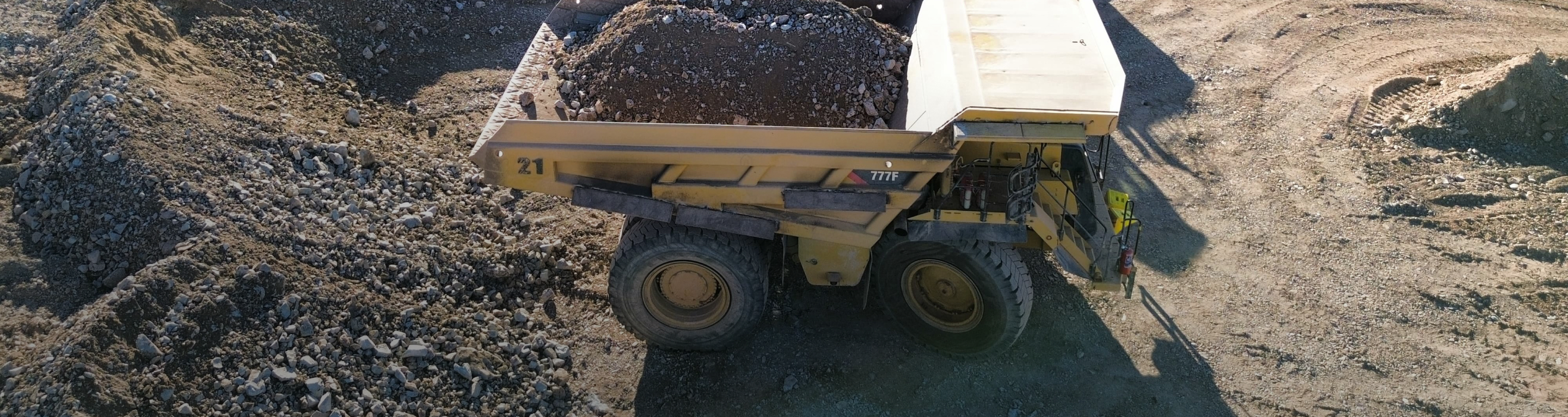
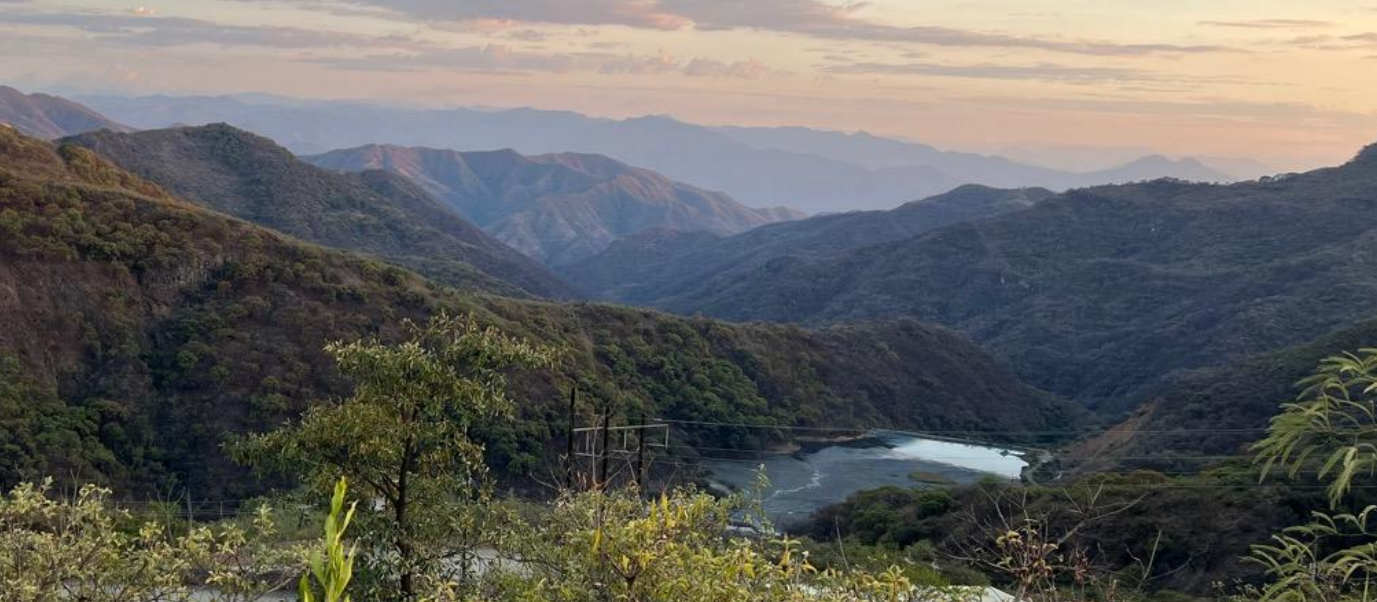
The CK Gold Project sits in southeast Wyoming, approximately 20 minutes west of Cheyenne, on state land with no federal nexus. That last detail matters. Without a federal land component, the project was not subject to the federal permitting process that has added years to comparable developments elsewhere in the US. The mine operating permit was approved in April 2024, with water discharge, reclamation bond, and air quality permits following through to November 2024.
Bee described the permitting achievement in practical terms, noting that it directly changes the conversation with potential partners and financiers:
"It also makes the project more attractive to potential partners and financiers because regulatory risk has already been addressed."
More than 200 meetings and 300 individual engagements, from the Governor's office to local landowners, underpinned an approval process built on genuine community dialogue rather than procedural compliance.
The engineering work is similarly advanced. The February 2025 Pre-Feasibility Study (PFS), prepared by Samuel Engineering Inc. under US Securities and Exchange Commission (SEC) Subpart S-K 1300 standards, outlined a 10.2-year open-pit operation processing 20,000 tons per day. The project is designed as a conventional crush, grind, and flotation system producing a copper-gold concentrate, a deliberate choice that reduces execution risk. "That simplicity is important when you think about execution risk," Bee noted.
The Economics at Current Prices
The project holds proven and probable mineral reserves of 1.022 million ounces of gold, 260 million pounds of copper, and 3 million ounces of silver, totalling 1.672 million gold equivalent ounces. Average annual production is estimated at 111,250 gold equivalent ounces over the life of the mine, rising to 143,278 ounces in the first three years of operation. All-In Sustaining Costs (AISC) are estimated at US$937 per gold equivalent ounce.
At the PFS base case of US$2,100 per ounce gold and US$4.10 per pound copper, the study returned a post-tax Net Present Value (NPV) of US$356 million and a post-tax Internal Rate of Return (IRR) of 29.5%, with initial capital estimated at US$277 million. The macro environment has since moved considerably in the project's favour. At US$3,000 per ounce gold and US$4.50 per pound copper, the PFS sensitivity analysis points to a pre-tax NPV of US$945 million and a pre-tax IRR exceeding 60%, with a capital payback period of just over one year.
Bee was measured rather than effusive about what that means for the financing case. "Given the strength of the project and current gold prices, we believe there's a strong case to secure funding on favorable terms," he said. The gold-copper structure of the deposit adds another layer of resilience:
"It's a gold-copper system, which provides diversification in revenue streams and helps offset cost pressures," Bee explained.
Financing: Multiple Avenues, One Goal
With permits secured and engineering largely complete, the immediate priority is assembling the financing package that unlocks construction. Bee described a multi-avenue approach covering debt, equity, and strategic partnerships, with a clear priority running through all of it:
"The goal is to minimize dilution while advancing toward production."
The company is not approaching that conversation from a position of weakness. US Gold Corp closed a US$31.2 million private placement in December 2025, leaving approximately US$30 million in cash on hand. The company was also added to the VanEck Junior Gold Miners Exchange-Traded Fund (GDXJ), effective 20 March 2026, as part of the fund's quarterly rebalance. The inclusion is expected to improve trading liquidity and broaden investor exposure at a stage where market visibility directly supports the financing effort.
The broader context is supportive too:
"Gold prices remain strong, and there's increasing interest in domestic resource development in the US. Projects like CK benefit from being located in stable jurisdictions with clear regulatory frameworks."
For institutional capital looking for permitted, construction-ready assets in safe jurisdictions, the combination of Wyoming's regulatory clarity and the project's advanced engineering positions CK Gold as a relatively rare offering in the current market.
From Permitted to Producing
Once financing is in place, Bee described the path to construction as clearly defined:
"Because the engineering work is already well advanced, we're not starting from scratch. We're moving into execution."
The construction timeline runs 18 to 24 months from a financing decision, pointing to potential first production in the second half of 2027 to 2028.
That timeline, and the clarity of the pathway to it, is central to how Bee frames the company's position in the market:
"We see ourselves as a near-term producer with a clear pathway to cash flow. That differentiates us from earlier-stage exploration companies. The combination of permitting, feasibility-stage engineering, and manageable capital expenditure positions us well relative to peers."
US Gold Corp enters the Second Quarter of 2026 having done the hard work that most junior miners are still navigating. The permits are in hand. The engineering is advanced. The gold price environment is stronger than the base case that underpins the PFS. And the financing conversations are underway.
Bee's view of what comes next is unambiguous:
"Our focus is on execution. Moving from a permitted project to a producing asset. That's where value creation happens for shareholders."
FAQs (AI-Generated)
A fully permitted open-pit gold-copper development in Wyoming, advancing toward construction following completion of a Pre-Feasibility Study (PFS).
Approximately 20 minutes west of Cheyenne, Wyoming, on state land with no federal nexus and access to existing road, water, and power infrastructure.
The PFS returned a post-tax Net Present Value (NPV) of US$356 million and a post-tax Internal Rate of Return (IRR) of 29.5% at US$2,100 per ounce gold, improving significantly at current prices above US$3,000 per ounce.
The company is evaluating debt, equity, and strategic partnerships, with a focus on minimising shareholder dilution while advancing toward a construction decision.
First production is targeted for the second half of 2027 to 2028, with a construction timeline of 18 to 24 months from a financing decision.
Analyst's Notes





Subscribe to Our Channel


Stay Informed