




43% Heavy Rare Earths and Emerging Scale: Why Cobra Resources Stands Apart in Australia


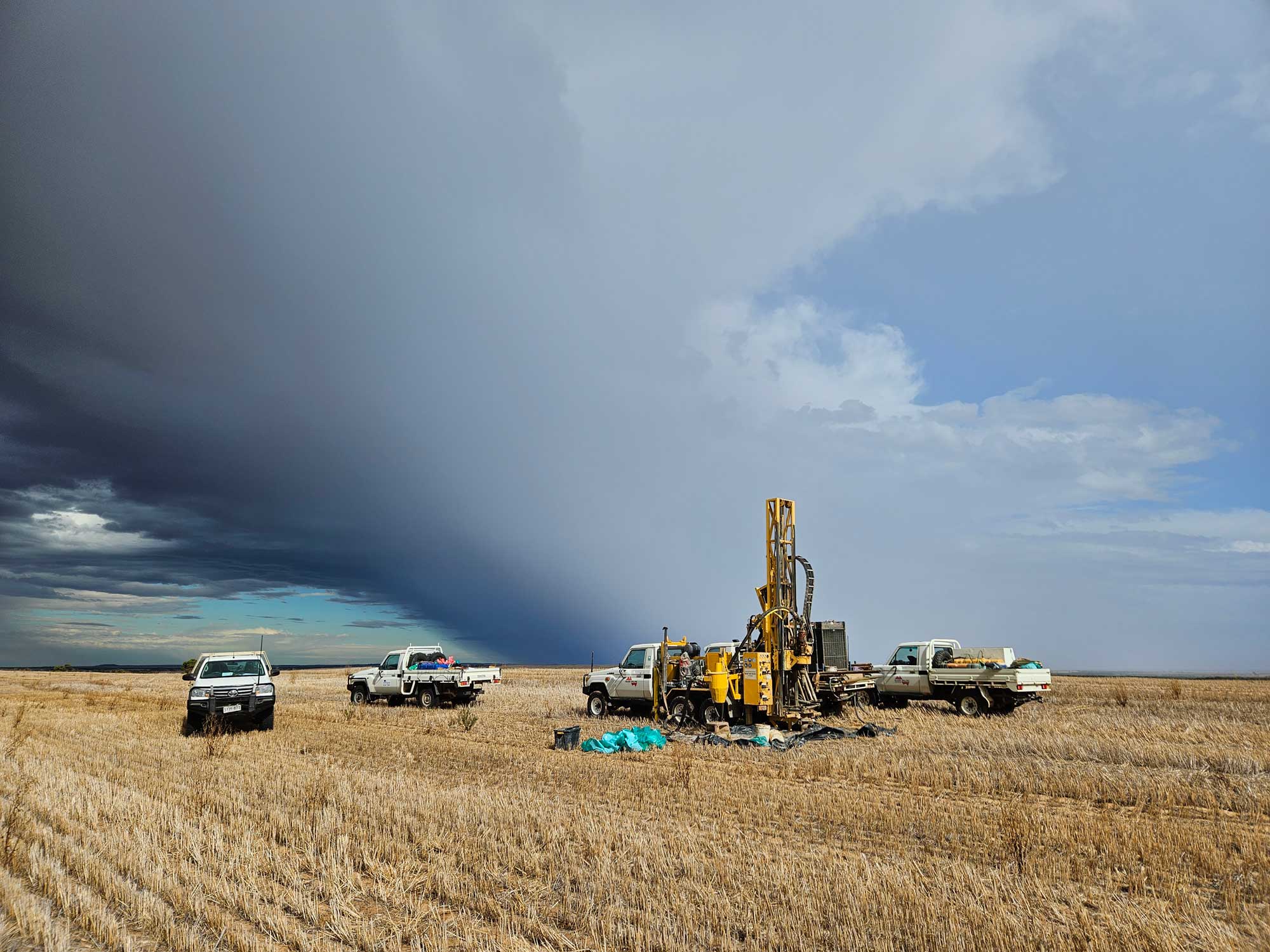
Cobra Resources advances Australia's only ISR rare earth project with a 43% heavy rare earth basket, proven permeability, and a capital-light pilot study pathway.
- Cobra Resources is developing Australia's only in situ recovery (ISR)-suitable heavy rare earth project in South Australia, with recent sonic core drilling confirming mineralisation across two prospects and supporting a maiden mineral resource estimate.
- The company's mixed rare earth carbonate (MREC) basket is approximately 43% heavy rare earths, including nearly 5% dysprosium and terbium - a significantly richer heavy rare earth profile than most ionic clay peer projects.
- Permeability testing has returned transmissivity rates of approximately 8 metres per day, with 80% tracer recovery achieved in two days across the existing well field, underpinning projected leach cycle times of 30–60 days.
- Natural sulfide oxidation within the orebody could generate up to 60 kg of sulfuric acid per tonne of material in some zones, potentially offsetting a meaningful portion of the ~30% operating cost allocated to reagents in standard rare earth projects.
- A low-cost pilot study utilising the existing well field and ANSTO's pilot facility is planned to demonstrate ISR viability, with a scoping study intended to follow the maiden resource estimate.
Cobra Resources is a London Stock Exchange-listed explorer and developer focused on South Australia, advancing what management describes as the only rare earth project in Australia suited to in situ recovery (ISR) extraction. In a sector where most development-stage companies are pursuing conventional hard rock or open-cut mining, the ISR methodology offers a distinct technical and economic profile - lower capital intensity, a smaller physical footprint, and a potentially faster pathway to production. In a recent interview, CEO Rupert Verco provided detailed insight into the company's resource definition progress, technical parameters, economic framework, and near-term development milestones.
Resource Definition: Two Prospects and a Clear Path to a Maiden Estimate
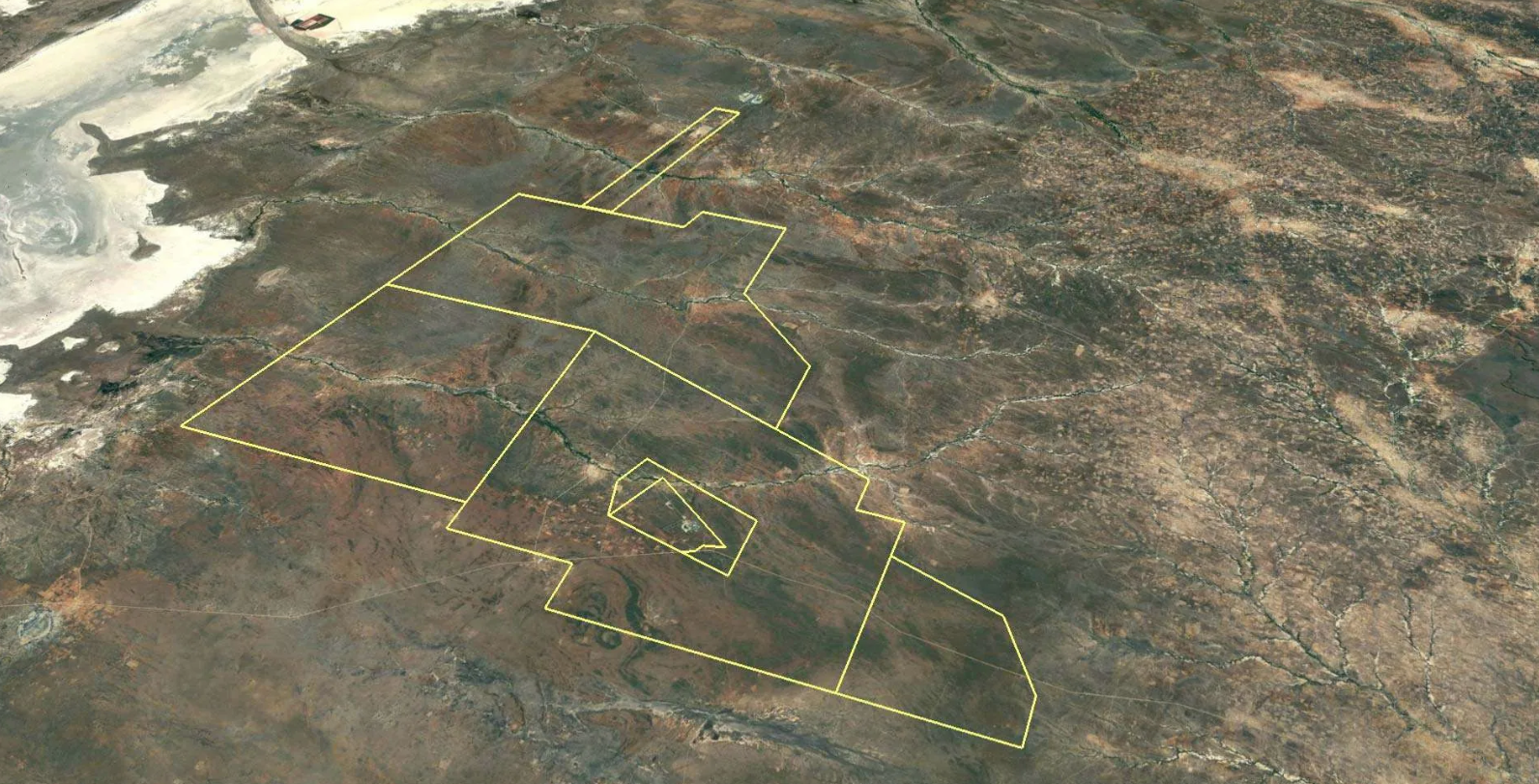
Cobra Resources has been conducting sonic core drilling in unconsolidated sediments across its South Australian tenement package. The drilling programme has now defined mineralisation across two separate prospects, which management emphasises represent only a small fraction of the company's overall land holding. The significance of this, according to Verco, is the emerging evidence of scale - the ability to trace a deltaic or flank mineralisation system over many kilometres. Approximately 80% of assay and permeability results have been received to date, with the remaining data being incorporated into a hydrological model to support the maiden mineral resource estimate. Verco indicated that the dataset now in hand is sufficient to support that initial estimate.
The company is working across three geological formations: the Pidinga, the Garford, and the Narlaby. The Pidinga is the deepest and the primary focus to date, given its strong permeability and established hydrological data. The Garford and Narlaby formations sit above it and are being evaluated concurrently, adding tonnage potential at no additional drilling cost. The Narlaby, in particular, exhibits strong grades and high permeability, though additional work on aquifer confinement is still required.
ISR Process: Permeability and Transmissivity as Key Value Drivers
The ISR extraction method requires a specific set of geological conditions to function efficiently. Chief among these are permeability, grade, and acid consumption - what Verco refers to as the three principal levers driving project economics. For Cobra Resources, permeability testing has produced encouraging results. Using a purpose-built well field, the company has already emulated the ISR extraction process through tracer studies. As Verco described:
"We've effectively achieved a transmissivity rate of 8 metres a day... we inject in one well and from another well the same metres away, we've recovered almost 80% of that tracer over two days."
This level of hydraulic connectivity supports well field spacings of 15-25 metres, which Verco considers highly efficient. Leach cycle modelling based on these permeability numbers suggests well fields could be active for between 30 and 60 days - a material advantage in terms of capital cycling and operational efficiency. The data also reinforces the case for regulatory approval, as high tracer recovery demonstrates lixiviant containment, a key environmental requirement for ISR permitting.
Heavy Rare Earth Basket: Quality Differentiation in a Competitive Market
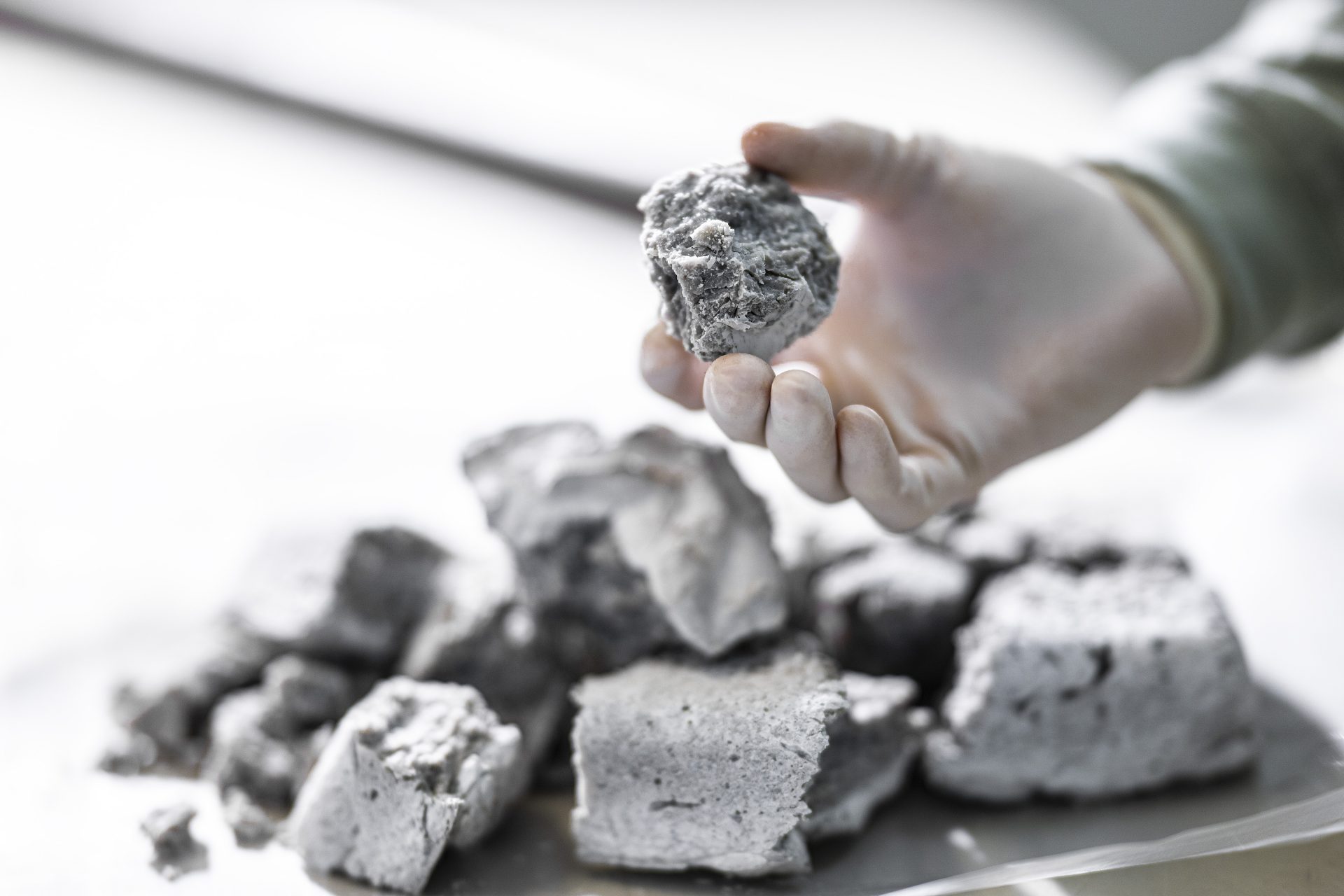
The composition of Cobra Resources' MREC output sets it apart from many peer ionic clay projects. Of the total rare earth content, approximately 43% is heavy rare earths, with dysprosium and terbium together accounting for nearly 5%. These elements command significantly higher prices than the light rare earths, particularly neodymium and praseodymium (NdPr), which dominate the output of most ionic clay developers.
Verco attributed this enriched heavy rare earth profile to specific orebody characteristics, including the reduced geochemical environment, which has allowed cerium - typically the most abundant and lowest-value rare earth - to be precipitated out during impurity removal without the need for solvent extraction. The practical effect is that less material needs to be shipped to recover more value.
"Almost 43% of it is heavy rare earths... nearly 5% dysprosium and terbium. When we compare that against a lot of the other players where ionic clays are generally a good source of heavies, we stack up very well."
Interview with Rupert Verco, CEO, Cobra Resources
Economics: Acid Generation, Cost Structure, and Capital Efficiency
One of the more technically specific advantages Cobra Resources is developing relates to natural acid generation. The project's orebody contains natural sulfides, which when oxidised can generate sulfuric acid in situ. Bench-scale studies have shown acid generation potential of up to 60 kg of sulfuric acid per tonne of material in certain drill holes. While Verco is conservative in assuming the company can capture all of this, even partial offset of acid consumption is economically meaningful. In a standard rare earth ISR operation, acid costs can represent approximately 30% of the total operating cost - which management estimated at around US$18–20 per kilogram of MREC. A significant reduction in that 30% acid component would meaningfully lower the cost structure.
Beyond the operational cost advantage, ISR as a mining method carries a substantially lower capital requirement than conventional alternatives. Referencing Kazatomprom and comparable operations, Verco noted that "ISR operations [are executing] at 15 to 20% of the capex requirements to hard rock operations." Furthermore, the environmental remediation liability associated with ISR is dramatically lower - Verco cited data suggesting ISR remediation costs are approximately 28 times lower per unit of commodity produced compared to open-cut operations such as the Ranger uranium mine.
Regulatory and Jurisdictional Context: A Known Process in a Supportive Environment
South Australia has hosted multiple ISR pilot studies in the past two years across uranium and copper projects, and has long-established ISR uranium production operations in formations geologically analogous to those at Cobra Resources' project. This is a material advantage for permitting risk. The relevant regulator has demonstrated a willingness to work constructively with companies advancing ISR applications, and the environmental parameters and obligations are well understood. The use of a benign, low-acidity lixiviant - rather than the more aggressive acidities employed in some overseas ionic clay operations - further reduces the regulatory risk profile.
Development Pathway: Staged, Capital-Light, and Technically Rigorous
The company's near-term focus is completing the maiden mineral resource estimate, incorporating not just tonnes and grades but also permeability and acid generation parameters in a manner analogous to reservoir modelling in oil and gas. This enhanced resource model is intended to serve as the foundation for a scoping study. A field-based ISR pilot study is planned, utilising the existing well field infrastructure and ANSTO's processing facility - a capital-light approach to de-risking the extraction methodology. In parallel, a diamond drill rig is operating around the clock at the company's copper porphyry project, with a market update expected in due course.
The Investment Thesis for Cobra Resources
- Unique ISR positioning: Cobra Resources is positioned as the only rare earth developer in Australia pursuing ISR extraction, differentiating it from conventional hard rock and open-cut peers with a structurally lower capex model.
- Heavy rare earth premium: A MREC basket of ~43% heavy rare earths, including ~5% dysprosium and terbium, delivers exposure to the highest-value rare earth elements, which are critical to permanent magnets used in electric vehicles and wind turbines.
- Proven hydrology: Tracer studies have already demonstrated 80% recovery at 8 m/day transmissivity - technically de-risking the ISR extraction concept before a full pilot study is completed.
- Natural acid generation: The potential to offset a meaningful portion of reagent costs through in situ sulfide oxidation reduces operating cost exposure and supply chain dependency on externally sourced sulfuric acid.
- Analogous operational precedent: ISR uranium operations in the same South Australian geological formations provide a directly comparable proof of concept, reducing both technical and permitting uncertainty.
- Capital efficiency: ISR's 15–20% capex requirement relative to hard rock mining, combined with demonstrably lower environmental remediation liabilities, supports an attractive return profile for investors relative to conventional rare earth developers.
- Scale optionality: Two prospects defined across a small portion of a large tenement package, with three geological formations - Pidinga, Gawler, and Nullarbor - offering meaningful resource upside at low incremental exploration cost.
- Dual-commodity exposure: The copper porphyry project (currently being drilled 24/7) provides additional optionality within the portfolio without distracting from the core rare earth programme.
Macro Thematic Analysis
The global energy transition is driving sustained structural demand for rare earth elements, particularly the heavy rare earths - dysprosium and terbium - which are essential inputs for high-performance permanent magnets used in electric vehicle motors and offshore wind turbines. Simultaneously, Western governments are actively seeking to reduce dependence on Chinese rare earth supply chains, which dominate both mining and processing. Australia, with supportive mining regulations and established geological knowledge, is well positioned to become a meaningful non-Chinese supplier. ISR extraction, long proven in uranium, offers a lower-cost and lower-impact route to production that may accelerate project development timelines significantly. As Verco summarised:
"If it means the resource estimate takes a little bit longer but brings production forward quicker - that's the ultimate achievement."
TL;DR
Cobra Resources is advancing Australia's only ISR-suitable heavy rare earth project in South Australia, with recent drilling confirming mineralisation across two prospects and a maiden resource estimate in preparation. A high-quality MREC basket of ~43% heavy rare earths, demonstrated permeability metrics, and natural acid generation capability collectively underpin a differentiated and lower-cost development model. The planned ISR pilot study offers a capital-light route to de-risking extraction and catalysing a formal scoping study.
FAQs (AI Generated)
Analyst's Notes





Subscribe to Our Channel




.jpg)
Stay Informed



