




$7 Billion in US Export Credit Reprices Argentine Mining Risk


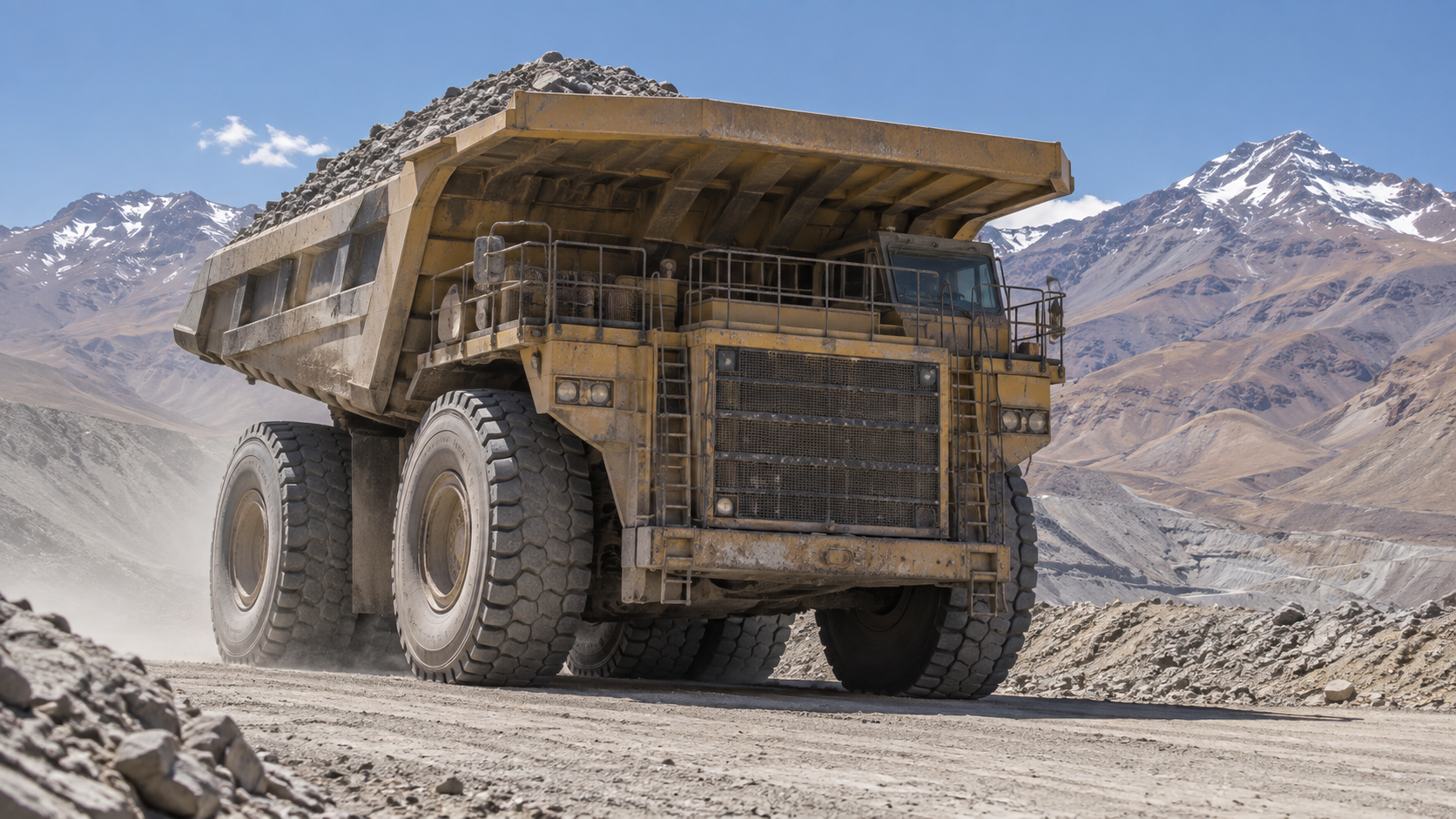
Argentina’s copper output remains at zero while $9,000 lithium contracts favor permitted projects that can convert cheaper financing into new supply.
- The US Export-Import Bank (EXIM) plans to provide up to $7 billion for critical minerals and energy projects in Argentina, opening a new financing channel for mine development.
- The credit lets Argentine companies finance US-made equipment over the next two years, directing near-term spending to US exporters without lowering mine operating costs.
- Argentine lithium output rose 67% to 23,000 tonnes in 2025 from 13,800 tonnes in 2024, while copper output remained at zero since 2018 as of August 21, 2025, showing lithium growth preceded the proposed US credit.
- Argentina's Congress had not ratified the February trade agreement, leaving the proposed financing without a confirmed disbursement date.
- As of February 2026, Argentine copper mine production remained at zero in the USGS world table, and a reading above zero would signal financing beginning to translate into new supply.
$7 Billion Export Credit Expands Argentine Mine Financing
EXIM plans to provide up to $7 billion for critical minerals and energy projects in Argentina, expanding financing available to advance mine development. Copper was up 48.7% over 12 months after LME three-month copper reached a record $14,858 per tonne, strengthening the price backdrop for Argentina's undeveloped copper projects.
The $7 billion headline matters because the facility finances equipment purchases from US manufacturers over the next two years rather than project equity, offtake, or a commodity price floor. The credit can shift procurement toward US suppliers, but it does not shorten construction timelines or bring production forward.
US Equipment Credit Supports Mines Despite Zero Copper Output
Argentina has produced no copper since the Bajo de la Alumbrera mine closed in 2018, so new projects would restart national mine supply from zero. Luis Lucero, Argentina's mining minister, says the country is targeting annual exports of 1.64 million tonnes of copper and 580,000 tonnes of lithium by 2036, about five times 2025 levels. Lithium already had a head start, with mine output rising 67% to 23,000 tonnes in 2025 from 13,800 tonnes in 2024 under Argentina's investment incentive regime before the proposed US export credit.
The February trade and investment agreement covering critical minerals remains unratified by Argentina's Congress, leaving its timing unresolved. With a presidential election scheduled for 2027, near-term value remains with mining projects that can advance under existing Argentine incentives rather than relying on the bilateral agreement.
$71 Billion EXIM Pipeline Favors Projects With Firm Equipment Demand
John Jovanovic, President and Chairman of EXIM, said the bank had more than $71 billion of active transactions and described its $12 billion critical minerals reserve as combining private capital with government financing based on market demand and manufacturer needs. The scale gives EXIM financing capacity, but deployment still depends on projects generating equipment orders.
$9,000 Lithium Contracts Shift Focus to Approved Argentine Projects
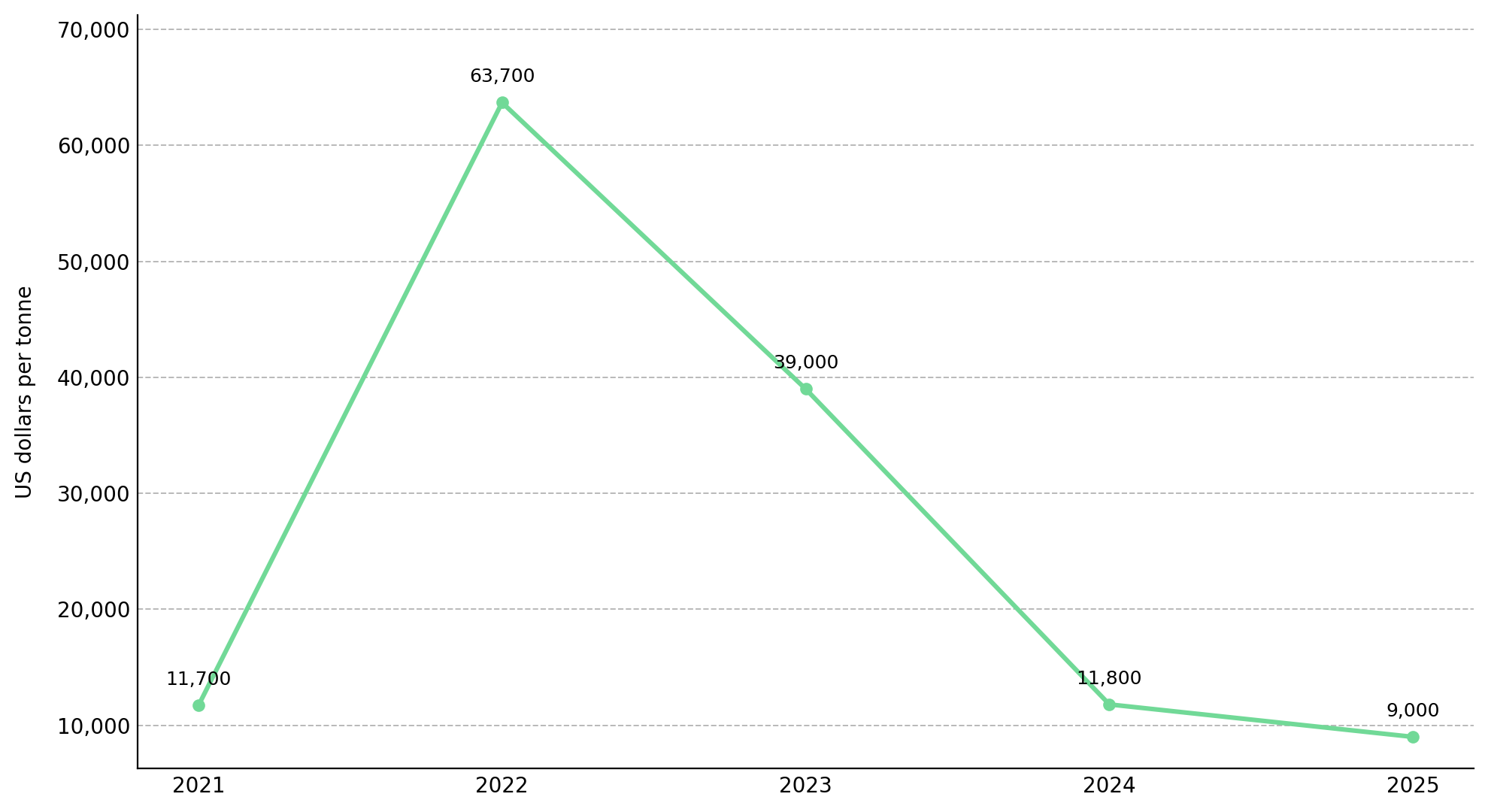
Argentine brine producers on term contracts can remain exposed to lower realized prices even as spot lithium rises. Battery-grade lithium carbonate reached $19,750 per tonne, while the 2025 average US contract price was $9,000 per tonne, 86% below the $63,700 level in 2022. Annual repricing can keep realized prices below spot, making contract terms a key driver of producer cash flow.
Projects approved under Argentina's investment incentive regime can lock in tax and currency terms above $200 million, improving financing certainty. Martin Perez de Solay, Chief Executive Officer of Glencore, said seven copper projects could produce 2 million tonnes annually within a decade with $35 billion to $45 billion of investment. EXIM's $7 billion ceiling equals 20% of the lower estimate, making existing project approvals and additional capital critical to converting the pipeline into production.
Argentina's Congress has not published a ratification date, and EXIM disbursement remains unconfirmed until the bank reports it. Financing uncertainty raises capital-loss risk for pre-production assets, making position size the clearest way to limit downside while retaining upside if funding arrives.
US Export Credit Lowers Argentine Financing Costs, Favoring Approved Projects
Sovereign export credit changes who funds a mine and whose equipment builds it, not the price the mine sells into, making it a cost-of-capital lever that reaches only projects already able to place equipment orders, a limit shared by every Western critical minerals facility built on export finance.
Sovereign credit adds nothing to Argentine project value if EXIM reports no Argentine mining disbursement before the 2027 presidential election. EXIM board approval announcements carry that signal.
Value from the facility flows to two groups: developers already approved under the investment incentive regime, which hold locked tax and currency terms and can draw cheaper credit first, and the US equipment makers the credit is tied to. A $9,000 contract price reads as a reason to avoid Argentine lithium, yet it also stalls unfinanced supply elsewhere, leaving permitted projects that build through the trough with capacity in place when contracts reset.
Analyst's Notes





Subscribe to Our Channel

Stay Informed


