




What Does China’s 10% Lithium Inventory Drop Mean for Future Supply?


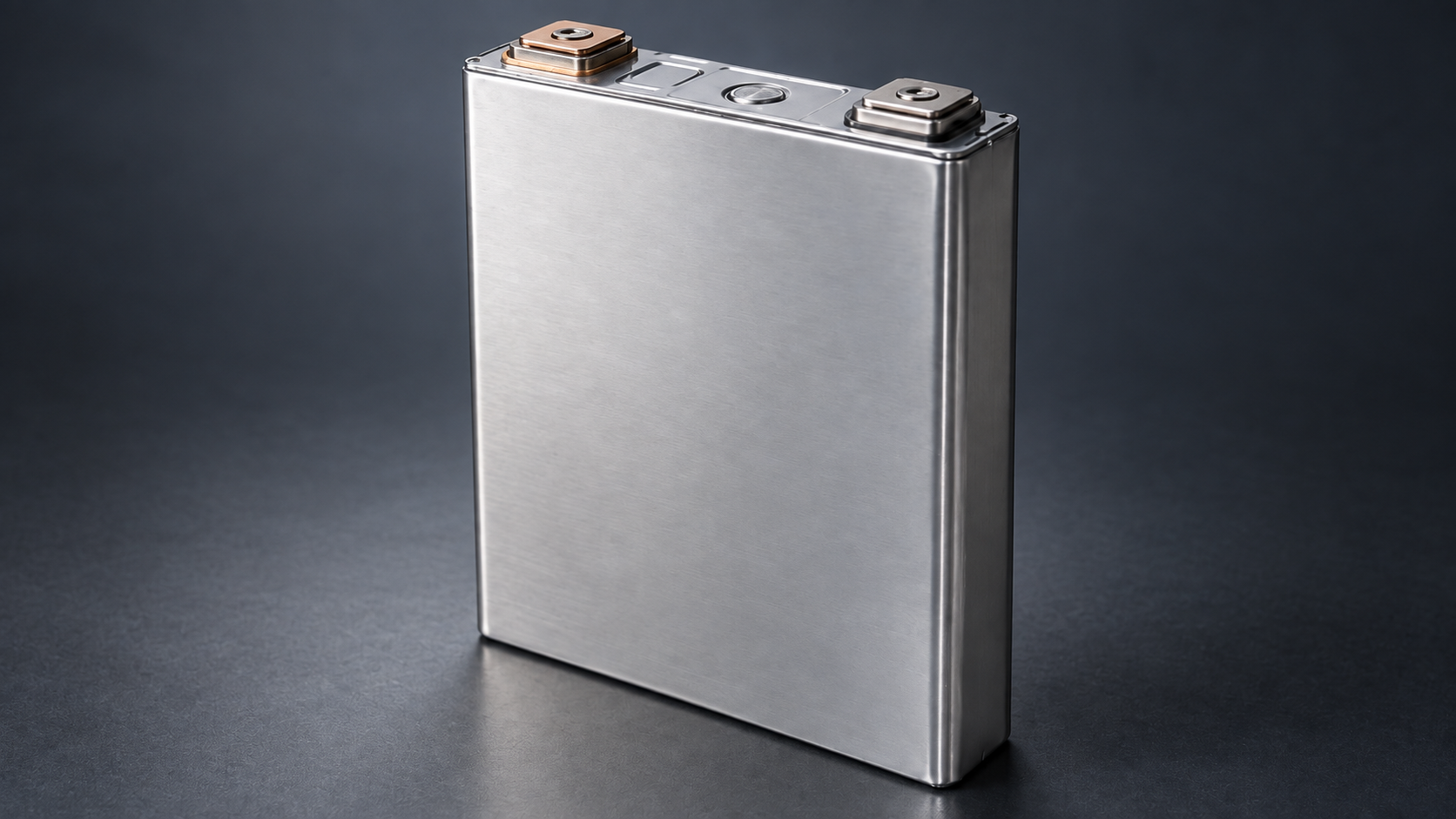
China's 10% lithium inventory drop raises price sensitivity while resilient, low-cost supply gains importance across volatile markets.
- China’s combined lithium carbonate and lithium hydroxide inventories fell 10.0% year-to-date through August 2026, including a 2.8% month-over-month decline, reducing the inventory cushion available to absorb shifts in supply and demand.
- Lower inventories do not signal an immediate lithium shortage, but they leave less material to absorb mine disruptions, producer maintenance, restocking, or stronger downstream consumption, increasing short-term price sensitivity.
- Late-August supply uncertainty, lithium salt producer maintenance, and inventory drawdowns coincided with a 4.6% one-day rise in battery-grade lithium carbonate prices, showing how concurrent tightening factors can amplify short-term price moves when inventories are lower.
- For explorers advancing future supply, additional spodumene arrivals reinforce the importance of competitive costs, protected offtakes, and execution progress through both weaker and stronger lithium prices.
- International Energy Agency (IEA) projects lithium demand to more than triple by 2040, increasing the long-term need for new supply that can remain viable through price cycles.
China’s 10% Lithium Inventory Drawdown Raises Price Sensitivity
China’s combined lithium carbonate and hydroxide inventories fell 2.8% month over month in August to approximately 92,700 tonnes lithium carbonate equivalent (LCE), leaving stocks 10.0% lower year-to-date through August 2026. The usual first-half inventory build did not occur in 2026, leaving less chemical inventory available to absorb shifts in supply and demand later in the year.
Lithium inventories help smooth timing differences between mine supply and downstream battery demand. With that cushion smaller in 2026, disruptions or restocking can have a larger short-term price effect. The drawdown also leaves less material available to absorb demand swings entering the fourth quarter, when consumption has historically been stronger.
A lithium market can remain in annual surplus while becoming more vulnerable to short-term price spikes if the inventory available to absorb temporary disruptions is falling. A mine outage can affect spot availability before it is large enough to create an annual deficit, especially when converters hold less stock. Restocking can have a similar effect by tightening near-term availability without changing the long-term demand outlook.
Supply Disruptions Hit Thin Inventories & Amplify Price Moves
In late August, China’s lower inventories coincided with a delayed restart at a major lepidolite mine in Jiangxi, while lithium salt producer maintenance reduced near-term availability. These constraints tightened supply at a time when the market had less inventory available to absorb disruptions.
Battery-grade lithium carbonate was at RMB158,000 per tonne on August 27, up 4.6% in one day, while the January 2027 contract on the Guangzhou Futures Exchange settled 4.8% higher the following day at RMB159,600 per tonne. Lithium prices at the start of 2026 were more than twice their year-earlier level, although still around 70% below their 2022 peak. Low Chinese inventories and temporary supply disruptions contributed to the recovery, showing that a smaller inventory cushion can increase price sensitivity when supply is interrupted.
New Spodumene Supply Loosens the Market
Falling inventories do not guarantee higher lithium prices when additional spodumene supply reaches Chinese converters. Zimbabwean cargoes had begun arriving by late August, while August spodumene imports from Zimbabwe and South Africa rose sharply. Market participants expected arrivals from both countries to increase further in September, adding feedstock that could limit near-term price gains.
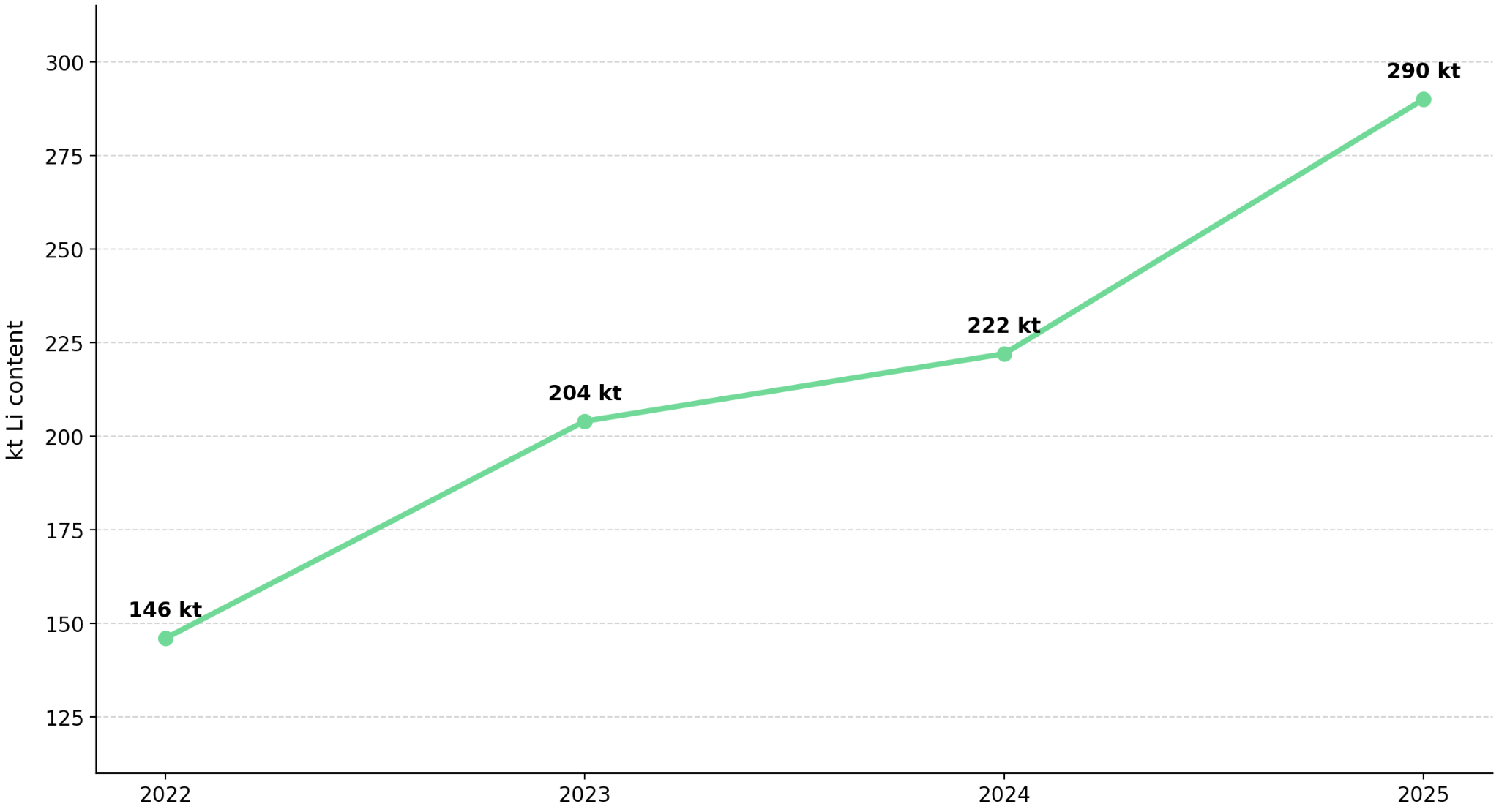
By September 21, the most actively traded lithium carbonate contract on the Guangzhou Futures Exchange closed at RMB132,500 per tonne, 17.7% below its August 31 level. Record August spodumene imports strengthened expectations of a near-term supply build, showing that lower chemical inventories do not prevent new feedstock from restoring downward price pressure.
Two-way lithium-price volatility increases the importance of projects that can remain viable through weaker markets. Projects that depend on sustained high lithium prices carry more risk when new raw material enters the market quickly, while competitive costs and downside pricing protection provide greater flexibility. Viability across multiple price environments therefore matters more than maximum exposure to a lithium rally.
Battery Demand Draws Down Inventories
Stronger-than-expected stationary energy storage demand helped prevent the usual first-half lithium inventory build in 2026. Weaker pricing had already prompted production curtailments and delayed some capacity, limiting the supply response as storage demand pulled lithium chemicals through the chain faster than inventories could accumulate.
Global electric vehicle (EV) demand continued to grow in August, but regional performance remained uneven. Global EV sales rose 2% year over year to 1.83 million in August 2026, lifting January-August sales to 13.4 million, up 4% from the same period in 2025. European sales rose 36% year over year, while Chinese sales fell 11% year over year but increased 4% month over month, showing that demand growth remained regionally uneven.
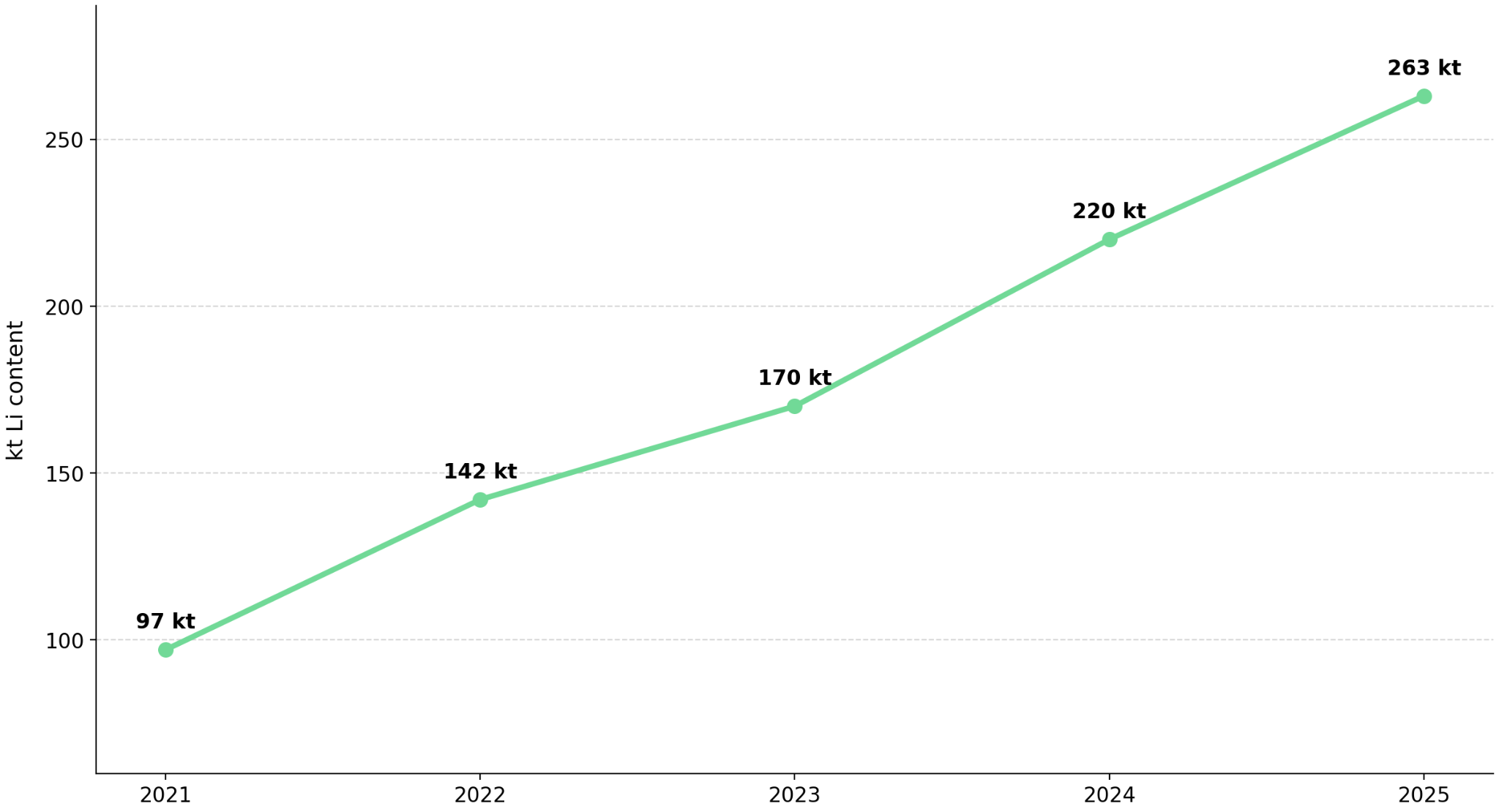
EV battery deployment reached 1.2 terawatt-hours (TWh) in 2025, almost 30% higher than in 2024, increasing lithium demand across the battery supply chain. When stronger demand meets a smaller chemical inventory cushion, less material is available to absorb changes in mine output or converter availability. Even modest supply disruptions can therefore produce larger short-term price moves.
Price Volatility Increases the Value of New Supply
Resilient supply depends on projects that can advance through both weak and strong lithium prices. Competitive costs and protected offtakes reduce downside exposure, while uncapped pricing preserves upside when tighter inventories lift prices.
Lithium Ionic has five-year take-or-pay agreements covering about 170,000 tonnes per year, with a US$1,000-per-tonne floor and no price ceiling. Engineering was approximately 65% complete as of June 11, while the completed Salinas sale delivered US$30 million at closing, with a further US$7.5 million in deferred consideration. The updates improve funding flexibility, provide downside price protection, and keep Bandeira progressing toward construction.
Blake Hylands, Chief Executive Officer of Lithium Ionic, describes China’s rising lithium demand and supply imbalance:
“It’s been really interesting to watch China continue to ramp up consumption and how much material they’re really going to need to supply some of these converters and to actually supply the battery market as it grows. There’s a huge disconnect between supply and demand in this market right now.”
Near-Term Balance Delays Deficit but Sustains Resilient Supply Need
Cambridge Energy Research Associates (CERA) places the lithium chemicals market near balance in 2026 and in surplus in 2027, limiting the case for an immediate shortage. Its August 21 Mid-Term Outlook does not show a deficit until 2033, when the shortfall reaches 82,000 tonnes, before widening to 188,000 tonnes in 2035, keeping the focus on supply resilience rather than near-term scarcity.
A lithium market near annual balance can still react sharply when inventories fall and individual supply sources underperform, while additional mine output can quickly restore downward price pressure. Annual supply-demand balances therefore need to be read alongside inventories, which determine how much buffer the market has against short-term supply changes.
Long-term lithium demand keeps resilient supply relevant beyond the current inventory cycle. Lithium demand is projected to rise more than threefold by 2040, led by electric vehicles, battery storage, and other energy technologies. Not every project is needed immediately, but projects that can advance through weaker prices can enter a much larger long-term market without depending on a near-term shortage.
The Investment Thesis for Lithium
- Lower chemical inventories increase sensitivity to supply disruptions, increasing the value of reliable mine output and projects capable of advancing toward production before the market enters a sustained deficit.
- Competitive operating costs improve resilience during weaker pricing, giving explorers greater flexibility when additional spodumene supply pressures lithium prices.
- Protected offtake structures reduce dependence on spot-market timing, while price floors and committed customers can support financing through weaker lithium markets.
- Capital discipline becomes more important during volatile lithium markets, as explorers that advance project development while limiting dilution can maintain progress toward production.
- Long-term battery demand supports the need for new lithium supply, but technically advanced projects with resilient economics are better equipped to progress than resources that depend on consistently high lithium prices.
Lower lithium inventories leave less room to absorb supply disruptions, but additional spodumene can still restore downward price pressure quickly. This two-way volatility increases the importance of projects with competitive costs, protected commercial arrangements, and credible progress toward production. As battery demand expands, projects able to advance through both stronger and weaker pricing can contribute future supply without depending on a near-term shortage.
TL;DR
China's lithium chemical inventories fell 10% through August 2026, leaving less material available to absorb supply disruptions, maintenance, restocking, or stronger demand. Lower inventories increase short-term price sensitivity but do not guarantee a shortage, as additional spodumene supply can quickly restore downward price pressure. Battery demand continues to expand, while long-term lithium consumption is projected to rise sharply through 2040. This two-way volatility strengthens the case for projects with competitive costs, protected commercial arrangements, capital discipline, and credible progress toward production rather than projects dependent on consistently high lithium prices.
FAQs (AI-Generated)
Analyst's Notes





Subscribe to Our Channel










Stay Informed


