




89% Fed Hike Odds Pressure Gold, but Softer Guidance Could Trigger a Rebound



Gold faces a stronger dollar and oil-led inflation, while 1,374-ton physical demand and dealer audits support its longer-term contrarian case.
- Spot gold fell 0.9% to $4,308.24 per ounce by 0907 GMT on September 14, its third consecutive weekly decline, while US gold futures fell 1.4% to $4,348.50.
- The CME FedWatch Tool priced an 89% probability of a Fed rate hike on September 16, up from 67% before the September 11 inflation report, increasing pressure on non-yielding gold.
- Goldman Sachs and HSBC target a 25-basis-point Fed hike on September 16, while the Bank of Japan targets an increase on September 18; hawkish guidance could deepen gold’s pullback, while a pause or softer outlook could support prices.
- With the September 16 outcome limited to an 89% implied probability, position sizing can control downside while preserving exposure to a potential rebound.
- The Federal Open Market Committee statement and dot plot on September 16 will indicate whether high rates extend gold’s decline or create a contrarian entry point.
Dollar Strength Pushes Gold Below $4,310 Despite Potential Fed Reversal
Spot gold fell 0.9% to $4,308.24 per ounce, its third consecutive weekly decline, while US gold futures dropped 1.4% to $4,348.50. The dollar reached its highest level in more than a week, making gold more expensive in other currencies and reducing demand.
August inflation accelerated, with core prices recording their largest monthly increase in four months. The data lifted the implied probability of a Fed rate hike from 67% to 89%, increasing the opportunity cost of holding non-yielding gold. The resulting pullback may offer a contrarian entry point if the Fed delivers softer guidance than markets have priced in.
Oil Rally Sustains Inflation Risk, Raising Rate Pressure on Gold
Higher policy rates lift returns on income-producing assets, increasing the opportunity cost of holding gold. Goldman Sachs and HSBC target a 25-basis-point Fed hike, while the Bank of Japan targets its own increase, potentially lifting global bond yields and pressuring bullion.
Oil rose roughly 3% after disruptions to Saudi energy infrastructure and Gulf shipping, while postponed regional talks extended supply uncertainty. Higher oil prices could sustain inflation and delay a pause in rate increases, creating further near-term pressure on gold. However, prolonged inflation could restore demand for gold as a store of value, turning rate-driven weakness into a contrarian opportunity.
Softer Fed Guidance Could Lower Real Yields & Stabilize Gold
An 89% probability of a Fed hike does not determine gold’s direction because the accompanying guidance will shape expectations for future rates. Giovanni Staunovo, UBS analyst, said markets have priced in the hike after the latest inflation data, while rising oil prices could keep the Fed “on a hawkish footing.”
A 25-basis-point hike with hawkish guidance would keep real yields elevated and could extend gold’s pullback. A hike with softer guidance could reduce expectations for further increases, stabilize gold and create a contrarian entry point. The Fed statement and rate projections will indicate which path is more likely.
Rising Real Yields Test Gold as 25% Retail Demand Provides Support
Physically backed gold ETFs and unhedged spot positions absorb the full price decline because neither generates income to offset losses. Bar and coin buyers account for roughly 1,200 metric tons annually, or about 25% of global gold demand, making retail purchases a potential demand buffer during pullbacks. Physical bullion avoids ETF fees but usually offers less liquidity and slower execution.
A gold position should be sized according to whether it targets a full rate cycle or a single Fed decision. Long-term positions can withstand an adverse announcement and retain exposure to a contrarian rebound, while short-term trades face a binary outcome. An 89% hike probability cannot predict gold’s response, so position sizing remains the main control against immediate losses in unhedged spot and ETF holdings.
Dealer Audits Could Expand Gold Demand by Closing Trust Gap
Gold competes with interest-bearing assets, so higher real yields can outweigh central bank buying and pressure prices after an inflation surprise. The bearish case weakens if the Fed raises rates but signals an extended pause, allowing real yields to stabilize. The Fed statement and dot plot will test that scenario.
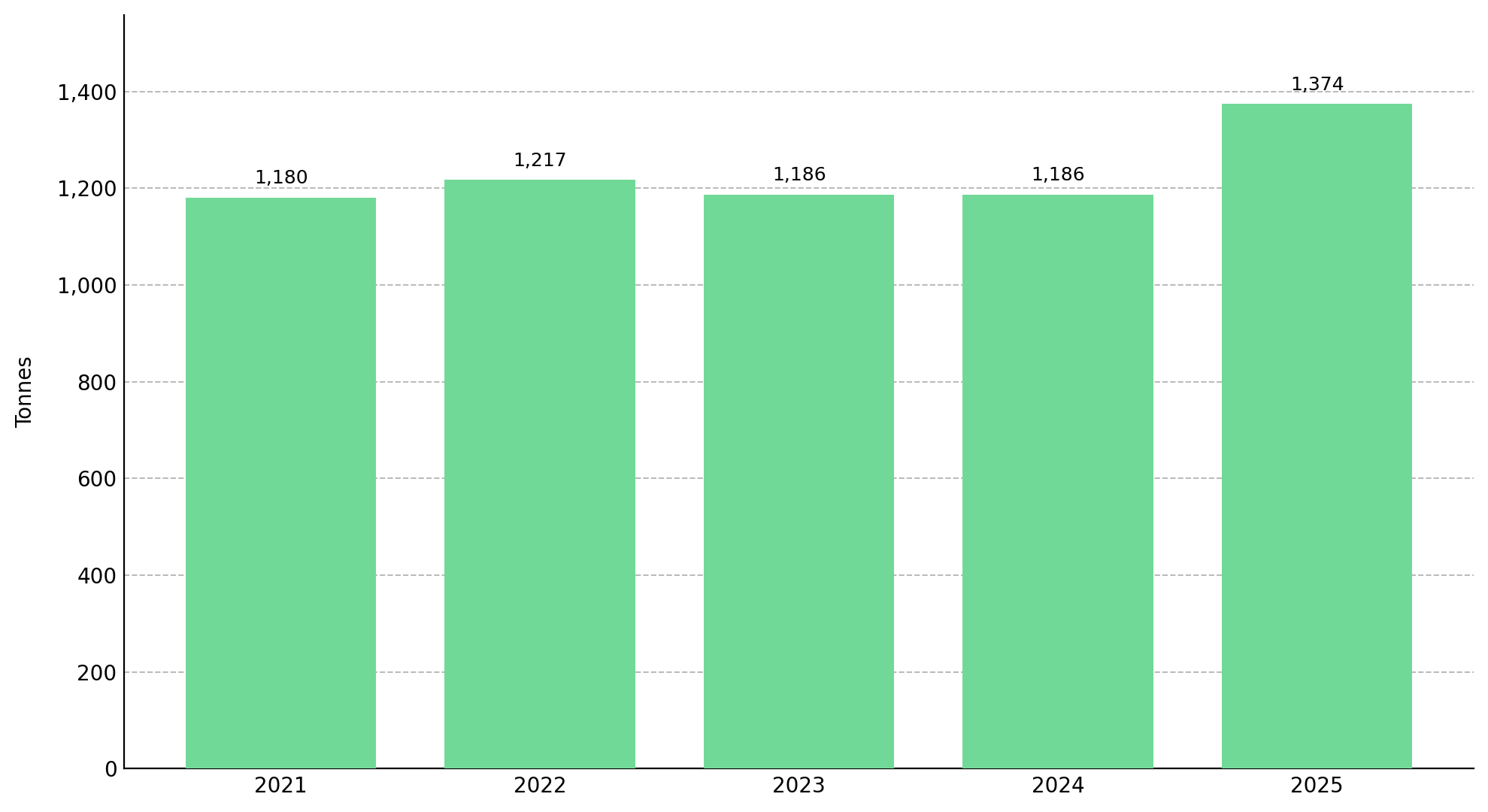
The longer-term demand case remains intact. Bar and coin demand reached a 12-year high of 1,374 metric tons in 2025, according to the World Gold Council’s January 2026 Gold Demand Trends report. The Gold Dealer Assurance Standard introduces dealer audits in the fourth quarter, which could reduce trust barriers and support demand beyond the current rate cycle.
Analyst's Notes





Subscribe to Our Channel







Stay Informed






















