ATHA Expects More Higher-Grade Sub-Zones Along Its 3.4-Kilometer Trend


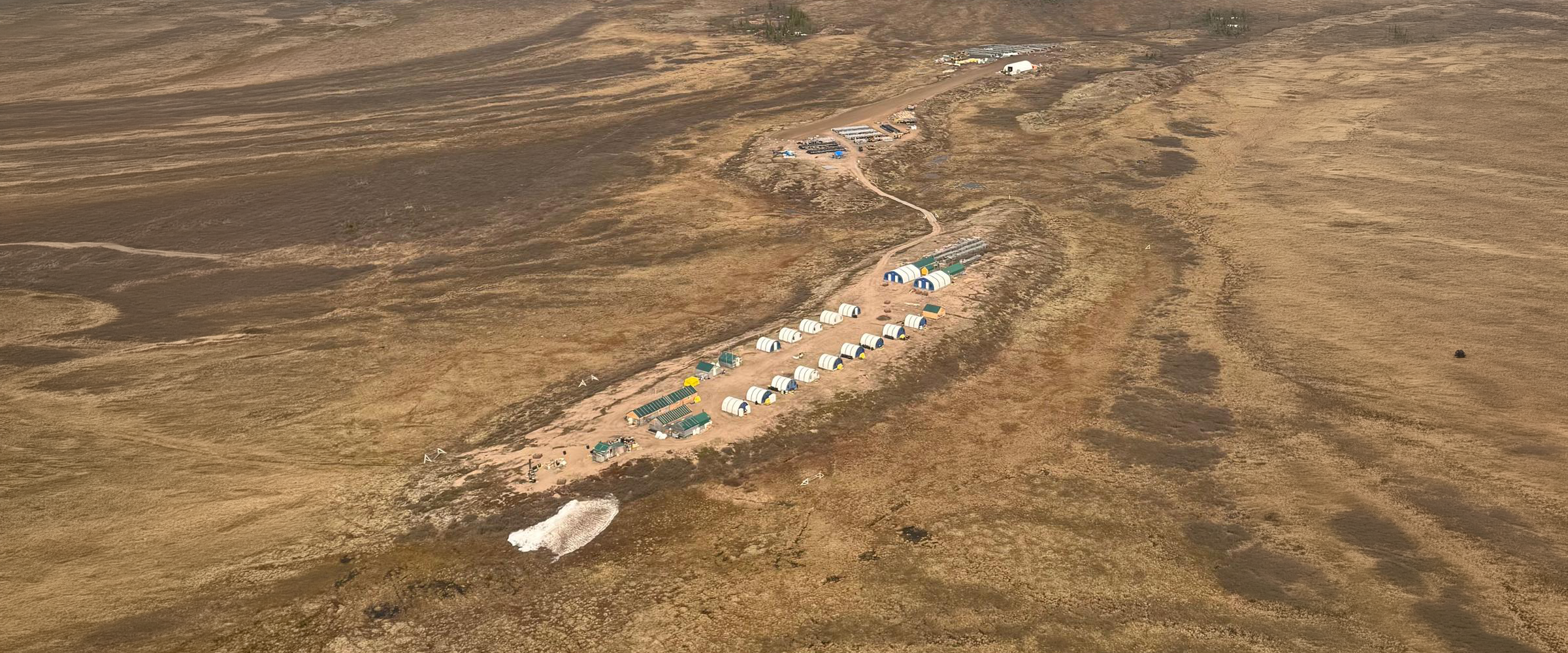
An approximately 300-meter higher-grade sub-zone on ATHA Energy's 3.4-kilometer Angilak uranium trend sets the pattern its next drilling will test.
- ATHA Energy closed its 2026 Angilak drilling with 3.4 kilometers (km) of uranium continuity on the Eastern Limb.
- A higher-grade, thicker sub-zone measures about 300 meters (m) along-strike and 300 m down-dip and remains open.
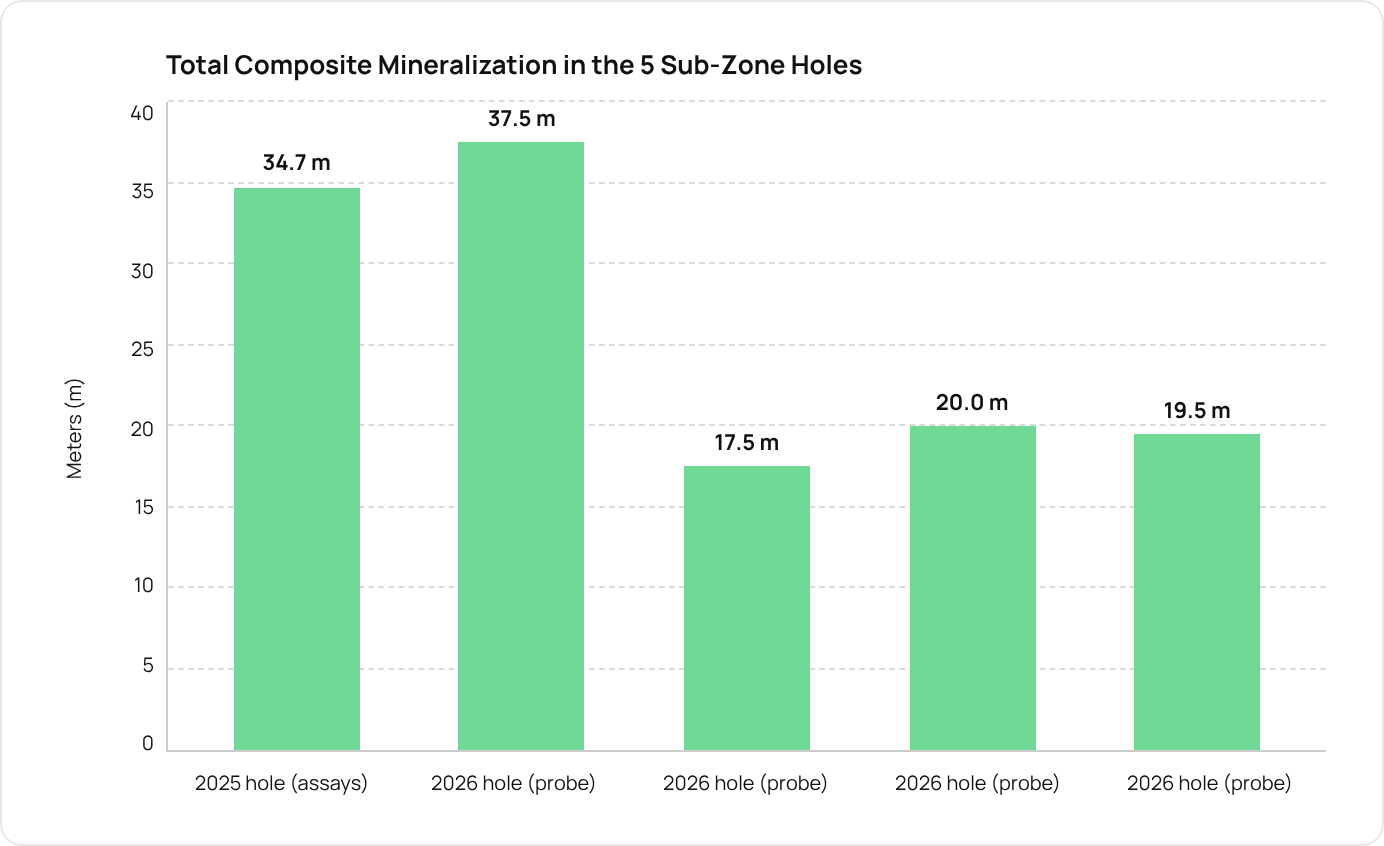
- Five holes define the sub-zone, the widest at 37.5 m of total composite mineralization.
- More areas like the sub-zone are expected along the 3.4 km as drilling tightens, by management's estimate.
- Assays from the Saskatchewan Research Council will test the 4 probe-based widths in the sub-zone.
What Has Happened
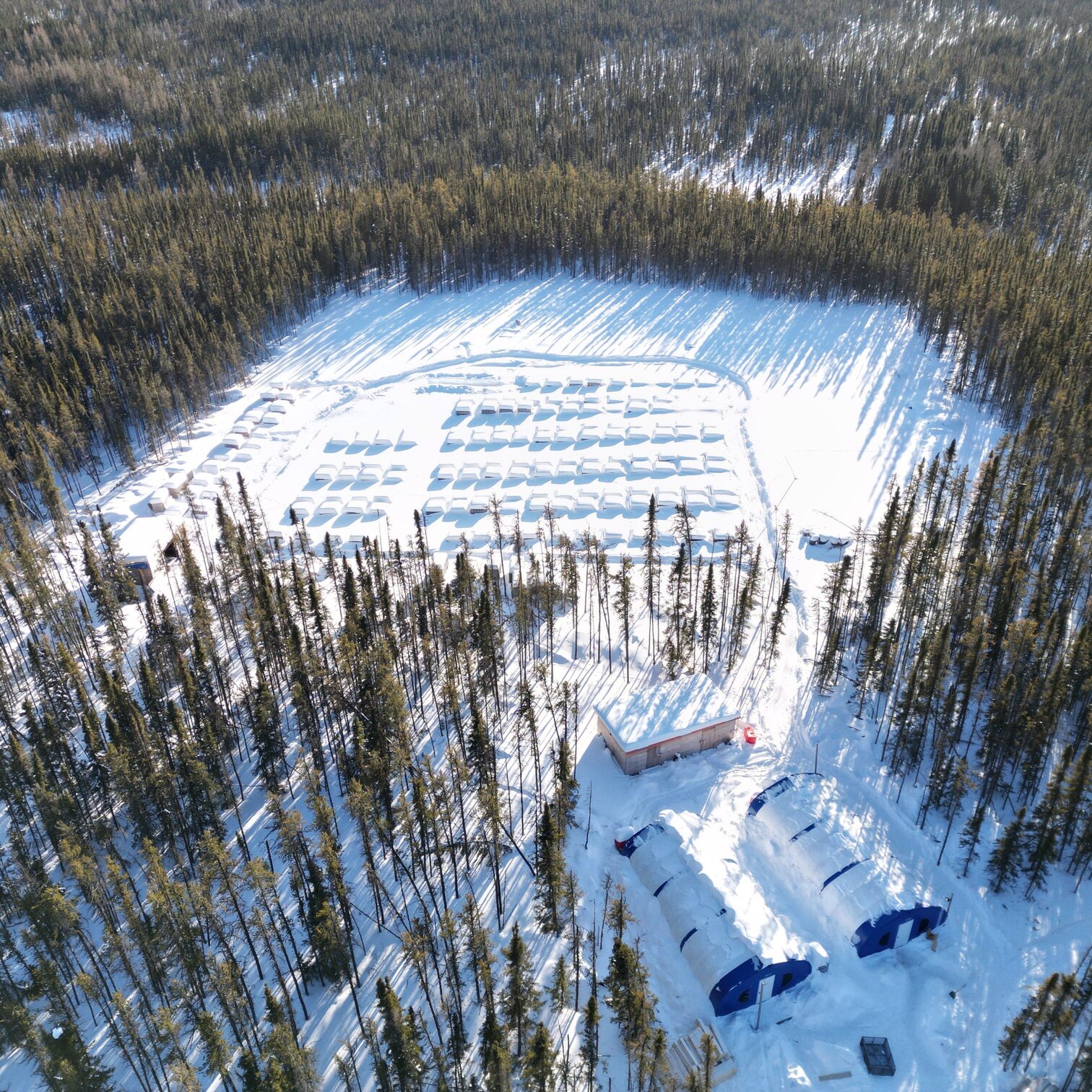
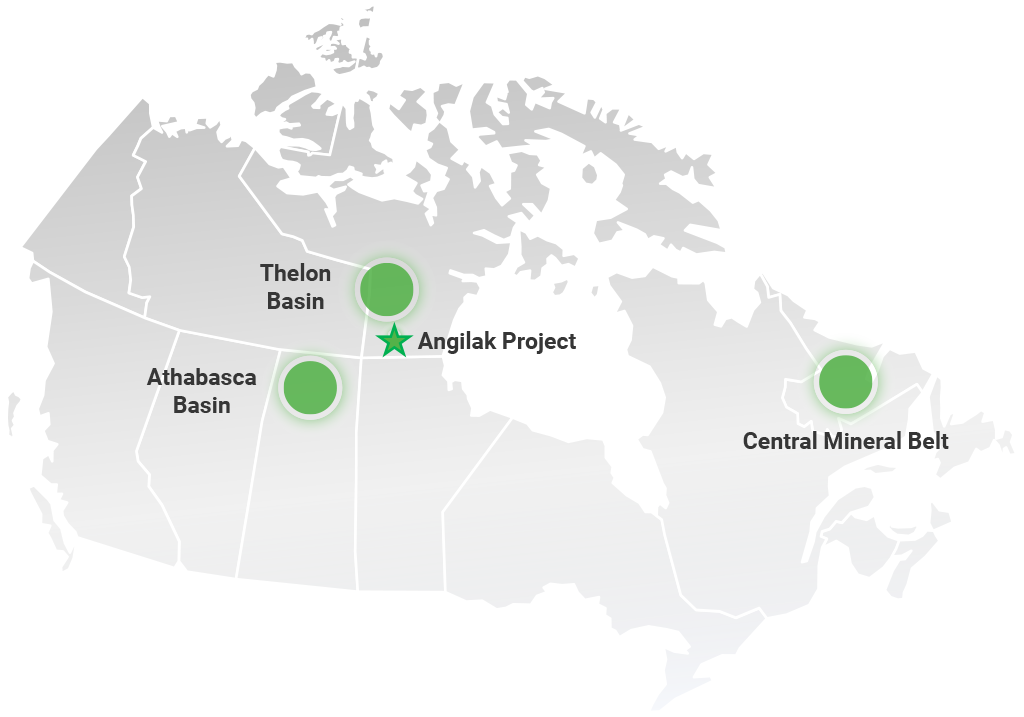
ATHA Energy (TSXV: SASK | FRA: X5U | OTCQX: SASKF) has concluded its 2026 Angilak Exploration Program at the 100%-owned Angilak Uranium Project in Nunavut and released preliminary results from its final holes on October 7, 2026. The company drilled 23 diamond drillholes along the Mineralized RIB Corridor, and 21 intersected uranium mineralization, including all 7 of the final holes. That drilling connected the RIB North and RIB East discoveries, expanding mineralized strike length from 1.45 kilometers (km) to 3.4 km along the Eastern Limb of the corridor.
The 2026 drilling also identified a higher-grade, thicker sub-zone close to the 2025 discovery hole. It currently measures about 300 meters (m) along-strike and 300 m down-dip, measured down the slope of the mineralized structure, and, like the rest of the Eastern Limb, remains open and unconstrained. Assay samples from the 2026 holes have gone to Saskatchewan Research Council laboratories in Saskatoon.
What the Sub-Zone Contains
Five holes define the sub-zone, and they intersect similar thicknesses, apparent grades, and multiple stacked mineralized structures. The 2025 discovery hole returned 34.7 m of total composite uranium mineralization, the combined length of the mineralized intervals in a hole, based on assays. Four 2026 holes returned 37.5 m, 17.5 m, 20.0 m, and 19.5 m based on preliminary radioactivity readings.
The newest of the 5 holes, about 250 m northeast of the discovery hole, was aimed about 100 m down-dip of the 20.0 m hole and 150 m along-strike from the 37.5 m hole. It intersected 19.5 m of total composite uranium mineralization across 14 zones between 180.0 m and 777.5 m downhole, including 2.0 m of high-grade material. ATHA classifies any interval reading above 10,000 counts per second on its downhole gamma probe as high-grade. The hole's best interval ran 2.5 m from 582.0 m depth, averaging 6,865 counts per second with a peak of 26,327 counts per second over 0.1 m.
That targeted hole identified the sub-zone. ATHA now has an outlined block of about 300 m by 300 m where similar thicknesses and apparent grades recur from hole to hole.
How Grade Concentrates in a Uranium System
The discovery hole's assays show how unevenly metal is distributed inside a wide composite. Its 34.7 m total includes a 13.6 m interval grading 0.533% uranium, within which 1.1 m graded 4.814% and 0.5 m graded 8.160%. A 12.0 m interval higher in the hole graded 0.125%, including 0.5 m at 2.730%, while 5 thinner intervals of 0.5 m to 2.5 m graded 0.011% to 0.043%.
Chief Executive Officer of ATHA Energy, Troy Boisjoli, sets the 3.4 km against the way metal usually distributes through a resource:
"You have 85% of the metal, and 15% of the volume is typically how that works out. And then you think about that in the global context, where we have 3.4 km, over the entire strike length of that, we have uranium mineralization over the entire thing."
Boisjoli treats the sub-zone as the first of several rather than a finished target:
"As it relates to the sub zone, that's just an identification of an area that has greater thickness and increased grade of mineralization locally within this 3.4 km. That we expect as drill resolution increases that we see multiple areas like that through that 3.4 km trend."
At the current drill resolution, the plunging mineralized trends inside the 3.4 km, the inclined directions along which mineralization extends at depth, are not yet defined. Closer drilling along the Eastern Limb will show whether other blocks share the sub-zone's thickness and grade profile.
The Trend Beyond the Sub-Zone
High readings also occur farther along the trend. One step-out hole, drilled about 850 m northeast of the discovery hole, intersected 2.5 m of composite mineralization across 3 zones, including 0.6 m of high-grade material. It returned some of the highest-grade mineralization to date at RIB North. Its best interval ran 1.5 m from a depth of 739.0 m, averaging 17,593 counts per second and peaking at 78,785 counts per second over a 0.1 m interval.
A hole about 1.2 km northeast of the discovery hole intersected 5.5 m across 6 zones between 490.5 m and 687.5 m downhole. It sits at the northeast extent of the Eastern Limb tested so far, and the corridor remains open and unconstrained for potential further step-outs in that direction. On the Western Limb, a secondary horizon has been traced over about 220 m, with early indications that it may connect with the RIB West discovery over a possible strike length of about 3.0 km.
The limit on the system along-strike, down-dip, and up-dip is the amount of drilling completed, in management's view. In 2025, ATHA stepped out aggressively to address discovery risk, and every hole in that widely spaced drilling hit mineralization. The 2026 program set out to outline and define continuity, using fences, lines of drillholes, spaced 150 m to 300 m apart across the 3.4 km.
What Probe Widths Show Before Assays
A downhole gamma probe measures natural radioactivity along a drillhole and reports it in counts per second before any laboratory analysis of grade is performed. ATHA counts an interval as mineralized if it exceeds 300 counts per second over a distance of 0.1 m. It lowered that threshold from 500 counts per second after 2024 and 2025 assays showed that results above 300 counts per second typically return above 0.01% uranium oxide. All reported intercepts are core widths, and true thickness is yet to be determined.
True width is a measurement question that Boisjoli ties directly to infill density:
"We collect oriented core on every drill hole, which means that every structure that is mineralized, we have an actual measurement on the orientation, the attitude of that. And when you start to increase drill resolution, then that comes down to a detailed 3D interpretation based on drill results."
The clearest calibration so far comes from the discovery hole. Over 426.25 m to 439.85 m, its probe averaged 4,824 counts per second with a peak of 55,731 counts per second, the stretch whose assays include the 8.160% interval.
Broader Context
At RIB North, mineralization occurs in the hangingwall and footwall, the rock above and below, of a single main controlling structure, a large-scale graphitic fault zone, with multiple stacked veins inside the mineralized envelope. Management compares that arrangement with other basement-hosted uranium deposits, those hosted in the older rock beneath a sedimentary basin, such as Eagle Point and NexGen Energy's Arrow. ATHA's team brings experience from discovery through production at McArthur River, Cigar Lake, Eagle Point, and Arrow.
ATHA is also working with subject matter experts on an interpretation that the Angilak area's uranium deposits result from an Orogenic Uranium-Rich Deposit Model, orogenic meaning formed during mountain-building. Management summarizes the model's implications as a large-scale, structurally controlled system with deep roots. The company plans to document the foundation for that interpretation during the current quarter.
What to Watch Next
Assay results from the Saskatchewan Research Council will put laboratory grades against the sub-zone's probe readings. ATHA also plans to document the technical basis for its orogenic interpretation and to release preliminary results from the Lac 50 Deposit Corridor, including the Lac 50 NW discovery area.
On the Eastern Limb, the remaining work is drilling to add detail to a known system, with no new discovery required, according to management's assessment. The C$63 million ATHA raised in the first quarter of 2026 provides it with a capital runway through the 2027 program. That next phase is a delineation program within the parameters of the established 2026 drilling, with a portion of the work still directed toward discovery. That program has a measurable template in the first sub-zone: about 300 m by 300 m of similar thicknesses and apparent grades, now to be tested elsewhere along 3.4 km.
FAQs (AI-Generated)
Analyst's Notes





Subscribe to Our Channel







Stay Informed