




Atlas Salt's Road to 2030: The Milestones That Will Define the Great Atlantic Salt Project


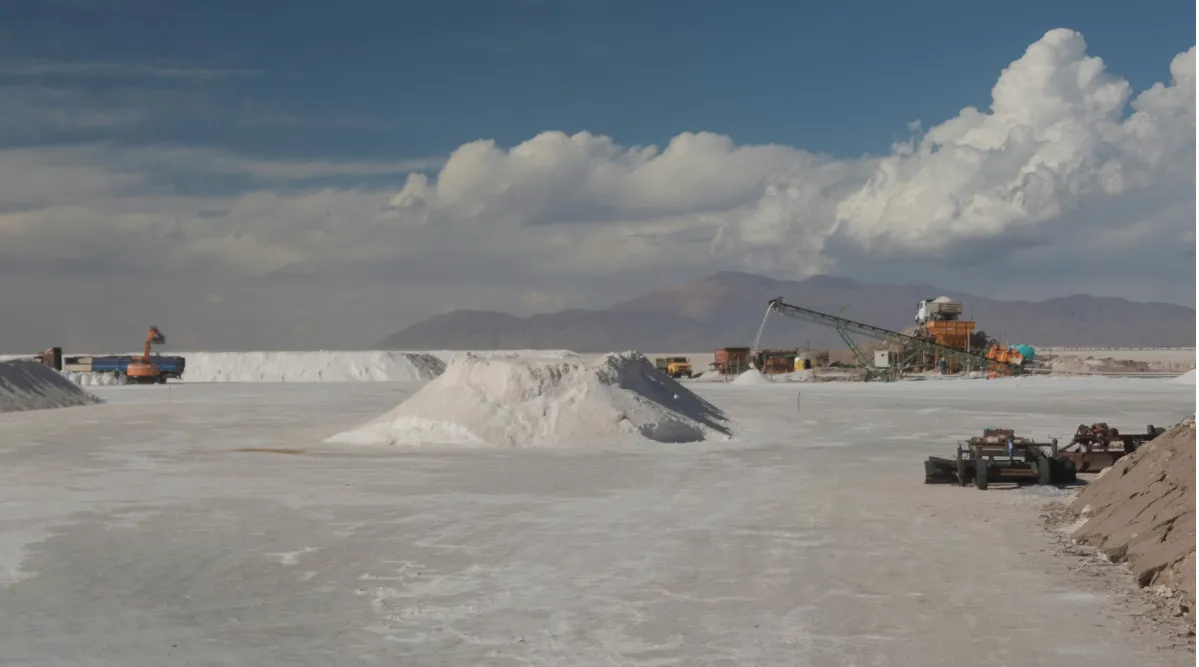
Site preparation has begun at the Great Atlantic Salt Project but the work now underway is the first step in a sequenced build plan that runs to first production by 2030.
- Atlas Salt has commenced site preparation activities at the Great Atlantic Salt Project in Newfoundland, Canada, marking the first physical construction activity at the site following government approval of an early works development plan.
- The early works package covers permitted land clearing, grubbing, and site preparation required to establish the mine site footprint, with the company advancing construction activities as financing for the main project package is being secured.
- The company has engaged Endeavour Financial for project finance and lists securing a project financing package as a current milestone priority, targeting a debt-weighted structure intended to drive a re-rating of the company.
- Strategic agreements already in place include a memorandum of understanding (MOU) with Scotwood Industries targeting 1.25 to 1.5 million tonnes per year of offtake, a $132 million MOU for the provision of mining equipment and engineering support with Sandvik, and Hatch appointed as Lead Engineering Partner.
- The 2025 Updated Feasibility Study (UFS) confirmed an after-tax net present value at an 8% discount rate (NPV8%)of $920 million, an after-tax internal rate of return (IRR) of 21.3%, and an after-tax payback period of 4.2 years, with commercial production targeted by 2030.
What Has Happened
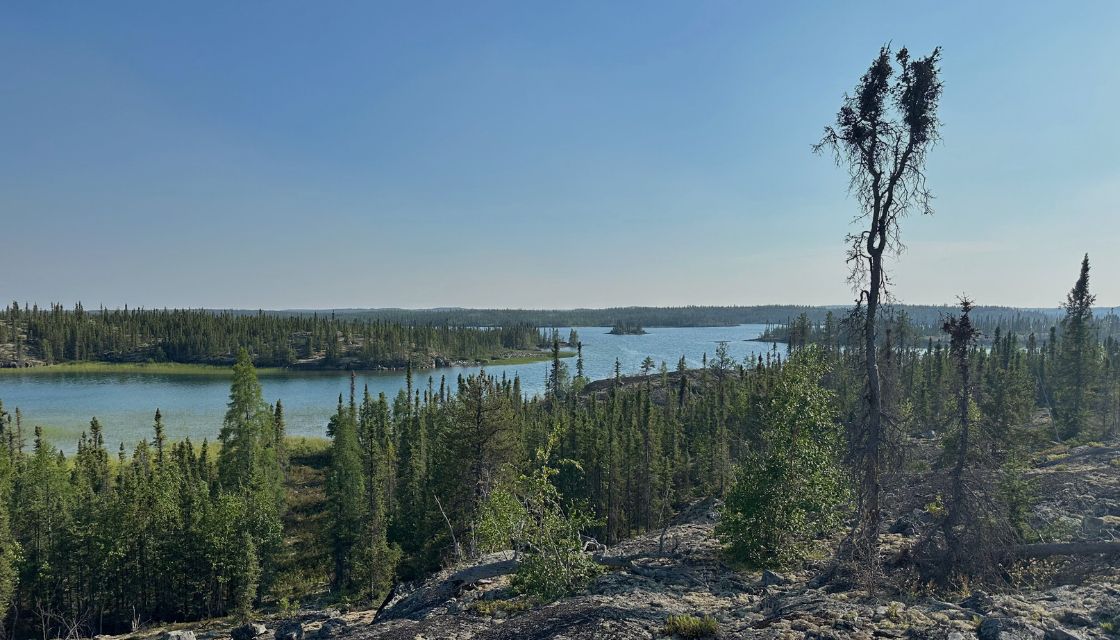
Atlas Salt (TSXV: SALT) has commenced site preparation activities at the Great Atlantic Salt Project on the west coast of Newfoundland, Canada. Initial activities include permitted land clearing, grubbing, and site preparation required to establish the mine site footprint, work that falls within an early works development plan approved by the Government of Newfoundland & Labrador. The commencement of these activities represents the first physical construction step at the project and follows the completion of a 2025 Updated Feasibility Study (UFS), an approved environmental assessment, and the securing of key strategic partnerships. The company is targeting commercial production by 2030.
What the Early Works Phase Covers
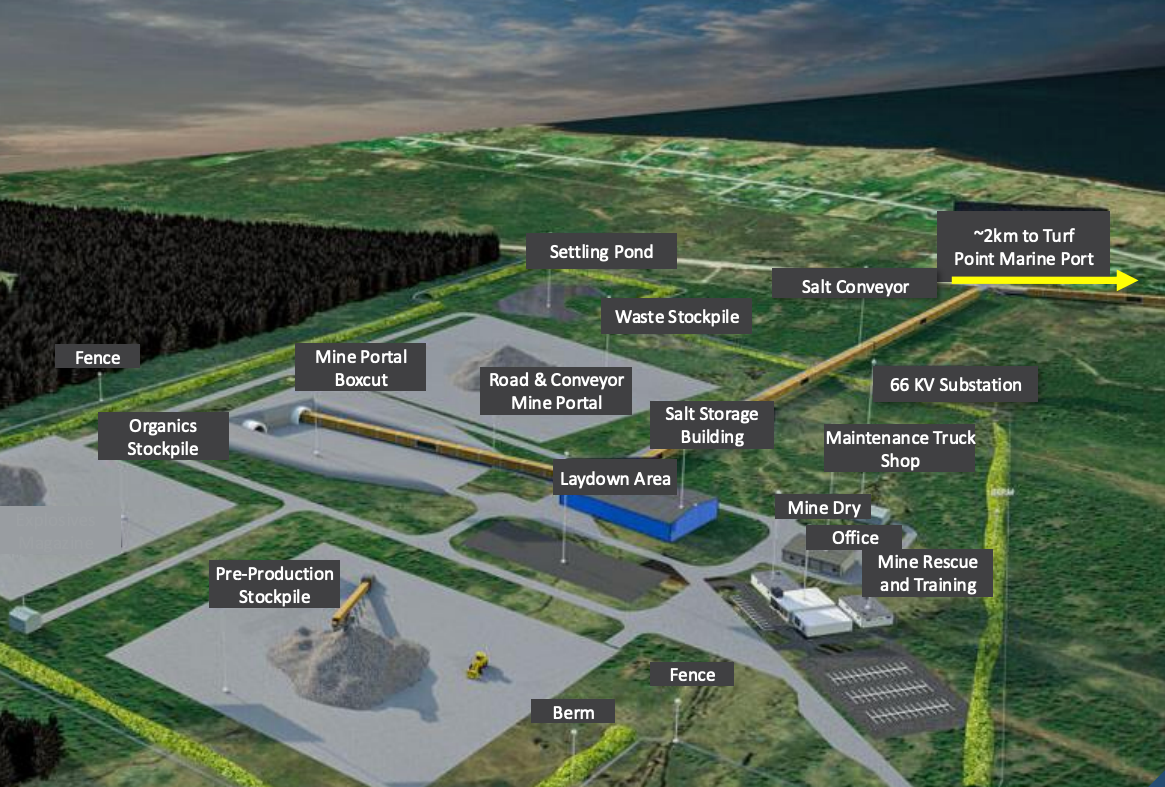
The early works package is a discrete construction phase operating alongside the main project financing process. Atlas Salt's pre-production capital expenditure (capex) confirmed in the 2025 UFS totals $589 million. Initial activities and site preparation are required to establish the mine site footprint and support subsequent construction phases. The significance of this sequencing is that construction is advancing in parallel with the financing process. The early works start signals increasing execution readiness and confidence in project advancement.
Chief Executive Officer of Atlas Salt, Nolan Peterson, addressed what distinguishes the project's risk profile from a typical mining development:
"We don't have those bottom three risks: metallurgical, block model geology, and stakeholder and permitting. We have no metallurgy on our project, salt deposits are very easy to define, and permitting is advanced on this project. As you know, we have an approved environmental assessment."
While the project avoids metallurgical complexity and has an advanced permitting position, execution risks typical of underground mine development remain relevant through the build phase.
The Financing Sequence & What Needs to Close
The early works phase bridges the period between the completion of feasibility-stage work and the close of the main project financing package. Endeavour Financial has been engaged for project finance. The company's milestone priorities include securing a project financing package and strategic partnerships. The company targets a debt-weighted financing package to support minimum equity dilution and believes securing project financing will drive a re-rating of the company.
Supporting the financing process, Atlas Salt has secured a memorandum of understanding (MOU) with Scotwood Industries, the largest distributor of packaged retail de-icing salt in the US, targeting 1.25 to 1.5 million tonnes per year of offtake. A $132 million MOU for the provision of mining equipment and engineering support with Sandvik was announced in February 2026. Hatch has been appointed Lead Engineering Partner and Integrated Project Delivery Partner, bringing proven experience delivering the world's largest soft-rock mines to the project team.
Project Economics & What They Support
The 2025 UFS, completed in September 2025, underpins the financing process and the construction timeline. Key outputs confirmed in the study include an after-tax net present value at an 8% discount rate (NPV8%) of $920 million, an after-tax internal rate of return (IRR) of 21.3%, an after-tax payback period of 4.2 years, and an average annual post-tax free cash flow (FCF) of $188 million over a 24.3-year mine life. The 2025 UFS represented a 66% improvement in NPV over the 2023 FS, driven by an increase in nameplate production capacity from 2.5 to 4 million tonnes per year and an 18% reduction in all-in sustaining cost (AISC) to $34.90 per tonne free on board Turf Point.
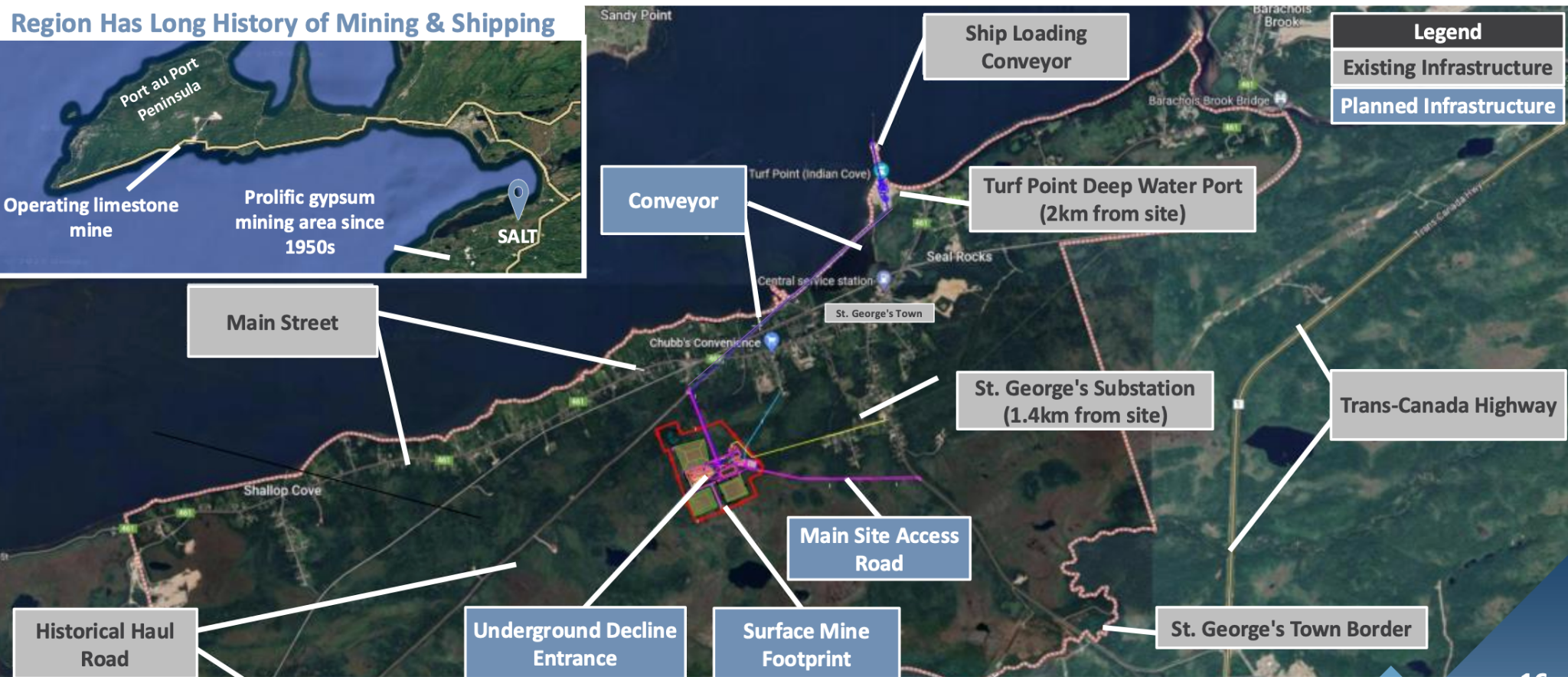
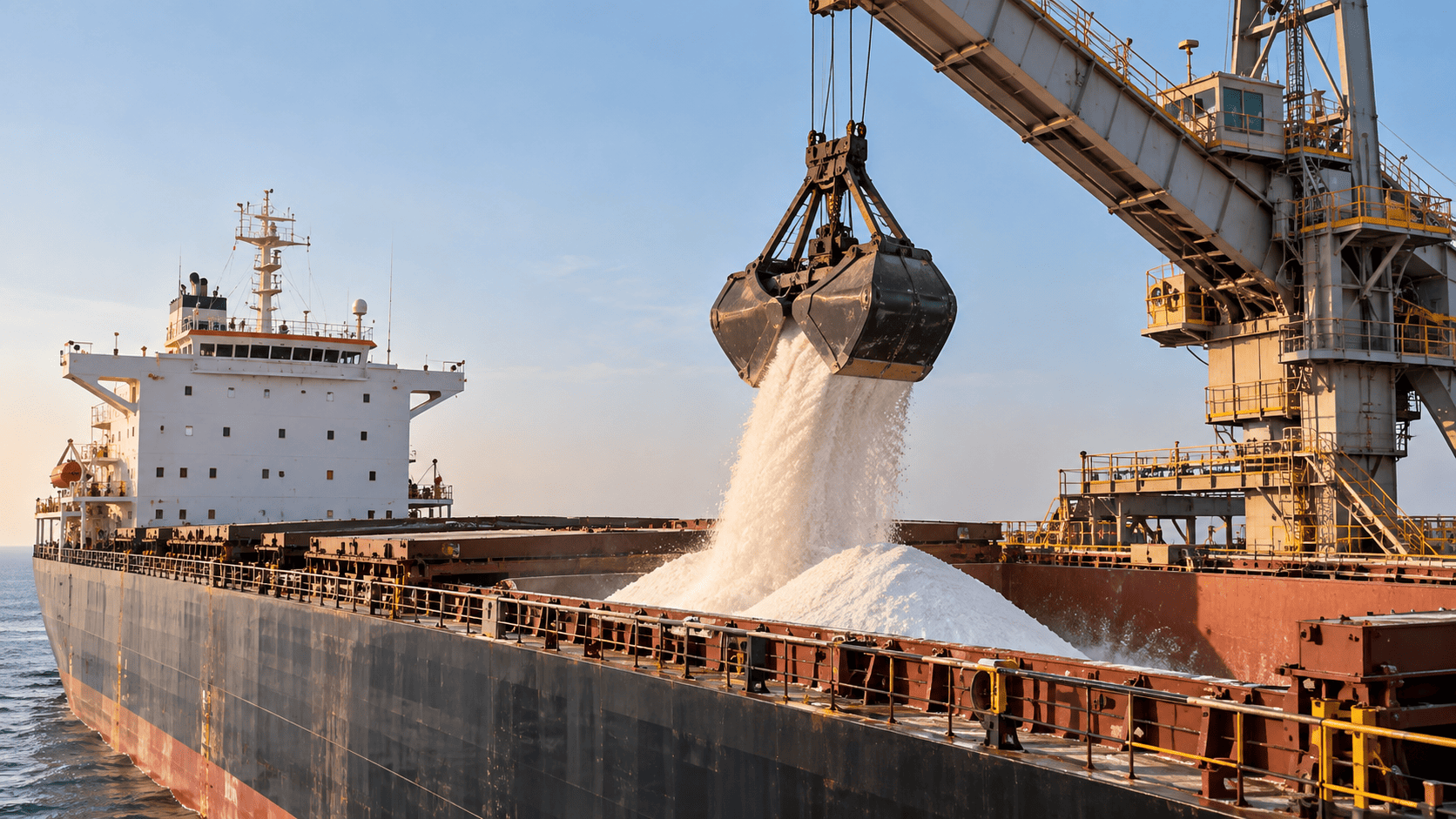
The project's cost structure benefits directly from its deposit geometry and location. The Great Atlantic Salt deposit sits at approximately 180 metres below surface, accessible via a decline rather than the shaft-sinking required at legacy operations running 300 to 700 metres beneath lakes. The Turf Point deep-water port sits 2 kilometres from the mine site, connected by a planned enclosed conveyor, enabling continuous movement of salt to the port with minimal re-handling. The mine is designed to operate on a fully electric basis, powered by clean hydropower, with Scope 1 greenhouse gas (GHG) emissions of 79 tonnes per year confirmed in the Atlas Salt ESG Report from August 2024. The demand side of the economy is also structurally distinct from most mining commodities.
Peterson described the customer base in the same interview:
"The primary customer for our salt is cities and governments, and they are, in many cases, legally obligated to purchase salt to de-ice roads for liability reasons. This is the best customer anybody could ever ask for - they're forced to buy your product."
Short-term pricing can see upside pressure during cold winters or periods of fuel shortages, as much of the region's salt is imported.
Broader Context: Where This Sits in the Development Cycle
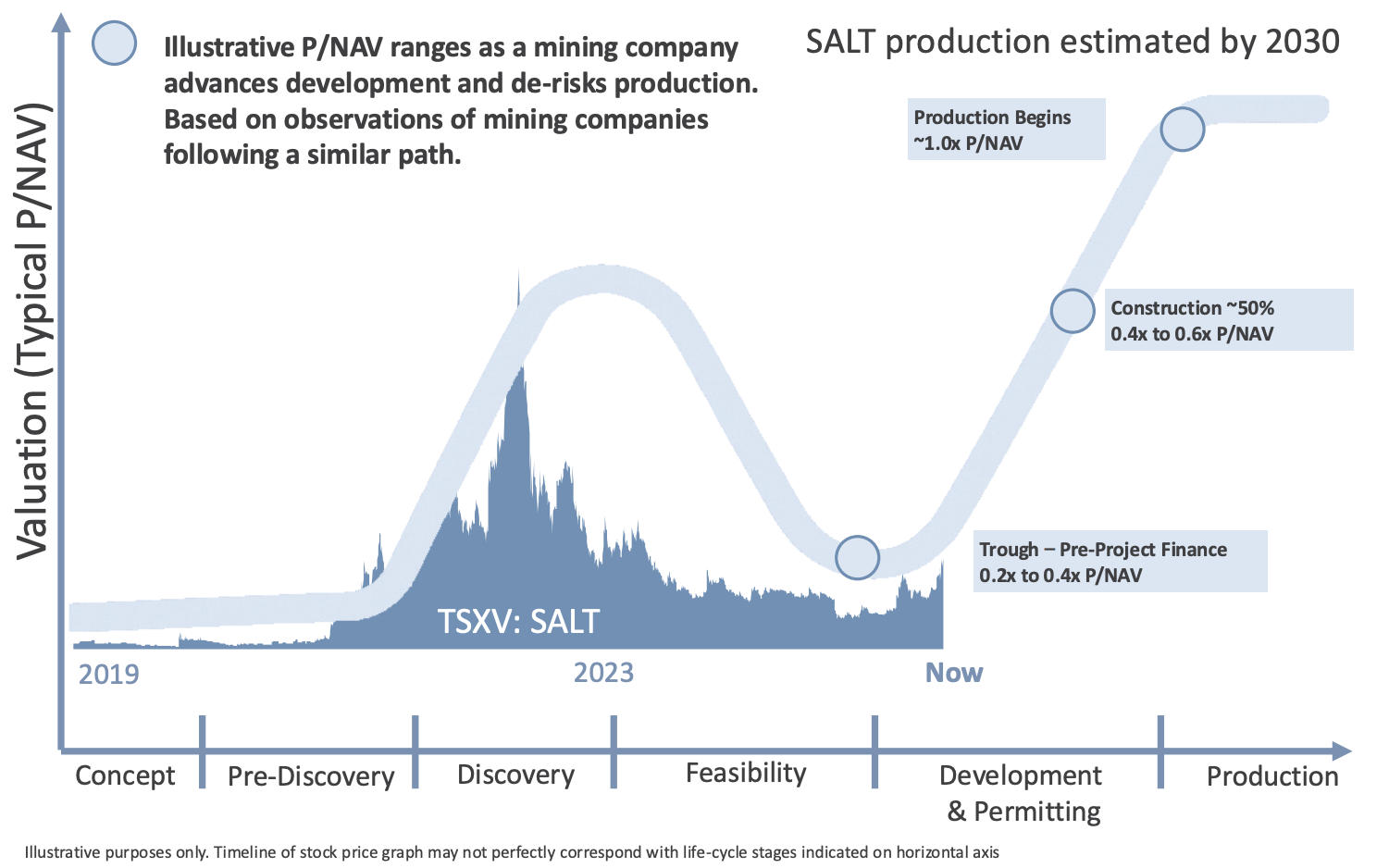
The commencement of site preparation places Atlas Salt at the transition point between the feasibility and development phases. According to the Lassonde Curve framework, projects at this pre-project finance stage typically trade in a 0.2x to 0.4x price-to-net asset value (P/NAV) trough, before re-rating toward 0.4x to 0.6x P/NAV at the construction midpoint and approximately 1.0x P/NAV at first production.
This transition occurs against the backdrop of a structural supply gap: North America has not opened a new salt mine since 2001 and currently imports 8 to 10 million tonnes per year of de-icing salt. The Great Atlantic Salt Project's planned 4 million tonnes per year of production is designed to displace a portion of these imports across Atlantic Canada, Quebec, and the US East Coast corridor, which consumes 11 to 16 million tonnes annually. The project's location in Newfoundland & Labrador provides a supportive jurisdictional context for this development timeline.
What to Watch Next
The consequential near-term milestone is the close of the main project financing package, with Endeavour Financial engaged for project finance. The company targets a debt-weighted financing package and believes its closure will drive a re-rating of the company toward construction-stage multiples. Alongside financing, early works construction activities, strategic partnership announcements, and confirmation of remaining permits arising from the environmental assessment represent the near-term developments to track as the project advances toward its 2030 production target.
FAQs (AI-Generated)
Atlas Salt has commenced site preparation activities at the Great Atlantic Salt Project on the west coast of Newfoundland, Canada. Initial activities include permitted land clearing, grubbing, and site preparation required to establish the mine site footprint, all within an early works development plan approved by the Government of Newfoundland and Labrador.
The early works package covers permitted land clearing, grubbing, and site preparation required to establish the mine site footprint and support subsequent construction phases. The early works phase represents physical construction execution reflecting disciplined progress and growing momentum, while the company also prioritises securing a project financing package.
Securing a project financing package is a key milestone priority for the company, with Endeavour Financial engaged for project finance. The company targets a debt-weighted financing package and believes its closure will drive a re-rating of the company.
The 2025 UFS confirmed an after-tax NPV8% of $920 million, an after-tax IRR of 21.3%, an after-tax payback period of 4.2 years, and an average annual post-tax FCF of $188 million over a 24.3-year mine life at 4 million tonnes per year of nameplate production capacity.
Atlas Salt is targeting commercial production by 2030. Key remaining milestones include the close of the project financing package, progression of early works construction activities, strategic partnership announcements, confirmation of remaining procedural permits, and developments related to Hatch acting as the Lead Engineering Partner.
Analyst's Notes





Subscribe to Our Channel




.jpg)
Stay Informed


