Atomic Eagle Target +100Mlbs Zambian Uranium Resource by Year-End


.webp)
Atomic Eagle scales proven Zambian uranium asset toward +100Mlbs, 4-5M lbs/year production by 2030. Experienced team, $19M funded drilling, undervalued vs peers, Niger optionality.
- Experienced uranium development team working on Muntanga project in Zambia, recently increasing resource 24% to 58.8 million pounds at 309 ppm with $19 million cash position
- Exceptional heap leach characteristics including 90%+ recoveries, 21-day leach kinetics, and extremely low acid consumption (20 kg/ton) create scalability opportunity that previous operator couldn't capitalise on
- Aggressive 2026 drill program targets 50,000+ meters across 10 discrete targets using cost-effective gamma probe technology ($45/meter) to grow resource toward 100+ million pound target, with largest program since 2007 starting April
- Current resources could support 3.9 million pounds per annum for 12 years; targeting 4-5 million pounds per annum by circa 2030 with updated feasibility study in 2027, comparable to Bannerman's development model
- Niger optionality: Secondary 116 million pound asset (1,300 ppm) being negotiated back from government with update expected first half 2026, currently assigned zero value by market despite $170 million previous investment by GoviEx
As uranium markets tighten with strategic players securing long-term supply agreements, Atomic Eagle (ASX:AEU) has positioned itself with a technically proven asset in a tier-one African jurisdiction. The company's CEO Phil Hoskins outlined an aggressive resource expansion strategy designed to unlock economies of scale that eluded the project's previous owner. With an experienced team that has successfully brought uranium projects into production and $19 million in the treasury, Atomic Eagle represents a focused development play rather than speculative exploration.
The Muntanga Project: Technical Foundation
The Muntanga uranium project in Zambia stands on solid technical ground, having completed an NI 43-101 feasibility study - equivalent to Australian DFS standards - twelve months ago. The project's resource has grown from 47 million pounds to 58.8 million pounds at 309 ppm following recent drilling that cost just 5 cents per pound to add.
The technical characteristics distinguish Muntanga from typical uranium deposits. The heap leach operation achieves exceptional recoveries exceeding 90% with remarkably fast 21-day leach kinetics. Most significantly, acid consumption runs at only 20 kilograms per ton of ore treated - a parameter that experienced uranium developers immediately recognise as economically advantageous.
"The economics at $90 a pound didn't quite stack up, but to the trained eye of the guys with the uranium expertise in our group, they could see that these were the hallmarks of a project that would make economic sense. And the way to make it make economic sense is scale."
The previous feasibility study based on two central deposits (Dibbwi East and Muntanga) excluded satellite deposits that demonstrated profitability but were deemed too complex for initial operations. The recent 11 million pound resource addition came primarily from the Chisebuka satellite deposit, which remains open for expansion. Grades across the property range from 220 to 400 ppm within the Karoo sandstone basin, which hosts over 500 million pounds of uranium resources across southern Africa.
The Scale Strategy & Comparable Assets
The path to economic viability centers on achieving sufficient scale to optimise capital intensity. Hoskins pointed to Bannerman Resources as the closest technical comparable - both feature low-strip, high-recovery acid heap leach operations with similar processing routes and low acid consumption in favorable African jurisdictions.
The economics of scale become apparent in the capital comparisons. Bannerman's 8 million ton per annum plant carries a $350 million capex - only 20% higher than what GoviEx envisaged for a plant half that size. This demonstrates that significant production increases require only modest capital additions, dramatically improving project economics.
Without discovering another pound of uranium, Atomic Eagle's current resource base could support a revised mine plan. Forty-four percent of the existing resource wasn't included in last year's study. Incorporating all current resources plus the recent 11 million pound addition would yield a 12-year mine life at 3.9 million pounds per annum - approaching the company's 4-5 million pound annual production target.
Aggressive 2026 Drill Program
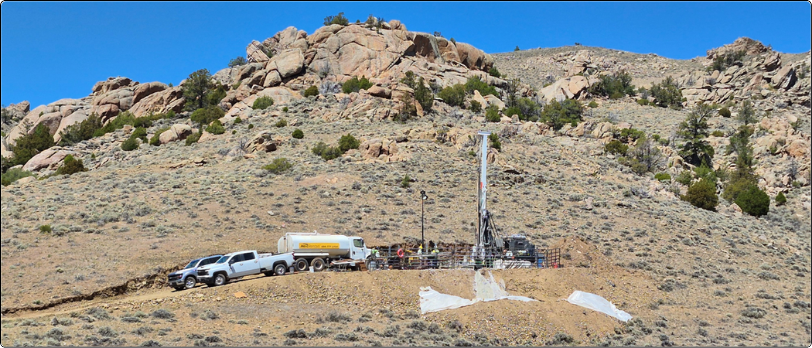
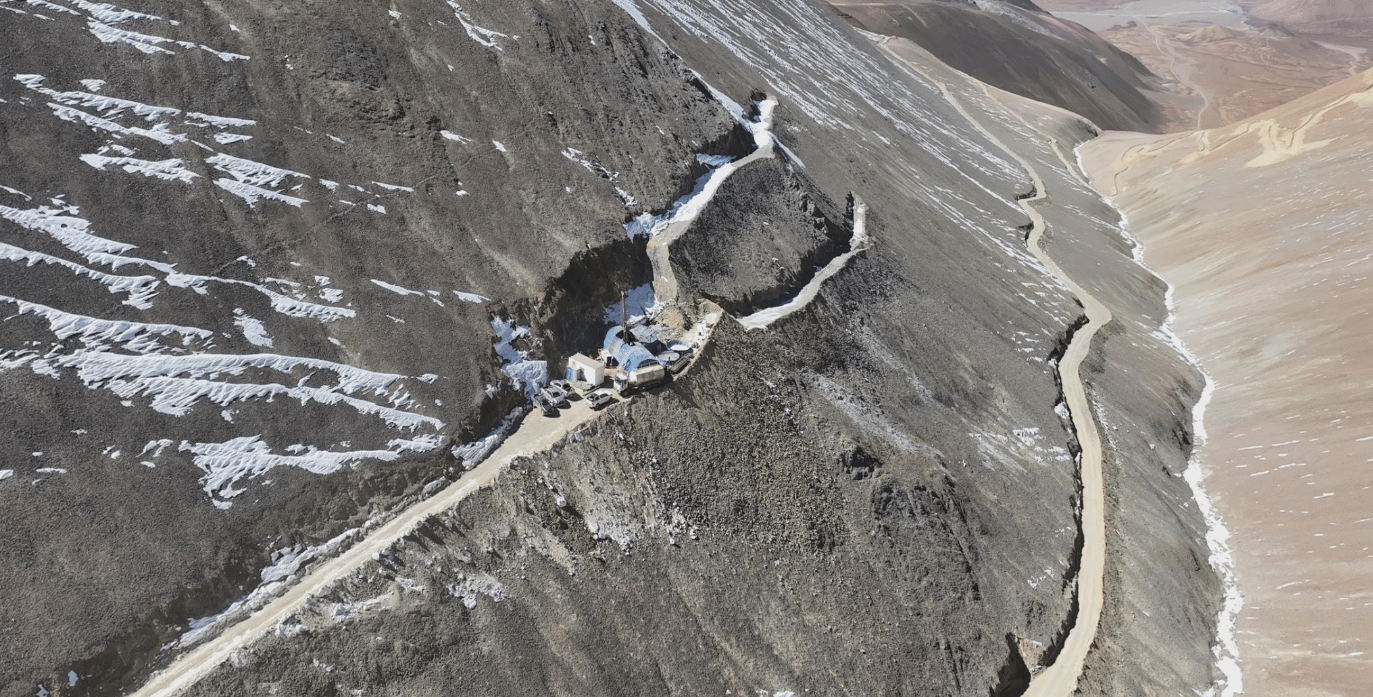
The largest drill program at Muntanga since 2007 commences in April 2026, with expectations to complete over 50,000 meters of drilling through the year. The program employs gamma probe technology that provides instantaneous uranium grade estimates based on radiation measurements, allowing rapid targeting adjustments and cost-effective exploration at $45 per meter all-in.
Initial drilling will infill the Chisebuka deposit where the recent resource addition occurred. The majority of 2026 targets represent new prospects - though not greenfield exploration. These ten discrete targets show coincident soil and geophysical signatures similar to known deposits across the property, all at substantial scale.
The exploration approach prioritises efficiency. Drilling on 400-meter spacing to 120-meter depth with vertical holes eliminates the need to recover samples in the exploratory phase. Gamma probes deliver real-time results, enabling quick decisions to terminate unproductive drill lines or follow up promising intersections.
By end of August 2026, Atomic Eagle expects to have tested all ten targets to 400x400 meter spacing using approximately 30,000 meters of the total program. The company plans progressive news flow rather than batching results for a single major announcement, respecting shareholder expectations for regular updates.
Interview with Phil Hoskins, CEO of Atomic Eagle
Development Timeline & Production Target
The company has established a clear development sequence designed to optimise value creation before committing to construction. The 2026 focus remains exclusively on resource growth to inferred category, with no intention to upgrade existing resources to measured and indicated classifications this year.
Environmental approvals and the relocation action plan were lodged through 2025 and are expected to be received in 2026, maintaining the project's development readiness. However, Atomic Eagle is deliberately avoiding a rush to production.
"We're not in a rush to get into production. There is no magical time horizon that we're trying to achieve. We just want to make sure that we're adding value diligently, doing the work properly."
The 2027 timeline targets an updated feasibility study incorporating the expanded resource base, additional metallurgical test work on new discoveries, and further infill drilling. This positions the company for a circa 2030 production start - a timeframe that aligns with anticipated uranium market tightness as strategic offtake agreements remove pounds from spot markets.
Zambian Jurisdiction Advantages
Zambia ranks among Africa's top mining jurisdictions, standing alongside Namibia in the Fraser Institute rankings. As the world's seventh-largest copper producer, the country offers established mining infrastructure, skilled labor availability, and a supportive regulatory framework.
Critically, Zambia imposes no free carried government interest in mining projects - a significant advantage over many African jurisdictions. The government actively supports mining sector diversification beyond copper and geographic expansion outside the traditional copper belt, creating favorable conditions for uranium development in southern Zambia.
Infrastructure requirements remain manageable. The project requires construction of a 20-kilometer road (included in capex estimates), but benefits from existing sealed road access. Export logistics run through Walvis Bay in Namibia, a permitted uranium export port, at an operating cost of approximately $1.40 per pound.
Niger Asset: Unvalued Optionality
Atomic Eagle inherited a secondary asset through the GoviEx acquisition: a 116 million pound uranium deposit in Niger grading 1,300 ppm - more than four times Muntanga's average grade. GoviEx invested $170 million developing this globally significant asset before government disputes led to international arbitration proceedings.
Since Hoskins joined in December 2024, discussions with the Niger government have escalated regarding returning the asset to the company under a new exploitation permit and mining convention structured to work with Western financiers. The CEO characterised the discussions as proceeding well, with an update expected in the first half of 2026.
"There is a very strong desire to see new uranium projects get built. Our particular discussions are around trying to get the project back as quickly as possible, which would be under a new exploitation permit, a new mining convention that would work for Western financiers, and the discussions so far are going really well."
The market currently assigns zero value to this asset despite its scale and grade. Recent North American roadshow feedback confirmed investors view Atomic Eagle as undervalued based solely on the Zambian asset, treating Niger as pure option value. The strategic value becomes clearer when compared to transactions like Global Atomic's development progress in Niger or Chinese strategic interest in African uranium assets.
Market Reception & Strategic Positioning
Atomic Eagle's first roadshow as the renamed entity generated exceptional feedback. Twenty-two meetings across Toronto and North America over three days, preceded by East Coast Australian meetings, introduced the company to institutional investors for the first time.
"The brokers we use said they can't recall better feedback on a roadshow for a small company our size. The feedback was really strong on the back of the Zambian asset and being undervalued off the back of that asset."
The company has deliberately avoided committing future production to offtake agreements, preserving equity investors' exposure to rising uranium prices. This strategy contrasts with debt-financed development models that typically require fixed-price contracts, capping upside potential. Hoskins cited Bannerman's strategic financing arrangement as a model that avoided debt-related price fixing while securing development capital.
Strategic interest in African uranium continues intensifying, with Chinese groups securing Bannerman and Indian entities signing long-term supply agreements with Kazatomprom and Cameco. This activity validates the thesis that stable jurisdictions capable of delivering near-term pounds circa 2030 will attract strategic capital on favorable terms when Atomic Eagle reaches that development stage.
The Investment Thesis for Atomic Eagle
- Muntanga Resource Expansion: 58.8 million pounds at 309 ppm following 24% resource growth from maiden drill program; 44% of current JORC resource excluded from the 2025 feasibility study represents ready-made feed for an expanded mine plan without a single new discovery required.
- Scale Economics Unlocked: Heap leach expansion expected to be low capital intensity. Bannerman's 8 Mtpa plant carries only 20% more capex than the GoviEx-era design for a plant half that size; achieving 4-5 Mlb pa production target requires resource growth, not a step-change in capital commitment.
- Exceptional Metallurgy: Greater than 90% recoveries, 21-day leach kinetics, and 20 kg/tonne acid consumption place Muntanga in the top tier of heap leach uranium projects globally; these parameters - recognised by experienced uranium developers - underpin the scalability thesis the previous operator could not capitalise on.
- Largest Drill Program in 18 Years: 50,000+ metre program across 10 discrete targets commences April 2026 at $45/metre all-in using gamma probe technology; exploration target of 40-100 million pounds provides the conceptual framework for a 100+ million pound resource base; Chisebuka remains open and will be drilled out in Q2.
- Valuation Discount to Peers: EV/M&I resource of A$3.12/lb compares to Bannerman at A$4.80/lb and Deep Yellow at A$6.56/lb; North American institutional roadshow feedback confirmed market views AEU as undervalued on the Zambian asset alone, with Niger treated as pure option value.
- Niger Optionality at Zero Value: Madaouela project (116 million pounds at 1,300 ppm, over four times Muntanga's average grade) currently assigned no market value; negotiations with the Niger government progressing toward a new exploitation permit and mining convention structured for Western financiers, with an update expected H1 2026.
- Tier-One African Jurisdiction: Zambia ranks third in Africa in Fraser Institute rankings, imposes no free carried government interest, and offers established mining infrastructure as the world's seventh-largest copper producer; export logistics run through Walvis Bay, a permitted uranium port, at approximately $1.40/lb
- Treasury Fully Funds the Program: $19 million cash (December 2025) supports the largest exploration program since 2007 without near-term dilution pressure; no offtake agreements signed, preserving full equity exposure to rising uranium prices.
- Strategic Buyer Backdrop: CNNC's acquisition of Bannerman and India's long-term supply agreements with Kazatomprom and Cameco validate the thesis that stable African jurisdictions capable of delivering credible near-term pounds will attract strategic capital; Atomic Eagle's circa 2030 production target aligns with anticipated market tightness as term agreements remove spot supply.
- Near-Term Catalysts: Q2 Chisebuka infill drilling results; progressive news flow from 10 exploration targets tested to 400x400 metre spacing by end of August 2026; Niger negotiations update H1 2026; ESIA and RAP environmental approvals expected 2026; updated feasibility study incorporating expanded resource base targeted for 2027.
TL;DR
Atomic Eagle offers leveraged exposure to uranium market fundamentals through a technically proven Zambian heap leach project being scaled by the team that built Boss Energy and Lotus Resources into producers. With $19 million funding the largest drill program since 2007 targeting 100+ million pounds, the company is executing a clear value creation pathway toward 4-5 million pounds per annum production circa 2030, while a 116 million pound Niger asset provides unvalued optionality. Market undervaluation versus peers based solely on the Zambian asset, combined with strategic uranium buyer interest in stable African jurisdictions, positions Atomic Eagle as a development play rather than pure exploration speculation.
FAQs (AI Generated)
Exceptionally low acid consumption (20 kg/ton), fast 21-day leach kinetics, and 90%+ recoveries are immediate indicators of favorable project economics. These parameters directly reduce operating costs and improve capital efficiency compared to typical uranium deposits.
Gamma probe technology provides instantaneous uranium grade estimates at $45/meter all-in costs, eliminating sample recovery needs in exploratory phases. This enables rapid retargeting of unsuccessful drill lines and quick follow-up on positive intersections across ten discrete targets.
International arbitration and government disputes created uncertainty around asset ownership and development pathway. Atomic Eagle is actively negotiating return of the asset under new terms, with a first half 2026 update expected to clarify the situation and unlock potential value.
Zambia ranks with Namibia as top-tier, offering no free carried government interest, established mining infrastructure as the world's 7th largest copper producer, skilled labor availability, and Fraser Institute-validated regulatory stability - critical factors for securing Western financing.
Completed NI 43-101 feasibility study provides bankable technical foundation versus greenfield exploration risk. Experienced team with uranium production track record at Boss Energy and Lotus Resources. Current resources already support near-term production pathway, with exploration adding scale rather than proving concept.
Analyst's Notes





Subscribe to Our Channel




Stay Informed