




Beneath Record Highs, Fragile Ceasefires and Liquidity Shifts Challenge Market Calm



Markets ignore Hormuz risk as SpaceX IPO dominates. Copper outperforms on supply cuts. Elliott enters Northern Star. Zijin-Allied deal faces Chinese regulatory friction.
- All three major US indices hit all-time highs simultaneously, reflecting broad equity market complacency toward ongoing Strait of Hormuz tensions.
- The anticipated $75 billion SpaceX IPO is absorbing substantial liquidity and media focus, crowding out commodities, bonds, and Bitcoin.
- Copper outperformed all major commodities in April, supported by production guidance cuts from Freeport, Ivanhoe, and Codelco, plus sulfuric acid supply risks tied to Hormuz.
- Chinese regulators have flagged Zijin Mining's Allied Gold acquisition as overpriced, raising questions about the pace of future Chinese M&A in the mining sector.
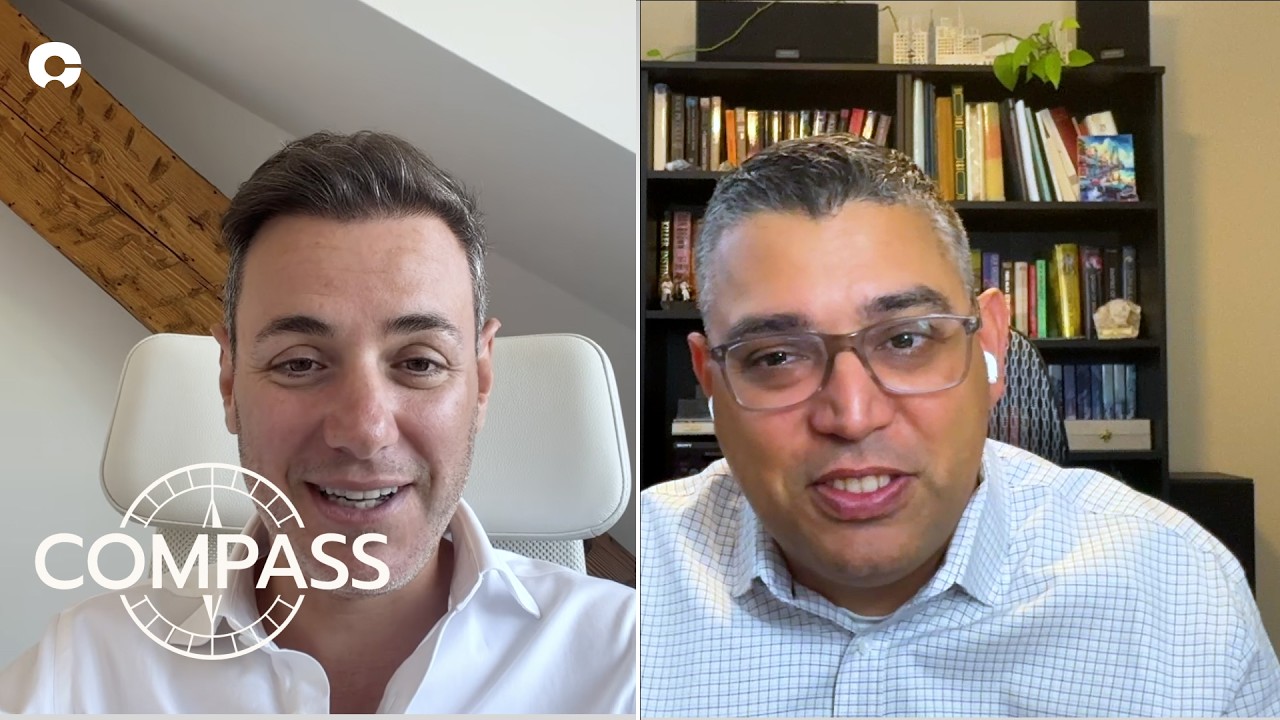
In their June 4, 2026 episode of the Compass podcast, Samuel Pelaez, President & CEO, and Derek Macpherson, Executive Chair, at Olive Resource Capital, reviewed key developments across global equity markets, commodities, and the mining sector. Recording approximately two weeks into an extended period of geopolitical tension centred on the Strait of Hormuz, the hosts observed that financial markets appeared largely indifferent to ongoing risks, with investor attention concentrated almost entirely on the approaching SpaceX initial public offering.
Market Environment: Complacency Amid Ongoing Tension
Despite continued missile exchanges between the United States and Iran and dual blockading of the Strait of Hormuz, all three major US equity indices reached simultaneous all-time highs. The hosts described this as a classic "Goldilocks" market environment, in which negative macro developments are priced out in favour of positive near-term catalysts. The confirmation of Kevin Warsh as Federal Reserve chairman received minimal media coverage relative to expectations, further reflecting how narrowly investor attention had concentrated.
The hosts noted that Bitcoin and global bond markets had weakened in recent weeks, contrasting with the strength in US equities. Their view is that the ceasefire in the Middle East, while technically still in effect, is fragile, with ongoing missile activity largely unreported in mainstream media. A meaningful oil supply disruption through Hormuz - through which approximately 20% of global sulfuric acid also transits - remains, in their assessment, underpriced by markets.
SpaceX IPO: Liquidity Implications
The anticipated SpaceX IPO, with an estimated offering size of $75 billion and a potential market capitalisation of around $1.77 trillion, is a central theme of the episode. The hosts discuss the mechanical impact of a listing of this scale on index composition: because the offering will include rapid inclusion into major indices such as the S&P 500, a two-week window exists between inclusion and actual index fund purchasing. During this period, they argue, institutional investors are likely to front-run the index demand and offload shares into the forced buying.
This process, familiar to mining investors through the GDX and GDXJ rebalancing cycles, would temporarily depress all existing index constituents as their weighting percentages are diluted. The hosts view the current run-up in semiconductor and memory-related equities - one example cited is a 62-fold increase in SanDisk shares since last autumn - as partly a function of liquidity being directed toward building a receptive environment for the IPO.
Copper: Supply Disruptions Drive Outperformance
While gold and oil declined month-over-month in April, copper was a meaningful contributor to Olive Resource Capital's reported 7% monthly gain. The hosts attribute copper's strength to several converging factors. Major producers including Freeport-McMoRan's Grasberg operation in Indonesia, Ivanhoe Mines, and Codelco in Chile all guided production lower on a year-over-year basis, tightening near-term supply. Separately, the Strait of Hormuz situation introduces a distinct risk to copper production in regions that import sulfuric acid for heap-leach processing, as approximately one-fifth of the world's sulfuric acid supply transits through the strait.
"You never have enough exposure when the commodity is running. You have too much when it's going down, but you never have enough when it's running."
The fund has been incrementally adding copper exposure. The hosts also note that both US and Chinese industrial production and PMI data are running ahead of expectations, providing demand-side support for copper prices beyond the supply disruptions.
Northern Star Resources: Activist Catalyst and M&A Optionality
Olive Resource Capital had previously built a position in Northern Star Resources, Australia's largest gold producer, based on a thesis of temporary operational underperformance at a historically well-managed company. The fund purchased shares in the A$19 to A$20 range and sold around A$24, trimming Australian exposure on concerns that Hormuz-related fuel supply disruptions could compress margins at remote diesel-dependent Australian mining operations.
Elliott Management subsequently disclosed an activist position in Northern Star when the stock retraced toward A$20, broadly validating the fund's original thesis. Northern Star's current challenges stem from grade control and recovery issues at its Superpit operation in Western Australia during a period when large expansion capital expenditures - including a new mill and surface infrastructure - are still being commissioned. The company also recently announced a management change.
Zijin-Allied Gold: Chinese Regulatory Friction
Zijin Mining's pending acquisition of Allied Gold, announced in January 2026 when gold was near US$5,000 per ounce, has encountered resistance from Chinese regulatory authorities, who indicated the price may be too high given current gold levels and political risk in Mali, one of Allied's key operating jurisdictions. Gold has since declined by approximately US$500 to US$600 from the deal announcement price.
The hosts take different views on the outcome. Pelaez argues the deal will be repriced, citing a lack of competing bidders willing to accept Mali exposure. However Macpherson contends the deal closes as announced, on the grounds that repricing would damage Zijin's credibility as a global acquirer and jeopardise future access to North American-listed targets. All required approvals outside China - including from African and Canadian authorities - have already been obtained. The situation has broader implications for Chinese M&A activity in the mining sector, as Chinese companies have been among the most active buyers during the commodity downturn and now face rising prices and competitive bidding from North American majors.
Portfolio Positioning and Conference Circuit
Olive Resource Capital is carrying above-average cash levels, partly as a result of two portfolio companies being acquired during the period. The fund is cautious about deploying capital ahead of potential summer volatility, which the hosts associate with three events: the expiry of the 60-day Middle East ceasefire (coinciding with the end of the FIFA World Cup in mid-July), the partial lockup release on SpaceX shares linked to the company's Q2 financial reporting, and normal seasonal weakness in metals and energy markets from June onward. The hosts also recapped their attendance at a mining conference in Quebec City, noting strong company balance sheets, active project advancement, and growing investor attendance compared to prior years.
TL;DR - Executive summary
Olive Resource Capital posted a 7% April gain driven by copper exposure and portfolio acquisitions, even as gold and oil declined. Equity markets are pricing in a benign geopolitical outcome while the SpaceX IPO absorbs liquidity and attention. The fund holds elevated cash ahead of potential summer volatility tied to the Hormuz ceasefire expiry, SpaceX lockup releases, and seasonal commodity weakness, while selectively monitoring Northern Star and copper for re-entry opportunities.
FAQ (AI Generated)
Analyst's Notes





Subscribe to Our Channel










Stay Informed


