Existing Infrastructure Gives Atomic Eagle's Muntanga Project a Distinct Development Profile


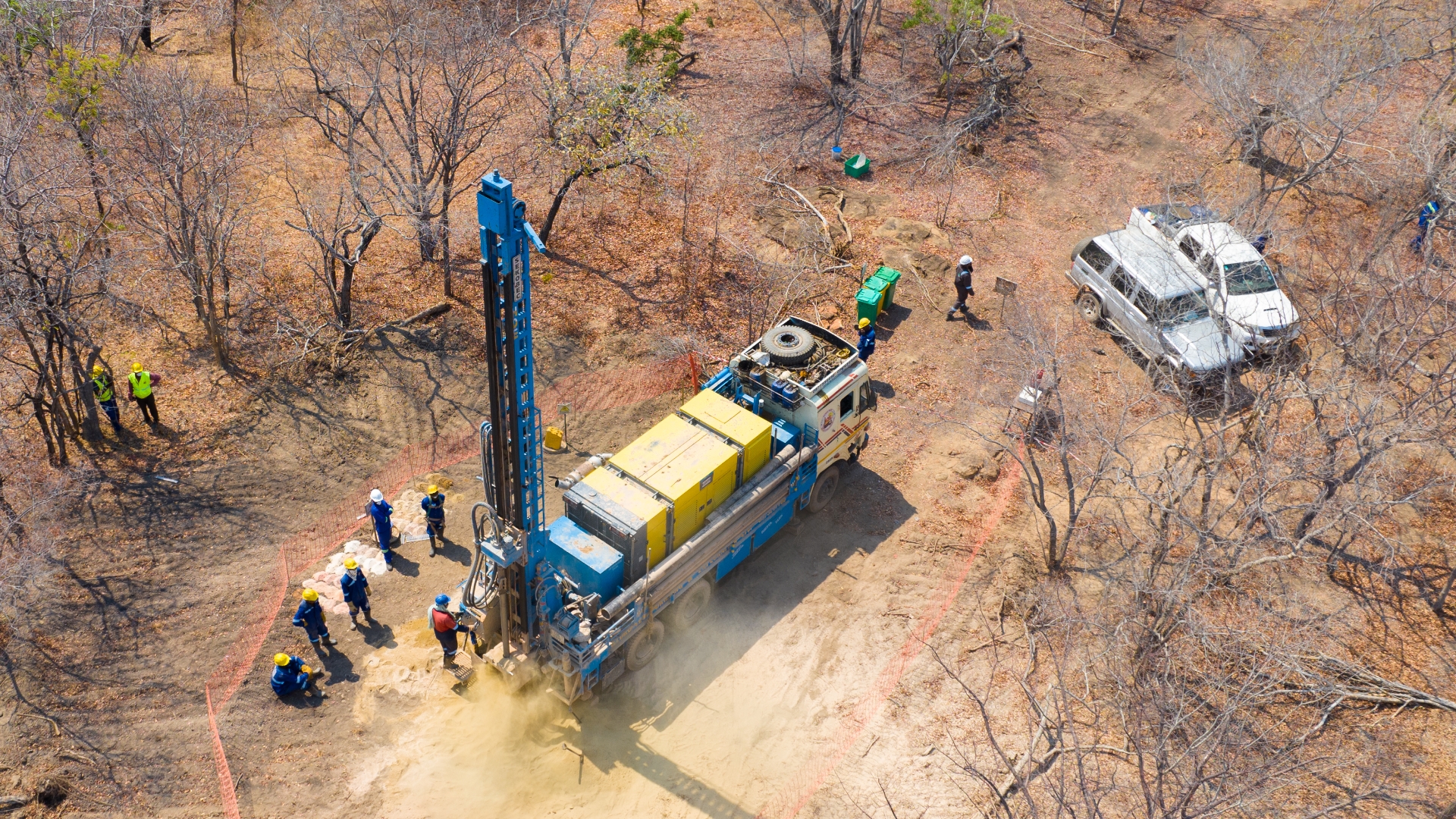
Atomic Eagle's Muntanga Project combines established infrastructure, permitting progress and resource growth to strengthen its long-term uranium development outlook.
- Atomic Eagle Limited holds key environmental and resettlement approvals, an existing Feasibility Study, and established transport infrastructure at its 100%-owned Muntanga Uranium Project in Zambia.
- The project has sealed road access to Lusaka's international airport and to Namibia's port of Walvis Bay, which the company has described as a proven uranium port.
- Zambia Environmental Management Agency (ZEMA) has approved the project's Environmental and Social Impact Assessment (ESIA), and the Office of the Vice President has issued a "No Objection" approval of the Resettlement Action Plan (RAP).
- Continued drilling at the Chisebuka target has widened the higher-grade zones to 900 metres by 600 metres in the north and 830 metres by 400 metres in the south-west, adding to a resource base within the project's existing licence area, though Chisebuka itself remains subject to future studies and approvals separate from the ESIA already secured.
- Construction remains contingent on further resource growth, with capital cost, net present value (NPV), and production figures for a larger-scale project still to be determined.
Atomic Eagle Limited (ASX: AEU | OTCQX: AEUXF) is advancing its 100%-owned Muntanga Uranium Project in Zambia with an existing Feasibility Study, established transport infrastructure, and, as of last month, environmental and resettlement approvals. Recent drilling at Chisebuka continues to add resource ounces to a project where engineering and permitting work has already progressed. The company has cited that combination as central to Muntanga's development profile.
Established Transport Links
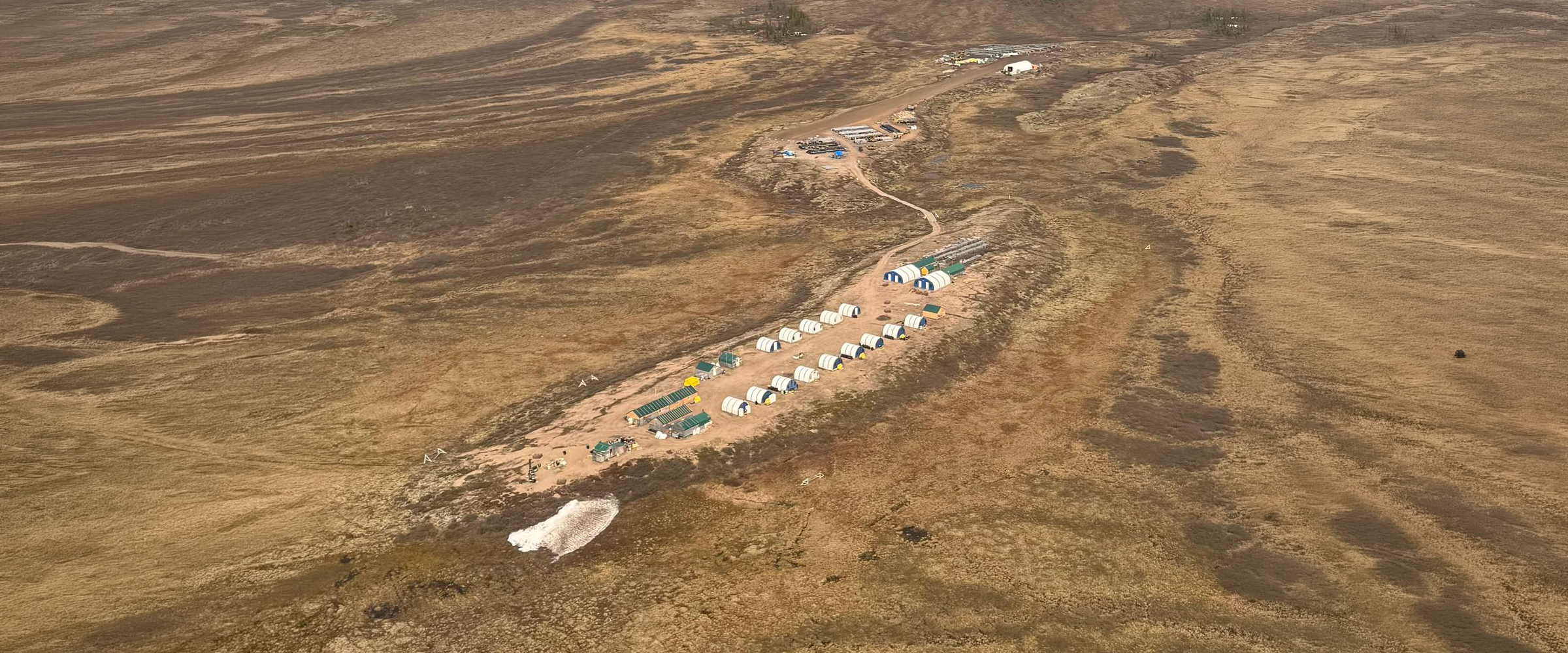
Muntanga sits in Zambia's mid-Zambezi Valley near Chirundu, spanning 4 mining licences and 2 exploration licences over a 146 kilometre (km) strike length covering 1,136 square kilometres. Sealed roads link the site to Lusaka, giving access to its international airport and, via Livingstone, roughly 560 km west, to Namibia's port of Walvis Bay.
Chief Executive Officer of Atomic Eagle, Phil Hoskins, described that access during a site visit:
"Our main camp is 8 km by road to a sealed road that will take us all the way to the Namibian port of Walvis Bay, which we know is a proven uranium port."
Permits & Prior Engineering Work
Muntanga's Feasibility Study calls for open-pit mining and heap-leach processing of the Muntanga and Dibbwi East deposits, citing high recoveries and low acid consumption. On June 24, 2026, Atomic Eagle announced approval of its Environmental and Social Impact Assessment (ESIA) from the Zambia Environmental Management Agency (ZEMA), alongside a "No Objection" Resettlement Action Plan (RAP) approval from the Office of the Vice President. The ESIA, submitted September 22, 2025 and approved June 4, 2026, carries a 3-year validity; the RAP, valid 18 months, covers 175 Project Affected Households (771 individuals) and was benchmarked against International Finance Corporation (IFC) Performance Standard 5.
The approvals reduce permitting risk and establish a clearer regulatory pathway to development, with the company's focus on resource growth unchanged. Almost half of Muntanga's resource, according to Hoskins, sits outside the original Feasibility Study; those additional deposits, including Chisebuka, remain subject to further studies and approvals separate from the ESIA and RAP already secured. Zambia ranks 3rd within Africa for investment attractiveness and policy perception in the Fraser Institute Survey, a ranking the company linked to the ease of Muntanga's permitting process.
Drilling Adds to an Existing Resource Base
The ongoing 30,000-metre drill program aims to expand the resource within a project where the Feasibility Study and key permits already cover the Muntanga and Dibbwi East deposits, with Chisebuka, Muntanga North, and Namakande still subject to future studies and approvals. At Chisebuka, drilling reported June 16, 2026, widened previously defined mineralisation, with intercepts of 5.4 metres at 422 parts per million (ppm) equivalent uranium oxide from 47.0 metres, 12.8 metres at 237 ppm from 40.9 metres, and 10.3 metres at 210 ppm from 81.4 metres. The company has now drilled 42 holes at Chisebuka for 4,209 metres, growing the northern zone to 900 by 600 metres and the south-west zone to 830 by 400 metres, with continuity confirmed between the south-west zone and the previously defined resource area.
Hoskins framed the results as central to the company's target:
"The first phase of the 2026 exploration program has been a success, extending the boundaries of the previously defined resource at Chisebuka and defining an additional higher-grade zone to the south-west. Subject to further studies, Chisebuka is demonstrating the potential to be a major contributor towards the Company's target of a larger-scale mine."
A 12-hole reverse circulation (RC) program at Chisebuka's higher-grade zones will confirm gamma-estimated grades, while 2 rigs have moved to Muntanga North, with surveys covering 6 of 8 target areas complete and results due within weeks. Namakande 1 and 2 follow in the Third Quarter. Management has cited an overall exploration target of 40 to 100 million pounds of uranium oxide beyond the existing resource, attributing much of that potential to the Muntanga North and Namakande targets.
Why Infrastructure & Scale Matter
Taken together, the transport links, completed Feasibility Study, and secured approvals mean current drilling, at Chisebuka, Muntanga North, and the upcoming Namakande targets, is adding resource ounces to a project where the Muntanga and Dibbwi East deposits already carry approved permits, even as Chisebuka, Muntanga North, and Namakande continue to be assessed separately.
The company has not released updated capital cost, net present value (NPV), or production figures for a larger-scale scenario, and has said construction is not the immediate priority, with timing instead to follow project scale, market conditions, and completion of future technical work.
The current resource stands at 58.8 million pounds (Mlb) of uranium oxide (Measured and Indicated 40.0 Mlb, Inferred 18.8 Mlb) as of March 10, 2026. Upcoming assay results from Muntanga North and further drilling at Namakande will be the next test of that trajectory.
FAQs (AI-Generated)
Analyst's Notes





Subscribe to Our Channel






.png)

Stay Informed