




Cobra Resources Redirects Manna Hill Drilling to Deeper Targets as Porphyry Potential Emerges


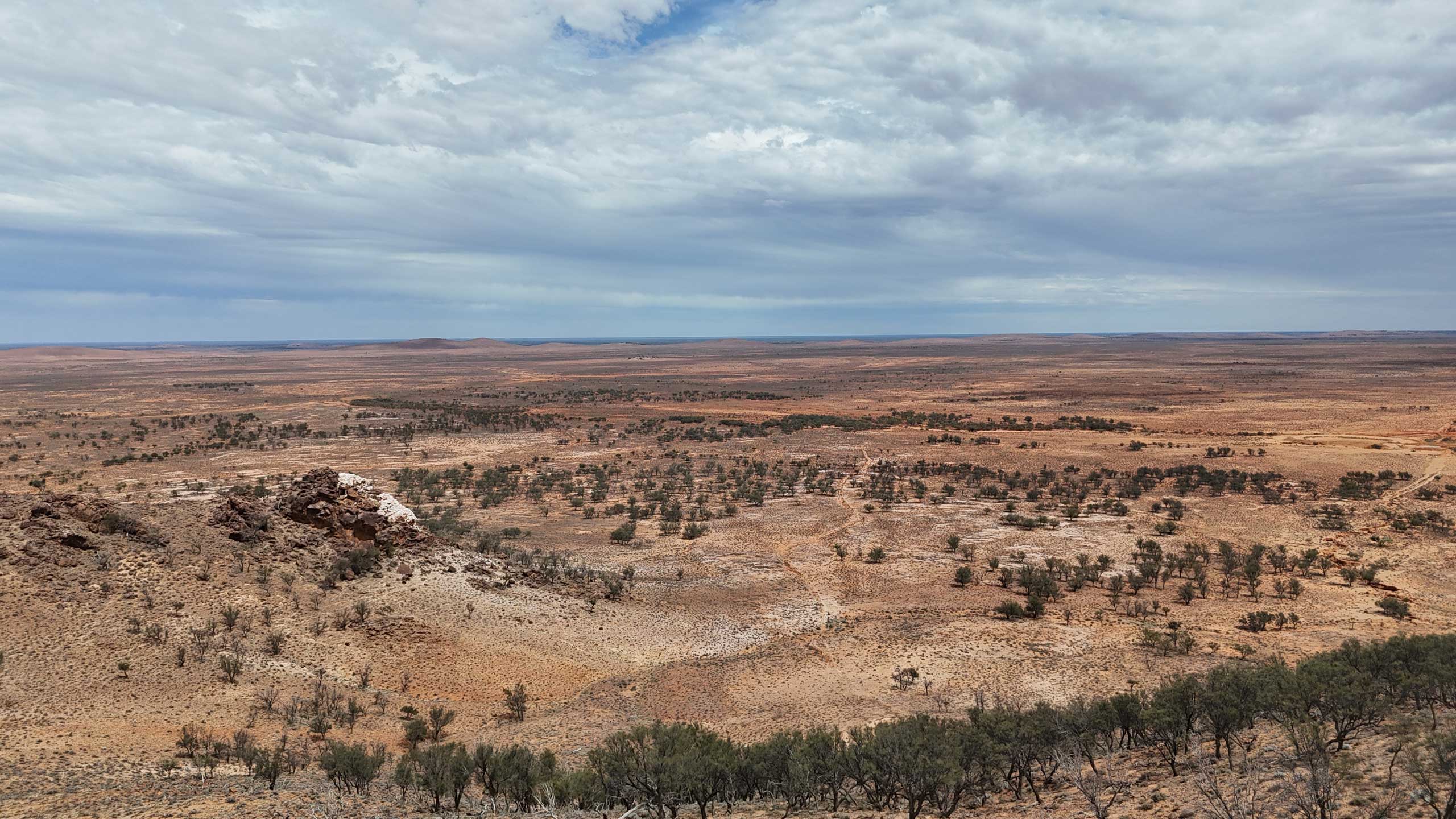
Cobra Resources (LSE:COBR) reports encouraging copper drilling signals at Manna Hill, with bornite mineralisation and depth continuity pointing to a larger porphyry system.
- Cobra Resources scaled back its Manna Hill drilling programme from 1,800 to roughly 1,500 metres, redirecting metres toward deeper skarn holes rather than a planned second hole at Black Rock.
- A mineral speciation change from chalcopyrite to bornite in the company's second diamond hole is a geological indicator that drilling has reached the potassic core of a larger porphyry system.
- New diamond drilling extends sulfide mineralisation continuity to around 300 metres depth, beneath earlier RC intercepts of 86 metres at 0.6% copper and 74-75 metres at 1% copper with 0.25 g/t gold.
- An unexpected southern step-out hole intersected shallow copper oxide mineralisation outside the previously defined skarn footprint, opening a new, as-yet unscaled extension area.
- Assay results from the current drilling are expected around August, and Cobra says it has exercised its option over Manna Hill.
Cobra Resources (LSE:COBR) has released fresh detail on its Manna Hill copper drilling in South Australia, with mineral speciation, depth continuity and an unexpected southern extension all pointing toward a larger porphyry system than the shallow skarn drilled to date. Porphyry copper discoveries of scale are increasingly prized by investors as global supply forecasts tighten and copper's role in electrification hardens demand, and Cobra's early indicators put it squarely in that conversation, though confirmatory assays remain pending.
Reworking the Drill Programme
Cobra had guided to an 1,800 metre drilling programme at Manna Hill but has drilled slightly less than 1,500 metres, a change the company's CEO and managing director Rupert Verco attributes to risk management rather than a scaled-back ambition. A planned second 500 metre hole at the Black Rock target was dropped after the first hole, drilled to around 440 metres, intersected a potassic zone with lighter chalcopyrite alongside pyrite intensity the company felt indicated it was too far from the mineralising source.
Rather than commit further metres to that hole, Cobra redirected drilling to add depth to two other skarn holes where it has since seen meaningful continuity with existing mineralisation. Management frames this as a deliberate reallocation of a fixed budget toward the holes generating the most useful data, rather than a sign the programme has underperformed, and it sets up the depth and speciation results discussed below, which the company says justified the change in approach.
From Chalcopyrite to Bornite: A Bigger Porphyry Signal
The clearest technical signal to emerge is a change in copper mineral speciation with depth. In the second diamond hole, chalcopyrite mineralisation within the skarn gives way to a potassic alteration zone of biotite schist, and then to bornite as the hole approaches a monzogranite and diorite intrusion. The distinction matters for two reasons: bornite carries over 60% copper against chalcopyrite's roughly 32-33%, a direct grade uplift, and geologically it signals the hole has reached the potassic core of a porphyry system. As the Verco put it:
"This is showing us that the mineralisation system extends beyond the skarn and into a much greater porphyry system." He added that the economics look "very favourable... for the scale of the [Manna Hill] project."
That second diamond hole sits beneath two earlier RC holes that returned 86 metres at 0.6% copper and, from around 70 metres depth, 74-75 metres at 1% copper with 0.25 g/t gold. The new diamond drilling extends continuity in that zone to around 300 metres depth, adding scale to intersections the company had already reported from shallower RC work.
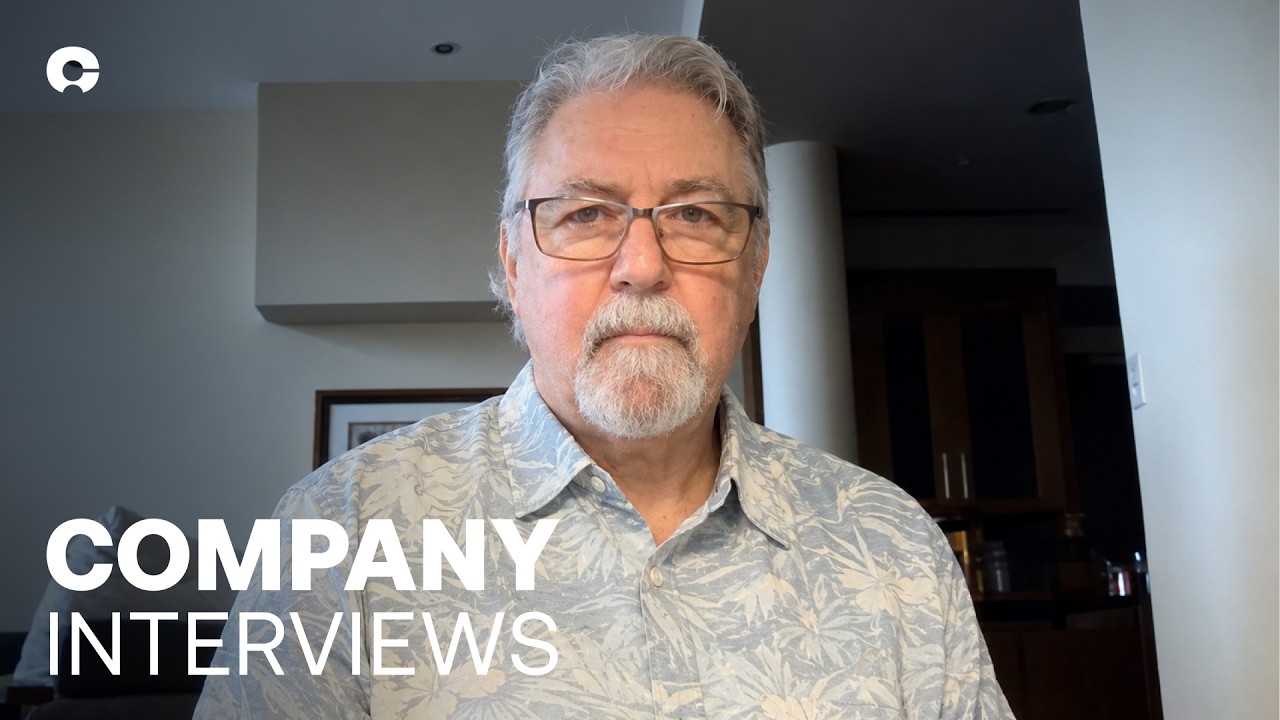
Interview with Rupert Verco, CEO & Managing Director of Cobra Resources
Depth Continuity, a Southern Extension and Deeper Technical Support
Beyond the grade signal, Cobra highlighted a shift from shallow oxide mineralisation toward sulfide continuity at depth. As the CEO described it: "What we're seeing now... is not just shallow oxides. We're seeing deep depth continuity of these sulfides," while cautioning that visual core observations still need laboratory confirmation. A separate step-out hole, drilled south of the skarn to test for structural overturning, unexpectedly intersected shallow copper oxide mineralisation outside the previously defined skarn footprint, opening a southern extension the company had not modelled.
Cobra said this points to the need for deeper, wider-stepping drilling to establish the true width and orientation of the new zones, work planned for a further RC programme in September. A third hole intersected anhydrite breccia, a sulfate-rich mineral the company links to the fluid pathway that fed mineralisation into the skarn from a deeper heat source; anhydrite is not itself typically mineralised, but its presence is a feature the Verco associates with large global porphyry systems and one he says is uncommon in Australia at this scale.
To help interpret this growing dataset, Cobra has added Stephen McIntosh, a geologist with decades of experience at Rio Tinto including recent work on the Andina copper project in South America, and continues to work with geochemist Professor Ross Large. The pair are supporting petrology and petrophysics work aimed at understanding how the system's magnetic response correlates with higher-grade zones, which the company says will sharpen targeting for the September step-out programme.
Manna Hill Ownership, Board Commitment and the Boland Update
Verco said Cobra has exercised its option over Manna Hill. The company's chairman, Andrew Michelmore, has purchased around £140,000 of shares, which Verco characterised as a strong endorsement from an experienced figure in Australian mining.
Away from Manna Hill, Cobra is progressing its Boland ISR rare earth project toward a maiden resource estimate, alongside a pilot study and an extensive metallurgical programme intended to support subsequent scoping and pre-feasibility level economic work. Verco said the team is being expanded to resource this growing workload across both projects, giving Cobra two parallel news flow streams, copper drill results at Manna Hill and rare earth development milestones at Boland, running into the second half of 2026.
Investment Thesis for Cobra Resources
- Manna Hill's mineral speciation shift from chalcopyrite to bornite is a geological indicator of proximity to a porphyry core, not just a grade event, and warrants tracking in subsequent assay releases.
- Depth continuity to around 300 metres in sulfide mineralisation, if confirmed by assay, would support a materially larger resource footprint than the shallow skarn alone.
- The newly identified southern copper oxide extension is unmodelled ground; the September RC programme should clarify its scale and orientation.
- Assays from holes two and four are due around August and are the next binary catalyst for the shares.
- The addition of a Rio Tinto-experienced geologist to the technical team is a modest but relevant signal of internal confidence in the porphyry thesis.
- Boland's resource estimate and pilot study progress provide a second, independent catalyst path alongside Manna Hill.
Macro Thematic Analysis
Global copper markets are tightening as electrification and grid investment lift demand faster than new large-scale discoveries are being made, particularly outside a handful of established jurisdictions. Australia's copper-producing regions, where Manna Hill sits, offer the kind of tier-one jurisdictional profile increasingly valued by investors wary of geopolitical and permitting risk elsewhere. Porphyry systems, the type Cobra believes it may be tapping into at Manna Hill, are prized precisely because of their scale potential; a confirmed porphyry discovery can support a mine life measured in decades rather than years, which is why indicators like the chalcopyrite-to-bornite transition and anhydrite breccia carry disproportionate weight for a company still at the drilling stage. As the CEO Verco summarised the opportunity:
"This is showing us that the mineralisation system extends beyond the skarn and into a much greater porphyry system."
Investors should note that visual core logging, however encouraging, is not a substitute for assay confirmation, and Cobra itself was careful to frame its observations as "cautiously optimistic" rather than conclusive. The broader thematic case for Cobra rests on running two catalysts in parallel: a copper discovery process at Manna Hill that is still in its early, unconfirmed stages, and a rare earth development pathway at Boland targeting dysprosium and terbium supply outside China, a theme that has drawn increasing capital markets attention through 2026 as Western governments prioritise critical mineral security.
TL;DR
Cobra Resources has reported encouraging early signals from its Manna Hill copper drilling in South Australia: a shift from chalcopyrite to higher-grade bornite mineralisation, sulfide continuity extending to around 300 metres depth, and an unexpected copper oxide extension south of the known skarn footprint. The company trimmed its drilling programme from 1,800 to roughly 1,500 metres after redirecting metres toward the most promising holes. Assay results confirming these visual observations are expected around August, with a further step-out RC programme planned for September. Cobra says it has exercised its option over Manna Hill; the precise transaction status should be verified against company disclosures. The Boland rare earth project continues to advance toward a maiden resource estimate.
FAQ (AI-generated)
Analyst's Notes





Subscribe to Our Channel






.jpg)
Stay Informed






















