




Building a Gold Mine Is Harder Than Ever. How it Affects Your Investing Returns



Rio2 & West Red Lake executives discuss production realities: slow ramps, labor challenges, growth to 300K & 150K oz respectively, M&A plans, market undervaluation.
- Rio2 (Fenix gold mine, Chile) & West Red Lake Gold Mines have successfully reached production after years of development, navigating construction challenges and capital constraints during a difficult market period
- Both executives emphasise slow, steady ramp-ups over rushing to full capacity, citing the importance of building operational systems, procedures, and teams alongside physical production increases
- Rio2 targets 60-70,000 ounces in 2026 with expansion to 300,000 ounces annually; West Red Lake sees a pathway to 150,000 ounces annually; both companies actively pursuing M&A opportunities
- Key hurdles include extreme weather conditions (minus 45°C in Ontario, high-altitude cold in Chile), labor shortages across mining jurisdictions, space constraints in mining operations, and infrastructure development (particularly water access for Rio2)
- Despite being in production with positive cash flow, both companies note that developers often receive higher market valuations than small producers, though they expect re-rating as they consistently deliver quarterly results
In a candid discussion between two mining executives who have recently brought their projects into production, Alex Black, Executive Chairman of Rio2 Limited and Shane Williams President & CEO of West Red Lake Gold Mines shared insights into the operational realities, challenges, and growth strategies facing newly producing mining companies. The conversation, held in mid-February 2026, offers investors a realistic perspective on the transition from developer to producer, the complexities of ramping up operations, and the strategic pathways both companies are pursuing in a favorable commodity price environment.
The Journey to Production
Both Rio2 and West Red Lake Gold Mines have achieved what many developers aspire to but few accomplish: reaching commercial production. Rio2's Fenix Gold Project in Chile is ramping up toward a target of 20,000 tons per day of ore processing, while West Red Lake has successfully restarted production at its historically challenging asset in Ontario, Canada.
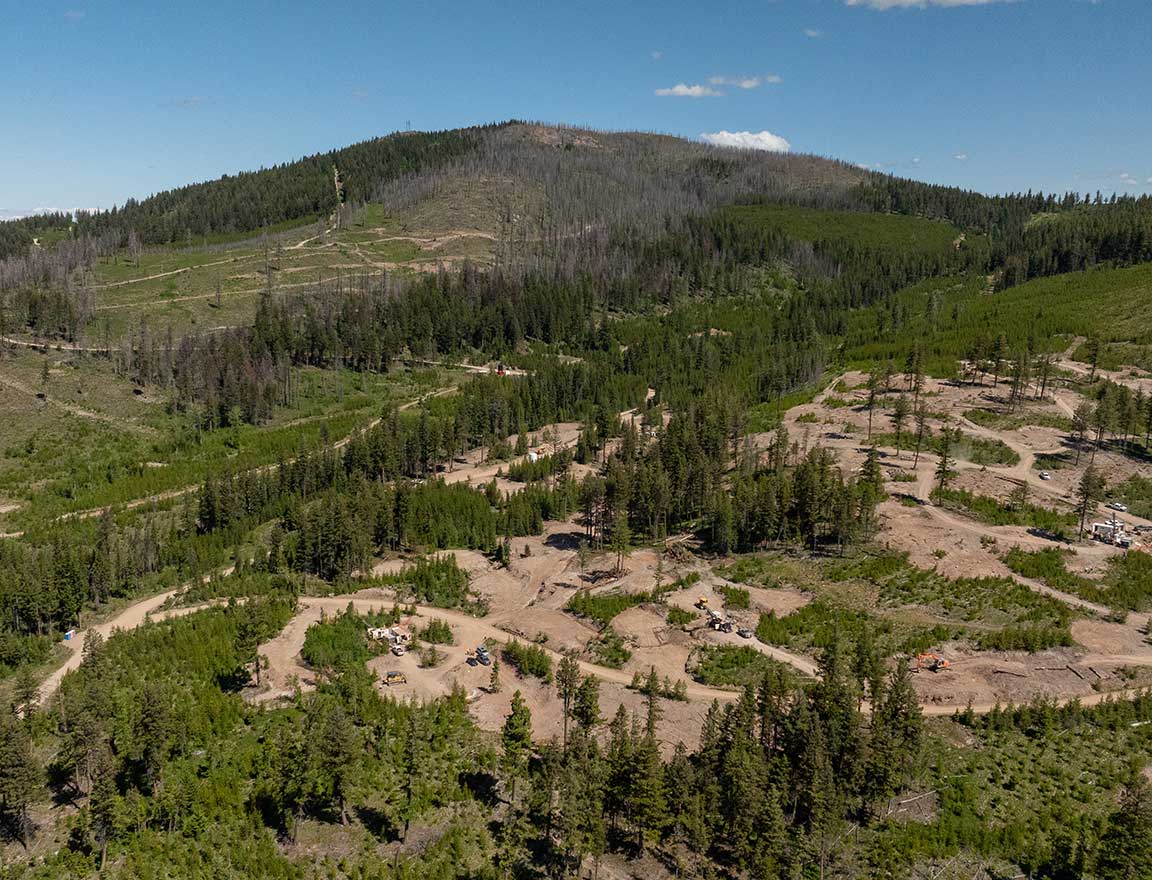
Black, drawing on experience from previous projects with Rio Alto where the company built the La Arena and Shahuindo mines in Peru, acknowledged that reaching production is never straightforward. The Fenix Gold Project faces unique challenges including mining an extinct volcano at nearly 5,000 meters above sea level, dealing with space constraints in the open pit, and managing three separate peaks that must be brought down to create adequate mining areas.
Williams emphasised the rehabilitation work required at West Red Lake, which inherited infrastructure from previous operators but needed significant restoration. The company has taken a deliberately measured approach, spending nearly two years on development to ensure proper foundations before pushing for maximum production rates.
Building Empowered Teams
A central theme throughout the discussion was the critical role of experienced, empowered teams. Black stated his management philosophy clearly: hire capable people, give them the authority to solve problems, and avoid micromanagement. Rio2 has deliberately built young teams, particularly in Chile, investing in developing talent while leveraging their accumulated expertise.
"It's not for me to tell people what to do. It's for me to encourage those people to deal with problems as they come up," Black explained, adding that his favorite approach is "step by step" problem-solving rather than panic-driven reactions.
Williams echoed this sentiment, noting that his role is to "smile and wave" while ensuring a strong team executes the operational plan. Both executives referenced conversations with other successful mining executives, particularly highlighting how Agnico Eagle Mines built its operations over 25 years through team continuity, trust, and weathering early challenges together.
The executives were candid about their responsibilities when projects face difficulties. Black emphasised that while he empowers his teams operationally, he personally accepts accountability when communicating with institutional investors about any shortfalls or challenges, refusing to "throw the team under the bus."
Navigating Operational Complexities
A significant portion of the discussion focused on operational challenges that are often underappreciated by retail investors. Williams identified labor shortages as a critical issue facing the Canadian mining industry, noting that decades of industry struggles have depleted the skilled workforce. "It's very hard to get skilled people," he stated, adding that the skill level is "definitely not what it used to be 20 years ago."
Black confirmed similar challenges in Chile, despite its status as a major mining jurisdiction. With numerous mines competing for talent across the country, recruiting skilled operators remains difficult. He noted that Australia faces identical pressures due to its mining boom.
Weather presents another major operational risk. Williams described dealing with January temperatures of minus 45 degrees Celsius in Northern Ontario, where any plant stoppage results in the entire mill freezing. At the other extreme, Black's Fenix Gold operation at high altitude faces cold winds and freezing conditions that can impact the heap leach irrigation system and solution piping, though without the heavy snow challenges of Ontario.
The executives also discussed operational constraints specific to their projects. Fenix Gold's space limitations in the open pit require careful traffic management, and Black acknowledged that recent photos showing trucks lined up waiting for diggers reflect real constraints while the team works to bring down the three volcanic peaks. The project is also preparing winterisation strategies, learning from issues encountered at neighboring operations like Salares Norte where pumps froze during extended winter periods.
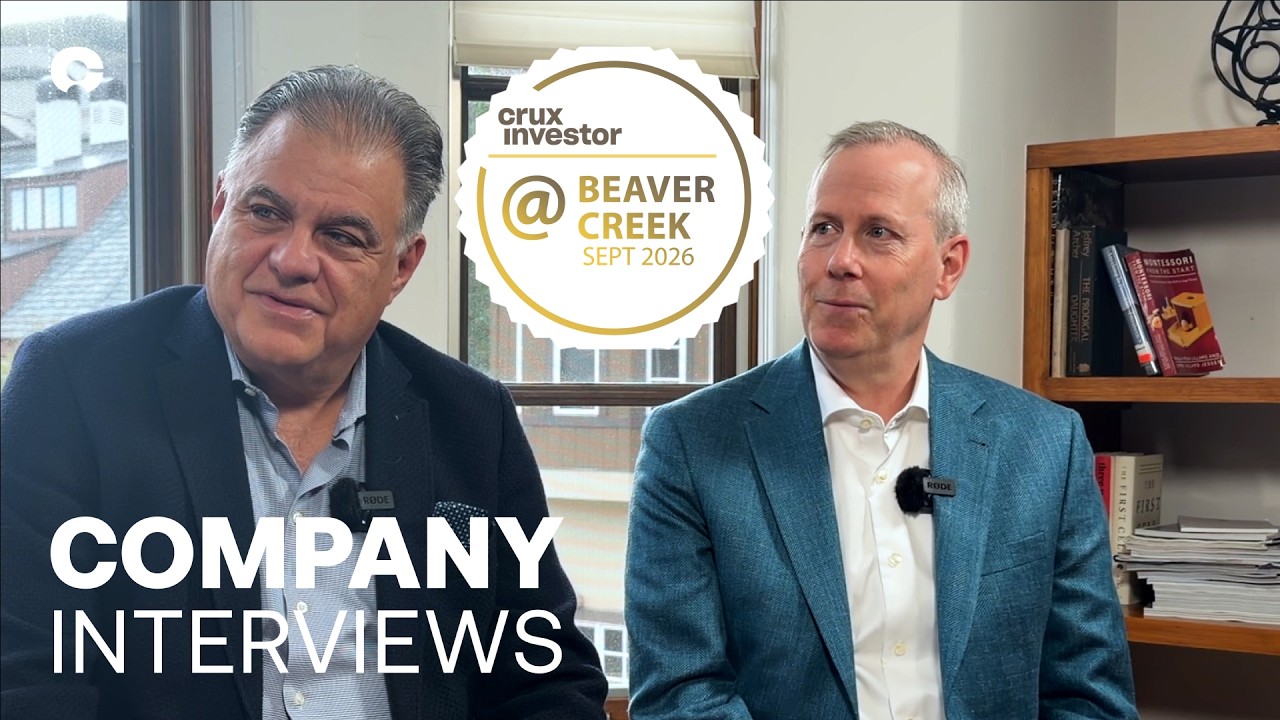
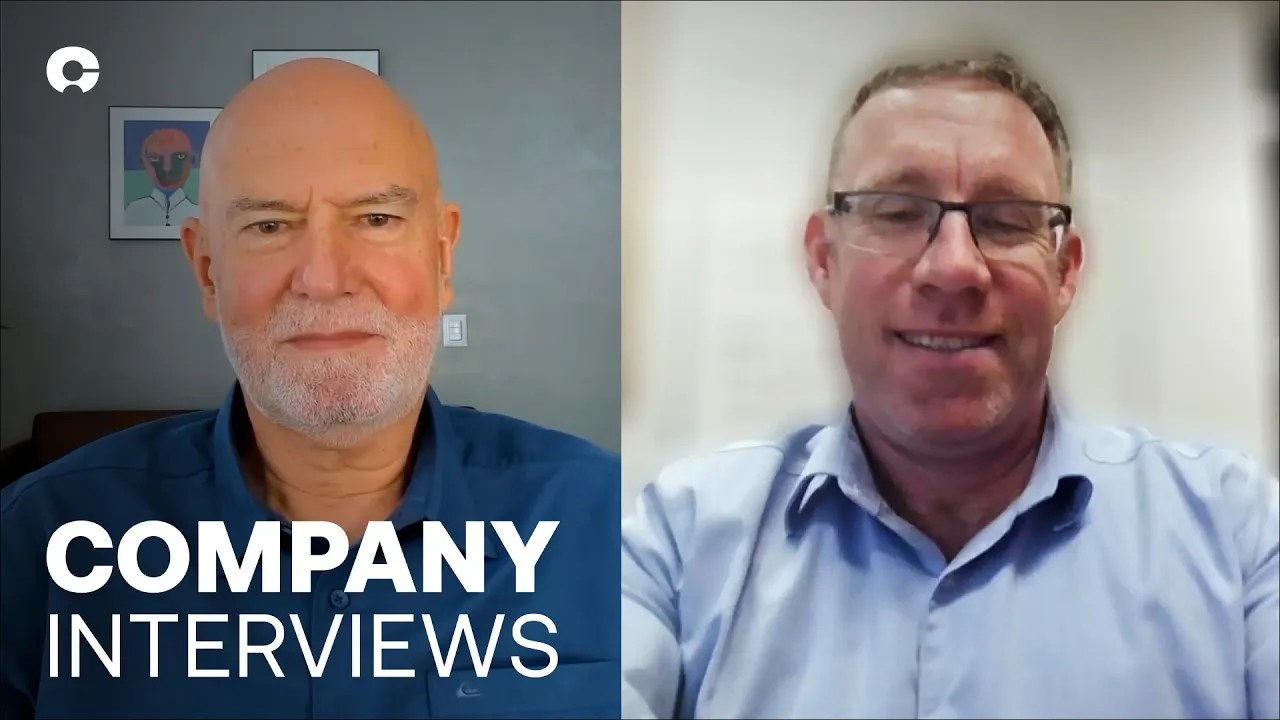
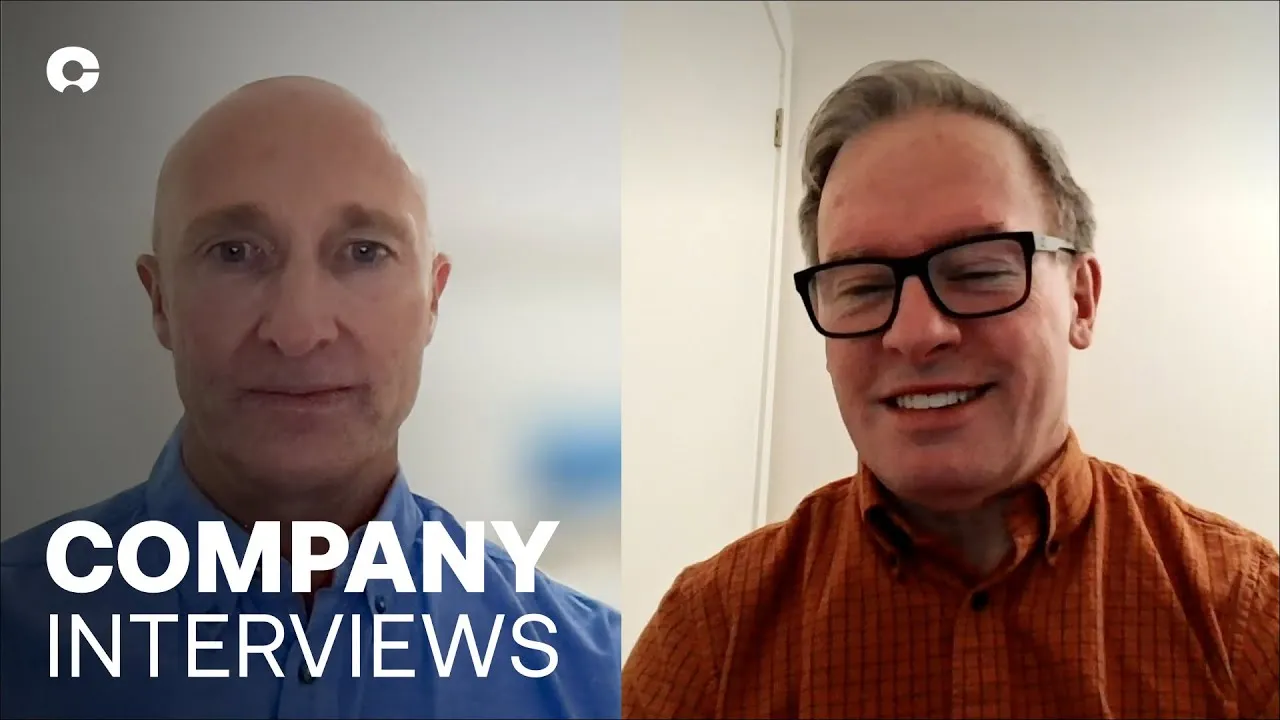
Alex Black, Executive Chairman of Rio2 & Shane Williams, CEO of West Red Lake Gold Mines
Managing Investor Expectations During Ramp-Up
Both executives expressed caution about providing detailed production guidance during ramp-up phases. Black indicated that Rio2 maintains an internal target of 60,000 to 70,000 ounces for 2026 but hesitated to narrow that range, acknowledging uncertainty about whether results would trend closer to the lower or upper end.
"Guidance is really difficult in the first year," Black noted, explaining that the company is still bedding down operations and dealing with the realities of mining in challenging conditions. He emphasised that the 2023 feasibility study showed an average life-of-mine all-in sustaining cost of $1,250 per ounce, but year-one costs will certainly differ as the operation ramps up.
Williams stressed the importance of showing consistent monthly improvements during ramp-up rather than hitting precise targets. "As long as you keep moving forward and every month is better than the month before, that's the key," he said. Both executives acknowledged that the current strong gold price environment provides some cushion during this phase, though Williams noted that the market still holds producers accountable despite favorable pricing.
The discussion revealed some frustration with market dynamics. Both executives observed that development-stage companies with impressive-looking feasibility studies often receive higher market valuations than small producers generating actual cash flow. Williams noted this creates a "headscratcher" where companies years away from production trade at premiums to those currently pouring gold.
Capital Deployment for Future Expansion
Rio2's growth strategy includes both organic expansion and strategic M&A. The Fenix Gold Project has a clear pathway to expand from current levels to 80,000 tons per day processing capacity, which would support production of approximately 300,000 ounces annually. However, this expansion depends on resolving the water supply challenge by constructing a pipeline to bring desalinated water to the high-altitude site.
Black expressed confidence about the water solution, noting that initial skepticism about trucking water to Fenix Gold has dissipated now that the company successfully operates with trucked water. He positioned Rio2 as the likely "serial number one" in bringing desalinated water infrastructure to the Maricunga gold belt, potentially ahead of much larger neighbor Kinross Gold's projects in the area.
The company's recent acquisition of the Condestable underground copper mine in Peru adds a second production asset with a 10-year mine life and current processing capacity of 8,400 tons per day. Rio2 plans to expand Condestable to 12,000 tons daily for under $50 million in capital over approximately two years. Black indicated the company sees potential for "one more deal" in the gold space to round out its portfolio, though he believes Rio2 itself could become an acquisition target within three to five years once it establishes clear operating track records across multiple assets.
West Red Lake's growth path centers on expanding production to 150,000 ounces annually from assets in the Red Lake district. Williams highlighted that the existing mill can be doubled with relatively modest capital investment. The company's strategy mirrors Ross Beaty's approach at Equinox Gold: building slowly asset by asset, each acquisition enabling the purchase of progressively better assets through demonstrated operational capability.
Williams emphasised that waiting for an acquirer is "a very wrong strategy," stressing that companies must build value independently and maintain the credibility to execute expansion plans without external validation.
The Coming Wave of Industry Consolidation
The executives expressed optimism about the gold price environment over the next three years, citing expansionary fiscal policy in the United States as a supportive factor. Black predicted significant M&A activity in 2026, suggesting that one or two major announcements would likely emerge at the upcoming PDAC conference in Toronto, with some companies potentially ceasing to exist as independent entities by year-end.
This prediction aligns with the observation that major producers are accumulating substantial cash positions but face questions about capital allocation. While special dividends and share buybacks represent one option, Black believes strategic acquisitions may prove more attractive, particularly as larger companies increasingly avoid grassroots development in favor of acquiring producing or near-production assets.
Williams agreed that the mid-tier development space offers opportunities for companies capable of executing the "slow grind" strategy of building and acquiring assets progressively. He noted that few larger companies currently pursue pure development strategies, creating a niche for those with demonstrated capability to advance projects through construction and into production.
Key Takeaways
The discussion illuminated the significant gap between feasibility study projections and operational reality during the transition to production. Both executives emphasised that institutional investors generally understand these complexities, while retail investors may harbor unrealistic expectations about the ease of reaching consistent production.
The conversation also highlighted how the current market structure creates apparent valuation anomalies, with cash-flowing producers trading at discounts to development-stage projects. Both executives expect this to normalise as they deliver consistent quarterly results, though they acknowledged frustration with current market dynamics.
Most critically, the discussion underscored that operational success depends primarily on people - building, empowering, and retaining talented teams willing to work through challenges methodically. Both Rio2 and West Red Lake have positioned themselves for re-rating as they demonstrate consistent execution, with clear organic growth pathways and M&A optionality that could lead to eventual takeouts by larger producers seeking to acquire de-risked, producing assets rather than undertake complex greenfield development.
TL;DR
Rio2 Limited and West Red Lake Gold Mines executives discuss the operational realities of transitioning to production, emphasising team empowerment, patient ramp-ups, and the challenges of labor shortages and extreme weather conditions. Both companies target significant production growth through organic expansion and strategic M&A, while noting that producing companies remain undervalued relative to developers despite generating actual cash flow in a strong gold price environment. Key value drivers include Rio2's pathway to 300,000 ounces annually at Fenix Gold (pending water infrastructure) plus the Condestable copper acquisition, and West Red Lake's potential to reach 150,000 ounces annually with relatively modest capital investment for mill expansion.
FAQ's (AI Generated)
Slow ramps allow proper development of operational systems, procedures, safety protocols, and team training alongside physical production increases. Rushing can create operational problems and safety risks that prove more costly long-term than patient capacity building.
West Red Lake battles extreme cold (minus 45°C winters) that can freeze entire mill systems, while Rio2 manages high-altitude cold, space constraints in open-pit operations, and upcoming winterisation at 5,000 meters elevation above sea level.
Rio2 will construct a pipeline bringing desalinated water to the high-altitude site, positioning itself as first-mover in the Maricunga belt. Chilean environmental policy has shifted away from groundwater toward desalination for all major mining projects.
Markets often favor impressive feasibility studies for future projects over near-term cash generation. Both executives expect re-rating as they demonstrate consistent quarterly execution, though timing remains uncertain and depends on sustained operational performance.
Extremely significant. Canada, Chile, and Australia all face severe skilled labor shortages due to decades of industry struggles and concurrent mine development. Worker skill levels have declined materially compared to 20 years ago, requiring more training investment.
Analyst's Notes





Subscribe to Our Channel



.jpg)




Stay Informed






















