




Cabral Gold: +70% Completed Construction at Cuiu Cuiu Project Steers Toward Q4 2026 Production Target


Cabral Gold's Brazil heap leach mine is 70%+ built, on track for Q4 2026 output, funded by a gold loan, with major hard rock upside ahead.
- Cabral Gold's phase one heap leach operation at Cuiu Cuiu, Northern Brazil is more than 70% complete with commissioning scheduled for Q3 2026 and commercial production targeted for Q4 2026.
- Infill drilling across roughly 160 holes is largely confirming the resource model underpinning the 2025 PFS with one standout intercept of 25 metres at 7.5 g/t gold from surface.
- The company financed construction with an approximately $45 million gold loan from its largest shareholder carrying a 39-month term and 10% interest rate with repayments beginning at the end of 2026.
- Management estimates a margin of approximately $3,000 per ounce at current gold prices, with projected year-one production of 25,000 ounces.
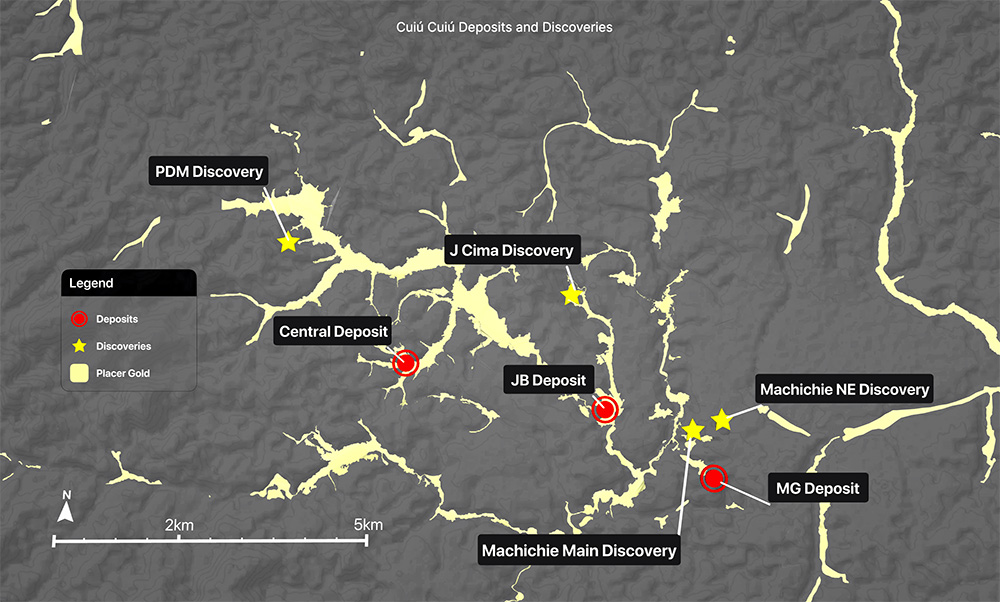
- A separate exploration team is running six drill rigs in parallel with construction, targeting an updated hard rock resource by year end across what is now six (potentially seven) known gold deposits, up from three in 2022.
Cabral Gold is advancing its first mine, a phase one heap leach operation, within the Cuiu Cuiu gold district in northern Brazil. CEO Alan Carter provided updates on construction progress, drilling results, and financing structure in a discussion covering the company's near-term path to production and its longer-term district-scale exploration strategy. The company describes its approach as controlling an entire gold district, distinguishing it from junior miners that rely on repeated equity raises to fund incremental drill programs. With construction well advanced and a gold loan in place funding it, the company is positioning phase one cash flow to support a larger phase two hard rock development.
Phase One Construction: On Budget, On Schedule
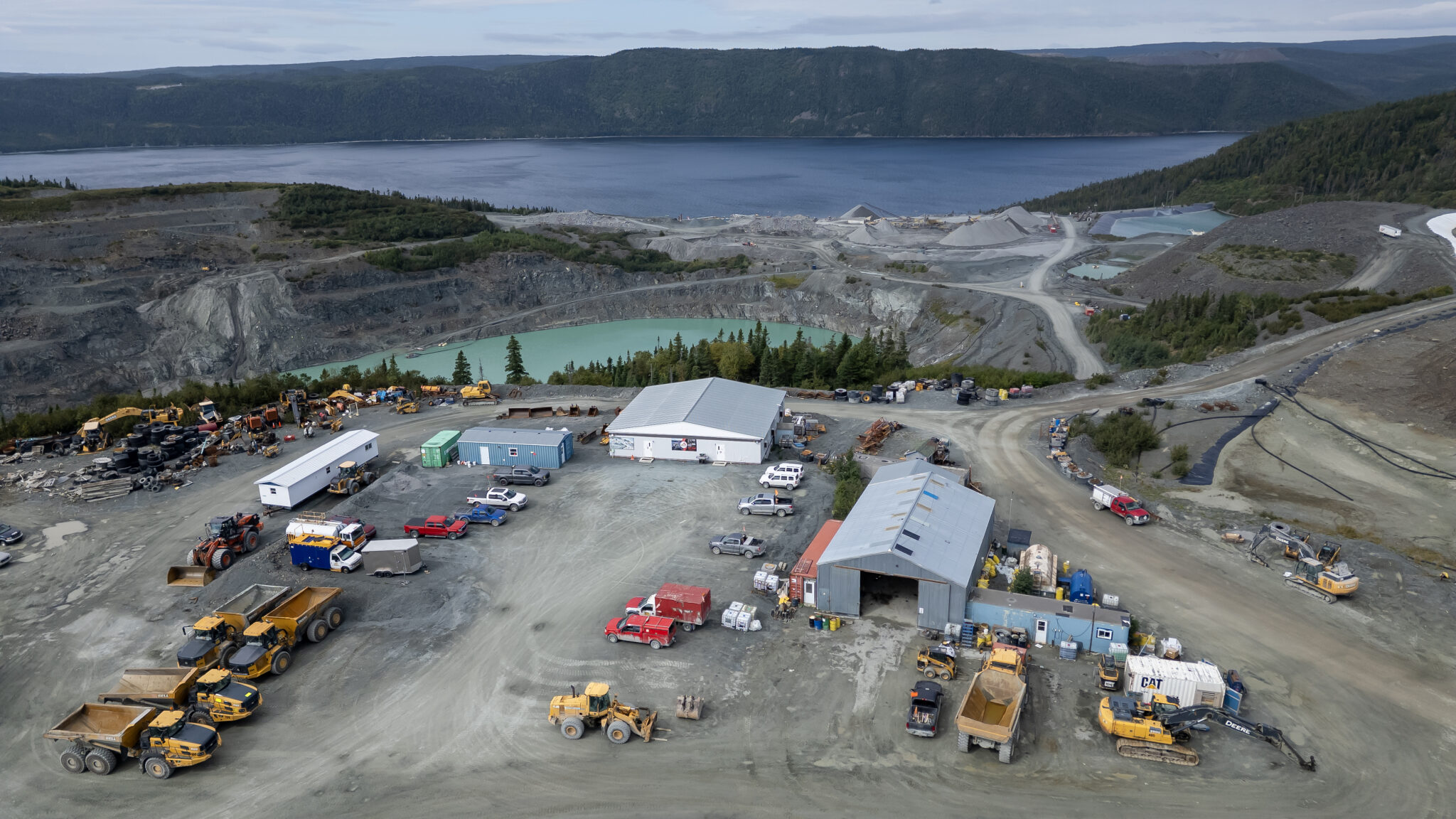
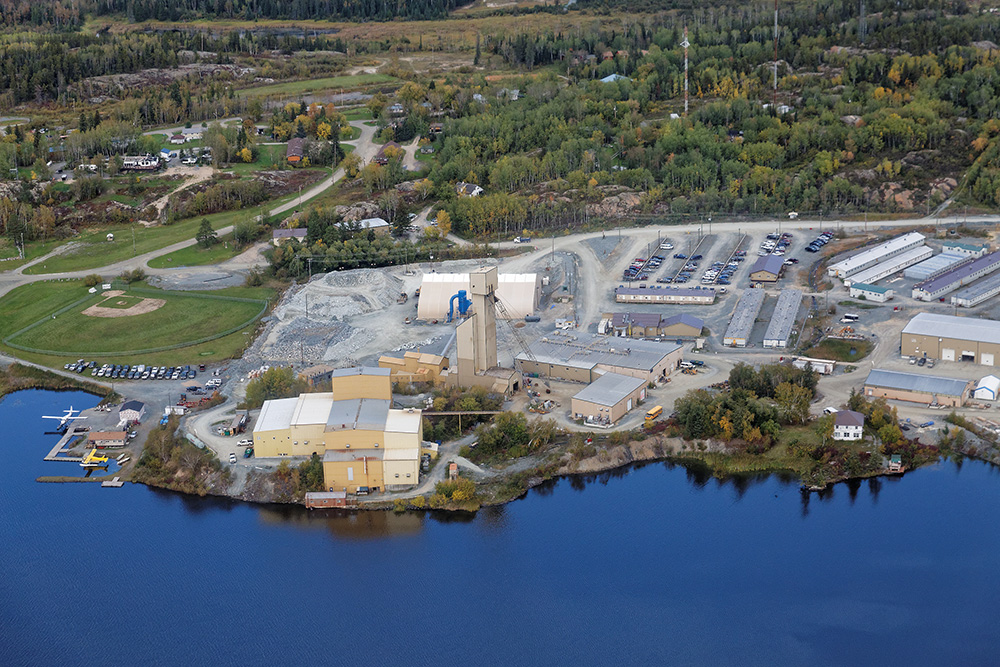
The phase one operation is designed to process 3,000 tons of ore per day through a heap leach circuit and is fully funded. As of the company's most recent public update at the end of April, construction was 70% complete, and progress has continued on track since then. Mining is scheduled to begin at the end of June, with leaching to follow in July. Commissioning is set for the third quarter of 2026, ahead of commercial production in the fourth quarter.
Most major equipment has arrived on site, including conveyors, the run-of-mine area, and the agglomeration circuit. The ADR (Adsorption, Desorption, and Recovery) plant, which was constructed and commissioned in Perth, Australia before being broken down for shipping, is expected to arrive next month. The company has also built a 160-person construction camp, separate from its existing exploration camp. Carter noted that this progress occurred despite Brazil's rainy season falling across January to March, during which earthworks and concrete foundation work were nonetheless completed. As Carter put it, "So far we're still on budget and on schedule."
Infill Drilling Confirms and Exceeds Resource Model
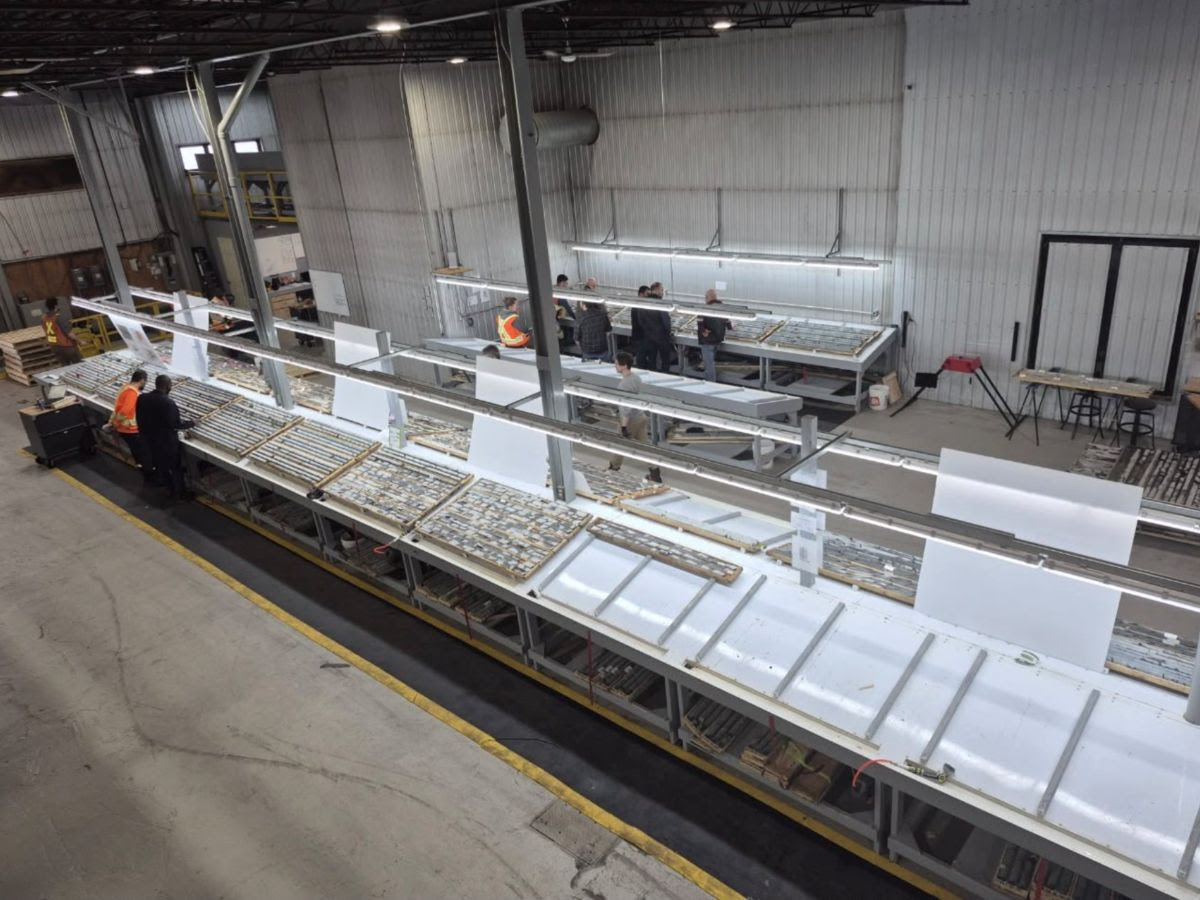
Cabral has conducted approximately 160 infill drill holes on the MG deposit, the first area scheduled for mining. According to Carter, the drilling is validating assumptions made in the 2025 preliminary feasibility study (PFS).
"The results so far have been mirroring the original mine plan from the resource estimate from back in July last year. So, very, very close. We have had one or two surprises, positive surprises."
One notable exception was a recent intercept of 25 metres at 7.5 g/t gold from surface, a higher-grade result than the broader resource average. Material of this grade may require processing through a gravity circuit rather than going directly onto the heap leach pads.
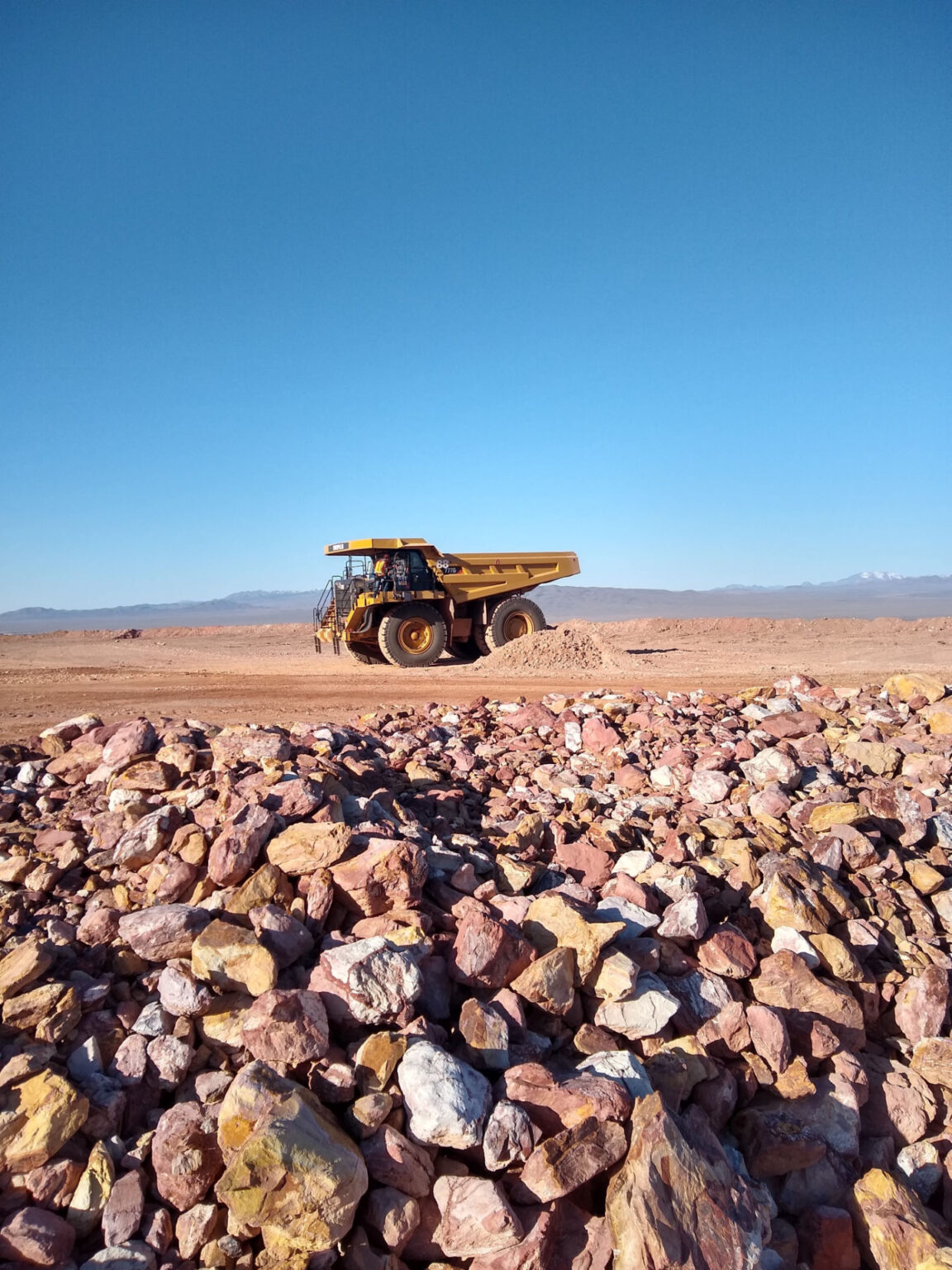
Carter indicated that grades in the first 12 months of mining are expected to exceed 1 g/t - above the projected life-of-mine average of approximately 0.7 g/t. Because the mineralisation sits at surface, the material is free-digging, eliminating the need for drilling and blasting and removing crushing and grinding requirements typical of hard rock processing.
Financing Structure and Loan Repayment
Construction was funded through a gold loan of 353 kg, equivalent to approximately $45 million at the time it was arranged, provided by the company's largest shareholder, Aegis Value Fund, a Switzerland-based fund holding approximately 173 million shares. The loan carries a 39-month term at a 10% interest rate. Repayment begins with a first interest payment in December 2026, followed by a combined principal and interest payment in March 2027.
The PFS modelled a gold price of $2,500 per ounce, at which the project's capital cost of approximately $38 million would be repaid within 10 months of production. At higher gold prices, referenced in the discussion as around $4,300 per ounce, the potential payback period shortens to approximately six months.
Processing Economics and Cost Inputs
Since the PFS was completed, several cost inputs have shifted. The Brazilian real has strengthened against the US dollar, moving from an assumed exchange rate of 5.4 to approximately 5.1-5.2, which works against the company's US-dollar-denominated cost base. Diesel costs have also risen due to disruption linked to conflict in the Gulf region, though a recent agreement may ease this pressure. The PFS authored by Ausenco estimated all-in sustaining costs of just over $1,200 per ton; Carter indicated that fuel cost increases could add roughly $100 per ton to that figure.
Despite these cost pressures, Carter highlighted a substantial margin at prevailing gold prices.
"We want to be self-funding, so that's why we're putting this initial phase one operation into production. But if we produce 25,000 oz in year one and we have a margin of about $3000, that's $75 million profit or C$100 million in the first year. And as I said, there are expansion opportunities here."
The operation benefits from a stripping ratio below 1:1, near-surface mineralization, contract mining arrangements, and an initial open pit located only a few hundred meters from the processing plant. Ore is moved via mobile grasshopper conveyors after being agglomerated with cement to form pellets suitable for heap leaching.
The heap leach design uses on-off pads rather than permanent stacked pads. Material remains on each pad for 60 days, though most gold recovery occurs within approximately 15 days, after which the leached material is removed to a waste pile. This approach allows the company to adjust cement dosing, stacking height, and other variables between successive pads based on performance, offering more operational flexibility than permanent-pad heap leach designs, though it requires additional material handling.
Interview with Alan Carter, President & CEO of Cabral Gold
Phase Two: The District-Scale Hard Rock Opportunity
While phase one targets near-surface oxide material, the company estimates roughly 75% of the gold ounces identified within the Cuiu Cuiu district to date sit in hard rock beneath the oxide cap, material that cannot be processed via heap leach. Six drill rigs are currently active, run by a separate exploration team operating independently of the approximately 350-person construction workforce.
The district's global hard-rock resource was last updated in 2022 at approximately 1.2 million ounces across three known deposits. The company now has six deposits identified, with a seventh possible by year end, and most remain open at depth or along strike. An updated resource estimate is targeted for release by the end of 2026. Recent exploration highlights include a hole at Jerimum Cima returning 9.5 metres at 87.4 g/t gold, described as the best hole drilled in the district to date, and a separate intercept of 107.6 metres at 2.5 g/t, including a higher-grade section of 17.8 metres at 13 g/t.
The Investment Thesis for Cabral Gold
- Near-term production catalyst: Phase one construction is over 70% complete, fully funded, and on schedule for commercial production in Q4 2026, removing significant execution uncertainty relative to pre-construction developers.
- Low capital intensity, low operating risk: Free-digging, near-surface saprolite material with a sub-1:1 stripping ratio avoids drilling, blasting, crushing, and grinding costs typical of hard rock mining.
- Self-funded growth model: Phase one cash flow is intended to fund exploration and phase two development without further diluting the share structure, a contrast to the typical junior mining "raise and drill" cycle.
- District-scale exploration upside: Six known gold deposits (up from three in 2022) and 50 untested targets across the Cuiu Cuiu district, with a resource update expected by year end 2026.
- Phase two optionality: Approximately 75% of known district ounces sit in hard rock below the oxide cap, representing a substantially larger development opportunity beyond the current heap leach operation.
- Operational flexibility: On-off heap leach pad design allows adjustments to cement dosing and stacking parameters between pads, reducing the risk of the systemic failures associated with some permanent heap leach pad designs.
- Loan structure with defined repayment terms: The $45 million gold loan carries a 39-month term and clear repayment schedule, with management citing a sub-10-month payback at a conservative $2,500/oz gold price assumption used in the PFS.
Macro Thematic Analysis
Cabral Gold's development is unfolding against a backdrop of materially higher gold prices than those assumed in its 2025 feasibility study, alongside currency and input cost shifts including a strengthening Brazilian real and diesel costs affected by Gulf region disruptions. These factors cut in different directions for project economics, but management frames the net effect as favorable given the scale of the gold price increase relative to cost inflation. The clearest articulation of this dynamic came from the company's expectation to make about $3,000 on every ounce produced, underscoring the margin cushion available even after accounting for rising fuel and currency-related cost pressures on a low-capital-intensity, near-surface mining operation.
TL;DR
Cabral Gold's phase one heap leach operation in Brazil's Cuiu Cuiu district is over 70% complete and on track for Q4 2026 production, fully funded via a $45 million gold loan from its largest shareholder. Infill drilling is confirming the underlying resource model, with management citing an estimated $3,000 per ounce margin at current gold prices. Beyond phase one, the company is running six drill rigs to expand a hard rock resource that could represent roughly 75% of district ounces, with an updated estimate due by year end. The strategy centers on self-funding district-scale growth rather than continued equity dilution.
FAQs (AI-Generated)
Analyst's Notes





Subscribe to Our Channel


Stay Informed






















