




Gold Drops Out of Crowded Trades as Central Banks Extend Buying


Gold turns undervalued as central banks keep buying, dollar weakness supports demand, and Fed rate expectations test the $4,000 support level.
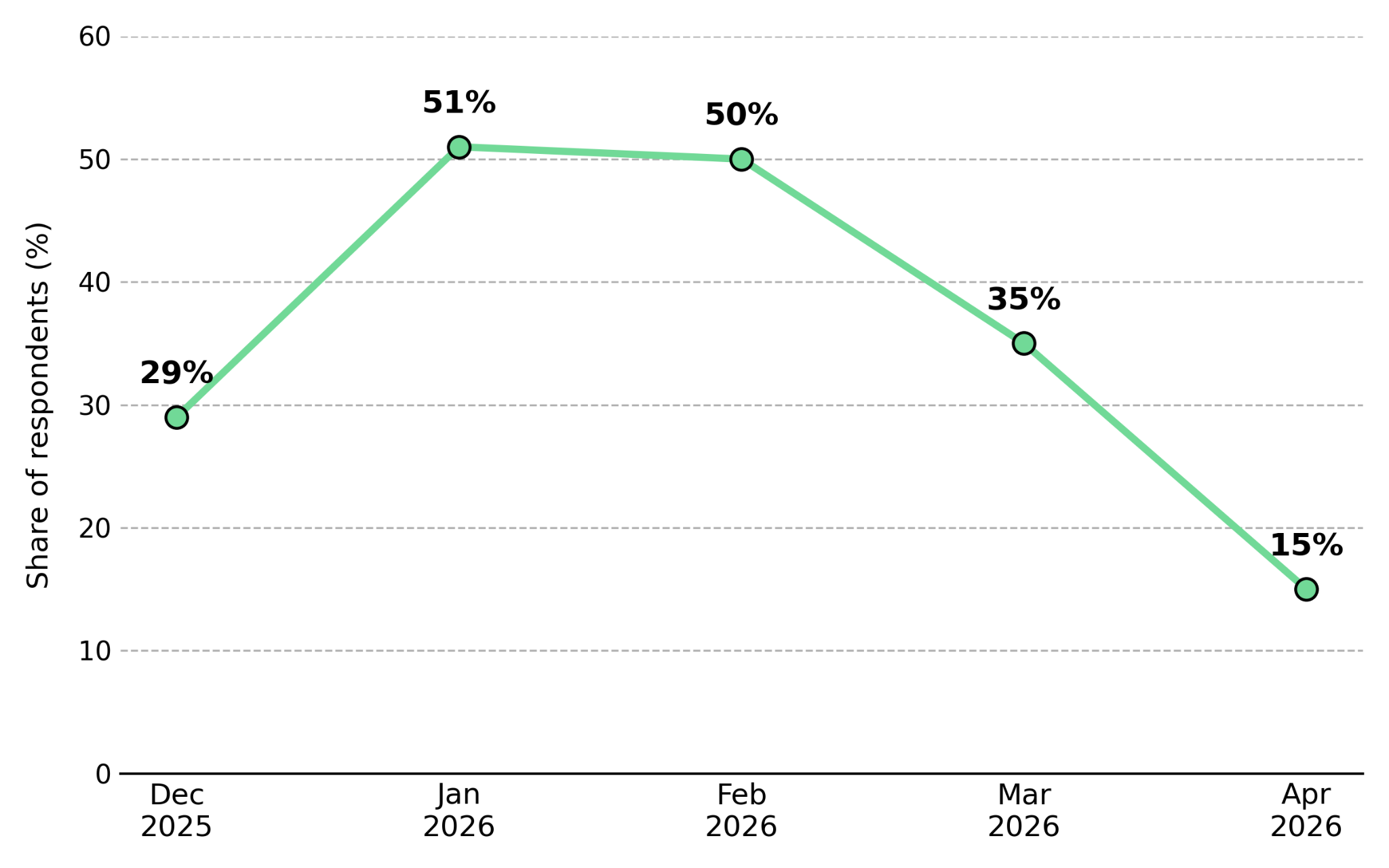
- Long gold was the most crowded institutional trade in February, but by July it had dropped out of the top five as capital rotated into semiconductors.
- The shift left a net 5% of fund managers viewing gold as undervalued, the strongest reading since March 2023 after more than a year of overvaluation.
- At the same time, central banks added a net 289 tonnes to gold reserves in Q2, up 62% year over year, while gold ETFs recorded 45 tonnes of outflows, highlighting continued official-sector buying despite weaker retail positioning.
- Spot gold remained on track for its first monthly gain in five months despite a 0.7% daily decline, with buyers repeatedly defending the $4,000 level.
- A 2.4% drop in the dollar following suspected Japanese intervention further supported gold by making it cheaper for non-US buyers.
Weaker Dollar Supports Gold Demand as Official Buying Offsets ETF Outflows
Spot gold fell 0.7% to $4,075.35 per ounce but remained up 1.7% for the month, showing buyers continued to defend higher prices after five months of weakness. The pullback followed a rebound in the dollar after its biggest one-day decline since January 2023, triggered by suspected Japanese intervention.
A weaker dollar makes gold cheaper for non-US buyers, supporting demand when sentiment weakens. That demand was already visible in Q2, when central banks added a net 289 tonnes to reserves, up 62% year over year, more than offsetting 45 tonnes of ETF outflows as retail holders reduced exposure.
Fed Pause & Weaker Dollar Improve Gold's Near-Term Support
The Fed left interest rates unchanged, while Chair Kevin Warsh gave little guidance on the next policy move, leaving markets focused on incoming data rather than policy certainty. The next day, suspected Japanese intervention drove the yen to its biggest gain since 2022, weakening the dollar and improving gold's appeal for non-US buyers.
Citi estimated about $8.1 billion of dollar/yen selling in just 10 minutes, underscoring the scale of official support. Japan has linked the weaker yen to rising import costs, increasing pressure for further intervention. After spending more than $70 billion supporting the yen earlier this year, the Bank of Japan's next rate decision will determine whether the currency rebound lasts and whether the weaker-dollar support for gold continues.
Institutional Positioning Turns Undervalued as Capital Rotates Into Semiconductors
The Friday price dip matters less than the shift in market positioning, which has reduced crowded long exposure. Long gold was the most crowded institutional trade at 50% of respondents in February. By July, gold had dropped out of the top five as long semiconductors became the most crowded trade at a record 82%.
The same survey found a net 5% of managers viewed gold as undervalued, the strongest reading since March 2023 after more than a year of overvaluation. The contrarian case still depends on buyers defending the $4,000 level and the Fed maintaining a rate path that limits the opportunity cost of holding gold. Key signals to watch are Fed rate expectations, quarterly central-bank demand, and monthly fund manager positioning.
Retail ETF Selling Diverges From Physical Gold Demand
The 45 tonnes of Q2 ETF outflows reflected retail selling, while central banks continued adding reserves and institutional positioning shifted away from crowded long exposure. Retail exited during the correction from record highs, but physical bar and coin demand fell only 3% in Q2 and remained 21% higher in the first half, indicating continued demand for physical gold. If buyers continue defending the $4,000 level, the recent pullback is more likely to reflect accumulation than broad liquidation.
The Bank of Japan's next policy decision and the Fed's September meeting remain the main macro catalysts because a stronger dollar from tighter monetary policy would raise the opportunity cost of holding gold. Until then, lighter institutional positioning alongside resilient official-sector and physical demand keeps the contrarian case intact.
Gold at a Crossroads: Watch the September Fed Decision Before It Moves
Gold has held above $4,000 because markets have not fully priced in a September Fed rate increase, limiting the opportunity cost of holding the metal. At the same time, institutional positioning has shifted from the market's most crowded trade to a net 5% undervalued, while central-bank purchases increased 62% year over year in Q2, leaving demand supported even after sentiment cooled.
The main risk to this setup is a more hawkish Fed or a stronger dollar following the Bank of Japan's policy decision, both of which would increase the cost of holding gold and pressure the $4,000 support level. Until those conditions change, Fed rate expectations, central-bank buying, and institutional positioning remain the strongest indicators of whether gold's current pullback continues to offer a contrarian opportunity.
Analyst's Notes





Subscribe to Our Channel







Stay Informed






















