




Canada Nickel: How the Sulphur Spike Widened Crawford's Cost Advantage


The Middle East conflict pushed sulphur prices up $250/t, adding nearly $3,000/t to HPAL costs, and structurally strengthening Crawford's first-quartile position.
- The Middle East conflict pushed sulphur prices a further $250 per tonne in a single month, on top of prices that had already doubled to over $500 per tonne, adding nearly $3,000 per tonne to the production costs of high-pressure acid leach (HPAL) producers that consume 12 tonnes of sulphur per tonne of nickel.
- Indonesia controls approximately 67% of the global nickel supply and is absorbing compound cost pressure across ore prices, coal costs, and a tightening policy environment, raising the cost floor across the entire supply complex.
- Crawford's sulphide and polymetallic processing bypasses both the sulphur inputs compressing HPAL margins and the coal-intensive smelting underpinning nickel pig iron (NPI) production, anchoring a net C1 cash cost of US$0.39 per pound in the global first quartile.
- The second phase of federal permitting is complete; Hydro One has been awarded the grid engineering contract; and a US$2.5 billion funding package is targeted, with the main federal environmental permit targeted for summer 2026 and a construction start is targeted for year-end 2026.
- Generalist institutional investors, having missed the rare-earth rally, are now actively looking at nickel for its national security narrative, while the US Defense Industrial Base Consortium has included nickel in a short-fuse funding round for allied nations, including Canada.
The Sulphur Shock
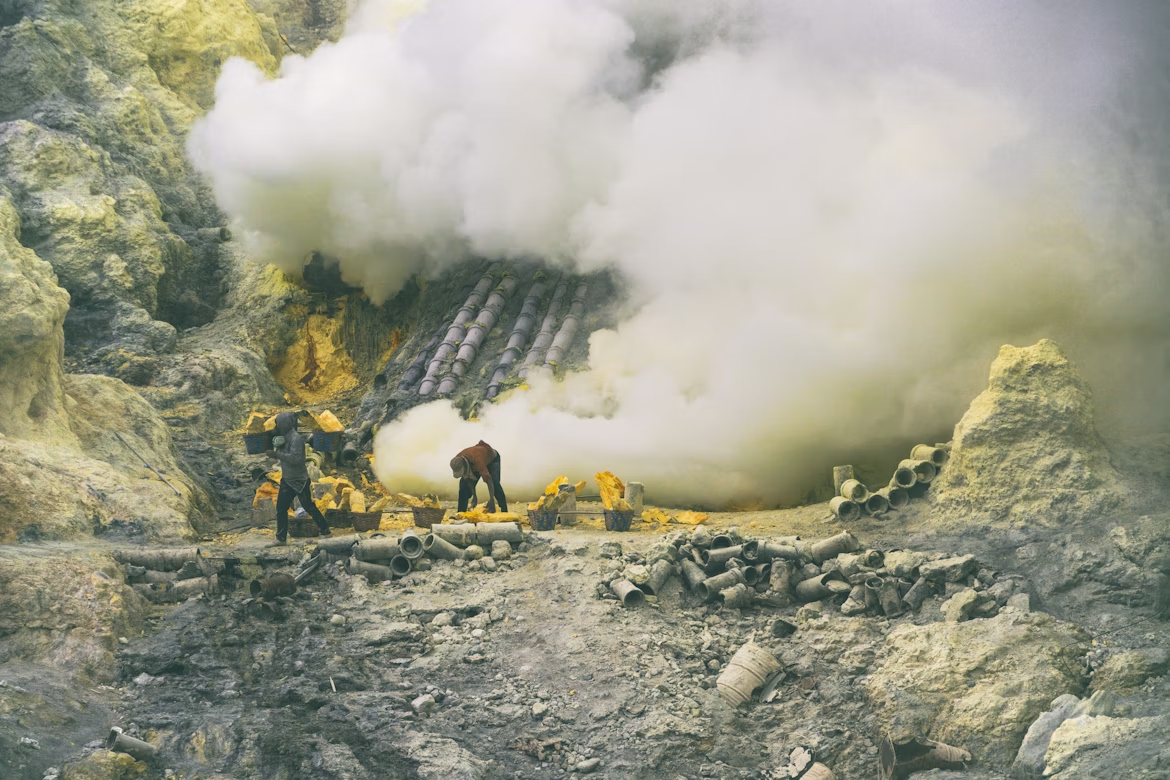
High-pressure acid leach (HPAL) is a chemistry-intensive process: dissolving laterite ore in sulphuric acid. The economy depends heavily on sulphur, and approximately 75% of Indonesia's sulphur requirements come from the Gulf region. That geographic concentration meant the Middle East conflict hit Indonesian nickel production on the input cost side with unusual speed.
Sulphur prices had already more than doubled to over $500 per tonne before the conflict, driven by inelastic supply meeting sustained demand from the expanding HPAL sector. Then, in the space of a single month, prices moved a further $250 per tonne.
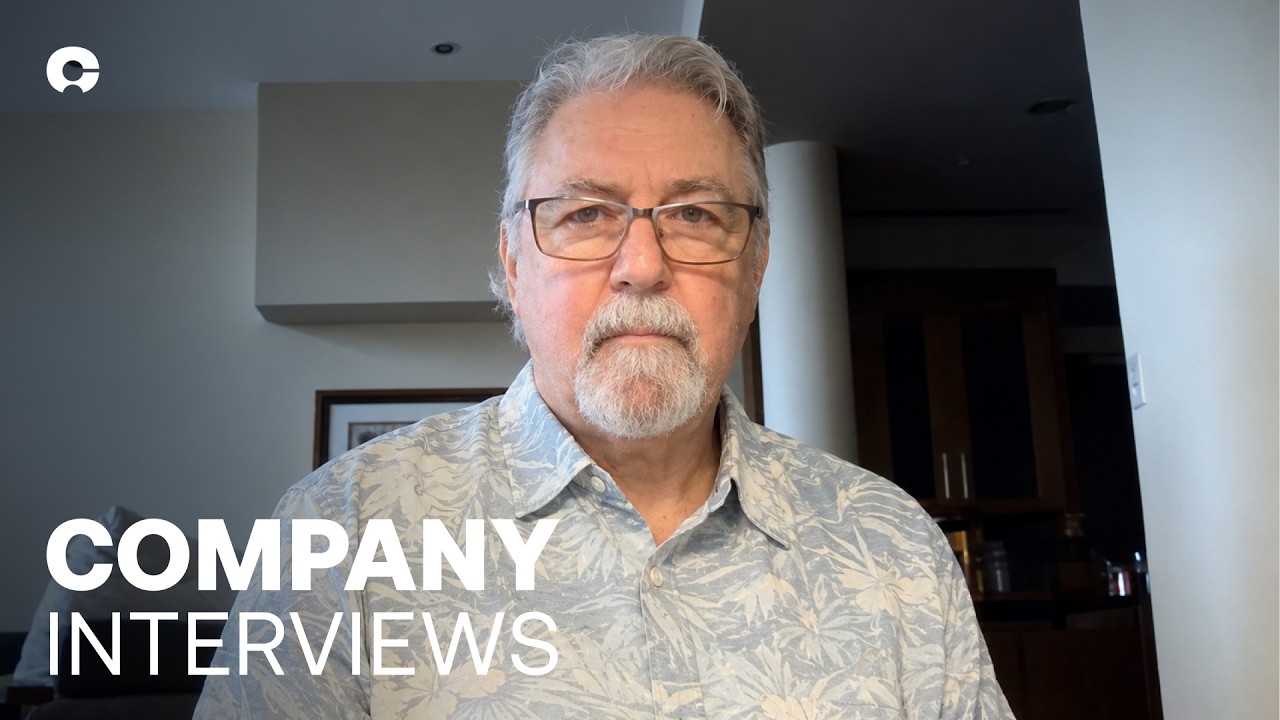
Chief Executive Officer of Canada Nickel, Mark Selby, is precise on the cost mechanics chain, tracing the full sequence from inelastic sulphur supply through to the per-tonne impact on HPAL producers:
"On average, it's about 12 tonnes of sulphur per tonne of nickel. We'd already seen sulphur prices more than double, prior to the war, up to over $500 a tonne because sulphur generation comes out of oil refineries and other places, and it's relatively inelastic. When you get a big source of new demand like these HPAL plants, it actually has an impact on the overall supply-demand balances. Prices had already moved up to the $500 a tonne level, and just in the last month, we've seen prices move another $250 a tonne. From a producer perspective, that's almost $3,000 a tonne if you're an HPAL producer right now."
At 12 tonnes of sulphur consumed per tonne of nickel produced, that $250 per tonne move translates directly into nearly $3,000 per tonne in additional production cost, on top of input inflation that had already accumulated over the prior year.
Indonesia's Cost Floor Moves Higher
The sulphur surge is one layer of a compound cost problem across the Indonesian nickel complex. Indonesia controls approximately 67% of global nickel supply, a concentration that exceeds OPEC's peak supply share of 54% in 1973. Indonesia is labeled as "ONEC", the one-country OPEC of nickel.
That concentration means cost pressure is broadly transmitted throughout the system. Ore prices surged 15% to 20%, rising $10 to $15 per tonne leading into spring, adding nearly $2,000 per tonne to nickel production costs. NPI producers, which melt laterite ore in a furnace process requiring significant coal input, are absorbing further cost increases as Indonesia manages and restricts domestic coal supply. Ore quota management has affected Western operators, including PT Vale and Eramet.
Indonesia has simultaneously tightened the policy environment: mining licences have been cut from three years to one year, new NPI and HPAL smelter construction has been banned, and heavy forestry fines have been introduced. Nickel prices have held in a narrow band of $17,000 to $17,800 per tonne, with the $18,000 per tonne level functioning as a resistance ceiling. That threshold triggers a royalty rate increase in Indonesia, creating, management suggests, an incentive for producers such as Tsingshan to sell at levels just below it.
The result is a supply complex absorbing rising ore, sulphur, and coal costs with no corresponding relief on the revenue side.
Crawford's Position on the Other Side of the Curve
Crawford's processing route sits structurally outside the cost pressures compressing Indonesian margins. Sulphide and polymetallic processing does not require the sulphur inputs driving HPAL costs, and it bypasses the coal-intensive smelting that defines NPI production. The project's net C1 cash cost is US$0.39 per pound on a life-of-mine average basis, placing Crawford in the global first quartile. All-in sustaining cost is US$1.54 per pound on the same basis.
Selby frames the competitive logic plainly, placing Crawford's cost position against a supply complex whose entire cost base is shifting higher:
"Indonesia's two-thirds of supply, that entire cost base is sliding up the cost curve. For assets that can get on the other side of that cost curve, which is the kind of assets we've got at Canada Nickel and some of the others, then you've got all this supply to the right of you. That should mean you can be cash-flow generative across the cycle, which is great."
The cost gap between Crawford and higher-cost Indonesian production widens as ore, sulphur, and coal prices rise, because the inputs driving that inflation are supply-geography and process-chemistry constraints rather than transient market conditions.
De-Risking Progress & Upcoming Catalysts
The external cost story lands at a moment when Crawford's internal milestones are accumulating. The second phase of the federal permitting process is complete, the federal review of the Crawford Environmental Impact Statement is finished, and the main federal environmental permit is targeted for summer 2026. Crawford has been named to Ontario's "One Project, One Process" expedited permitting framework, received a public mention in the provincial budget, and Hydro One has been awarded the engineering contract to connect Crawford to the electrical grid at a substation south of Timmins. A construction decision and construction start are targeted for year-end 2026, with first production targeted for year-end 2028.
The funding structure targets US$2.5 billion. Anchoring the debt side are a US$500 million Letter of Interest from Export Development Canada as Mandated Lead Arranger and a C$500 million support letter from a Canadian financial institution, with the balance to come from global export credit agencies and private lenders. On the equity side, US$600 million in expected investment tax credits forms the largest single component, with additional contributions anticipated from the Samsung SDI offtake option, government funding programmes, and a potential project-level minority interest sale. Strategic shareholders include Agnico Eagle at 10.0%, Samsung SDI at 7.2%, Anglo American at 6.3%, and Taykwa Tagamou Nation at 7.1% on conversion. Front-End Engineering Design (FEED) results published in March 2025 returned an after-tax net present value at an 8% discount rate (NPV8%) of US$2.8 billion, an internal rate of return (IRR) of 17.6%, and initial capital of US$2.0 billion.
New Canadian federal critical mineral funds entered their new fiscal year in April 2026, with management targeting tangible disbursements later in 2027. The US Defense Industrial Base Consortium has included nickel in a short-fuse funding round allocable to allied nations, including Canada. Selby puts the investor dynamic directly, connecting the rare earth rally miss to a self-reinforcing loop of government funding and generalist capital now moving toward nickel:
"Generalist institutional investors saw what happened in the rare earth sector and realised there was a whole pile of alpha they missed out on. They like something where there's a macro theme; national security, getting China out of the supply chain, governments getting serious about this. That rare-earth thing happened, and most of them completely missed the boat or got halfway through the moves. So they are now actively looking at other commodities. As this year goes on, I think you're going to see this nice self-reinforcing loop where governments are going to start providing chunky funding across other minerals, and you're going to see more generalist investors come into the space and start to pick up some of the other commodities."
FAQs (AI-Generated)
Indonesia sources approximately 75% of its sulphur requirements from the Gulf region, and the high-pressure acid leach process consumes an average of 12 tonnes of sulphur per tonne of nickel produced. When conflict pushed sulphur prices up by $250 per tonne in a single month, that input cost increase translated into nearly $3,000 per tonne in additional production costs for high-pressure acid leach operators, on top of inflation that had already accumulated over the prior year.
Crawford uses sulphide and polymetallic processing, which requires neither the large sulphur volumes that high-pressure acid leach demands nor the coal-intensive furnace smelting that drives nickel pig iron costs. That process difference means rising sulphur and coal prices do not flow through to Crawford's cost base in the same way, anchoring its net C1 cash cost at US$0.39 per pound in the global first quartile.
Indonesia controls approximately 67% of global nickel supply, a concentration the company notes exceeds OPEC's peak supply share of 54% in 1973. When cost pressure accumulates across ore prices, sulphur, and coal simultaneously in a single dominant-supplier country, it raises the cost floor across the entire global supply complex rather than affecting only marginal producers.
Three catalysts stand out: the main federal environmental permit, targeted for summer 2026; a construction start, targeted for year-end 2026; and Canadian federal critical mineral fund disbursements, which management expects to flow later in 2027 as government processing timelines work through. The FEED results, published in March 2025, returned an after-tax NPV8% of US$2.8 billion, an IRR of 17.6%, and initial capital of US$2.0 billion.
The $18,000-per-tonne level triggers a royalty rate increase in Indonesia, creating, as management suggests, an incentive for producers such as Tsingshan to sell at or near that level but not above it. With Indonesia accounting for approximately 67% of global supply, prices have remained within a narrow band around that level.
Analyst's Notes





Subscribe to Our Channel

.png)

.png)



.jpg)
Stay Informed


