




Why Kabanga's Published Economics Are Now the Floor, Not the Base Case


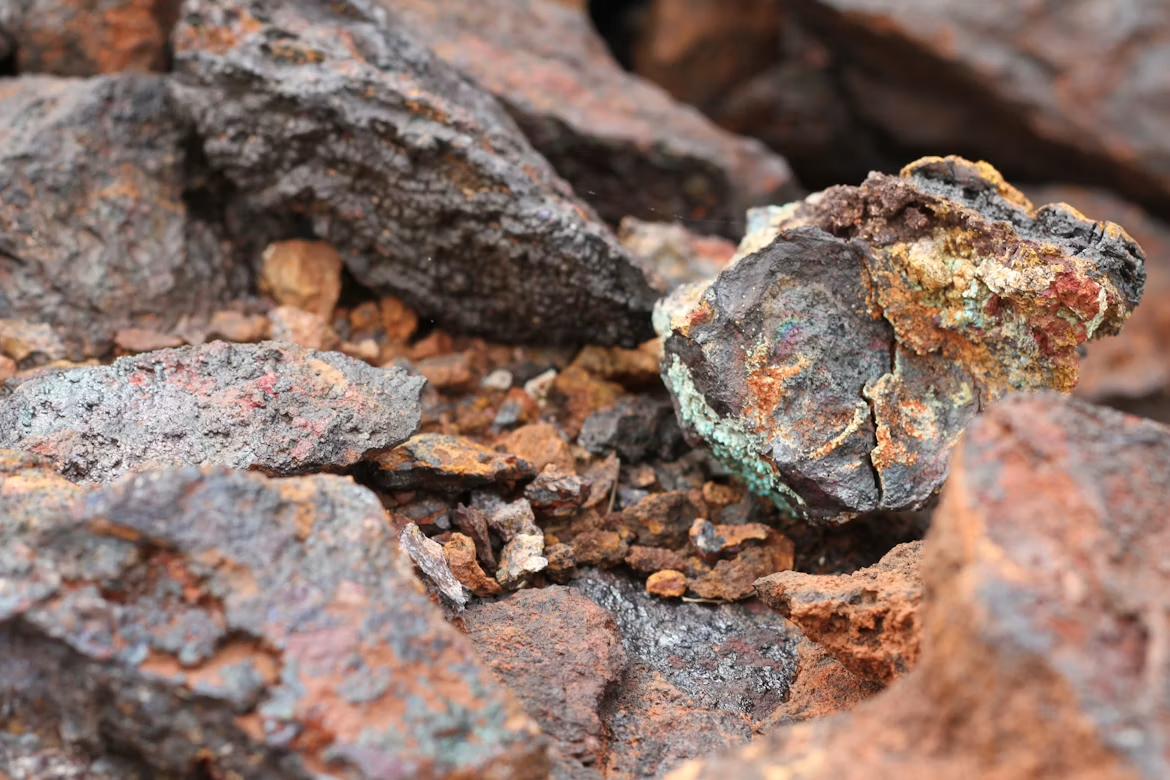
Kabanga's published $1.58B NPV and 23.3% IRR now look conservative as nickel, copper, and cobalt spot prices exceed the 2025 feasibility study assumptions.
- The LME nickel price has risen 37% from its late-2025 low, and spot prices for nickel, copper, and cobalt now exceed the commodity price assumptions used in Kabanga's July 2025 Feasibility Study (FS).
- The FS's published net present value at an 8% discount rate (NPV8%) of $1.58 billion and 23.3% after-tax internal rate of return (IRR) were calculated on conservative long-term price assumptions that current spot prices have already surpassed, making the published figures a conservative floor rather than a current base case.
- Kabanga carries a copper-equivalent grade of 4.1% and an all-in sustaining cost (AISC) of $3.36 per pound net of byproduct credits, positioning the project at the lower end of the global nickel cost curve.
- Indonesia's 2026 nickel ore mining quota has been reduced from 375 to 270 wet metric tonnes (wmt), below the expected demand of 345 wmt, while ore grades have fallen below 1.5%, and input costs are rising due to disruptions to sulphuric acid supply and energy inflation.
- Kabanga's path to a final investment decision (FID) runs through Framework Agreement negotiations with the Tanzanian government, a Societe Generale-led project financing process, and active workstreams with the US Development Finance Corporation (DFC).
What Has Happened
The LME nickel price has reached a two-year high, reflecting a 37% increase from its late-2025 low. Spot prices for nickel, copper, and cobalt have all moved above the price assumptions embedded in the Feasibility Study (FS) for the Kabanga project, developed by Lifezone Metals (NYSE: LZM), which carries an effective date of 18 July 2025. The International Nickel Study Group now projects a nickel market deficit of 32 kilotonnes in 2026, a reversal from the surplus of 283 kilotonnes recorded in 2025. That repricing across all three metals is the backdrop against which the study's published economics now have to be assessed
Kabanga's Grade Profile & Cost Position
Kabanga's deposit grade places it at the upper end of the global nickel project quality spectrum. With a nickel grade of 1.9% to 2% and copper and cobalt as byproducts, the project carries a copper-equivalent grade of 4.1%.
Chief Financial Officer of Lifezone Metals, Ingo Hofmaier, is direct about the deposit's through-cycle economics:
"Our nickel content is 1.9% to 2%, and then you have copper and cobalt byproducts. To put the quality into perspective, before I come back to the financial numbers, that's 4.1% copper-equivalent grade. That's significantly higher than a deposit like Resolution Copper or Kamoa-Kakula, and I think that's important to understand because in the copper space, projects like this would be seen as ones that make money throughout the cycle."
The cost structure reinforces the grade advantage. Kabanga's all-in sustaining cost (AISC) of $3.36 per pound, net of byproduct credits, positions the project at the lower end of the global nickel cost curve. Approximately 30% of the rock is sulphur, which generates the acid required for pressure oxidation on-site and eliminates the need to purchase and transport sulphuric acid as an external input.
Feasibility Study Economics at Current Spot Prices
Kabanga's FS was based on conservative long-term price asumptions for nickel, copper, and cobalt, with the effective date of 18 July 2025 anchoring the economics to the commodity environment at that time. Those assumptions generated a published net present value at an 8% discount rate (NPV8%) of $1.58 billion and an after-tax IRR of 23.3%. Spot prices for all three metals have since moved above those modelled levels, placing current market conditions above the price deck from which the published returns were derived.
Indonesian Cost Structure & Supply Constraints
Indonesian nickel operations, which sit in the middle of the global cost curve, are facing simultaneous pressure on both supply volumes and input costs. Indonesia's 2026 nickel ore mining quota has been set at 270 wet metric tonnes (wmt), down from 375 wmt in 2025 and below the expected sector demand of 345 wmt. The validity of mining quotas has been shortened from 3 years to 1 year, adding planning uncertainty for operators. Ore grades have fallen below 1.5% across most producing areas, and stricter environmental enforcement is applying additional pressure on output.
The cost environment is compounding the supply constraint. Indonesian high-pressure acid leach (HPAL) operations consume sulphuric acid as a process input; it is used during leaching and must be purchased for each production cycle. Disruptions associated with Strait of Hormuz tensions and a Chinese acid export ban have pushed sulphuric acid prices higher and raised the prospect of shortages. Higher energy costs attributable to the Middle East conflict are applying upward pressure on input costs across Indonesian operations.
Indonesia's regulatory framework has also been revised in ways that increase the cost burden on operators. A new benchmark pricing mechanism increases base prices across all ore grades and includes cobalt byproducts within its scope. Tiered royalty rates have been implemented, and an export tax is under consideration. With price levels now pressing into the middle block of the cost curve, industry consensus has been forming around the view that further downside in nickel prices is limited.
Hofmaier frames the cost curve constraint directly:
"Many in the industry now believe there's not much more to come on the downside, for the simple reason that it's now really eating into the middle block of the cost curve where the Indonesian operations sit."
Supply Concentration & Western Policy Response
Under current development trends, Indonesia could account for 75 to 80% of global nickel production, compared to 15 to 18% for the larger oil-producing nations within the Organisation of the Petroleum Exporting Countries, representing an unusual degree of supply concentration.
Western governments have proactively engaged to prevent a growing dependency on Indonesian supply, recognising the structural risk embedded in such a supply concentration. Indonesia has revised its licensing regime, introducing additional uncertainty into long-term supply projections from the country.
Projects outside Indonesian supply chains are attracting government attention and strategic capital from Development Finance Institutions, with Kabanga's non-Indonesian, advanced-stage position placing it within the scope of that engagement.
What to Watch Next
Several workstreams are advancing simultaneously toward a Final Investment Decision (FID) for Kabanga. Framework Agreement amendments are under active negotiation with senior members of the Tanzanian government, covering amendment details, a staging concept, and a joint financial model. The project financing process, led by Societe Generale, has completed roadshows and selected pathfinder DFIs and export credit agencies. Due diligence by the US Development Finance Corporation (DFC) has been completed, with further funding workstreams progressing. Strategic investment negotiations, led by Standard Chartered Bank, have completed term sheet negotiations following receipt of multiple offers.
The project's capital expenditure is approximately $950 million, with a total, including capitalised operating and financing costs during construction, of up to $1.2 billion. In April 2026, Lifezone drew $16.7 million under the second utilisation of its senior secured bridge loan facility with Taurus Mining Finance, with $18.3 million remaining available under that facility.
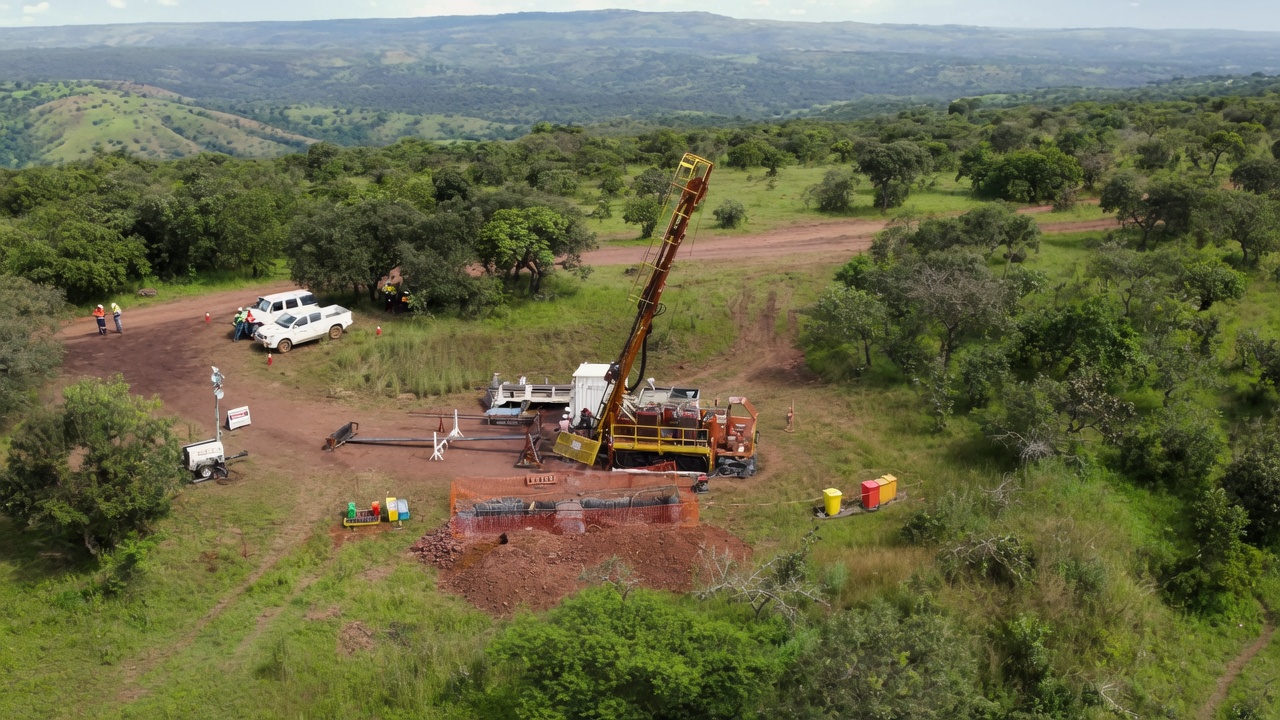
Pre-FID preparations across procurement, geotechnical, permitting, and community workstreams have advanced substantially. The Mining Commission has approved 52 critical-path expressions of interest, with 45 released to market, representing contracts valued at approximately $380 million. All material permits for current activities are in place, including the Special Mining Licence and the water use and abstraction permit. Geotechnical work includes 163 test pits completed across the project footprint, with borehole programmes for ventilation raises and boxcut areas complete. Cash compensation payments under the Resettlement Action Plan were completed in full by the end of 2025, with 97% of Project-Affected Households having signed agreements and received compensation.
FAQs (AI-Generated)
Analyst's Notes





Subscribe to Our Channel





Stay Informed


