




Canada Nickel & Samsung SDI: 7 Things You Need to Know About the US$1 Billion Crawford Deal



Samsung SDI’s US$100M Crawford option implies a US$1B valuation floor for Canada Nickel’s flagship project, backed by FEED economics and strategic offtake rights.
Project Overview
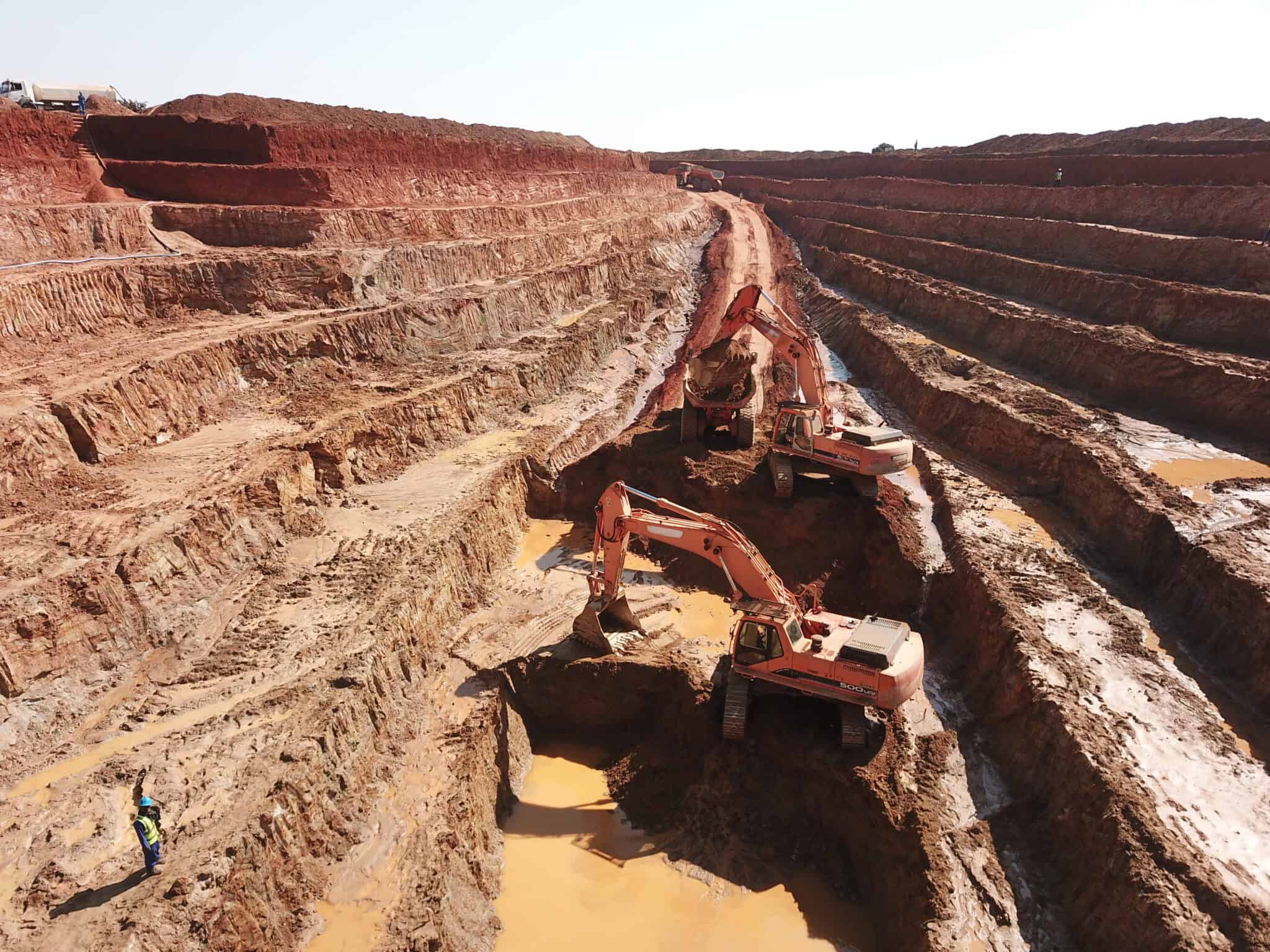
Crawford is a large-scale, long-life, low-cost nickel sulphide project in Ontario positioned to become the Western world's largest nickel sulphide operation by annual output. Canada Nickel (TSX-V: CNC | OTCQX: CNIKF) holds Proven and Probable reserves of 1,715 megatonnes at 0.22% nickel, containing 3,789 kilotonnes of nickel, ranking Crawford second globally by nickel reserves behind only Norilsk in Russia. Targeted annual production during the 27-year peak period reaches 48 kilotonnes of nickel, 0.8 kilotonnes of cobalt, 13 thousand ounces of platinum group metals, 1.6 megatonnes of iron, and 76 kilotonnes of chromium, over a 41-year mine life. Crawford carries the potential to become the largest nickel processing facility in North America and the largest stainless-steel and alloy production facility in Canada.
Crawford has been selected for Canada's Major Projects Office, enabling coordinated federal review, and is included in Ontario's One Project, One Process framework to streamline provincial approvals. Both the federal and provincial governments have designated the project a national priority.
The ore-grade objection that follows most large-tonne, low-grade deposits does not hold at Crawford as critics typically frame it.
Chief Executive Officer of Canada Nickel, Mark Selby, addresses it plainly:
"These low-grade ultra-mafics, yes, they are low grade, not disputing that fact, but because of the mineralisation, they produce a very high-grade concentrate that is two and a half to three times what a typical old-school high-grade nickel orebody concentrate looks like. That allows us to capture significantly more value, more than offsetting the grade impact up front."
1. The Samsung SDI Transaction Structure
Samsung SDI's US$100M acquisition option is a bundled strategic and commercial instrument, not a simple financial commitment. Exercise of the option conveys a 10% direct interest in the Crawford project plus 10% life-of-mine nickel offtake, together with a further 20% nickel offtake for 15 years, 30% aggregate offtake rights triggered on a single exercise decision. Samsung SDI, a tier-1 battery manufacturer, is identified as the project's anchor offtake partner.
The transaction structure addresses two distinct financing concerns simultaneously. The committed offtake reduces commodity price risk for the project, and the anchor customer relationship directly supports lender confidence and debt capacity. In that sense, the US$100M option serves as a de-risking mechanism for the broader capital structure rather than functioning as a stand-alone minority equity placement.
2. The Private Market Benchmark
The US$100M option implies a whole-project value of US$1 billion, a figure derived from a tier-1 battery manufacturer's due diligence process, not a company-issued projection. That gap in evidential weight is what the option exercise would close. Samsung SDI's pricing reflects an informed commercial assessment by a sophisticated counterparty with direct economic exposure to the outcome of any exercise decision.
The implied benchmark exists alongside a structural supply context in which decades of underinvestment have left a pronounced gap in scalable Western nickel supply. A transaction structured at this valuation level by this counterparty establishes a durable reference point for the project's value in the private market. Whether public equity has closed that gap is a separate question, but the private-market benchmark itself is established and verifiable.
Selby is direct about where investor recognition currently sits relative to where the transaction implies it should:
"We will help educate investors to get there, but not everybody is there at this point yet, which just means there is more upside ahead in the future as investors recognise that."
3. FEED Economics Underpin the Valuation
FEED results position Crawford's independent project value well above Samsung SDI's implied floor of US$1 billion. The FEED returned a net present value at an 8% discount rate (NPV8%) of US$2.8 billion, a US$300 million improvement from the Bankable Feasibility Study (BFS), and an internal rate of return (IRR) of 17.6%, a 0.5-percentage-point improvement. Initial capital expenditure totalled approximately US$2.0 billion. Incorporating carbon capture, utilisation, and storage credits lifts the NPV to approximately US$2.9 billion and the IRR to approximately 18.9%.
Cash cost performance substantiates the economics at the operating level. Life-of-mine average net C1 cash cost is US$0.39 per pound, with average net all-in sustaining cost of US$1.54 per pound. During the 27-year peak production period, Crawford generated average annual earnings before interest, taxes, depreciation, and amortisation of US$811 million and average annual free cash flow of US$546 million.
Selby frames the cost structure as a direct function of deposit scale:
"Because the deposits can be operated at a scale that the mining cost is relatively low."
The underlying reserve estimate and BFS economics were modelled against commodity price assumptions of US$15,650 per tonne for nickel, US$26,000 per tonne for cobalt, US$878 per ounce for palladium, US$748 per ounce for platinum, US$211 per tonne for iron, and US$2,500 per tonne for chromium.
4. How the Financing Architecture Reduces Equity Dilution
Crawford's US$2.5 billion funding plan is structured at 60% debt and 40% equity, with the equity component systematically offset by non-dilutive government support. Approximately US$600 million in government investment tax credits, covering Clean Technology Manufacturing and carbon capture, utilisation, and storage programmes, materially reduces the net equity requirement. Federal and provincial funding programmes spanning the Canadian Minerals Infrastructure Fund, Canada Growth Fund, Critical Minerals Sovereign Fund, First and Last Mile Fund, and Ontario Critical Mineral Processing Fund contribute an additional US$100 million to US$300 million. Global and Group of Seven funding sources, including Infravia of France, the German Resource Fund, the Japan Oil, Gas and Metals National Corporation, and Korean sources, provide a further international layer.
On the debt side, Export Development Canada has issued a letter of intent for US$500 million and is acting as Mandated Lead Arranger. A leading Canadian financial institution has issued a C$500 million support letter. Scotiabank and Deutsche Bank are advising on a joint venture and offtake structure that could contribute an additional US$0 to US$200 million through a minority interest placement.
5. The Strategic Shareholder Base
Crawford's strategic shareholder group spans four parties: Agnico Eagle, Samsung SDI, Anglo American, and Taykwa Tagamou Nation, each representing a distinct form of project validation. Agnico Eagle brings the credibility of a major gold producer with direct exposure to the Ontario mining jurisdiction. Anglo American represents a global diversified miner with a project-level perspective across large-scale base metal developments. Samsung SDI's involvement as a tier-1 battery manufacturer connects the project directly to the electric vehicle supply chain demand. Taykwa Tagamou Nation's equity partnership goes beyond social licence framing; it aligns long-term community interests with the project's commercial outcome.
The composition of this group is not incidental. A strategic shareholder base spanning production, processing, battery manufacturing, and host community partnerships provides Crawford with a validation framework that extends beyond any single counterparty's perspective.
6. The Permitting & Financing Catalyst Sequence
Final permits are targeted for early summer 2026, making the permitting decision the nearest-term binary event in the gate structure toward a Final Investment Decision (FID). That outcome gates everything downstream: the Export Development Canada mandate, investment tax credit receipts, and government programme approvals are all targeted for 2026, with the full financing package expected by year-end 2026. The FID is targeted for 2027, followed by a construction period of approximately 2 years, with first production targeted for 2029.
Each milestone in this sequence carries a distinct function. A permit receipt confirms regulatory clearance and materially increases the likelihood that the financing package will close on schedule. A completed financing package on the targeted terms, at 60% debt and 40% equity, with the non-dilutive support mechanisms in place, demonstrates that the capital structure underwrites the Samsung SDI-implied valuation. The FID converts that validation into a construction commitment. For investors tracking the option exercise, the permitting decision is where the sequence either advances or stalls.
7. What the Option Exercise Would Confirm
An option exercise would convert Crawford's US$1 billion implied project valuation from a private-market reference point into a transacted valuation, thereby triggering the full offtake package established in the transaction structure. That combination of equity interest and offtake volume would constitute the most direct external confirmation available that the project economics support the benchmark established by Samsung SDI's initial due diligence.
Non-exercise leaves the US$1 billion figure as a reference point established through due diligence, rather than a completed transaction. That difference in evidential standing is what the option exercise would resolve. A benchmark derived from a tier-1 counterparty's assessment has independent credibility; a benchmark confirmed by an actual exercise has the additional weight of economic commitment. The option's value to the Crawford investment thesis is that it creates a defined future event at which that distinction resolves.
Key Takeaway for Investors
- Crawford holds 3,789 kilotonnes of contained nickel in Proven and Probable reserves, ranking it second globally by nickel reserves and positioning it as the Western world's largest nickel sulphide operation by planned annual output, giving the Samsung SDI transaction a credible anchor for its implied valuation.
- Samsung SDI's US$100 million acquisition option is structured as a bundled instrument that conveys a 10% direct project interest alongside 30% aggregate nickel offtake rights upon exercise, making it a strategic and commercial commitment rather than a straightforward minority equity placement.
- Front-End Engineering and Design results returned a net present value at an 8% discount rate of US$2.8 billion, US$300 million above the Bankable Feasibility Study figure, with an internal rate of return of 17.6%, providing independent engineering support for a project value that substantially exceeds the Samsung SDI-implied floor.
- Approximately US$600 million in government investment tax credits, an Export Development Canada letter of intent for US$500 million, and additional federal and provincial programme funding reduce the net equity requirement and limit dilution for existing shareholders within a US$2.5 billion total funding plan structured at 60% debt and 40% equity.
- The permit decision targeted for early summer 2026 is the nearest-term binary event in the gate structure toward a Final Investment Decision in 2027, and its outcome directly determines whether the full financing package can close on schedule by year-end 2026.
Bottom Line
The Samsung SDI acquisition option does something analytically distinct from most strategic partnerships at the development stage: it attaches a specific, externally derived valuation to the project rather than leaving that figure to the market to determine. A US$1 billion implied project value, established by a counterparty whose commercial interests depend on that assessment being accurate, functions as a durable reference point regardless of where the public equity trades on any given day. Crawford's FEED economics, at an NPV8% of US$2.8 billion and an IRR of 17.6%, establish that the Samsung SDI-implied floor is a floor, not a ceiling. The permitting decision expected in early summer 2026 is the first event in a sequenced gate structure that will determine how quickly, and with what certainty, that private market benchmark becomes a transacted one.
Analyst's Notes





Subscribe to Our Channel



Stay Informed


