




Cobra Resources Completes 74-Hole Resource Drilling Campaign at Boland & Head Rare Earth Prospects


.webp)
Cobra Resources completes 74-hole, ~3,200m rare earth resource drilling at Boland and Head, with a maiden JORC resource estimate targeted for June 2026.
- Cobra Resources has completed resource definition drilling across its Boland and Head rare earth prospects at the Wudinna project in South Australia, totalling 74 drillholes and approximately 3,200 metres.
- Early assay results from Boland confirm encouraging total rare earth oxide grades within the Pidinga and Garford formations, supporting the use of low-cost in situ recovery (ISR) as the preferred extraction method.
- Alongside grade data, the Company is testing samples for organic carbon, sulphide content, permeability, and metallurgy to model acid generation and demonstrate reduced sulphuric acid requirements, which management considers could position the project in the bottom cost quartile.
- A strongly reduced ISR-recoverable channel has been defined at the Head Prospect; further drilling and assay results are expected over the next six to eight weeks.
- Independent consultants have been engaged for a mineral resource estimate and scoping study, with completion targeted for mid-2026.
Drilling Programme Reaches Completion
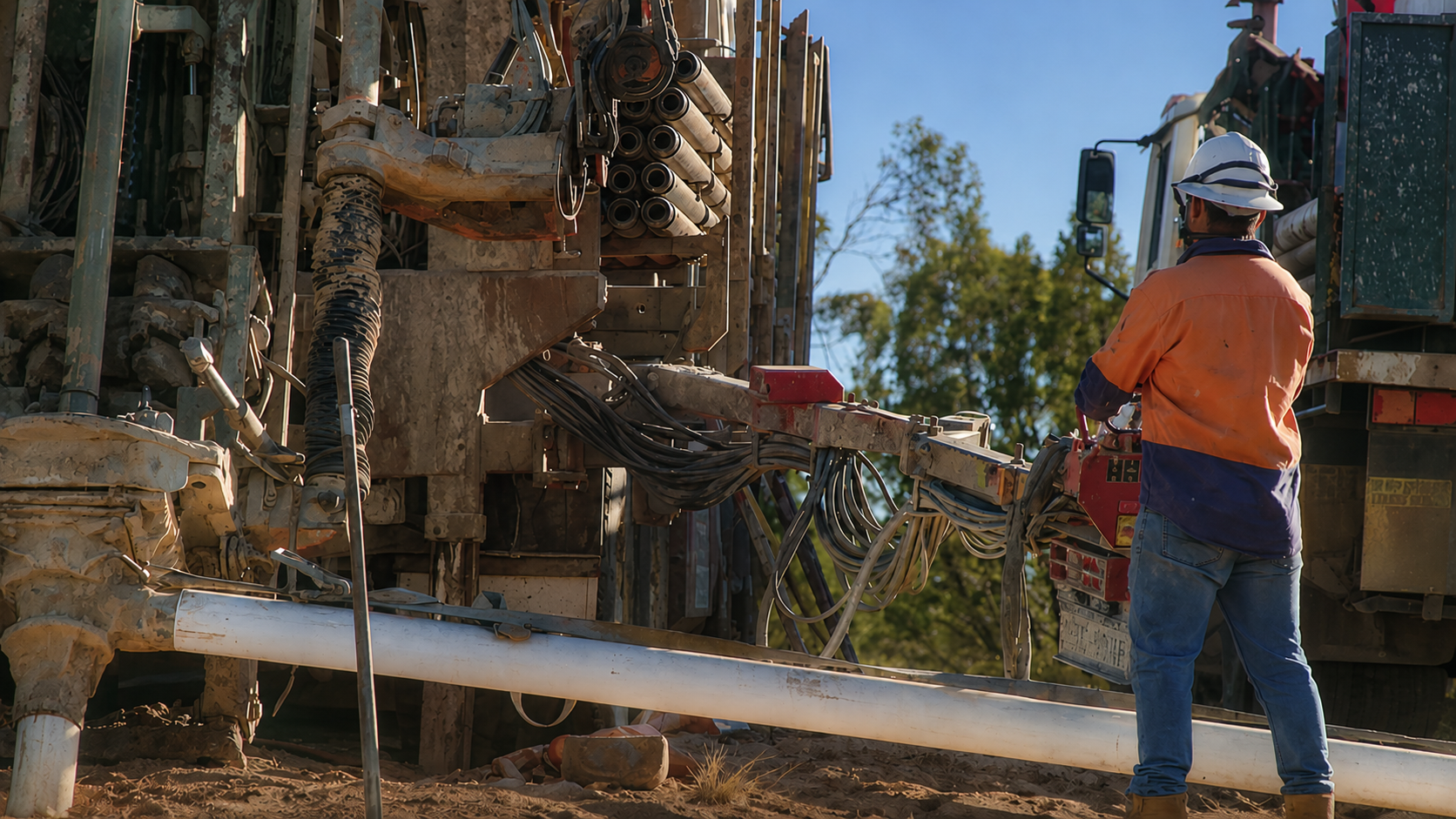
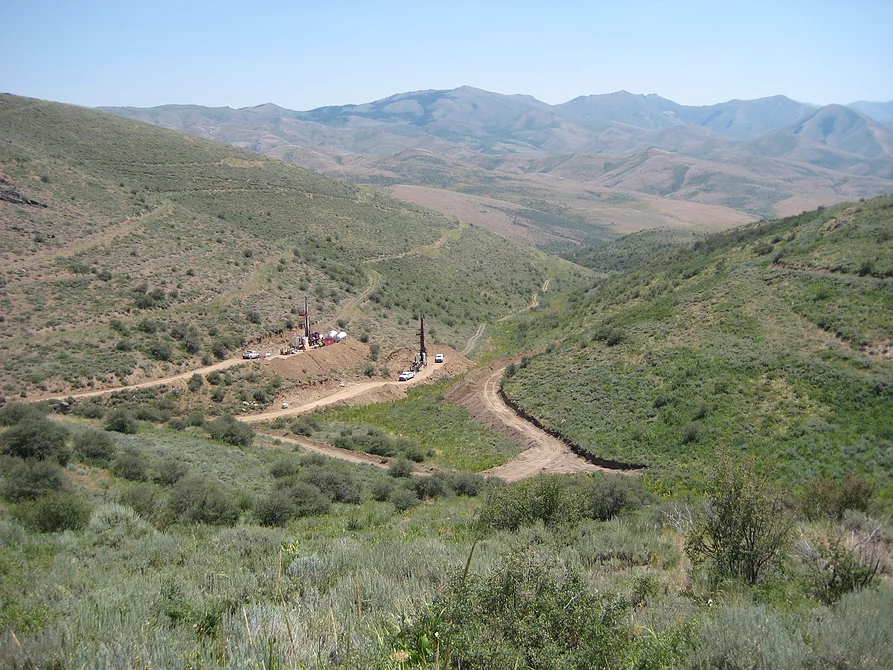
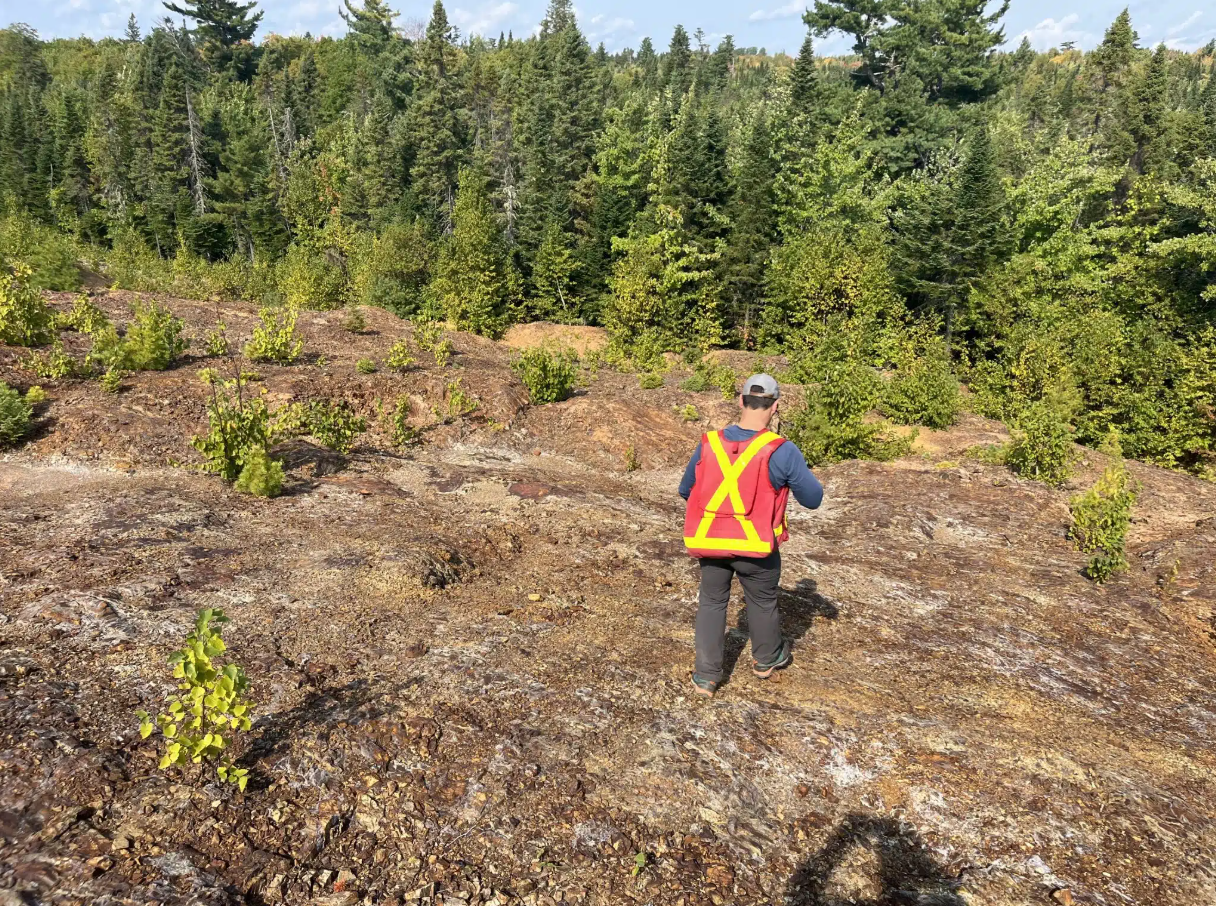
Cobra Resources (LSE: COBR), the South Australian critical minerals developer, has completed a 74-hole resource definition drilling campaign totalling approximately 3,200 metres across the Boland and Head rare earth prospects at its Wudinna project. The programme, which was executed using two drill rigs concurrently and commenced on 12 March 2026, represents the most substantial drilling effort to date at the project and is designed to provide the geological density required for an initial mineral resource estimate under the JORC Code.
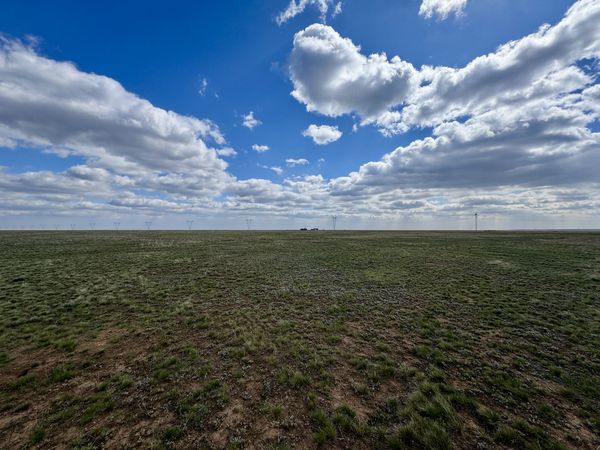
The campaign covered up to 36 holes at Boland and up to 54 holes at Head, the latter located approximately 20 kilometres south of Boland within the Yaninee Palaeochannel system. Both prospects host ionic rare earth mineralisation bound within palaeochannel sands - an aquifer-hosted system considered amenable to in situ recovery (ISR), a method in which a lixiviant solution is injected underground to mobilise rare earth elements, which are then pumped to surface for processing without excavation or ground disturbance.
Early Assay Results Affirm ISR Economics
Early assay results from Boland indicate encouraging total rare earth oxide grades within the Pidinga and Garford formations, with mineralisation characteristics consistent with prior drill programmes. The Company is conducting comprehensive sample testing beyond grade alone, including analysis for organic carbon content, sulphide content, permeability, and metallurgical response. The purpose of this extended test suite is to model acid generation rates and demonstrate reduced sulphuric acid consumption relative to conventional rare earth processing - a parameter management believes is central to establishing a bottom cost quartile operating position.
At the Head Prospect, the Company reports it has defined a strongly reduced ISR-recoverable channel. The channel definition at Head is an important geological outcome because it delineates the specific stratigraphic horizon most amenable to lixiviant injection and recovery, which directly informs spacing and orientation of any future production wellfield. Previous metallurgical work on historical pulps from Head had confirmed recoveries of terbium and dysprosium within the Pidinga Formation comparable to early-stage results at Boland, where the programme has already advanced recoveries to 68% for terbium and 63% for dysprosium through bench-scale ISR techniques.
Resource & Scoping Study Process Under Way
Cobra has engaged independent consultants to undertake both a mineral resource estimate and an economic scoping study. The resource estimate is targeted for completion by June 2026 and the scoping study by July 2026. The engagement of an independent Competent Person to manage the technical requirements of the resource estimation marks a material procedural step, as this is the precondition for the Company to report a JORC-compliant mineral resource - the first such estimate for the Boland and Head combined system.
The remaining assay results from the drilling campaign are anticipated over the next six to eight weeks. Those results will feed directly into the resource model, with the consultants understood to be working in parallel with data as it arrives to accelerate the timeline to an estimate.
Next Steps
The immediate near-term catalysts disclosed in the press release are as follows. Outstanding assay results from the 74-hole resource drilling programme are expected within six to eight weeks of the announcement. An initial JORC mineral resource estimate is targeted for June 2026, followed by an economic scoping study targeted for July 2026. The Company intends these two study outputs to establish the commercial parameters of a low-cost ISR mining operation at the Boland and Head prospects and to support progression toward a field-scale ISR pilot programme.
FAQs (AI-Generated)
Analyst's Notes





Subscribe to Our Channel




Stay Informed

























