Cobra Stretches Manna Hill Copper Corridor to 2.7 Kilometers, Turns to Depth Test


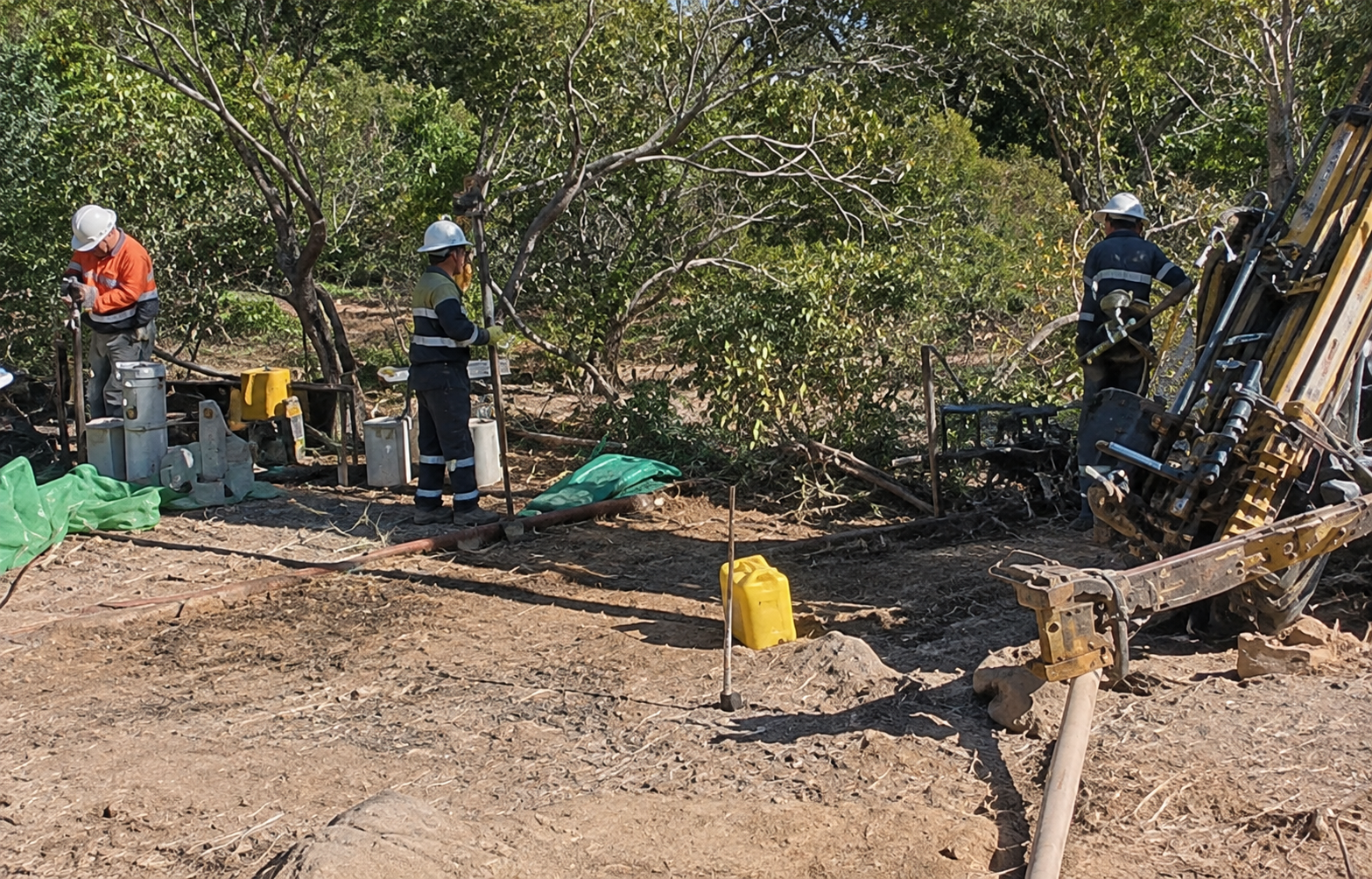
Cobra Resources extends its Manna Hill Blue Rose copper corridor to 2.7 kilometers and widens Shadow Rose as a larger rig mobilizes to test depth.
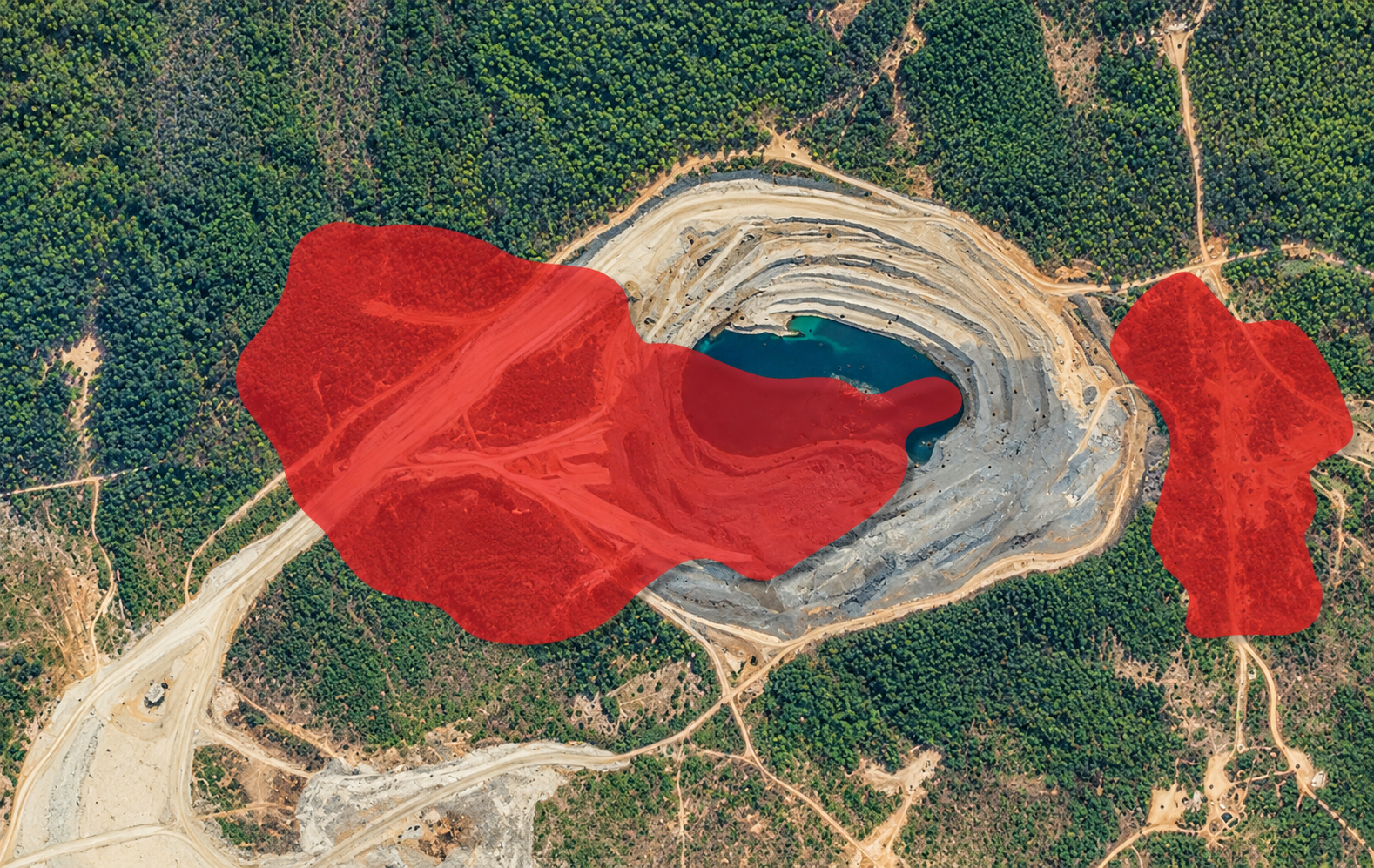
- Cobra Resources has increased the strike of the Blue Rose copper mineralization corridor at its Manna Hill Copper Project in South Australia to 2.7 kilometers, with mineralization confirmed along 1.6 kilometers.
- New drilling has widened the mineralized skarn stratigraphy at the Shadow Rose discovery beyond 100 meters, with a hole drilled 100 meters south of the discovery hole returning 22 meters at 0.48% copper from 10 meters.
- A hole about 220 meters west of the Shadow Rose discovery hole logged visual copper oxides from 6 meters to 115 meters and ended in mineralization, with laboratory assays targeted within about 2 weeks.
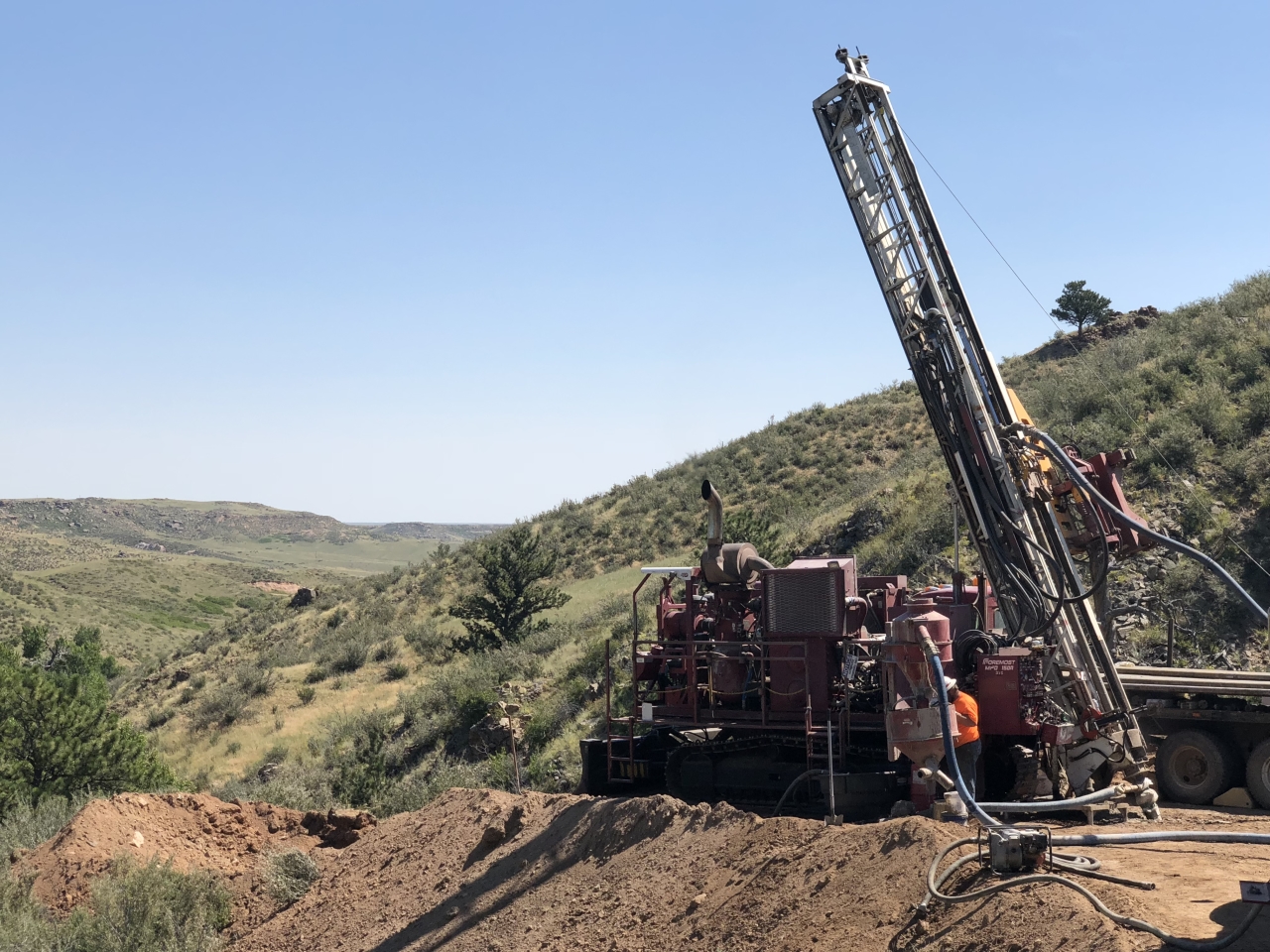
- A larger drill rig is mobilizing to test down-dip continuity at Shadow Rose and Blue Rose West, and step-out holes to 250 meters depth have been cleared.
- Drilling has started at Netley Hill, a porphyry copper-molybdenum prospect that returned 350 meters at 0.1% copper and 0.015% molybdenum in historical drilling.
Cobra Resources plc (LSE: COBR) has extended the Blue Rose mineralization corridor at its Manna Hill Copper Project to 2.7 kilometers of strike and widened the Shadow Rose skarn beyond 100 meters, according to drill results reported on November 12, 2026. Shallow drilling has now outlined a 2.7-kilometer corridor, with mineralization confirmed along 1.6 kilometers, and a skarn width beyond 100 meters at Shadow Rose. The outstanding test is depth: a larger reverse circulation (RC) rig is mobilizing to drill below the shallow intersections at Shadow Rose and Blue Rose West, where Cobra interprets a porphyry source for the skarn-hosted copper.
Shadow Rose Widens as Western Holes Extend the Corridor
A hole drilled 100 meters south of the Shadow Rose discovery hole returned 22 meters at 0.48% copper and 0.02 grams per tonne gold from 10 meters, including 12 meters at 0.7% copper from 16 meters. The hole cut 2 deeper zones: 10 meters at 0.22% copper from 66 meters and 30 meters at 0.21% copper from 88 meters. The discovery hole returned 58 meters at 0.46% copper and 0.15 grams per tonne gold from 10 meters, including 10 meters at 1.09% copper from 24 meters, extending the mineralized skarn stratigraphy at Shadow Rose beyond 100 meters in width. A third hole returned lower-grade mineralization, including 14 meters at 0.17% copper from 26 meters, and its end-of-hole assays are outstanding.
West of the discovery, a hole about 220 meters away recorded copper oxides from 6 meters to 115 meters in visual and portable X-ray fluorescence (pXRF) observations and ended in mineralization. The westernmost hole drilled to date logged visual and pXRF copper over 14 meters from 42 meters and ended in primary mineralization between 114 meters and 120 meters. Cobra reports that visual observations extend strike potential a further 600 meters west. These readings are preliminary and not a substitute for laboratory assays or an indication of grade.
At Neptune Rose, interpreted as the northern fold limb of the Blue Rose skarn, one hole returned 2 meters at 0.51 grams per tonne gold from 98 meters and 10 meters at 0.39% copper and 0.06 grams per tonne gold from 104 meters. A second Neptune Rose hole intersected anomalous copper oxides from 28 meters to 42 meters, with assays pending.
Depth Becomes the Next Test
Earlier diamond drilling at Blue Rose gives a reference point below the current RC intersections, with 2 holes returning 23 meters at 0.63% copper from 186 meters and 36 meters at 0.39% copper from 232 meters. Step-out RC holes cleared to 250 meters will test directly beneath the shallow mineralization.
Managing Director and Chief Executive Officer of Cobra Resources, Rupert Verco, tied the next phase of drilling to the dimension the program has yet to test:
"Scale is defined in three dimensions and having the capacity to test depth continuity below these shallow intersections is an important next step."
Blue Rose West & the Porphyry Case
Cobra's porphyry interpretation is most direct at Blue Rose West. A hole there returned 32 meters at 0.7% copper and 0.07 grams per tonne gold from 52 meters, including 12 meters at 1.13% copper from 56 meters, in non-skarn host rocks with strong potassic alteration adjacent to a large modeled magnetic body. Cobra describes the zone as a possible high-grade potassic porphyry system and plans 6 additional holes to test the magnetic body and the possible scale of copper and potassic mineralization.
The shallow grade base at Blue Rose is already established. A hole drilled earlier in 2026 returned 74 meters at 1.02% copper and 0.25 grams per tonne gold from 70 meters, and a historical hole returned 47 meters at 2.2% copper and 0.76 grams per tonne gold from 11 meters. By October 2026, Cobra had drilled about 7,500 meters at Manna Hill during the year, with assays outstanding for about 3,000 meters. No Mineral Resource Estimate has been reported for the project, so the corridor's value at this stage depends on whether drilling links the shallow skarns to a larger porphyry source at depth.
Netley Hill & the Nackara Arc Pipeline
Manna Hill lies in the Nackara Arc of South Australia. Slim-line RC drilling has started at Netley Hill, whose historical drilling returned 350 meters at 0.1% copper and 0.015% molybdenum. The Anabama Hill porphyry, also scheduled for slim-line RC and aircore drilling, returned 27 meters at 0.2% copper and 24 meters at 0.06% molybdenum. Cobra is targeting completion of the slim-line RC and aircore programs at Blue Rose, Neptune Rose, Anabama Hill and Netley Hill in November 2026.
Verco placed the Netley Hill start within the wider program:
"We have achieved another important operational milestone commencing drilling at Netley Hill, a proven porphyry that has not been advanced in decades."
A heritage survey is planned for early December to allow drilling of the corridor's western continuity, and Cobra is targeting follow-up diamond drilling at Blue Rose and a detailed drone magnetic survey. Assays from the western Shadow Rose hole, the larger-rig down-dip holes and the 6 magnetic-body holes at Blue Rose West will each test whether the 2.7-kilometer corridor extends to depth.
FAQs (AI-Generated)
Analyst's Notes





Subscribe to Our Channel



Stay Informed