Gold Exploration Budgets Rise 38% as Investors Return to Junior Miners


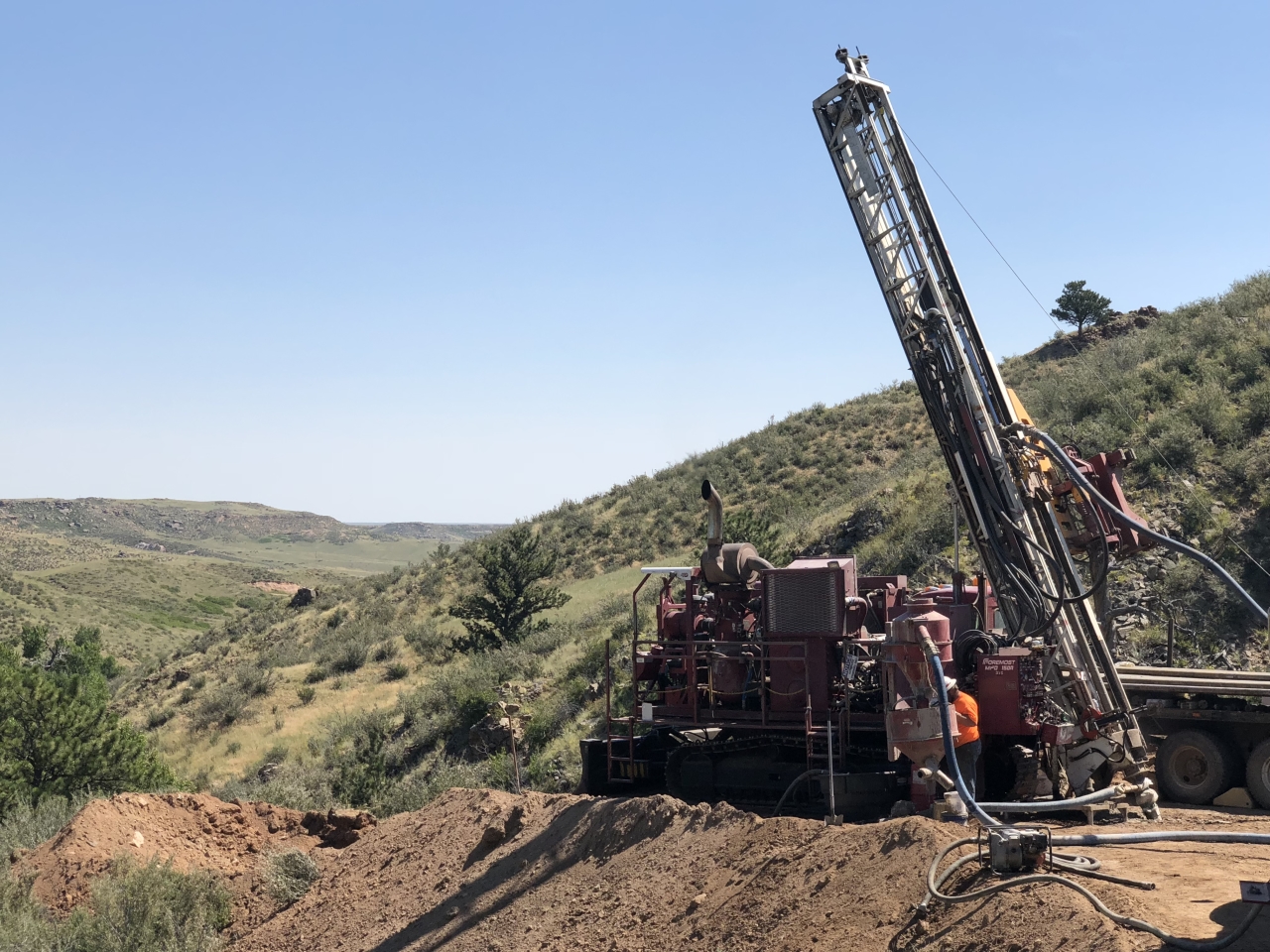
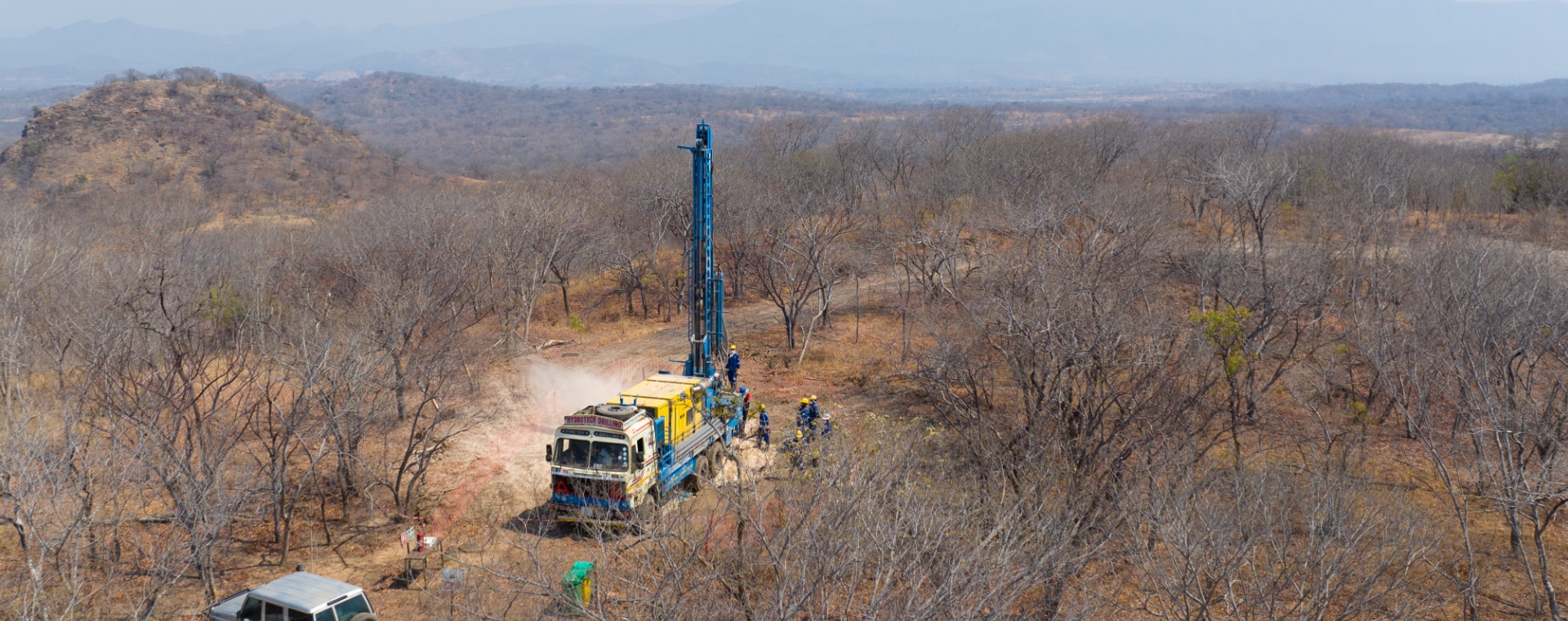
Expanded funding for junior gold miners is enabling larger drilling programs and resource studies that could define future gold mine supply.
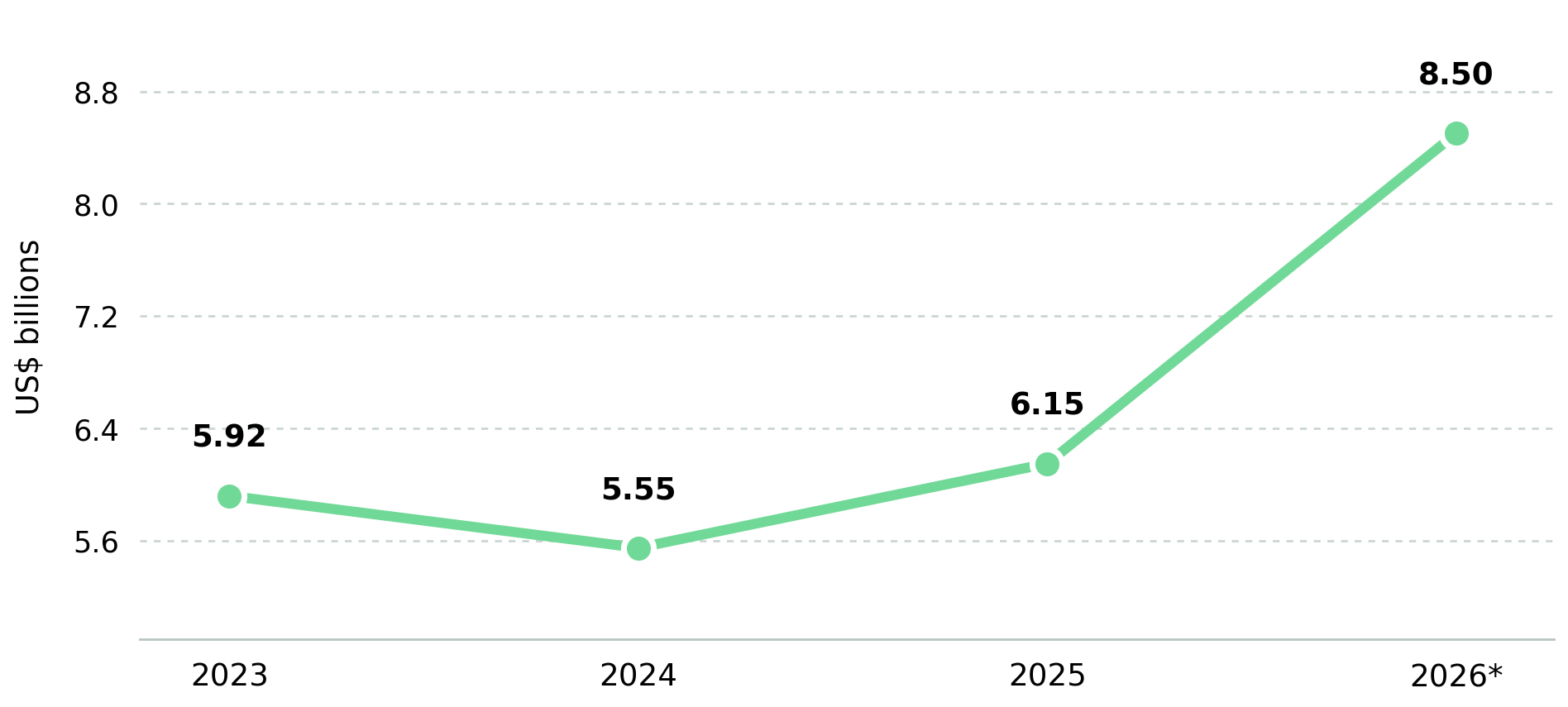
- S&P Global reports that planned global gold exploration budgets rose 38% from 2025 to US$8.5 billion in 2026, the second-highest total on record before adjusting for inflation.
- Global nonferrous exploration budgets increased by US$4.1 billion in 2026, the largest annual gain in more than a decade, with gold and copper driving most of the growth.
- Canada's gold exploration allocation reached US$1.92 billion, up US$668 million, while the number of active explorers remained broadly unchanged at 632.
- Mining issuers raised C$13.70 billion through 1,092 financings on the Toronto Stock Exchange (TSX) and TSX Venture Exchange (TSXV) during the first 10 months of 2026.
- Exploration budgets increased across project stages in 2026, extending planned spending beyond new discoveries to resource definition and economic assessment at established deposits.
Improved Financing Expands Gold Exploration Budgets
S&P Global reports that planned global gold exploration budgets rose 38% from 2025 to US$8.5 billion in 2026, the second-highest total on record before adjusting for inflation. Global nonferrous exploration budgets also increased to US$16.5 billion, up from US$12.4 billion in 2025, marking the largest annual increase in more than a decade. Gold and copper drove most of the growth, while improved financing conditions helped revive exploration activity among junior mining companies.
Canada remains the largest destination for nonferrous exploration, with budgets rising 37% to US$3.14 billion in 2026. Gold allocations increased by US$668 million to US$1.92 billion, accounting for approximately 61% of Canada's planned nonferrous exploration spending.
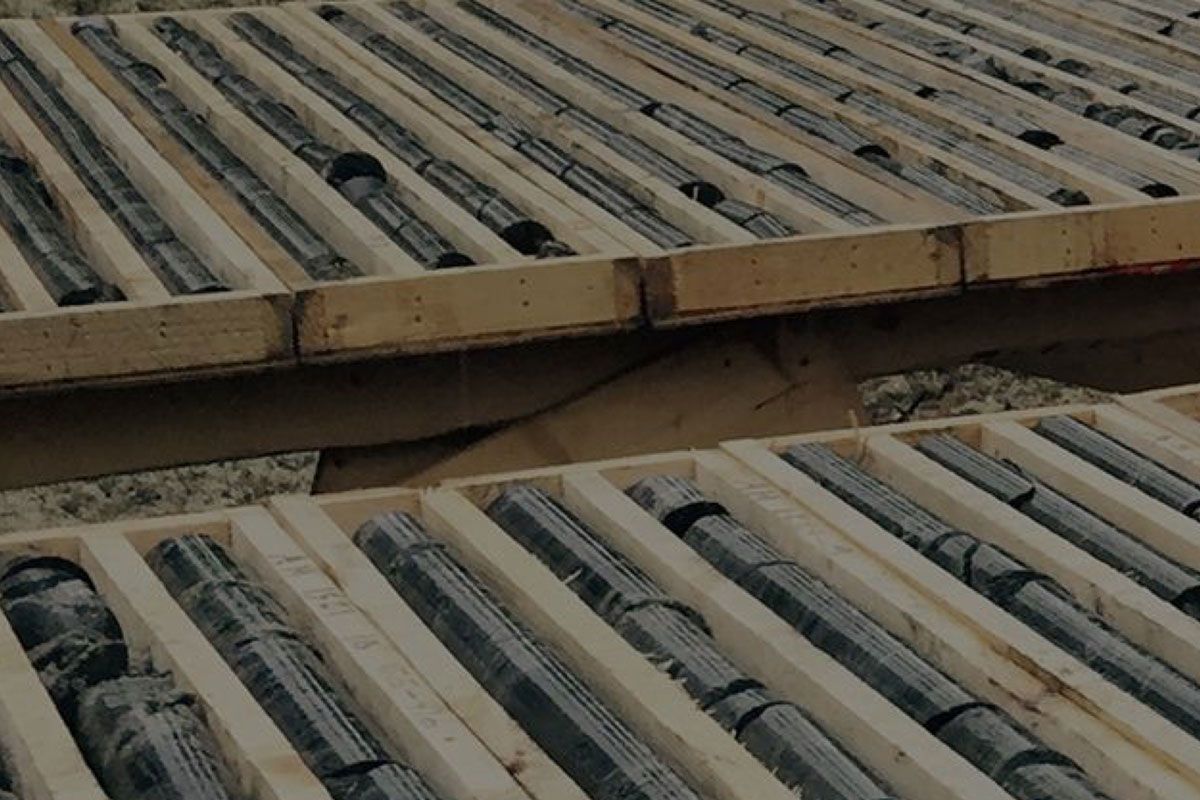
The number of active Canadian explorers remained broadly unchanged at 632, indicating that the exploration budget increase came from larger programs rather than more participating companies. More extensive drilling and sampling can improve estimates of how far mineral deposits extend and provide the technical data needed for subsequent economic studies.
Mining Equity Fundraising Broadens Capital Access for Juniors
The TSX reports that mining issuers raised C$13.70 billion through 1,092 completed equity financings across the TSX and TSXV during the first 10 months of 2026. The TSXV accounted for C$8.09 billion, or approximately 59% of the total, demonstrating the scale of capital raised through an exchange widely used by junior mining companies.
Natural Resources Canada (NRCan) reports that Canadian junior mining companies plan to spend C$2.946 billion on exploration and deposit appraisal in 2026, approximately 22% above the C$2.419 billion they spent in 2025. These junior-specific spending intentions cover exploration and deposit evaluation across mining commodities, providing a separate measure of planned activity alongside the completed equity financings reported by the TSX.
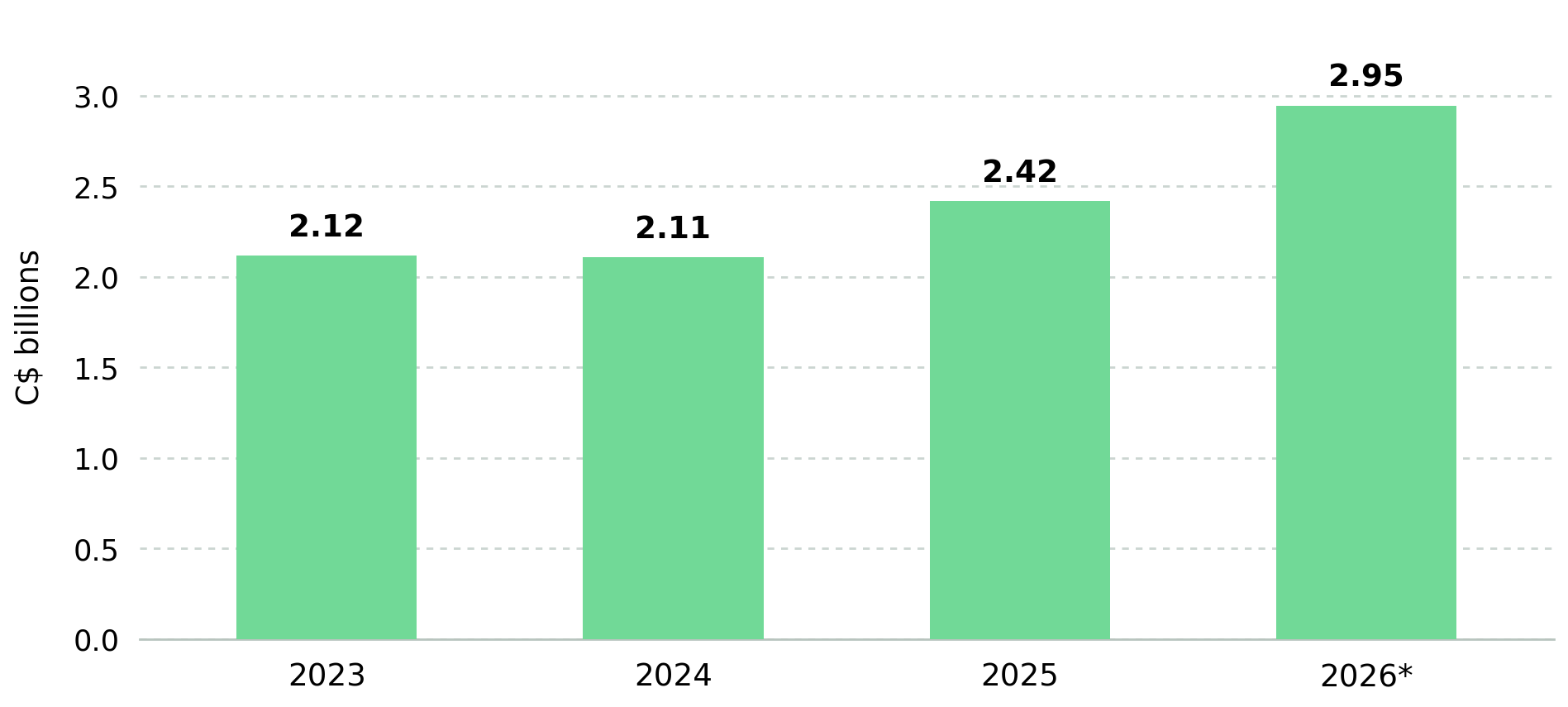
NRCan's revised 2026 figures put planned exploration and deposit-appraisal spending on precious metals, including gold, at C$2.750 billion, approximately 24% above the C$2.213 billion spent in 2025. In British Columbia, junior mining companies plan to spend C$607.8 million on exploration and deposit appraisal across commodities in 2026, up 39% from C$436.8 million in 2025.
Financing Flexibility Shapes Resource Evaluation Timelines
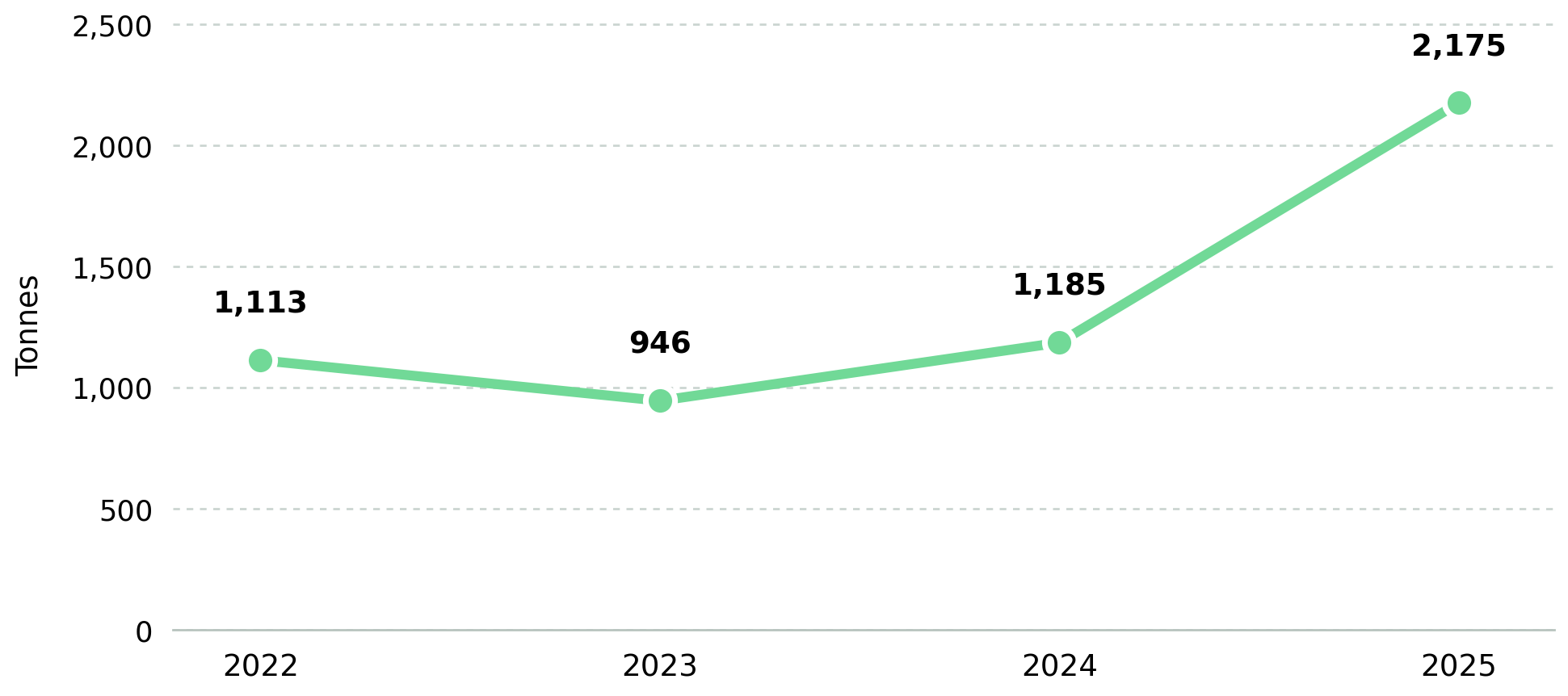
World Gold Council (WGC) reports that global gold investment demand rose 84% to 2,175 tonnes in 2025. NRCan's revised work-phase figures also put planned Canadian exploration spending across commodities at C$3.935 billion in 2026, up 33% from C$2.950 billion spent in 2025. Higher exploration budgets can support larger drilling programs, while financing terms and capital availability influence how quickly companies can advance from drilling results to updated resource estimates and feasibility studies.
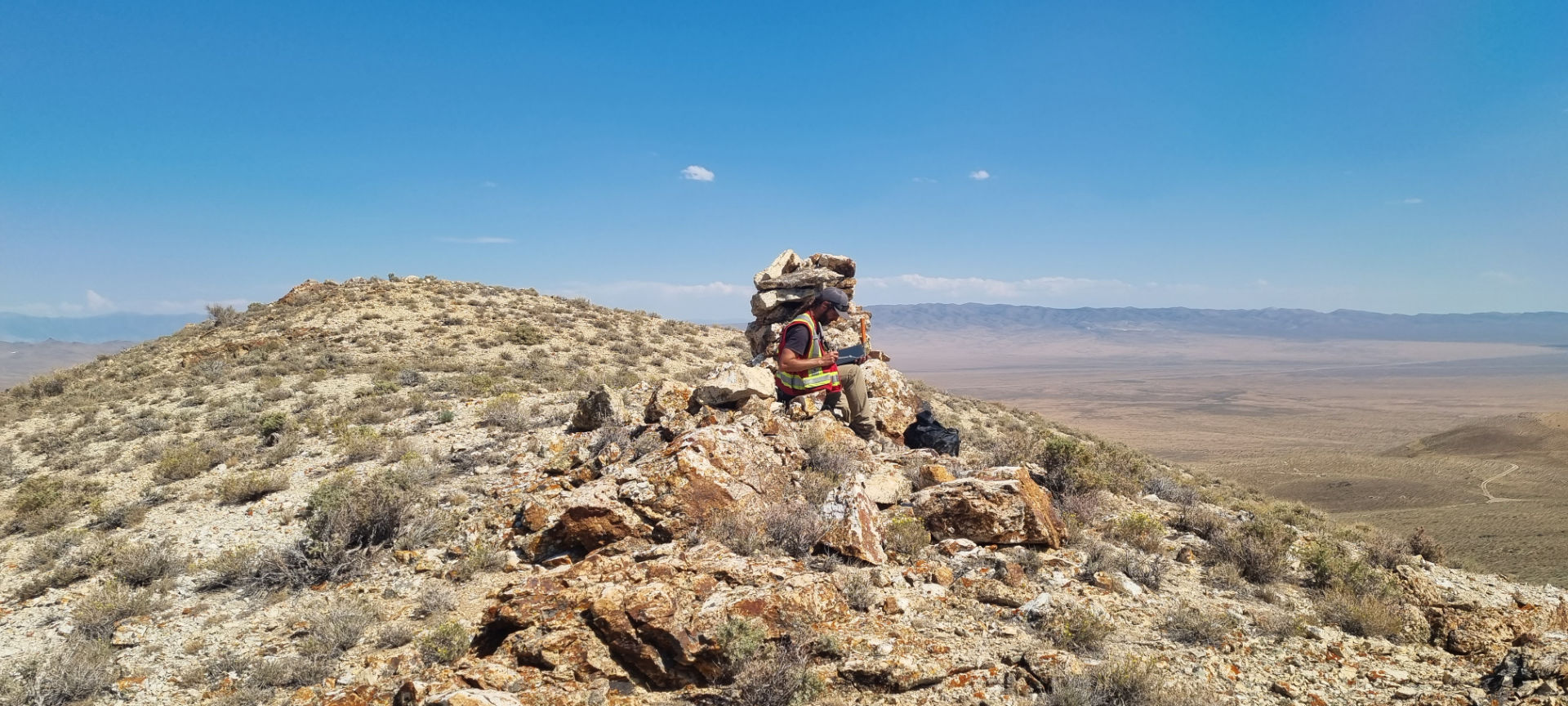
P2 Gold reported an expansion of gold-copper mineralization at its Gabbs Project in Nevada, extending the Lucky Strike zone to the south and southwest. With 114 drill holes completed across the Lucky Strike and Sullivan zones, the company is targeting an updated mineral resource estimate in the fourth quarter of 2026, followed by a feasibility study in the first quarter of 2027.
Joseph Ovsenek, President and Chief Executive Officer of P2 Gold, outlines how financing flexibility balances cost against speed:
"We'll look at debt, we'll look at some convert potentially. It just depends on where the market is at the time that you're looking for money, so we'll be flexible. We're not scared of paying a higher return if that allows us to build something quickly. It's a trade-off, time versus cost.”
Expanded Drilling Advances Resource Definition for Mine Development
S&P Global reports that global nonferrous exploration budgets increased across all development stages in 2026, extending the spending recovery beyond early discoveries to established mineral deposits. At more advanced projects, drilling can increase defined resources at known gold deposits, improving geological confidence for economic studies and mine planning.
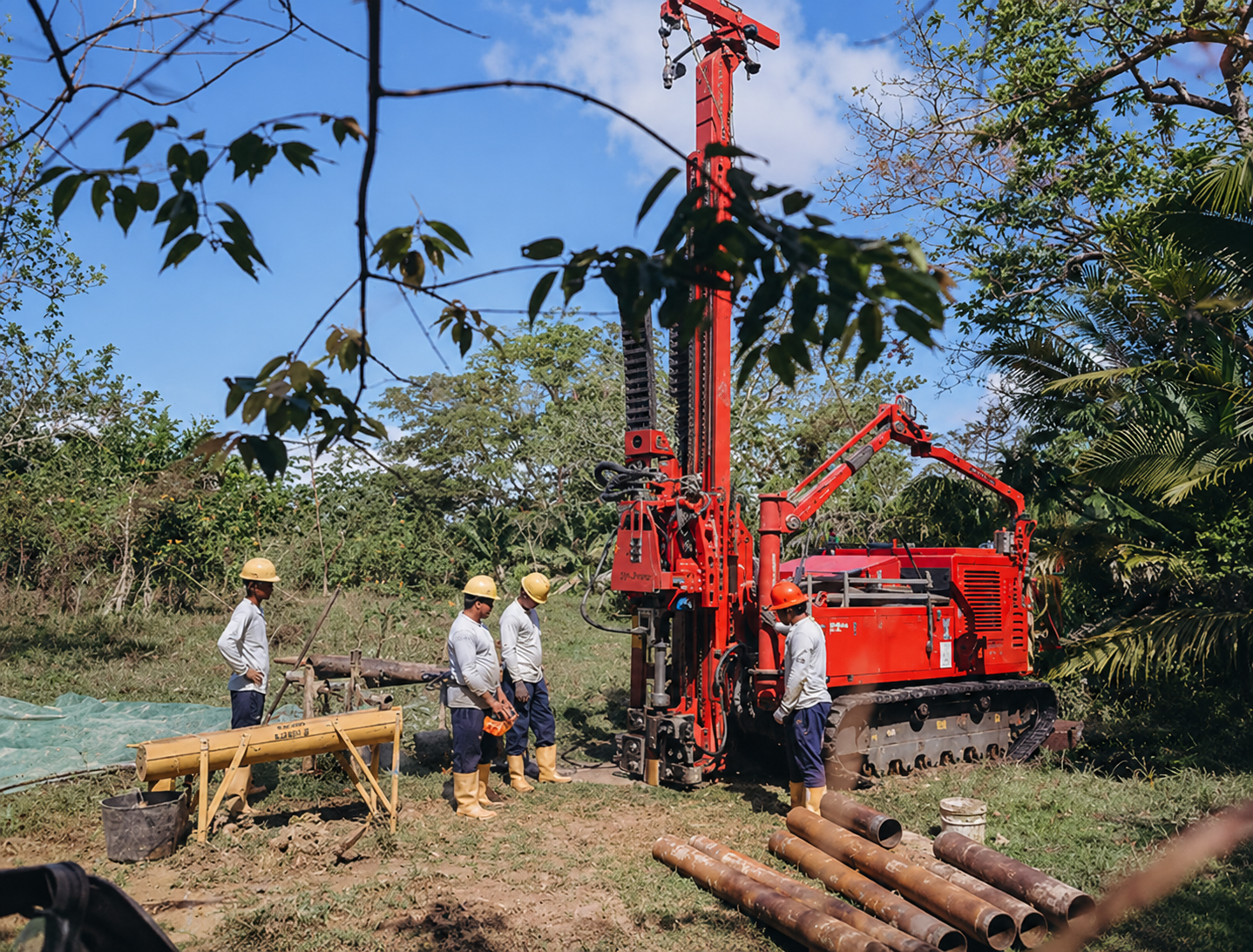
Tudor Gold completed 22,511 meters of drilling across 44 holes at Treaty Creek in British Columbia, extending gold mineralization at Perfectstorm. The company expects to prepare its first mineral resource estimate for the newly discovered PSP zone once results from 19 remaining holes are received. Separately, an ongoing preliminary economic assessment is evaluating a potential underground mine at Goldstorm, where a proposed exploration ramp could improve access to higher-grade gold mineralization.
Permitted Project Scarcity Draws Industry Interest to Advanced Assets
NRCan places planned Canadian exploration and deposit-appraisal spending at C$5.508 billion in 2026, 19% above 2025 expenditures. Beyond initial drilling, these programs include engineering and economic studies that define construction costs and financing requirements, two factors shaping how permitted North American gold projects can advance toward future supply.
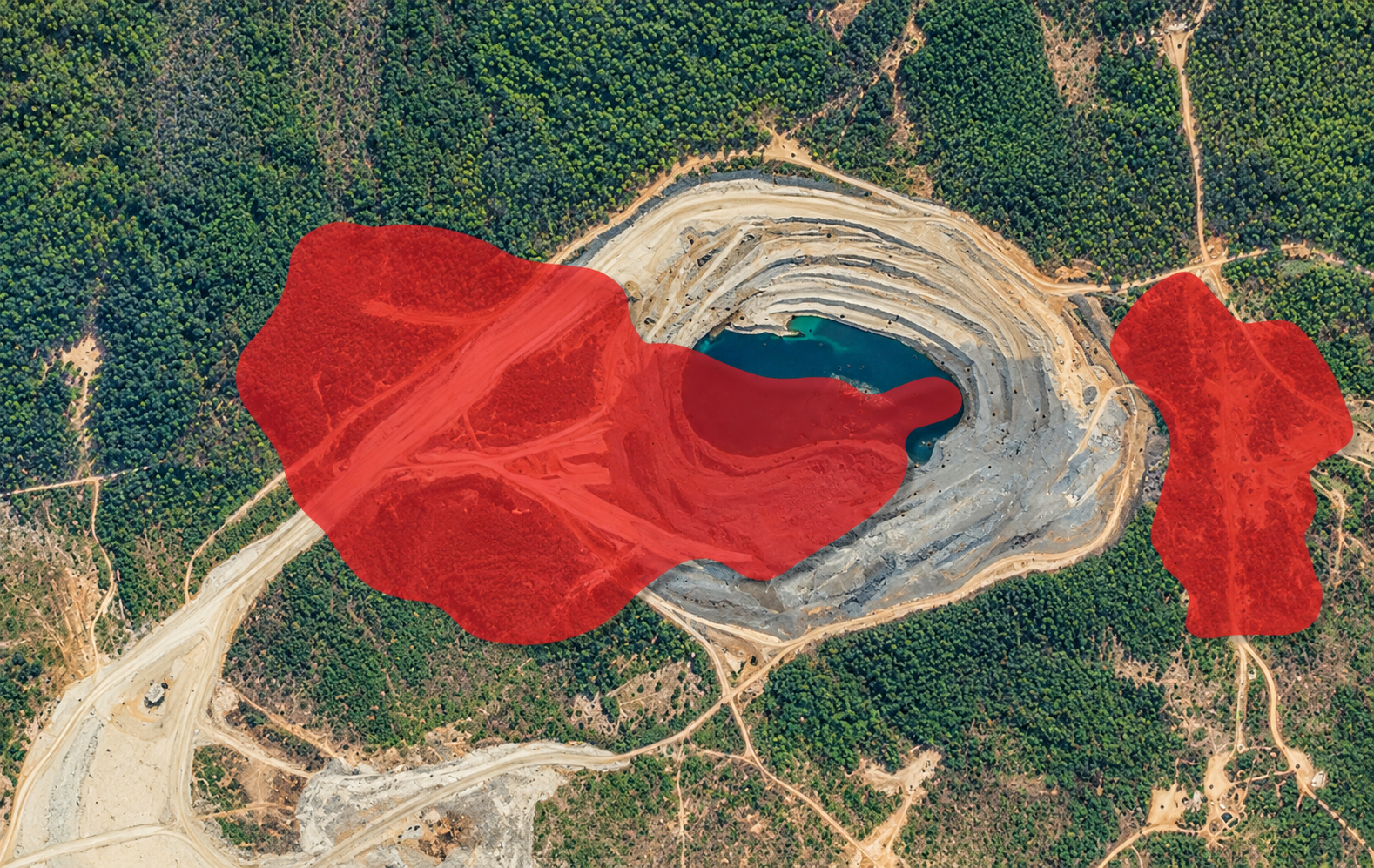
U.S. Gold Corp. has all major permits in place for its CK Gold Project in Wyoming, with an estimated initial capital cost of US$394 million. Its feasibility study projects an after-tax net present value at a 5% discount rate (NPV5%) of US$632 million and an after-tax internal rate of return (IRR) of 27% under its stated metal-price assumptions, providing a defined financial framework for construction funding.
George Bee, President and Chief Executive Officer of U.S. Gold Corp., explains why permitted projects attract industry consolidation interest:
"We see that there are lots of junior, mid-tier companies that really need to add to their portfolio. If you don't grow, you die. You count on your left hand the number of fully permitted projects ready to go in a stable jurisdiction."
Rising Exploration Budgets Expand Project Evaluation Capacity
Planned global gold exploration budgets increased 38% in 2026, while mining companies raised C$13.70 billion in completed equity financings through Canadian exchanges. Canadian juniors also intend to spend C$2.946 billion on exploration and deposit appraisal across commodities. Together, these figures show that gold-specific budget growth is occurring alongside completed mining fundraising and higher planned spending by smaller companies.
This combination expands the scope for technical programs that establish future capital requirements. New or expanded resource estimates can guide the scale and cost of follow-up drilling for explorers, while feasibility studies quantify construction costs, operating expenses, and projected returns used to evaluate mine financing for developers.
The Investment Thesis for Gold
- Explorers with defined gold targets and staged drilling programs can use expanding exploration budgets to support new or updated resource estimates and establish the scope of subsequent work.
- Developers with advanced technical studies, documented permitting milestones, and defined construction budgets can use improved financing conditions to evaluate funding structures against projected costs and returns.
- Grade continuity, metallurgical recovery, and mining costs determine how much newly defined gold can contribute to projected cash flow, making resource quality central to subsequent capital commitments.
- Aligning financing size and terms with drilling and feasibility milestones can limit unnecessary share dilution and preserve capital for subsequent development work.
- Access to established infrastructure, clear permitting procedures, and early community engagement can improve development schedule certainty and make construction capital requirements more predictable.
- Scheduled drilling results, resource updates, and feasibility milestones provide measurable checkpoints for assessing project progress and determining the timing of subsequent funding decisions.
Renewed investment in gold exploration is expanding the sector's capacity to define mineral resources and evaluate future mine development. As drilling and technical studies produce clearer evidence of deposit scale, project costs, and potential returns, financing decisions can be grounded in measurable progress. The broader opportunity lies in gold assets that combine resource quality, credible economics, and disciplined capital allocation, helping build the foundation for future mine supply.
TL;DR
Global planned gold exploration budgets rose 38% to US$8.5 billion in 2026 as improved financing conditions supported larger technical programs. Canada attracted US$1.92 billion in planned gold exploration spending, while its active explorer count remained broadly unchanged at 632. Mining issuers raised C$13.70 billion through the TSX and TSXV in the first 10 months, and Canadian juniors planned C$2.946 billion for exploration and deposit appraisal. P2 Gold's drilling, Tudor Gold's resource-definition work, and U.S. Gold Corp.'s permitted CK Gold project illustrate how expanding capital availability connects to resource estimates, feasibility studies, and potential future gold mine supply.
FAQs (AI-Generated)
Analyst's Notes





Subscribe to Our Channel





Stay Informed