




Selkirk Copper's Five-Phase Plan Beyond the Minto Restart: 8 Things You Need to Know


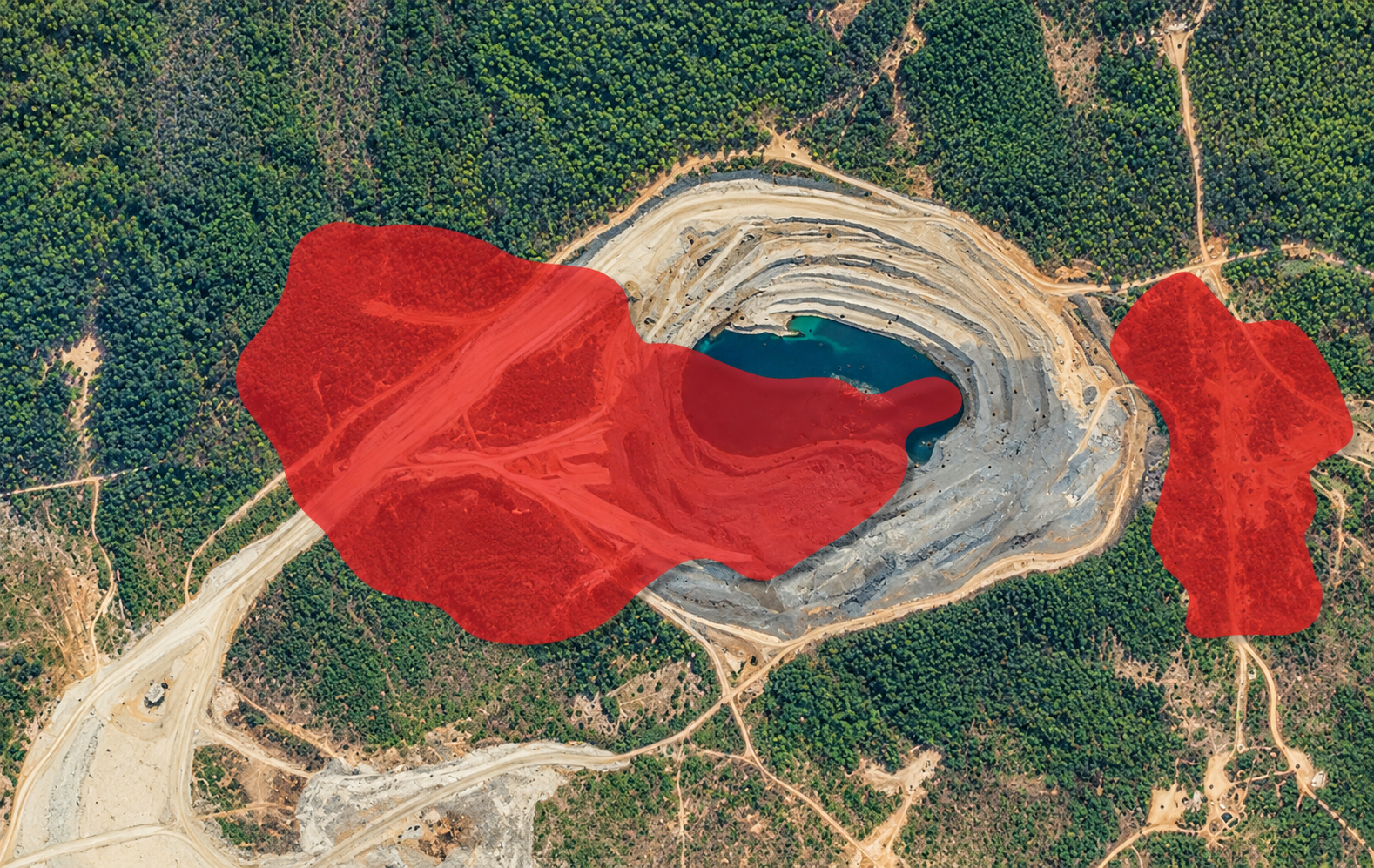
Selkirk Copper frames its Minto restart as phase 1 of 5, targeting a 15- to 20-year mine life, a doubled mill and Selkirk First Nation land access.
A Restart Built as the First Step
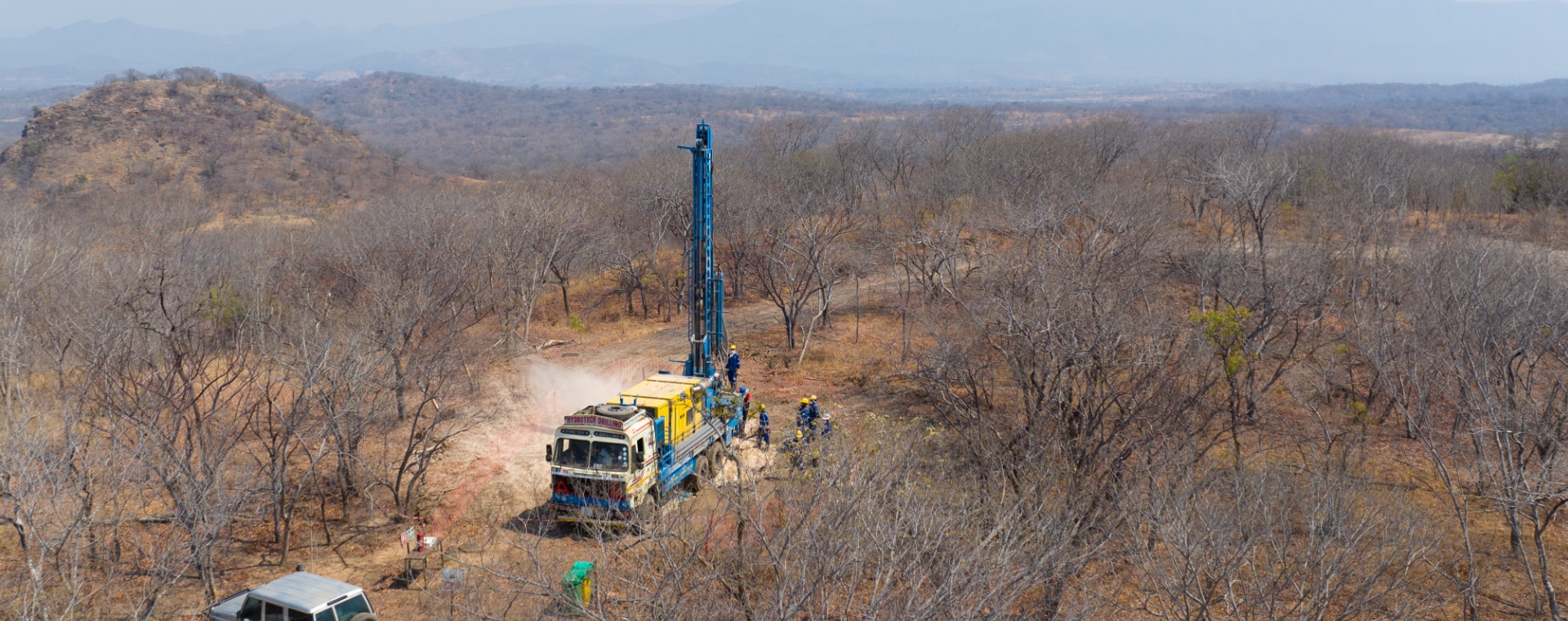
Selkirk Copper Mines (TSXV: SCMI | OTCQX: SKRKF | FRA: IO20) completed its Phase 2 drill program at the Minto copper-gold-silver mine in central Yukon on October 15, 2026, with 54,579 meters drilled in 223 holes. The company's November 2026 corporate update treats the Minto restart, targeted for the second half of 2028, as the first of 5 growth phases. The later phases target a mine life of 15 to 20 years or more, double the mine and mill output, and exploration access to more than 25,000 hectares of Selkirk First Nation land. The restart economics already have a published baseline. The preliminary economic assessment (PEA) sets the economic baseline for the 13-year restart plan, and the feasibility study (FS) now under way covers the same plan. Later phases are company targets that depend on exploration results, new infrastructure, land access, and cash flow from operations.
1. The Restart Is Phase 1 of a Five-Phase Plan
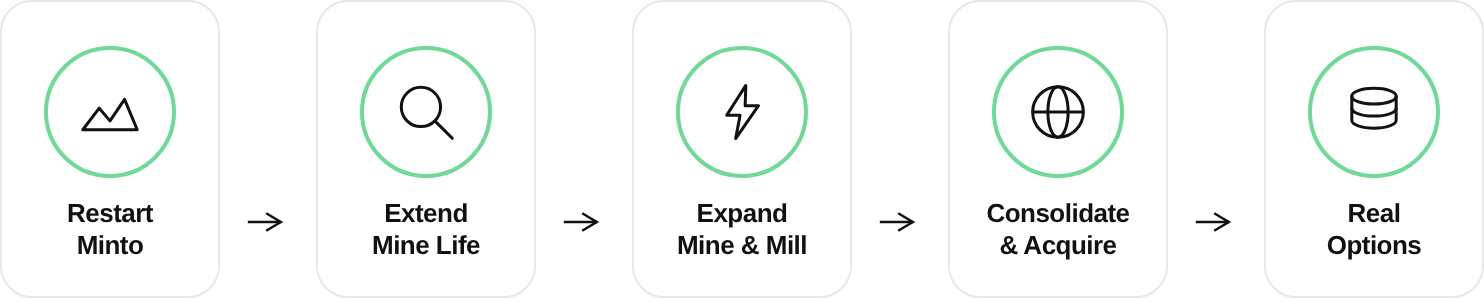
Selkirk describes a five-phase path to a mid-tier, Yukon-centered Canadian producer. The restart in Year 0 is followed by mine-life extension in Years 1 to 5 and mine and mill expansion in Years 6 to 10. Organic and strategic growth also runs in Years 6 to 10, and the final phase, from Year 6 onward, exercises the real options built up through the first 4. These growth phases are separate from the company's Phase 1 and Phase 2 drill programs.
The company describes the end state as a producer built by Selkirk Copper and the Selkirk First Nation together with a select group of financial, marketing and industry partners. The Selkirk First Nation acquired 100% of the Minto Project through a bankruptcy process, vended it into Selkirk Copper through a reverse takeover, and now owns 18% of the company along with a 1.5% net smelter return (NSR) royalty.
Each phase is built on the one before it. Selkirk sizes the growth Phase 3 expansion to extend the mine life started in growth Phase 2, and funds growth Phase 4 from restart cash flow. Delivery of the restart against its own targets is therefore the first test of every later phase.
2. The Restart Phase Is Targeting a Higher Return Than the 2026 Economic Study
The 2026 PEA outlines a 13-year mine life at 4,100 tonnes per day and initial capital of C$186 million. At planning prices of US$5.00 per pound copper, US$3,600 per ounce gold and US$50 per ounce silver, it returns an after-tax net present value (NPV7%) of C$494 million and a 1.9-year payback. At spot prices of US$6.50 per pound copper, US$4,300 per ounce gold and US$65 per ounce silver, NPV7% rises to C$1,040 million.
The FS began in early November 2026. It targets 10% to 20% more mine output and mill throughput, copper recovery of about 91% compared with 88.7% in the PEA, and an average life-of-mine grade of 1.13% copper compared with 1.07%. The study holds the 13-year mine life and keeps costs in line with PEA guidance. On that basis, Selkirk is targeting NPV7% above C$700 million at planning prices and above C$1,400 million at spot.
Those targets come from the same 13-year plan, before any mine-life extension from later phases. The distance between C$494 million and C$700 million is the first figure the FS will either close or fall short of.
3. Phase 2 Drilling Concentrated on the Central Mine Area
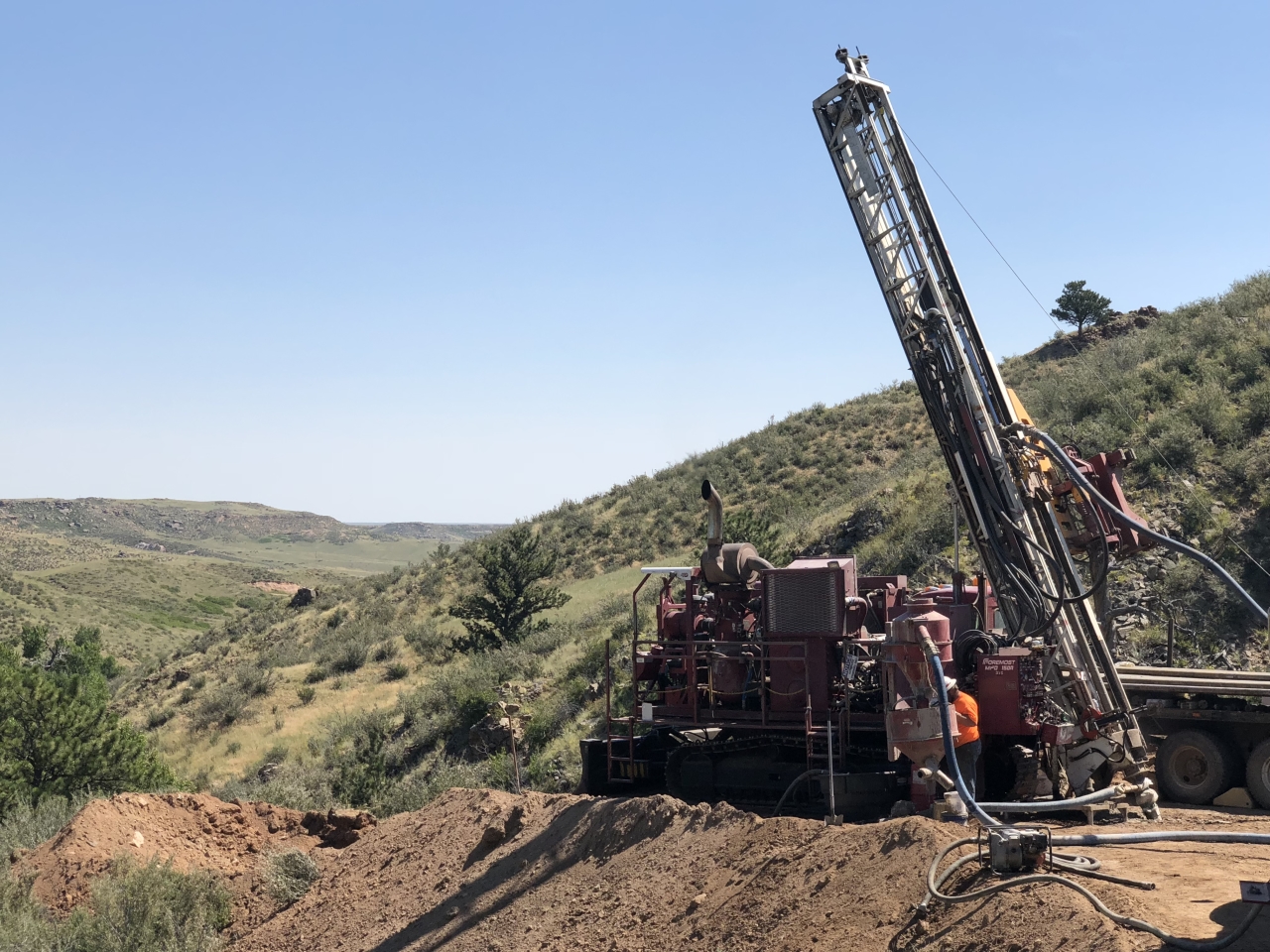
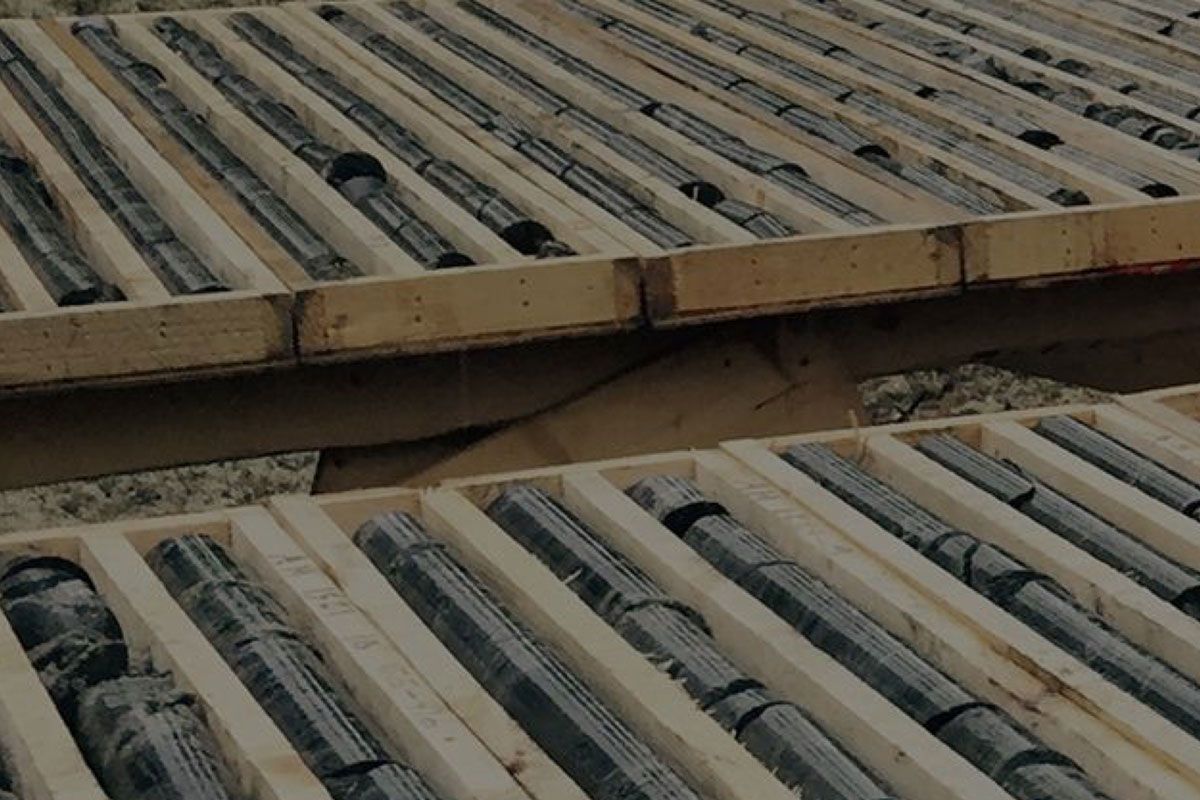
The Phase 2 drill program finished above its 50,000-meter target. Together with Phase 1, Selkirk has drilled 106,879 meters in 424 holes over 14 months. Area 118 received 13,463 meters in 46 holes and Copper Keel 11,078 meters in 51 holes. Minto Main received 10,037 meters in 28 holes, Minto North 9,579 meters in 38 holes, Ridgetop 4,926 meters in 44 holes and Minto East 3,748 meters in 12 holes. Exploration targets received 1,749 meters in 4 holes.
Assays have been reported for 79 of the 223 holes, with none yet for Ridgetop or the exploration holes. The central claim block covers 2,761 hectares and has had more than 106,000 meters of current drilling, which the company says has focused on less than 50% of the block's prospective area.
The exploration holes are the smallest part of the Phase 2 drill program and have no reported results yet. Most of the program's meters went into the 6 named zones, and the outstanding assays from those zones feed the updated mineral resource estimate (MRE) planned for March 2027.
4. New Lenses Have Already Added Metal to the Resource
The 2026 MRE, effective June 10, 2026, reports Measured and Indicated (M&I) resources containing 940 million pounds of copper, 530,000 ounces of gold and 4,969,000 ounces of silver. Compared with the 2025 estimate, contained M&I copper rose 182%, gold 184% and silver 188%.
Part of that growth came from discoveries. The 117 Lens at Minto Main added 49,770,000 pounds of newly defined M&I copper, and the 301 and 304 Lenses at Area 118 added 65,740,000 pounds of newly defined Inferred copper. Expansions also contributed: contained Indicated copper rose 238% in the 202 Lens at Minto North and 255% in the 133 Lens at Ridgetop.
The company cites this growth as evidence of room to grow mineable resources. The PEA mine plan excludes the Phase 2 drill program, which will be included in the updated MRE. The company points to near-mine expansion targets as opportunities to extend the 13-year mine life. Any new material still has to pass resource classification, mine planning and economic evaluation before it adds to the mine plan.
5. Mine-Life Extension Starts With Near-Mine Targets
Growth Phase 2, in Years 1 to 5, targets resource growth around Minto to extend the 13-year mine life. The work covers near-mine exploration around the deposit and exploration across the company's 26,850 hectares of existing mineral claims.
Near the mine, Selkirk is applying an updated geological and structural model, following up dozens of historical "near-hit" drill holes, re-interpreting geophysical data against new data, and exploring wider and deeper. Regionally, it is acquiring new LiDAR, geophysical and geochemical data, compiling historical mapping, soil sampling and structural data, and evaluating mineral occurrences on the ground, some of which have not been explored in more than 30 years.
Selkirk sizes the growth Phase 3 expansion to whatever mine life this exploration adds. The scale of any expansion therefore depends on drilling results from Years 1 to 5.
6. Selkirk First Nation Lands Could Add More Than 25,000 Hectares
Growth Phase 2 includes an earn-in or option agreement on Selkirk First Nation Category R-6A and R-40B lands, adding more than 25,000 hectares. The company puts the potential addition at approximately 29,500 hectares of unexplored land. The Selkirk First Nation will lead the path to an earn-in or option agreement.
Separately, the corporate update lists securing rights to explore Selkirk First Nation Category A Lands that immediately surround the central mine area. The company says these lands have the potential for multiple near-term discoveries.
The Category A effort is separate from the Category R earn-in, and the corporate update gives no terms or timing for either. The Selkirk First Nation, which holds the royalty and 18% of the company, leads the path to the Category R agreement.
7. Doubling the Mill Depends on a Longer Mine Life
Growth Phase 3, in Years 6 to 10, targets a mine life of 15 to 20 years or more, twice the mine and mill output, and 1.5 times the camp capacity. It calls for a new conventional tailings impoundment, power transmission and substation upgrades, improved access, and an updated baseline environmental assessment.
The restart works differently. Selkirk describes its permitting as advanced, with only permit amendments required, and it is targeting December 2026 for amended permit applications to the Yukon Environmental and Socio-economic Assessment Board.
Unlike the restart, the expansion requires new tailings infrastructure, power upgrades and an updated environmental baseline, which add a separate set of permitting requirements. Selkirk places it in Years 6 to 10, after the mine-life extension in Growth Phase 2.
8. Restart Cash Flow Is Planned to Fund Consolidation & Acquisitions
Growth Phase 4 uses restart success and positive free cash flow (FCF) to fund 3 growth paths: a larger expansion dependent on exploration success, district and regional consolidation, and acquisitions of copper-gold-silver assets of similar scale in the Yukon, northern British Columbia or elsewhere in Canada. The PEA shows average after-tax FCF of C$83 million a year at planning prices and C$146 million a year at spot prices. Growth Phase 5 covers real options created by delivering Growth Phases 1 to 4.
Before any of that, the restart needs financing. Selkirk describes a restart capital requirement below C$200 million and reported cash of C$36.9 million as of July 30, 2026. Discussions with finance providers began in early 2026, and the company names a concentrate offtake and a potential silver stream as its 2 principal forms of non-dilutive restart financing.
The PEA's FCF is a projection, not cash in hand. Growth Phase 4 depends on 2 milestones: financing the restart, then generating enough FCF to fund expansion and acquisitions. The terms of the restart financing, including any offtake or silver stream, will shape how much of that cash flow is left for reinvestment.
Catalysts to Watch
Phase 2 drill assays are expected through fall and winter 2026, and amended permit applications to the Yukon Environmental and Socio-economic Assessment Board are targeted for December 2026. Restart financing discussions are advancing, and an updated mineral resource estimate including Phase 2 drilling is planned for March 2027.
FS results will follow, although the corporate update provides no completion date, and production restart at Minto is targeted for the second half of 2028. The earn-in or option agreement on Selkirk First Nation Category R-6A and R-40B lands is a longer-term milestone with no disclosed timing.
Bottom Line
Selkirk Copper's five-phase plan treats the Minto restart as the base for a larger producer: restart the mine, extend its life through exploration, then expand output and pursue acquisitions. The near-term question is the restart itself, with the feasibility study targeting NPV7% above C$700 million against the PEA's C$494 million and restart financing still to be arranged. Beyond production, the plan depends on turning exploration results into mineable resources, securing access to Selkirk First Nation Category R lands and generating enough FCF to fund the later phases.
Analyst's Notes





Subscribe to Our Channel




Stay Informed


