




COP31’s US$156B Power Plans Expand Demand Prospects for Battery Metals


COP31’s US$156 billion power plans support lithium, graphite, and nickel investment through prospective battery purchases.
- Annual utility plans presented at the 31st Conference of the Parties (COP31) total at least US$156 billion across grids, renewables, and storage, with the storage component supporting future battery purchases.
- Global battery-storage additions rose 40% in 2025, with lithium iron phosphate (LFP) batteries accounting for around 90% of deployments, expanding lithium demand beyond transport.
- Battery-electric vehicle sales in the European Union (EU) rose 50% in January through September 2026, supporting battery-material demand from vehicles sold in the region.
- Almost 80% of electric vehicle (EV) batteries deployed outside China in 2025 used nickel-containing chemistries, supporting future nickel sales into those battery supply chains.
- The US Geological Survey’s (USGS) November 2026 World Minerals Outlook projects approximately 20% growth in natural-graphite production capacity through 2030, making product quality and customer agreements central to converting new output into revenue.
COP31 Power Plans Support Long-Term Supply Investment
Utilities for Net Zero Alliance (UNEZA) members presented annual investment plans of at least US$156 billion across grids, renewables, and storage at COP31. The United Nations Framework Convention on Climate Change (UNFCCC) reported the plans on November 19, 2026, placing spending intentions 5% above 2025. The wider package’s battery-storage and electric-transport initiatives support a case for future lithium and graphite sales, with nickel requirements determined by battery chemistry.
The International Energy Agency (IEA), in its November 23, 2026 Energy Efficiency 2026 report, identifies a COP31 coalition targeting a 35% electricity share of final energy consumption by 2035, compared with approximately 23% today. For projects supplying battery materials, that target provides a timeframe for assessing whether construction spending can deliver saleable output during the planned electrification buildout.
Transport Electrification Expands Battery Procurement Opportunities
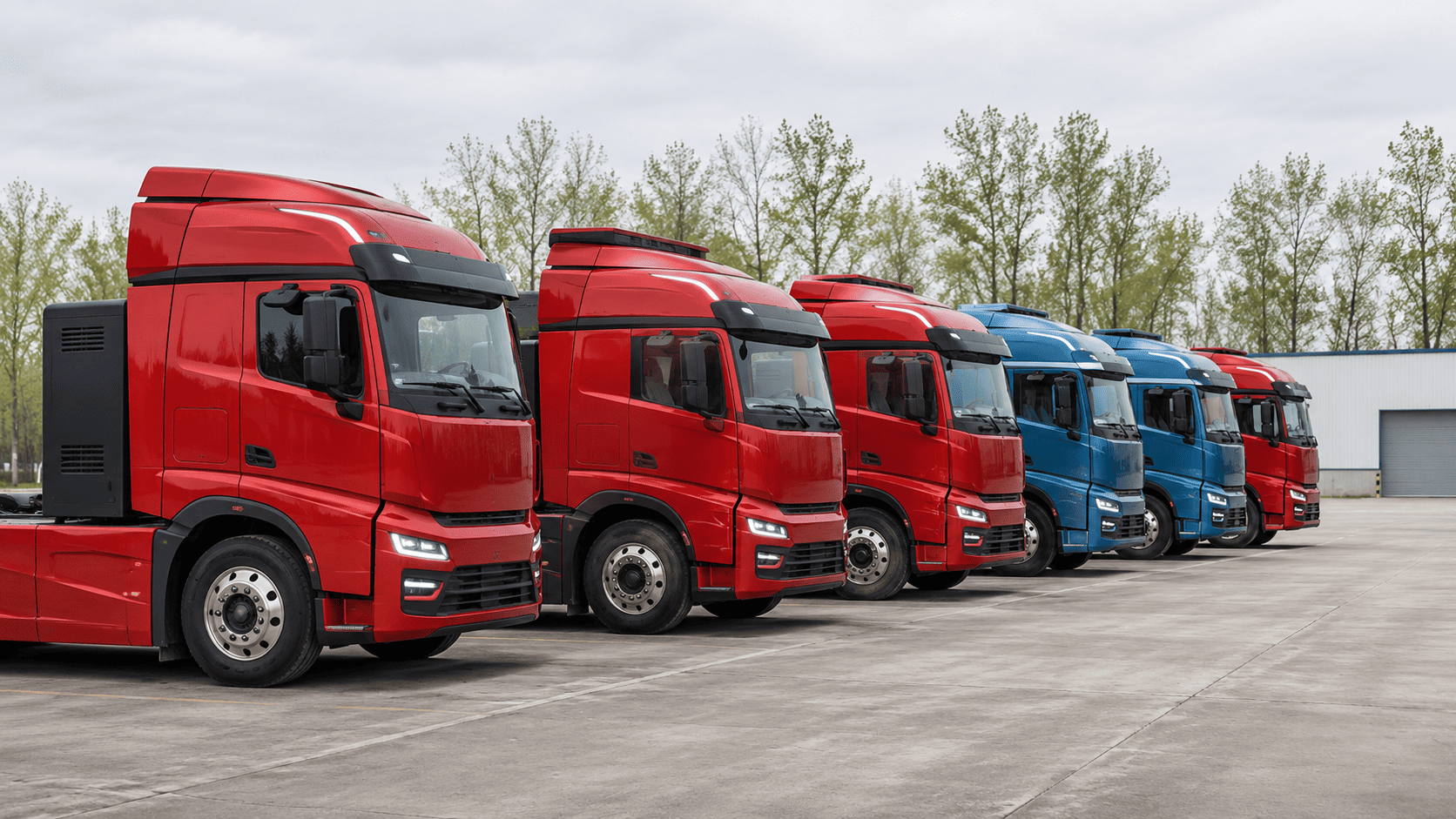
COP31’s electrification package identifies 13 zero-emission freight corridors covering more than 29,000 kilometers across six continents. Six cities also committed to approximately 2,200 new electric buses in 2027, creating potential battery orders and associated demand for battery materials.
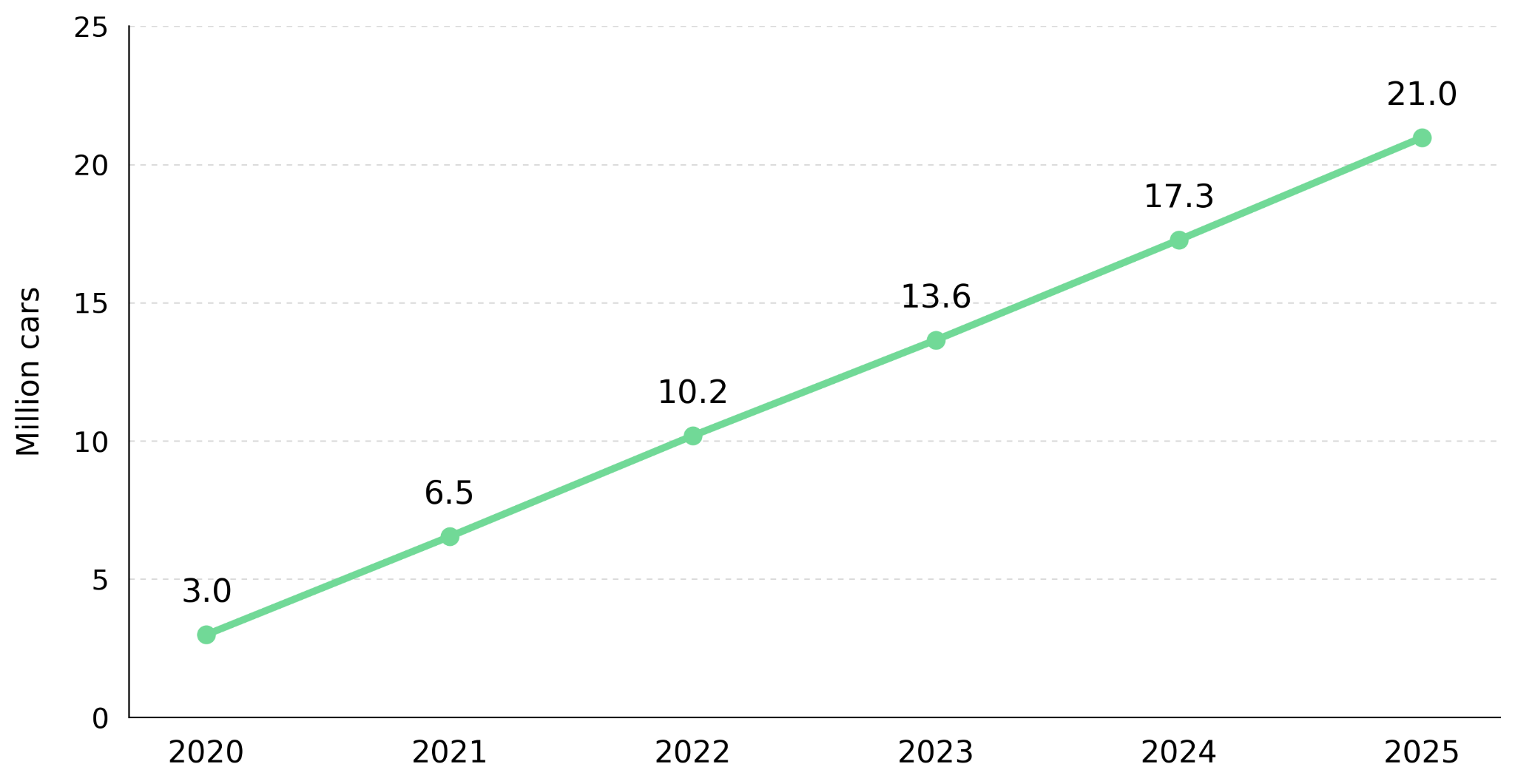
EV battery deployment reached 1.2 terawatt-hours (TWh) in 2025, almost 30% above 2024, according to the IEA’s Global EV Outlook 2026. Electric-truck battery demand more than doubled, lifting its share of EV battery deployment to approximately 8% and expanding potential battery-material sales beyond passenger cars.
EU battery-electric vehicle sales rose 50% during January through September 2026, supporting the commercial case for mineral suppliers with access to the battery supply chains serving that market.
Battery Deployment Supports Future Lithium Sales
The IEA reports that global battery-storage additions rose 40% to 108 gigawatts (GW) in 2025, with LFP batteries accounting for around 90% of deployments. This expanding storage market supports the commercial case for lithium projects with committed customers and progress toward construction.
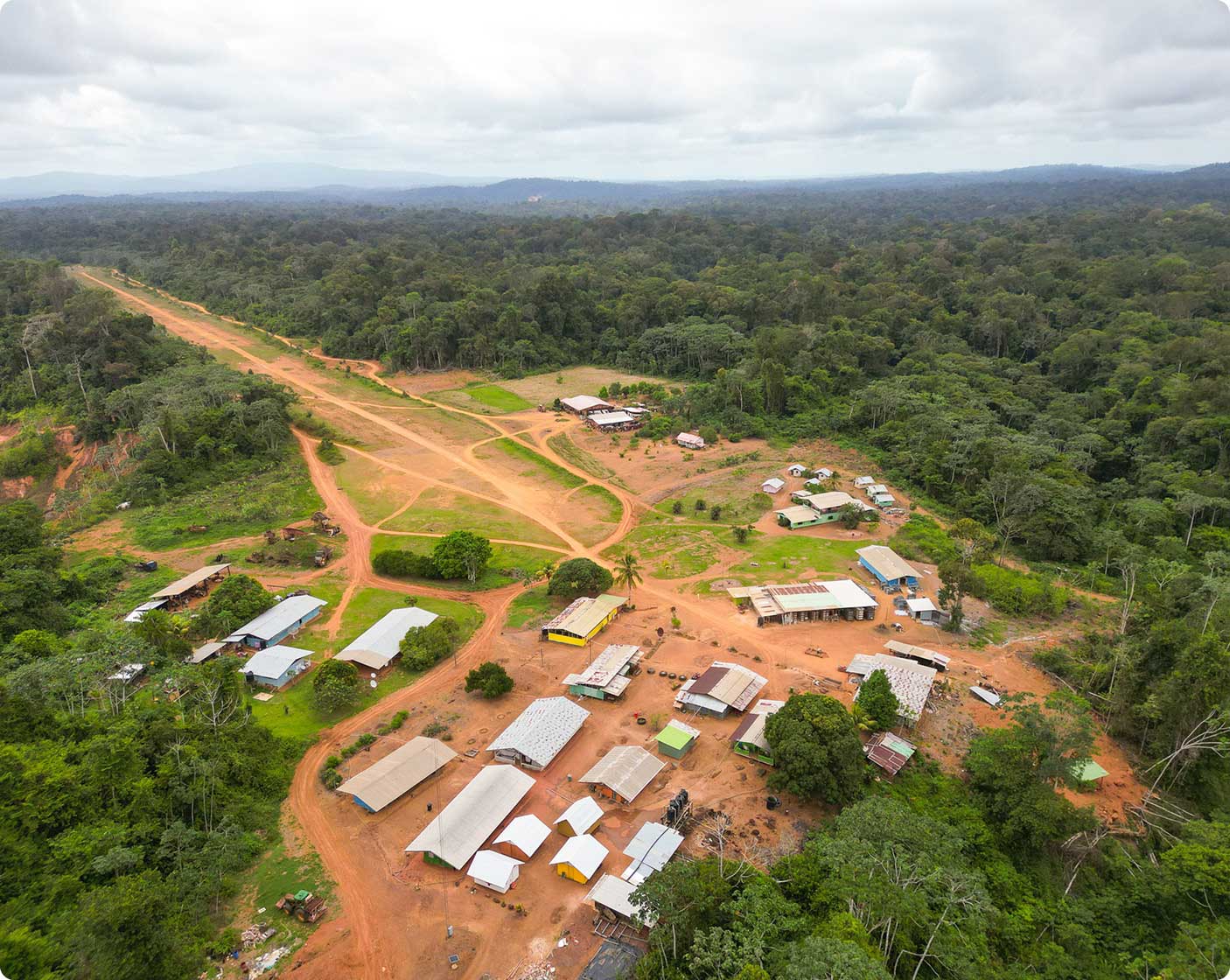
Lithium Ionic Corp is advancing Bandeira toward a final investment decision, supported by binding five-year sales agreements covering 170,000 tonnes of lithium-bearing concentrate annually. Its November 5, 2026 update also reports hydroelectric power arrangements and engineering approximately 65% complete as of June 2026. These developments establish a defined sales base and advance preparations for construction.
Blake Hylands, Chief Executive Officer of Lithium Ionic Corp, explains how EV demand growth varies across markets:
“EV demand is still up year on year, 15, 20, 30%, depending on the country you're in, district you're in. The demand is there, and hasn't gone away.”
Nickel-Based Batteries Support Investment in New Supply
Almost 80% of EV batteries deployed outside China in 2025 used nickel-containing chemistries, according to the IEA. This established demand base supports the case for nickel projects advancing competitive cost estimates, customer relationships and construction financing.
Canada Nickel is progressing discussions with potential customers, joint-venture partners and government funding programs toward a 2027 construction decision for Crawford. Its October 2026 presentation estimates life-of-mine net all-in sustaining costs (AISC) of US$1.54 per pound after by-product credits and approximately US$2.0 billion in initial capital. These estimates provide a defined construction budget and projected cost base for negotiating financing and future sales agreements.
Graphite Supply Growth Makes Product Fit Key to Future Sales
The USGS projects approximately 20% growth in natural-graphite production capacity between 2025 and 2030 in its November 2026 World Minerals Outlook. As capacity expands, matching graphite products with battery and industrial buyers becomes central to turning planned output into future sales.
Sovereign Metals’ October 30, 2026 quarterly report outlines planned annual production of 275,000 tonnes of natural flake graphite alongside rutile over an initial 25-year mine life. This work connects its production plans with the customer commitments and funding needed to advance construction.
Sapan Ghai, Chief Commercial Officer of Sovereign Metals, explains how industrial uses create demand for graphite:
“70% of our graphite is what's called refractory grade or industrial grade graphite that ends up lining the insides of your electric arc furnaces for smelting copper, steel, aluminum. So, as long as we're doing that and we're processing and we're refining in the US… they'll need that graphite and we can provide that.”
Electrification Finance Supports Future Battery Procurement
COP31’s November 2026 electrification package identifies US$94 million in Climate Investment Funds (CIF) financing targeting more than US$1.2 billion in investment for clean power, grids, storage, and electrification in developing countries. Storage projects that secure financing can progress toward battery procurement, creating prospective demand for battery materials.
The IEA’s Global EV Outlook 2026 reports battery manufacturing costs in Europe and the US up to 50% above China’s before public support, with competitive production requiring more than 90% of output to be fit for sale. Customers that control production costs and manufacture saleable batteries are better positioned to sustain mineral purchases and meet supply-contract payments.
COP31’s US$156 billion in annual utility plans and its separate transport initiatives support a case for future mineral supply through prospective storage and vehicle-battery purchases. Construction budgets, permit status, and sales-agreement terms provide the evidence needed to assess how that potential demand could become project revenue. The investment case therefore rests on financing commercially viable supply for identifiable battery markets.
The Investment Thesis for Battery Metals
- Electrification spending supports prospective battery-material sales through storage and transport procurement, strengthening the commercial case for new mineral supply.
- Battery chemistry determines commodity exposure, with lithium serving transport and storage markets and nickel sales tied to nickel-containing batteries.
- Graphite revenue assumptions should reflect product grade, processing requirements, and customer agreements so valuations distinguish industrial sales from battery-material opportunities.
- Developers offer exposure to future mineral sales where construction budgets, permit status, financing plans, and customer commitments support a defined route to production.
- Explorers can build value by defining resources and testing recoveries, providing evidence for assessing development costs before larger funding commitments.
COP31’s electrification agenda strengthens the commercial case for lithium, graphite, and nickel supply serving battery markets. The opportunity spans resource discovery and mine development, with customer agreements, competitive costs, and financing progress connecting planned output to future sales. The strongest investment case rests on funding projects that can meet identifiable battery-material requirements and convert those sales into cash flow.
TL;DR
COP31’s utility plans and transport initiatives support prospective battery-material purchases through storage and vehicle deployment. Lithium serves both markets, while nickel demand depends on battery chemistry and graphite sales depend on product suitability. The US$156 billion figure covers annual utility plans across grids, renewables, and storage. Following reduced spending by lithium, nickel, and cobalt companies, construction budgets, permits, customer agreements, and financing progress help assess which projects can reach future sales.
FAQs (AI-Generated)
Analyst's Notes





Subscribe to Our Channel










Stay Informed


