




Copper Hits $6.70/lb as Supply Disruptions Drive Prices Despite Slower Demand Growth


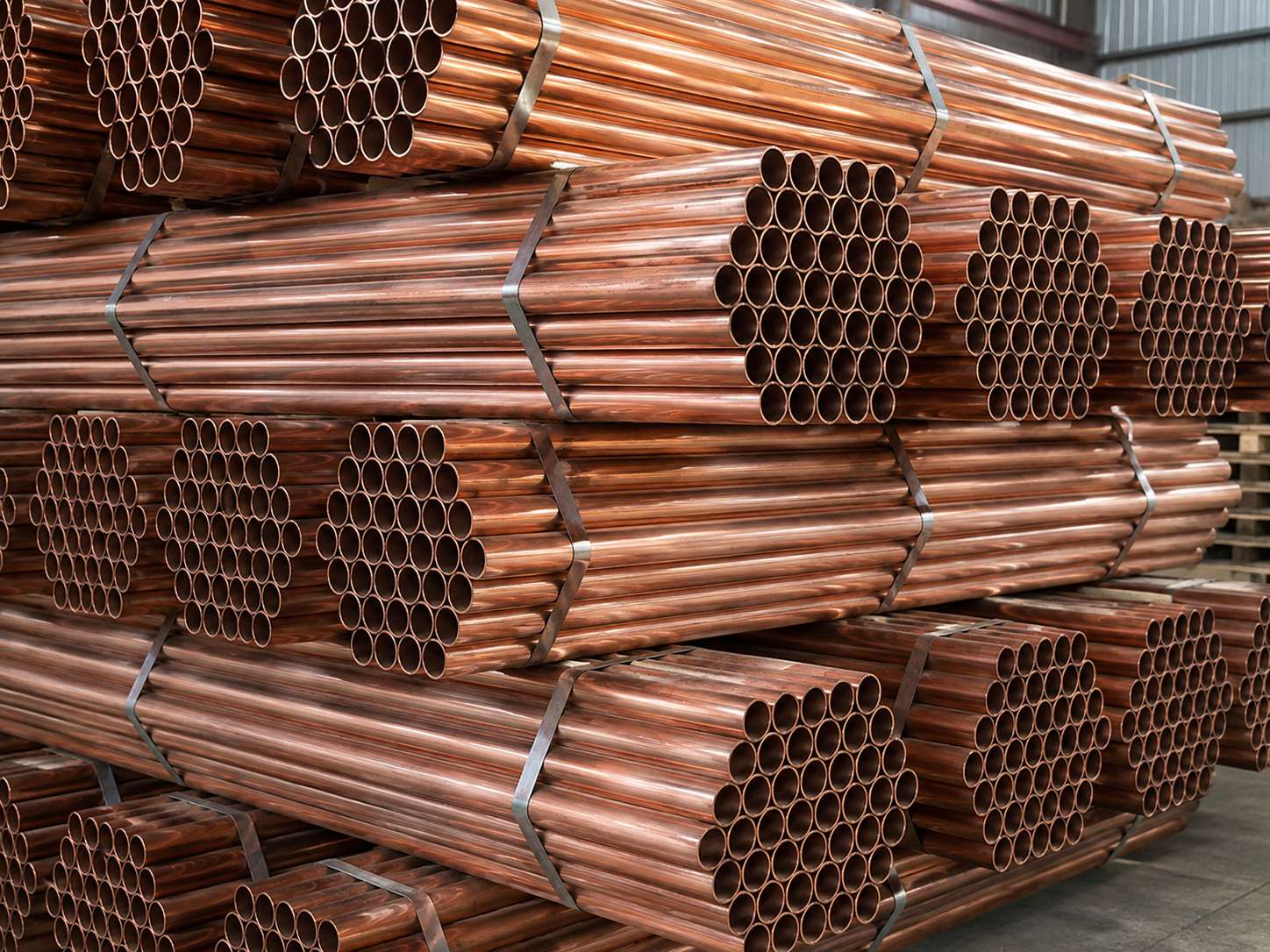
Copper reaches $6.70/lb as Chilean and DRC supply risks constrain mine growth despite limited demand growth.
- Copper climbed to its strongest levels of 2026 in early August as supply disruptions in Chile and the Democratic Republic of Congo (DRC) tightened the mine supply outlook rather than a broad increase in demand.
- A suspended mine-life extension at El Teniente delays access to 375 million tons of reserves, limiting planned replacement supply as the mine's output declines.
- The DRC now leaves concentrate export waivers to the sole discretion of the Mines Minister, increasing jurisdictional risk without reducing near-term copper supply.
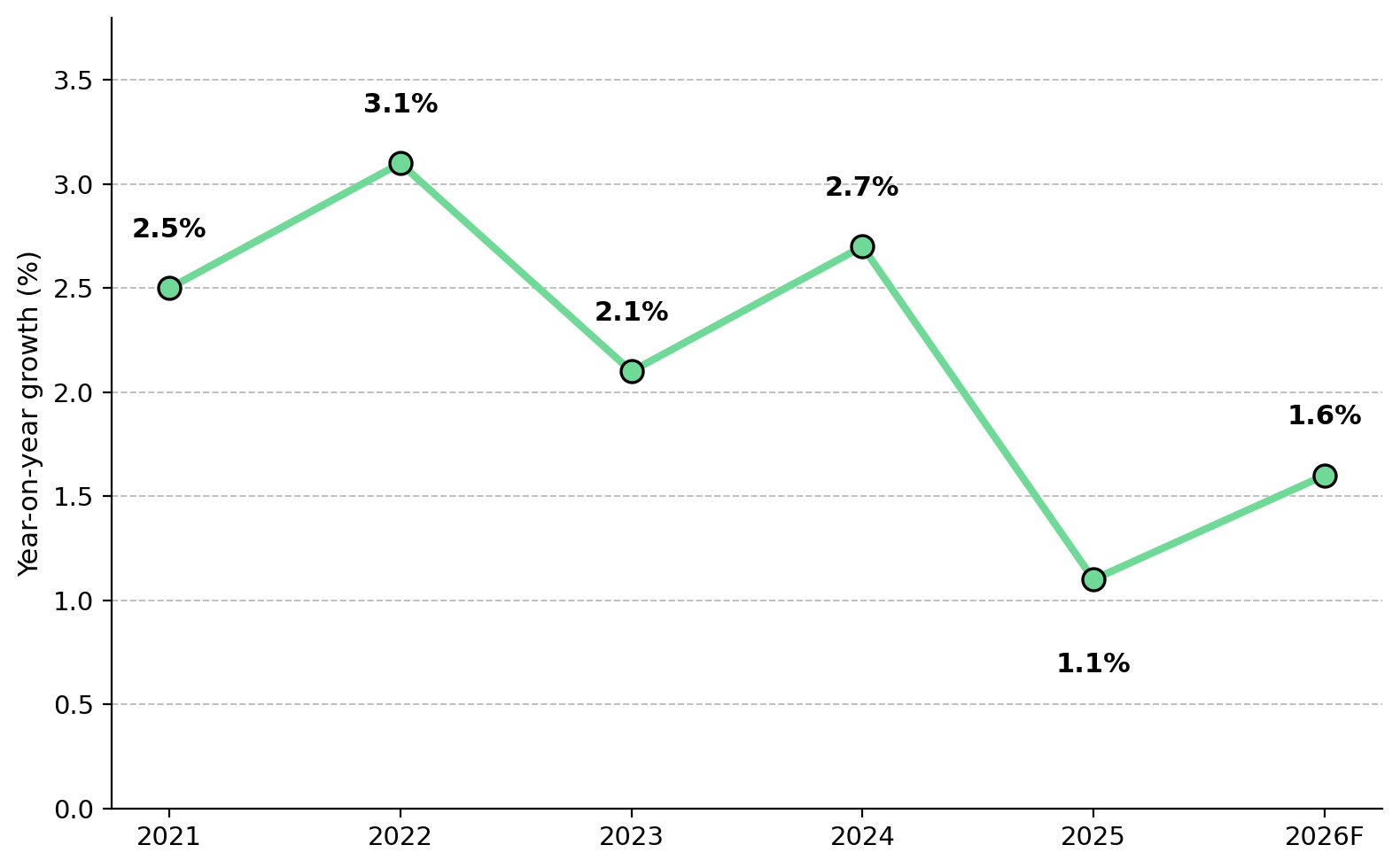
- The International Copper Study Group (ICSG) cut its 2026 global mine production growth forecast to 1.6%, underscoring the limited growth in primary copper supply.
- Future copper supply is advancing through three pathways: high-grade discoveries that extend the pipeline, feasibility-stage projects that move toward construction, and brownfield restarts that can return production sooner.
Falling Mine Supply Supports Copper Prices Despite Limited Demand Growth
Copper climbed to its strongest levels since May and June on the Commodity Exchange (COMEX) and the London Metal Exchange (LME), respectively, in the first week of August 2026. COMEX copper reached an intraday peak of $6.7045 per pound on August 5, 2026, its highest level since mid-May, while three-month LME copper reached $14,053 per ton on August 4, its strongest level since June 2. Supply constraints and tariff-driven inventory relocation into the US were driving the rally more than a broad increase in global demand, weakening copper's usual signal of economic growth.
A supply-driven copper price increase may persist even if weaker economic data reduces demand, because mine disruptions limit the metal available to the market. Supply disruptions in Chile and the DRC, tighter concentrate availability, and projects that could add new copper supply shape the market's near-term supply outlook.
Chile's 27% Mine Output Decline Delays 375M Tons of Copper Reserves, Increasing Replacement-Supply Needs
Codelco halted development of Andes Norte at El Teniente on August 4, 2026, after six months of data collection identified a seismic phenomenon with characteristics different from the risks previously managed at the operation. The suspension delays a project designed to extend El Teniente's mine life by 50 years and provide access to 375 million tons of copper reserves, while Codelco has not confirmed a restart date.
El Teniente's copper production fell approximately 27% year on year in the first five months of 2026, while Codelco's chairman has said the company's 1.7 million-ton annual production target for 2030 is no longer achievable. Lower output reduces the tonnes available to offset grade losses from 2028 onward, increasing the need for new copper projects to replace production from the existing mine base.
Fitzroy Minerals is advancing the Buen Retiro copper project near Copiapó, Chile, where recent drilling confirmed broad, shallow copper mineralization across approximately 300 meters of the Tenorita area. The company plans another 9,000 meters of drilling in 2026 to advance Tenorita toward resource categories for inclusion in a Pre-Feasibility Study, providing further data on the project's potential copper supply. Merlin Marr-Johnson, President and Chief Executive Officer of Fitzroy Minerals, explains why strong copper demand is tightening supply:
“They estimate that $83 billion is going to come into Chile between 2024 and 2033, and over 75% of that goes into copper projects. It's only an increase of about 100,000 tons after spending over 50 or 60 billion dollars, so metal prices have to rise as demand is strong.”
DRC's 3.2M-Ton Copper Supply Faces Export-Rule Risk Without Near-Term Disruption
An interministerial order dated June 29, 2026, bans the export of copper and cobalt concentrates from the DRC. The order repeals the standing exemptions in the country's 2023 framework and replaces them with a waiver mechanism left to the sole discretion of the Mines Minister. The DRC produced 3.2 million tons of copper in 2025, making it the world's second-largest supplier and giving its export rules global supply significance.
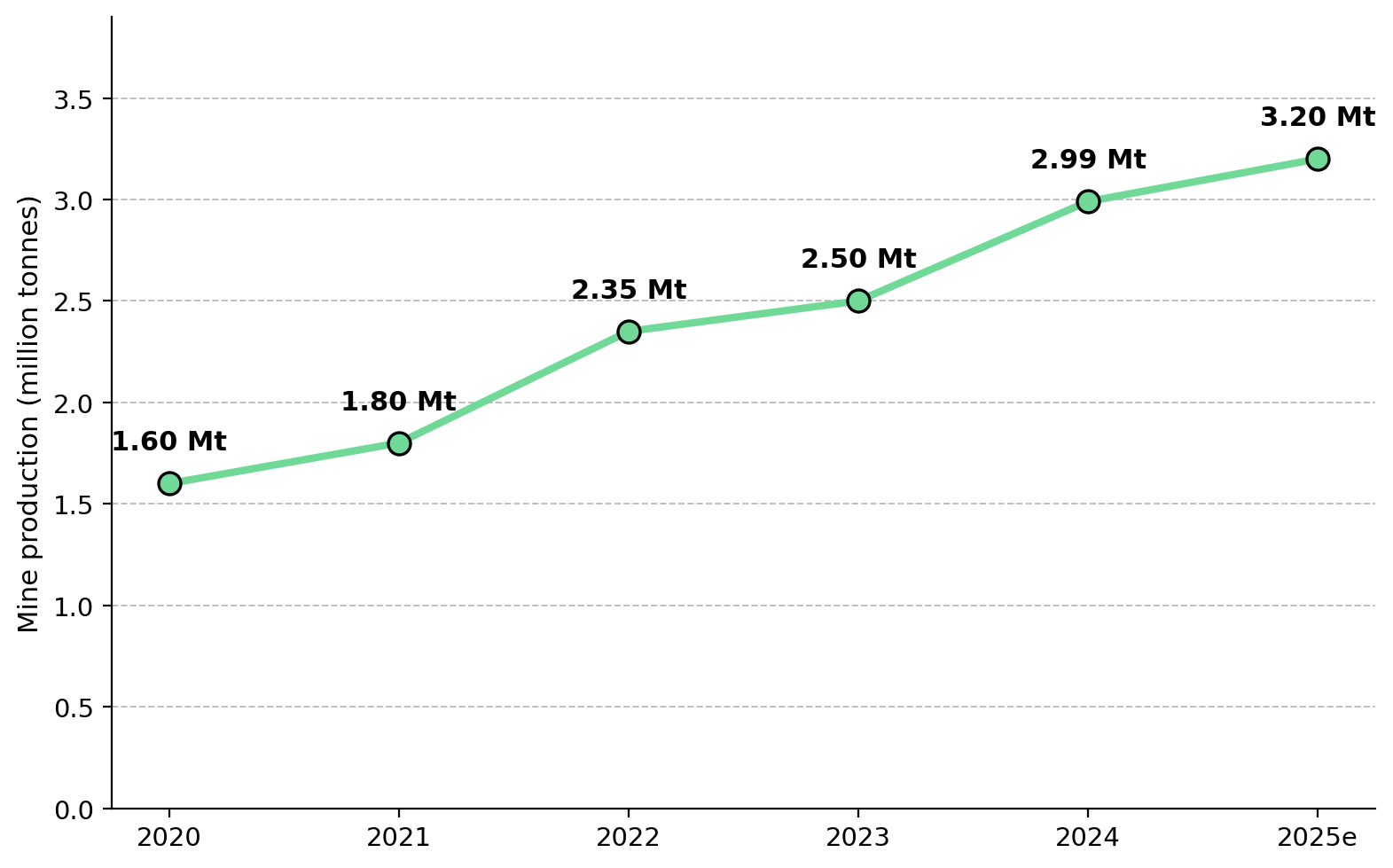
Ivanhoe Mines said on August 6, 2026, that the DRC has restricted exports of concentrate that has not been beneficiated for close to ten years, while Kamoa-Kakula's concentrate is already processed on-site or at the Lualaba Copper Smelter in Kolwezi. The larger risk is the shift from a published rule to single-minister discretion, which gives the Mines Minister greater control over future export waivers and increases policy uncertainty for DRC-exposed operations.
Mine Growth at 1.6% as Record-Low Treatment Charges Signal Tight Concentrate Supply
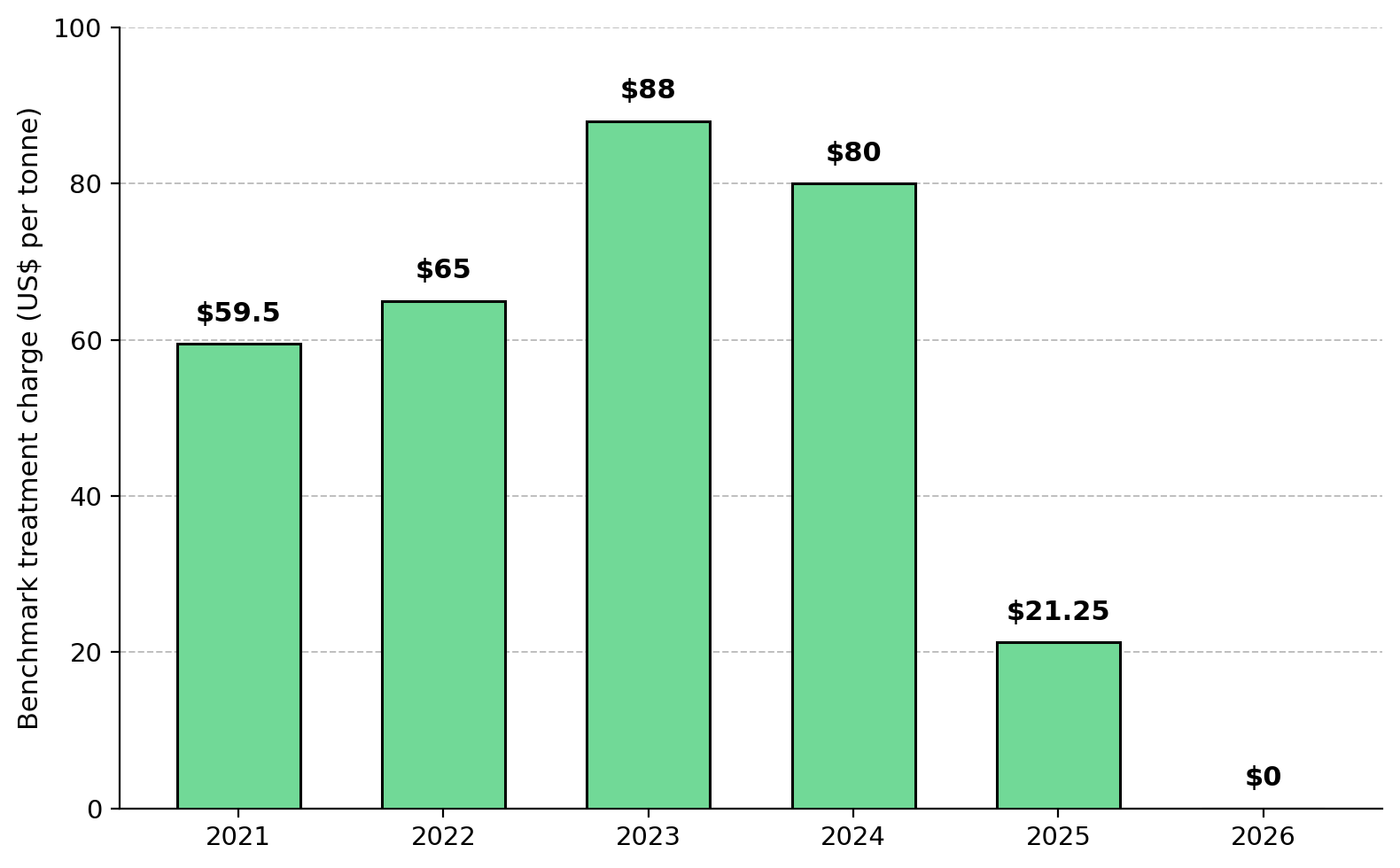
The ICSG cut its 2026 global mine production growth forecast to 1.6% and refined production growth to 0.4% in its April 23, 2026 update, citing lower output expectations in Chile, the DRC, and Indonesia. Treatment and refining charges show how tightly smelters are competing for concentrate feed: the 2026 annual benchmark settled at $0 per ton, the lowest on record, while spot charges fell to -$126.80 per ton by mid-year, meaning smelters were paying miners to secure concentrate. The ICSG's refined-market model still shows a 2026 surplus, with secondary and scrap supply contributing to refined output while primary mine production remains constrained.
Abitibi Metals now owns 100% of the B26 deposit in Quebec's Abitibi Greenstone Belt after acquiring the remaining 20% interest held by Société québécoise d'exploration minière (SOQUEM) in June 2026. The company’s 2026 resource estimate contains 25.3 million tons at 2.1% copper equivalent, while a 10-year right of first refusal on adjacent government-held properties provides a potential route to expand the project area. Jon Deluce, Founder and Chief Executive Officer of Abitibi Metals, explains why copper supply remains scarce:
“There's very few of these high-grade polymetallics available across the world, but especially Canada. Many of the producers go on record that copper gold is the most sought-after deposit in the market today.”
Marimaca Copper's Oxide Deposit in Chile's Antofagasta region has completed its 2025 Definitive Feasibility Study (DFS) and received environmental approval, with detailed engineering and project financing now underway. The DFS outlines a 13-year production target of 50,000 tons of copper per year, with a post-tax net present value at an 8% discount rate (NPV8) of $1.1 billion and a 39% internal rate of return (IRR) at a $5.05-per-pound copper price, giving the project a defined production profile as Chile's existing mines face supply constraints. Hayden Locke, Chief Executive Officer of Marimaca Copper, explains why copper demand supports the market outlook:
“We're in a Tier 1 jurisdiction, and in reality, we have a commodity tailwind, which I think everyone's expecting copper to be a very favorable place, despite some short-term volatility caused by things like the Iran war, over the next 3 to 5 years.”
Chile's Supply Constraints Increase the Need for New Copper Supply
With Chile's replacement capacity constrained through 2027, new copper supply is taking two different paths: discovery-stage projects that could add supply further into the future, and brownfield restarts that can return existing assets to production sooner.
High-Grade Copper Discoveries Build Future Supply as Existing Mines Decline
Cobra Resources has formally exercised its option to acquire the Manna Hill copper project in South Australia after diamond drilling intersected a bornite-rich zone linked to a porphyry intrusion beneath the existing copper-gold skarn. The higher-copper mineralization indicates that the system may extend beyond the known skarn into a larger porphyry system, giving further drilling a role in determining its potential scale.
These results illustrate why new copper supply requires a longer pipeline than the current market balance alone suggests. Projects at the discovery stage still require additional drilling and resource definition before they can support development decisions, but successful drilling can expand the pool of deposits capable of contributing to future copper production as existing mines decline.
Mogotes Metals has expanded its Albor discovery at the Filo Sur project in Argentina's Vicuña district, with final assays confirming 180 meters at 0.98% copper equivalent from a single drill hole. The mineralization remains open along strike and at depth, while further drilling is testing the extent of the system and whether it can support a larger copper resource. Allen Sabet, Chief Executive Officer of Mogotes Metals, discusses why major copper discoveries attract industry-wide attention:
"There have been no other large discoveries like Filo in the last 30 years. When you start to clip into something like that, it attracts interest regardless of whether you want it or not."
Brownfield Restarts Can Bring Copper Supply Back to Market Faster
Brownfield restarts with existing permitted infrastructure can shorten the path to production because they do not require the full construction program of a greenfield project, making them more relevant where additional copper supply is needed sooner.
Selkirk Copper's updated 2026 Mineral Resource Estimate for the Minto project in Yukon, Canada, increased Measured and Indicated tonnage by 280% to 47.8 million tons at 0.89% copper. The project also retains a processing plant, camp, and water infrastructure from its prior operating history, giving a restart project an existing operating base rather than requiring a full greenfield build. Colin Joudrie, Director and Chief Executive Officer of Selkirk Copper, outlines the project's potential copper supply:
“Our target is a 12 to 15-year mine life, 4,100 tons per day through the mill or 1.5 million tons of ore, and the objective is to produce on a copper equivalent basis 30,000 tons of metal contained in concentrate.”
August CPI & LME Inventory Data Will Test Whether Copper's Supply Constraints Can Sustain Prices
The Bureau of Labor Statistics (BLS) will release the July Consumer Price Index (CPI) data on August 12, 2026, with headline inflation at 3.5% in the 12 months through June; a reading at or above that level would increase expectations for a September Fed rate move and could pressure copper through tighter financial conditions. LME warehouse stocks provide the second signal: available inventory stood at 94,200 tons on August 4, 2026, while cash-to-three-month backwardation was at its widest level since January, indicating tighter nearby copper availability.
LME inventory remaining below the August 4 level while backwardation stays elevated would indicate that nearby copper availability remains tight, while a sustained inventory increase and narrowing backwardation would indicate that physical tightness is weakening.
The Investment Thesis for Copper
- Incumbent copper supply in Chile and the DRC faces simultaneous operational disruptions and changes to export rules, creating multiple constraints on mine-level supply.
- The ICSG's refined copper model shows a 2026 surplus despite record-low treatment and refining charges, making concentrate-market pricing an important signal of tight mine supply that the refined balance alone does not capture.
- Feasibility-stage copper projects outside Chile's incumbent mines could provide new production capacity as existing operations face grade decline and mine-life constraints.
- Exploration-stage copper discoveries can expand the longer-term supply pipeline, but their contribution depends on further drilling, resource definition, and subsequent project development.
- Restart-stage projects with existing permitted infrastructure can shorten the path to production by reducing the new construction required before operations resume.
- Near-term copper price signals will come from LME inventory and backwardation, which can show whether physical supply remains tight even as Fed rate expectations shift.
Copper's record price this month confirms the supply constraints already visible at the mine and concentrate levels. The supply constraint is visible in Chile's suspended life-extension capacity, the DRC's discretionary export regime, and the ICSG's lower global mine-growth forecast, while record-low treatment and refining charges point to tight concentrate availability despite differing refined-market balances. The supply response should therefore be assessed across three pathways: development-stage projects that could add new production, exploration programs that could define longer-term resources, and restart projects that can use existing infrastructure to reduce new construction requirements.
TL;DR
Copper reached $6.7045/lb on COMEX in early August as supply disruptions in Chile and the DRC, along with tariff-driven inventory relocation into the US, supported prices despite limited global demand growth. Chile's El Teniente production fell 27% year on year, while the suspension of its Andes Norte expansion delays access to 375 million tons of reserves. In the DRC, new export rules increase policy uncertainty without materially reducing near-term supply. The ICSG cut its 2026 mine-growth forecast to 1.6%, while record-low treatment and refining charges point to tight concentrate availability despite a refined-market surplus. The article identifies development-stage projects, exploration discoveries, and brownfield restarts as the main routes for future copper supply.
FAQs (AI-Generated)
Analyst's Notes





Subscribe to Our Channel












Stay Informed


