




Critical Minerals Processing Bottlenecks & the Repricing of Strategic Mining Assets


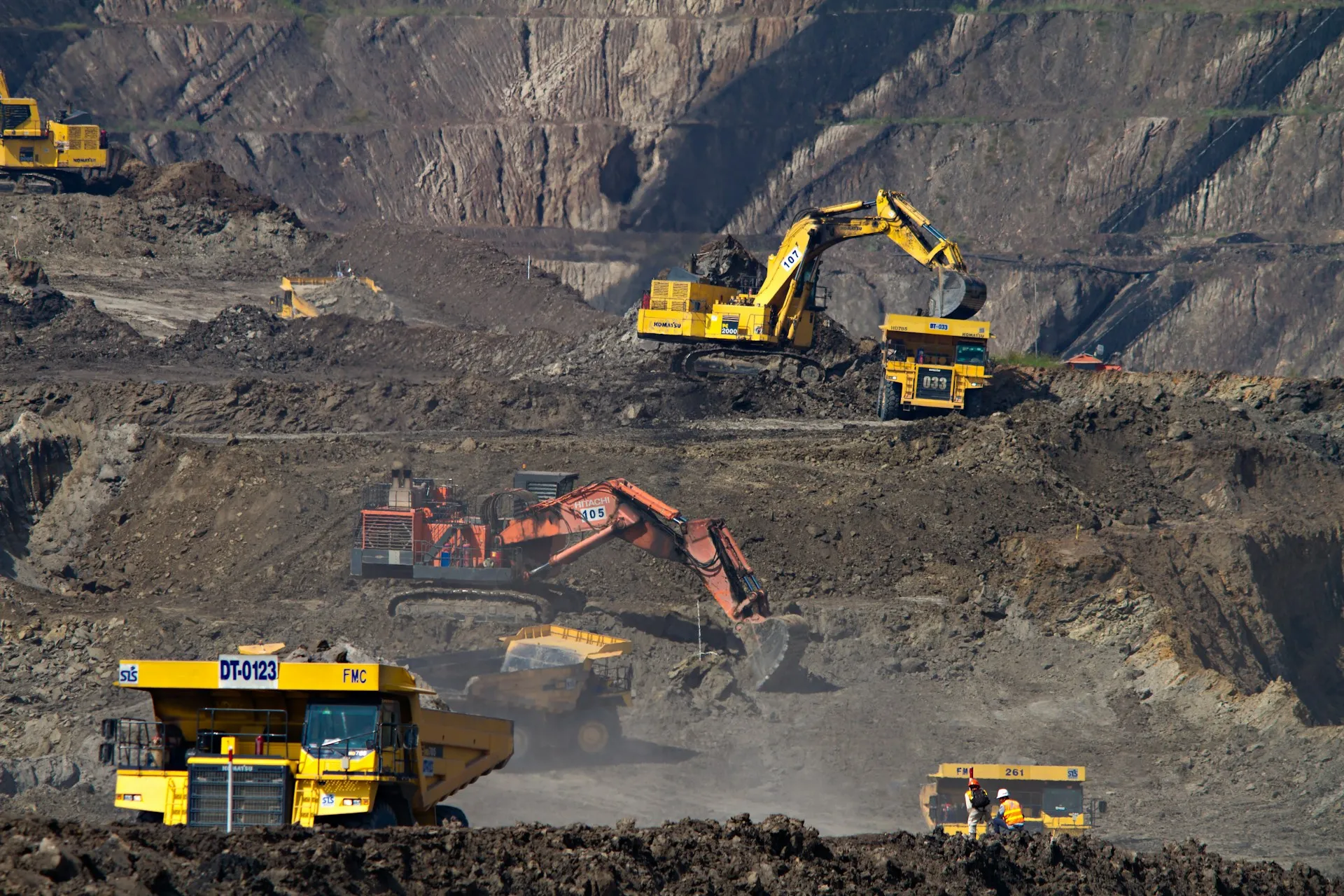
Processing capacity, not resource size, now determines critical minerals valuations. Projects with low emission routes in stable jurisdictions command premiums.
- Processing has become the dominant bottleneck in critical minerals supply chains, reshaping how mining assets are valued beyond resource size and grade.
- Value is increasingly captured downstream, as widening price differentials between raw feedstock and processed products reward projects with defined conversion pathways.
- Capital intensity, permitting timelines, emissions profiles, and technology risk now materially influence investability, weakening the relevance of traditional valuation metrics in isolation.
- Jurisdictional alignment with Western industrial, trade, and ESG policy reduces risk and enhances access to capital, offtakes, and market qualification.
- Processing optionality and integration provide margin resilience and strategic relevance, reducing exposure to commodity price volatility and concentrated refining hubs.
- The next phase of mining investment will be defined by delivery capability, not discovery alone, favouring projects that can supply compliant, traceable, processed materials into regulated global markets.
How Processing Drives Metals Valuation
Over the past decade, mining investment has been driven by discovery scarcity and capital discipline at the mine level. Today, the bottleneck has shifted decisively downstream. While global inventories of nickel and graphite remain ample on paper, processing and refining capacity has failed to scale at the same pace as demand driven by electrification, defense, and industrial decarbonization. This structural shift is forcing investors to fundamentally reassess how mining assets are valued, financed, and brought to production.
Historically, mining companies monetised value at the point of extraction, leaving refining and chemical conversion margins to industrial processors. That model is no longer sufficient in critical minerals markets. Across battery and industrial metals, price dispersion between raw feedstock and processed products has widened materially, creating distinct value capture opportunities at different stages of the supply chain.
Why Processing Has Become the a New Chokepoint
Processing introduces a distinct and often underappreciated risk profile that extends well beyond traditional mining risks. Higher upfront capital intensity, longer permitting and construction timelines, greater environmental, social, and governance scrutiny, and technology selection and scale-up risk all combine to create barriers that many resource-rich projects cannot overcome. As a result, investors are increasingly forced to assess mining projects not only on resource size or grade, but on their ability to convert material into specification-compliant, market-ready products.
The implications extend beyond project economics. Processing capacity determines whether a jurisdiction can capture value-added employment, fiscal revenues, and strategic relevance in global supply chains. For mining companies, this means that operational strategy now requires alignment with government industrialisation priorities, downstream customer qualification requirements, and increasingly complex trade policy frameworks.
From Ore to End Product: Where the Real Margin Now Sits
Processing captures not only higher absolute margins but also greater pricing stability, reducing exposure to short-term commodity volatility. From an investment perspective, this weakens the explanatory power of traditional valuation metrics such as enterprise value per ounce or enterprise value per tonne when used in isolation.
Instead, investors must now assess capital efficiency measured in United States dollars per tonne per annum of processing capacity, power intensity and emissions profile, feedstock flexibility distinguishing between oxide and sulphide processing routes, and customer qualification and offtake visibility. These factors increasingly determine which projects can secure financing, attract strategic partners, and ultimately deliver returns to shareholders.
Processing capacity located near end markets commands premium economics due to reduced logistics costs, faster qualification timelines, and alignment with local content requirements.
Mozambique's Graphite Strategy & the Shift Toward In-Country Processing
Mozambique illustrates how resource-rich countries are moving up the value chain. As a top-10 global graphite producer, it is expanding domestic processing to capture more downstream value rather than exporting raw concentrate. In January 2026, President Filipe Nyusi opened the Chinese-owned Twigg graphite processing plant, marking a concrete step in the country's industrialisation strategy. The commissioning of large-scale graphite purification capacity reflects a broader policy shift toward industrialisation, higher fiscal returns, and strategic positioning within global battery supply chains.
The importance lies less in individual project economics and more in the precedent this sets for permitting, taxation, and export policy across critical minerals. Processing capacity reshapes jurisdictional risk and valuation by influencing market access, ESG compliance, and geopolitical relevance. Developers able to align with these requirements through in-country processing, transparent supply chains, and stable jurisdictions are increasingly positioned to command strategic premiums, while traditional “mine-and-ship” models face rising risk.
Nickel Markets: Processing Routes Now Define Supply Security
Nickel markets demonstrate how processing concentration can distort global supply chains and create strategic vulnerabilities. While Indonesia dominates production volumes, much of this output is tied to high-emissions pig iron and matte processing routes, creating friction with Western original equipment manufacturer decarbonisation mandates. This divergence has elevated the strategic value of sulphide-based nickel projects in stable jurisdictions, where processing pathways are compatible with battery-grade requirements and environmental, social, and governance expectations.
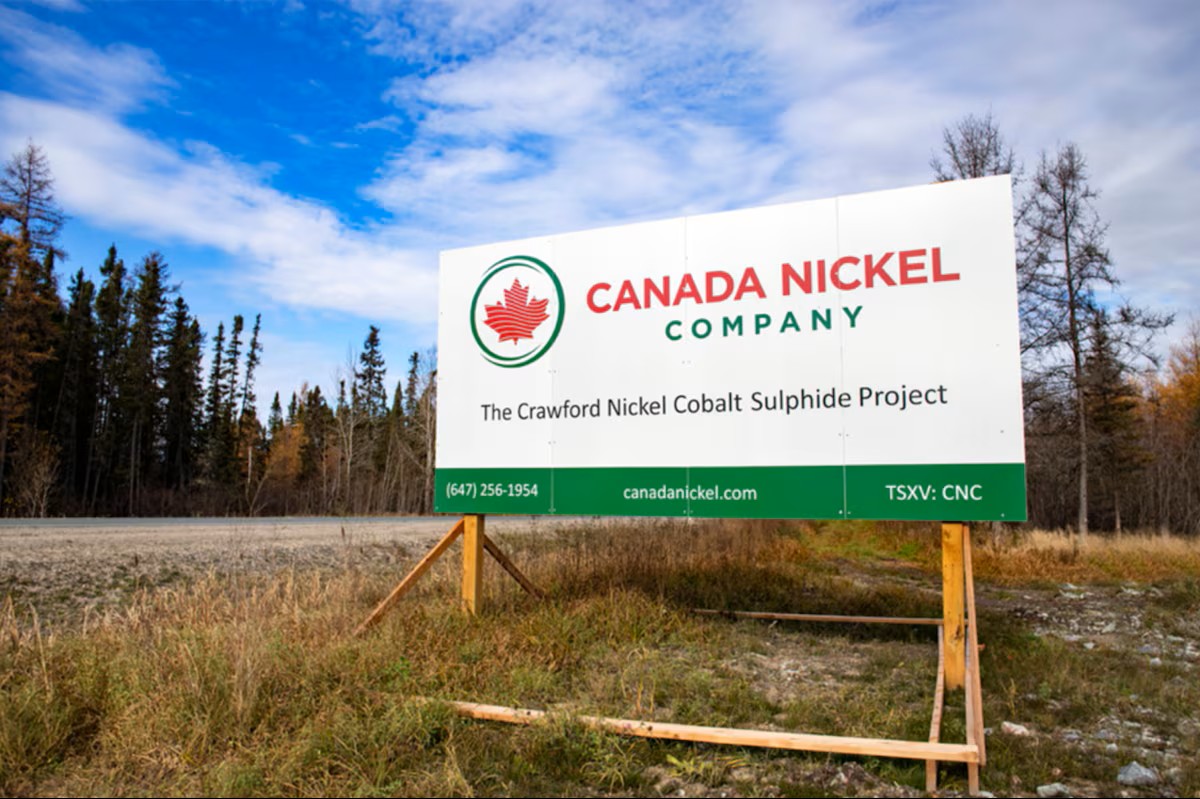
Canada Nickel illustrates this shift through its Crawford project, which combines large-scale sulphide mineralisation with projected all-in sustaining costs below current market prices and jurisdictional stability. The company's district-scale resource base provides optionality for long-term expansion and processing integration.
Chief Executive Officer of Canada Nickel, Mark Selby, emphasized the scale achieved in a compressed timeframe:
"We now have more than 20 million tons of contained nickel in the ground. It's the largest nickel sulfide district in the world and we still have lots of room to grow."
Lifezone Metals highlights how proprietary hydrometallurgical processing can reshape project economics by reducing energy consumption, emissions intensity, and downstream conversion risk. The company's Kabanga project in Tanzania, with reserves of approximately 50 million tonnes grading 4.1 percent copper equivalent, significantly higher than deposits like Resolution or Kamoa-Kakura, demonstrates a net present value of 1.66 billion United States dollars at conservative long-term nickel prices.
The traceability and environmental performance advantages of sulphide-based processing routes processed through Western smelters create distinct market access and pricing benefits.
Chief Financial Officer of Lifezone Metals, Ingo Hofmaier elaborates on this competitive positioning:
"The ultimate thing is a deposit like Kabanga ensures that environmental concerns are one element but the key thing is traceability of nickel sulfates that ultimately go through western smelters."
The implication is clear: processing optionality and jurisdictional alignment are now core valuation drivers, not secondary considerations. Projects that can deliver Class 1 nickel through low-emissions processing routes in geopolitically stable jurisdictions are positioned to capture disproportionate capital and strategic interest as Western supply chains seek to diversify away from concentrated processing nodes.
Rutile & Graphite: When Small Markets Create Large Bottlenecks
In smaller but strategically critical markets, processing constraints can have disproportionate impacts on pricing and capital flows.Rutile markets face a structural supply decline as legacy operations mature, increasing the premium on low-cost, scalable feedstock with clear processing pathways. At the same time, graphite demand is accelerating due to battery manufacturing growth, intensifying scrutiny on purification capacity and environmental, social, and governance credentials.
Sovereign Metals exemplifies this dual exposure through its Kasiya project, which combines rutile and graphite in a single, large-scale system supported by renewable power and low operating costs. The project's integrated development approach reflects how processing considerations increasingly shape asset attractiveness, particularly in commodities where supply concentration and limited substitution options create strategic dependencies. In graphite markets where purification capacity remains concentrated and ESG compliance increasingly determines market access, cost curve positioning becomes critical to ensuring sustained profitability across price cycles.
Chairman of Sovereign Metals Ben Stoikovich, said:
“What’s important for Sovereign is that Kasiya is right at the bottom end of the real cost curve and we’ll always be able to sell graphite into the market at healthy margins.”
These dynamics reinforce the need to assess market structure, supply elasticity, and processing concentration. In commodities where a handful of producers control refining capacity or where technical specifications create high barriers to new entrants, even modest supply disruptions can generate substantial price volatility and create opportunities for well-positioned developers.
The Investment Thesis for Battery Metals
- Processing capacity has become the primary constraint in critical minerals supply chains, shifting valuation emphasis away from resource size alone toward throughput capacity, processing capital intensity, emissions profiles, and customer qualification timelines.
- Projects with defined, scalable, and low-emissions processing routes command structural premiums, as downstream customers increasingly prioritise compliant, traceable supply over lowest-cost raw feedstock.
- Jurisdictional alignment with Western industrial and trade policy reduces long-term risk, improving access to concessional financing, strategic offtakes, and permitting support while lowering exposure to export controls and carbon-based trade barriers.
- Developers approaching construction with integrated or clearly articulated processing solutions face valuation inflection points, as risk transitions from geological uncertainty toward execution and cash-flow visibility.
- Integrated or processing-optional projects benefit from margin resilience and reduced price volatility, capturing value across multiple stages of the supply chain rather than remaining exposed solely to spot commodity pricing.
- Assets capable of supporting long-life, expandable processing infrastructure attract strategic capital, particularly where district-scale resources provide volume visibility and flexibility as end-market demand evolves.
The next phase of mining investment will not be defined solely by who controls the largest or highest-grade resources, but by who can deliver compliant, processed materials into increasingly regulated global markets. For investors, this requires a fundamental shift in analytical focus, away from tonnes in the ground and toward throughput capacity, emissions profiles, permitting certainty, and jurisdictional alignment.
As critical minerals markets mature, companies positioned on the right side of the processing bottleneck are likely to attract disproportionate capital, strategic interest, and long-term valuation support, regardless of near-term commodity volatility. The convergence of government industrial policy, downstream customer requirements, and capital market discipline around environmental, social, and governance performance has created a new competitive landscape where processing capability increasingly determines which projects get built and which companies generate superior returns.
TL;DR
Processing capacity is now the key constraint in critical minerals markets. As refining and conversion capacity lags demand from electrification and decarbonisation, investors are shifting focus away from grade and tonnes toward processing capability, emissions profiles, permitting certainty, and customer qualification. Higher capital intensity and regulatory scrutiny are disadvantageous to traditional “mine-and-ship” models, while projects with aligned, low-emissions processing routes in stable jurisdictions are capturing greater value, capital access, and long-term valuation premiums.
FAQ’s (AI Generated)
Processing and refining capacity now determines whether a mining project can deliver specification-compliant, market-ready materials. Investors are shifting focus from raw resource quantity toward throughput, emissions profile, and customer qualification to capture downstream value.
Traditional metrics are less relevant because value is increasingly captured downstream. Projects with defined, scalable processing routes, integrated solutions, and jurisdictional alignment command strategic premiums and reduced exposure to commodity volatility.
Limited refining infrastructure introduces higher capital intensity, longer permitting timelines, technology scale-up risk, ESG scrutiny, and concentration risk in global supply chains. These factors create barriers for traditional “mine-and-ship” projects.
Alignment with Western industrial, trade, and ESG policy improves access to financing, strategic offtake agreements, and permitting support. Projects in stable jurisdictions with supportive industrialisation policies face lower execution risk and higher strategic relevance.
Projects with low-emissions, scalable processing routes, integrated development approaches, and traceable supply chains are favored. District-scale resources with long-life expansion optionality attract strategic capital and ensure margin resilience in regulated, supply-constrained markets.
Analyst's Notes





Subscribe to Our Channel








Stay Informed


