Uranium Juniors Drilling Like Never Before as Market Fundamentals Strengthen


.webp)
100,000m uranium drilling ($450M raised) led by NexGen's 45,000m program. Prices hit $88.50 on scarcity. Major partners validate projects. 5-10yr supply deficit persists.
- The uranium exploration sector is experiencing significant drilling activity with approximately 100,000-110,000 meters planned, in 2026 representing $420-$450 million in capital raised over the past six months, with $300 million in the last three months alone.
- Uranium prices are showing sustained upward movement with long-term prices rising from $80 to $100 over recent months and spot prices reaching $88.50, driven by supply scarcity rather than demand spikes, indicating a fundamental market repricing.
- Major producers and strategic partners are actively funding exploration companies through project-specific investments and equity positions, providing validation and reducing dilution risk for junior explorers compared to previous cycles.
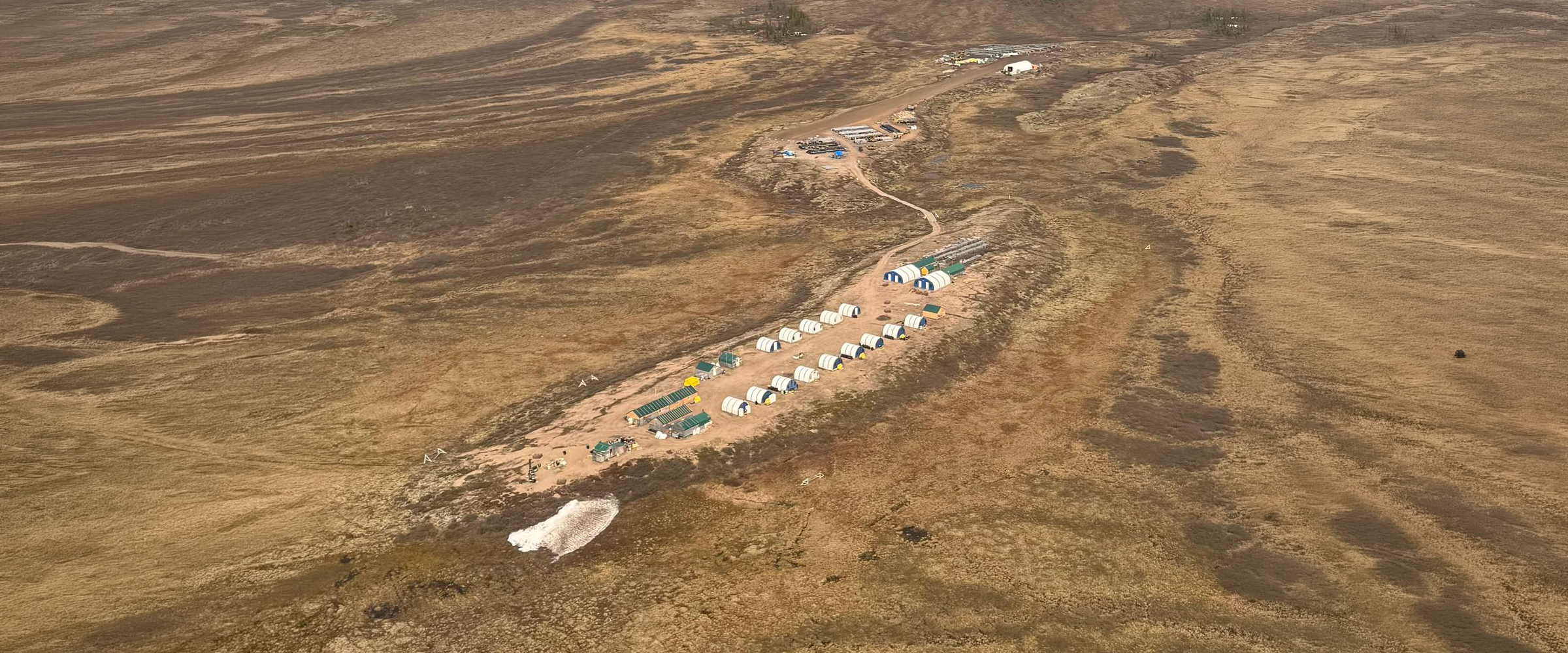
- The Athabasca Basin in Saskatchewan dominates current drilling activity, with NexGen leading at 45,000 meters, followed by multiple companies conducting systematic follow-up drilling on known high-grade discoveries rather than speculative grassroots exploration.
- Current exploration activity is characterised as "smarter money" and "smarter drilling" compared to the previous cycle, with companies leveraging 15 years of accumulated geological data and focusing on projects with demonstrated merit and major partner backing.
The uranium market is experiencing what industry veterans characterise as a fundamental repricing rather than a cyclical spike. According to Chris Frostad, CEO, Purepoint Uranium, long-term uranium prices have climbed from $80 to approximately $86 over recent months, while spot prices have surged $12 to reach $88.50. This represents a significant shift from the extended period when long-term prices remained stagnant at $80 for approximately 18 months.
The current price movement differs fundamentally from previous cycles. Frostad emphasises that the price trajectory is "scarcity-driven" rather than demand-driven, suggesting a structural deficit in available uranium supply. This scarcity is expected to persist for 5-10 years, as even projects currently under development will not produce sufficient material to address the known supply gap. The market is witnessing what Frostad describes as a rising floor price, with any pullbacks likely to be minimal and temporary.
Capital Flows and Investment Quality
The exploration sector has experienced substantial capital inflows, with approximately $420-450 million raised across junior and mid-tier uranium companies over the past six months. Notably, $300 million of this total materialised in just the last three months, demonstrating accelerating investor interest. This capital is earmarked specifically for drilling programs currently underway or planned for 2026.
The quality and source of this capital marks a departure from previous uranium cycles. Rather than indiscriminate retail speculation, current funding includes significant participation from major producers including Cameco, Orano, Denison Mines, and NexGen Energy. These strategic investors are deploying capital through both direct project investments and equity financings, providing technical validation alongside funding.
Frostad notes that nine of the fifteen active drilling projects are backed by major partners, representing a higher proportion of strategic involvement than in past cycles. This partnership structure benefits junior explorers by facilitating additional capital raises from public markets while maintaining appropriate leverage for shareholders. The presence of experienced operators conducting due diligence serves as a quality filter, helping investors identify projects with legitimate geological merit.
Drilling Activity in the Athabasca Basin
Current drilling activity encompasses approximately 100,000-110,000 meters across multiple projects, translating to 200-300 drill holes. The Athabasca Basin in Saskatchewan accounts for the majority of this activity, reflecting the region's combination of high-grade deposits, political stability, and proximity to end markets, particularly the United States.
NexGen Energy leads the sector with a 45,000-meter program at its Patterson East project, representing tens of millions of dollars in expenditure. The company has progressively expanded its drilling from previous years and is now extending exploration to additional properties in the region. This scale of commitment indicates confidence in the geological potential and economic viability of their deposits.
Other significant programs include IsoEnergy's 5,200-meter expansion drilling at the Hurricane deposit, which has demonstrated industry-leading grades. Pure Point Uranium is conducting 7,500 meters of drilling in partnership with IsoEnergy, representing $6 million in ground expenditure. F3 Uranium, CanAlaska Uranium, and Skyharbor Resources are conducting programs ranging from 1,200 to several thousand meters, with many following up on high-grade intersections from previous seasons.
The technical approach reflects learned experience from 15 years of exploration in the basin. Companies are conducting systematic step-out drilling from known mineralisation rather than purely speculative grassroots exploration. Frostad explains:
"Once you start to hit this stuff, you don't want to leave until you've absolutely determined that it's not there".
It emphasises the rarity of significant uranium intersections and the importance of thoroughly testing identified trends.
Strategic Partnerships with Major Producers
The involvement of major producers represents both opportunity and complexity for junior explorers. Strategic partnerships provide capital, technical expertise, and eventual development capacity, but deal terms require careful structuring to preserve shareholder value.
Frostad emphasises that exploration companies must ensure partnership agreements include appropriate monetisation mechanisms and exit options. Some historical structures included buyback clauses allowing majors to acquire projects at predetermined multiples of expenditure, potentially capping upside for the explorer. Current negotiations occur from a position of relative strength given higher uranium prices and alternative financing options through public markets.
The strategic calculus for majors differs from junior explorers. Major producers think in 5-10 year timeframes and prioritise projects fitting their long-term supply requirements, while explorers operate on shorter horizons and seek to maximise torque on discoveries. As Frostad notes, partnerships now reflect that "companies are in a position to not give up the farm" because "there are options" including accessing public market capital.
Different partnership models are emerging. Some majors like Cameco and Orano take project-specific positions, funding particular properties while the explorer maintains ownership and operational control. Others, including Denison Mines, participate through equity financings in the explorer itself, providing corporate-level support. NexGen Energy, as a larger intermediate producer, has taken equity positions in smaller explorers while advancing its own substantial drilling programs.
Market Commentary from Chris Frostad, CEO of Purepoint Uranium
Technical Evolution of Exploration Programs
The nature of uranium exploration in the Athabasca Basin has evolved significantly from previous cycles. Twenty years ago, the region had experienced minimal exploration for two decades, requiring extensive preliminary work including airborne geophysics before drilling could commence. Current programs benefit from accumulated geological understanding, existing geophysical datasets, and 15 years of drilling results across the basin.
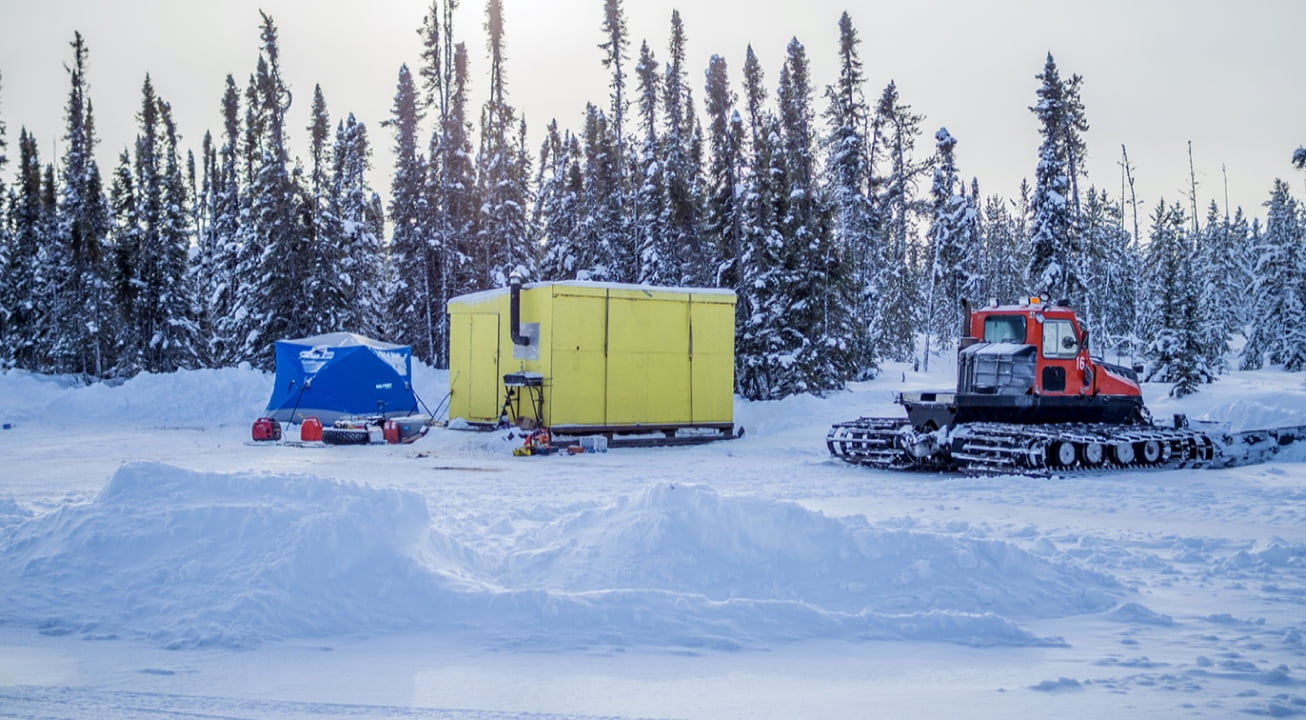
Seasonal constraints historically limited drilling to winter months when frozen ground allowed access to remote, wet locations. However, increased use of helicopter-supported drilling has extended the season. While helicopter-portable rigs roughly double drilling costs, they eliminate the need for extensive access clearing and permit year-round operations, reducing community impact and accelerating programs when capital is available and time is critical.
The technical quality of current drilling reflects this accumulated knowledge base. Companies are targeting specific geological settings and structural controls on mineralisation identified through decades of work. This contrasts with the previous cycle when, as Frostad recalls, limited understanding led to more speculative drilling and duplicative geophysical surveys.
Investment Differentiation in the Current Market
The current environment allows for clearer differentiation between legitimate exploration plays and speculative ventures. Frostad suggests investors evaluate several factors: quality and location of land positions, work history on properties, partnership relationships, financing sources, and capital allocation priorities including marketing expenditure.
The presence of major producer backing serves as a significant validation signal, indicating that experienced technical teams have conducted due diligence and committed capital. Projects with systematic drilling programs following up on known mineralisation represent lower-risk opportunities compared to early-stage grassroots exploration, though with correspondingly different return profiles.
Frostad emphasises that discoveries made today will not address current uranium supply deficits, as new deposits require approximately 10 years from discovery to production. This timeline means current drilling supports long-term supply while near-term scarcity continues to support prices. For explorers, successful discoveries in the current environment should benefit from sustained higher uranium prices throughout the development timeline.
Long-Term Supply Outlook
The broader uranium supply picture remains constrained despite current exploration activity. Existing development projects are insufficient to address known supply deficits over the next 5-10 years. Even with successful exploration outcomes, the extended timeline from discovery through permitting, financing, construction, and commissioning means material supply additions remain years away.
This structural deficit underpins the investment thesis for both explorers and developers. Unlike cycles driven by demand spikes, the current environment reflects insufficient supply to meet baseline requirements from existing and planned nuclear reactor fleets. Additional demand from new reactor construction, small modular reactors, and data center power requirements would compound the supply challenge.
The political and regulatory environment has evolved to recognise energy security concerns, though permitting and development timelines remain extended. The Athabasca Basin's location in a stable jurisdiction with established nuclear infrastructure and regulatory frameworks provides advantages compared to some other uranium-producing regions.
Implications
The uranium exploration sector is experiencing its most significant drilling season in years, supported by substantial capital deployment and strategic partner involvement. The current cycle differs from previous uranium booms through more selective capital allocation, systematic technical approaches building on accumulated geological knowledge, and fundamental supply scarcity rather than speculative demand projections.
For investors, the environment offers opportunities to participate in potential discoveries that could supply future uranium demand at prices significantly higher than historical levels. The involvement of major producers provides technical validation and reduces certain risks, though careful evaluation of individual projects, management teams, and deal structures remains essential. The extended timeline from exploration to production means current drilling addresses long-term supply while near-term scarcity supports prices, potentially benefiting the entire development pipeline from exploration through existing production.
High Activity = Market Confidence
- 100,000+ metres of drilling represents significant capital deployment
- Indicates sustained institutional and major company confidence
- Counter to any "uranium bear market" narrative
Athabasca Basin Premium Validated
- Concentration of 90%+ of metreage confirms district quality premium
- High-grade discoveries driving follow-up investment
- Best projects attract largest programs and major partners
JV Model = Lower Risk Profile
- 9 of 15 programs benefit from major company partnership
- Dilution risk managed through earn-in structures
- Technical expertise and funding support from partners
Discovery Pay
- Companies with high-grade discoveries (NexGen, Purepoint, F3, IsoEnergy) command largest programs
- Market rewards exploration success with continued funding
- Clear path from discovery to development-scale programs
Australia Underweight
- Limited exploration activity despite large resource base
- Permitting challenges drive capital to Canada/Namibia
- ASX uranium stocks trade more on production/restart themes
TL;DR
The uranium sector is experiencing 100,000+ meters of drilling ($420-450M raised in six months) concentrated in Saskatchewan's Athabasca Basin, led by NexGen's 45,000-meter program. Unlike previous cycles, capital comes from strategic partners (Cameco, Orano) providing validation, while uranium prices ($86 long-term, $88.50 spot) reflect fundamental scarcity rather than speculation. Current drilling represents systematic follow-up on known discoveries using 15 years of accumulated data, positioning successful explorers for 5-10 year supply deficits.
FAQ's (AI Generated)
Current price movement is scarcity-driven rather than demand-driven, with major producer involvement and smarter capital allocation. Companies leverage 15 years of geological data versus the previous cycle's speculative approach with minimal historical information.
Combination of high-grade deposits, political stability, $300M raised in three months, and proximity to U.S. markets. Nine of fifteen active projects have major partner backing, providing validation and reducing execution risk for systematic exploration programs.
Approximately 10 years from discovery to production, meaning current drilling addresses long-term supply. Near-term (5-10 year) deficits persist even with successful exploration, supporting sustained higher prices throughout the development timeline for new projects.
Major partners provide capital, technical validation, and eventual development capacity while helping explorers raise additional public market funds. Current higher uranium prices enable better deal terms compared to previous cycles when explorers operated from positions of distress.
Helicopter-supported drilling doubles costs but eliminates seasonal constraints, reduces community impact from access clearing, and accelerates programs. When capital is available and uranium prices support economics, time becomes more valuable than cost savings.
Analyst's Notes





Subscribe to Our Channel

















Stay Informed