




Gold Rally Supported by US-Iran Deal & Fed Outlook, Still at Risk as Hike Odds Hold at 57%


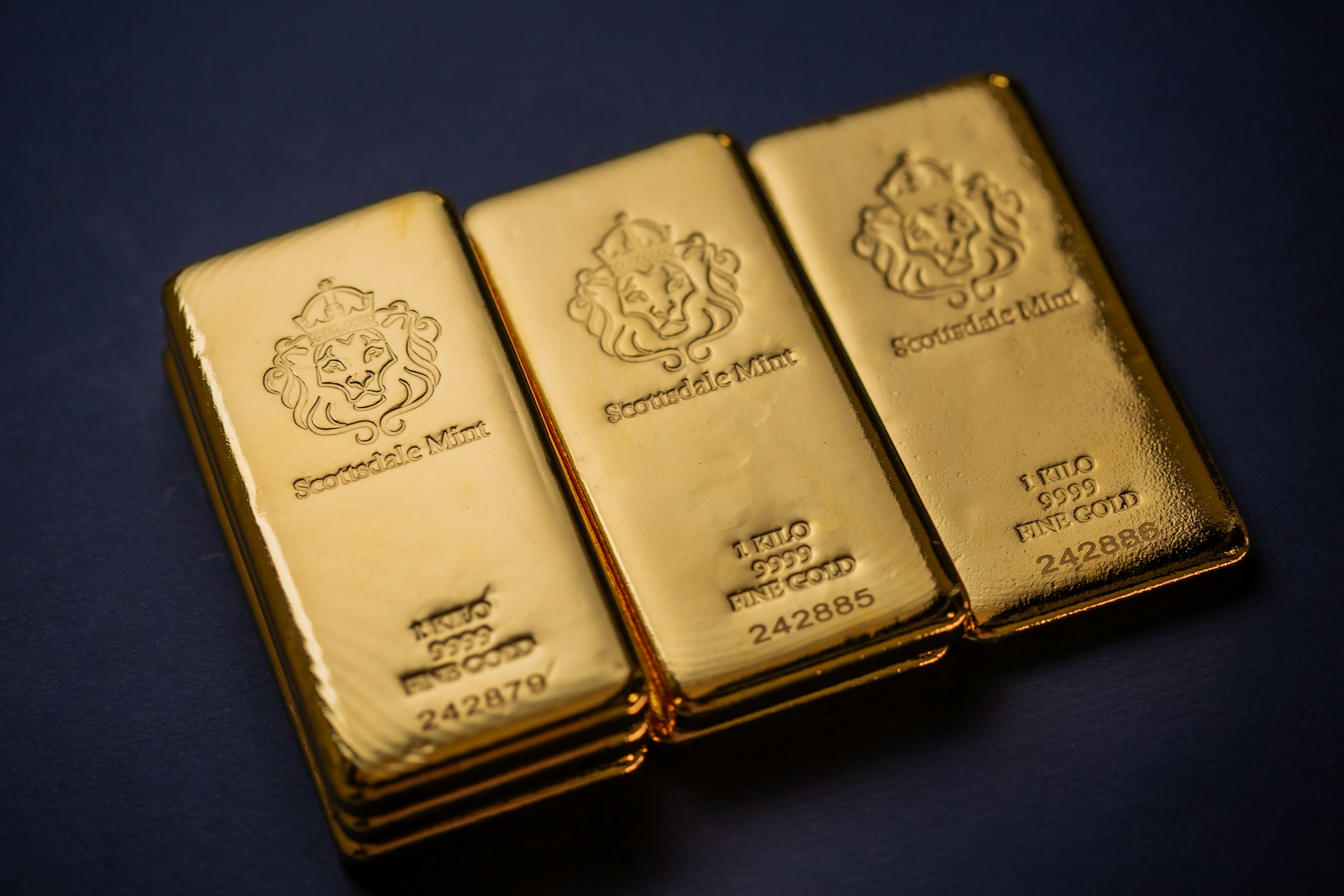
Gold rose to a one-week high as December hike odds fell to 57%, while India's silver imports plunged 94% after new import curbs.
- Spot gold rose 0.6% to $4,334.06/oz, a fourth straight session of gains and a one-week high, after the US and Iran signed a preliminary deal to end the Persian Gulf war and reopen the Strait of Hormuz.
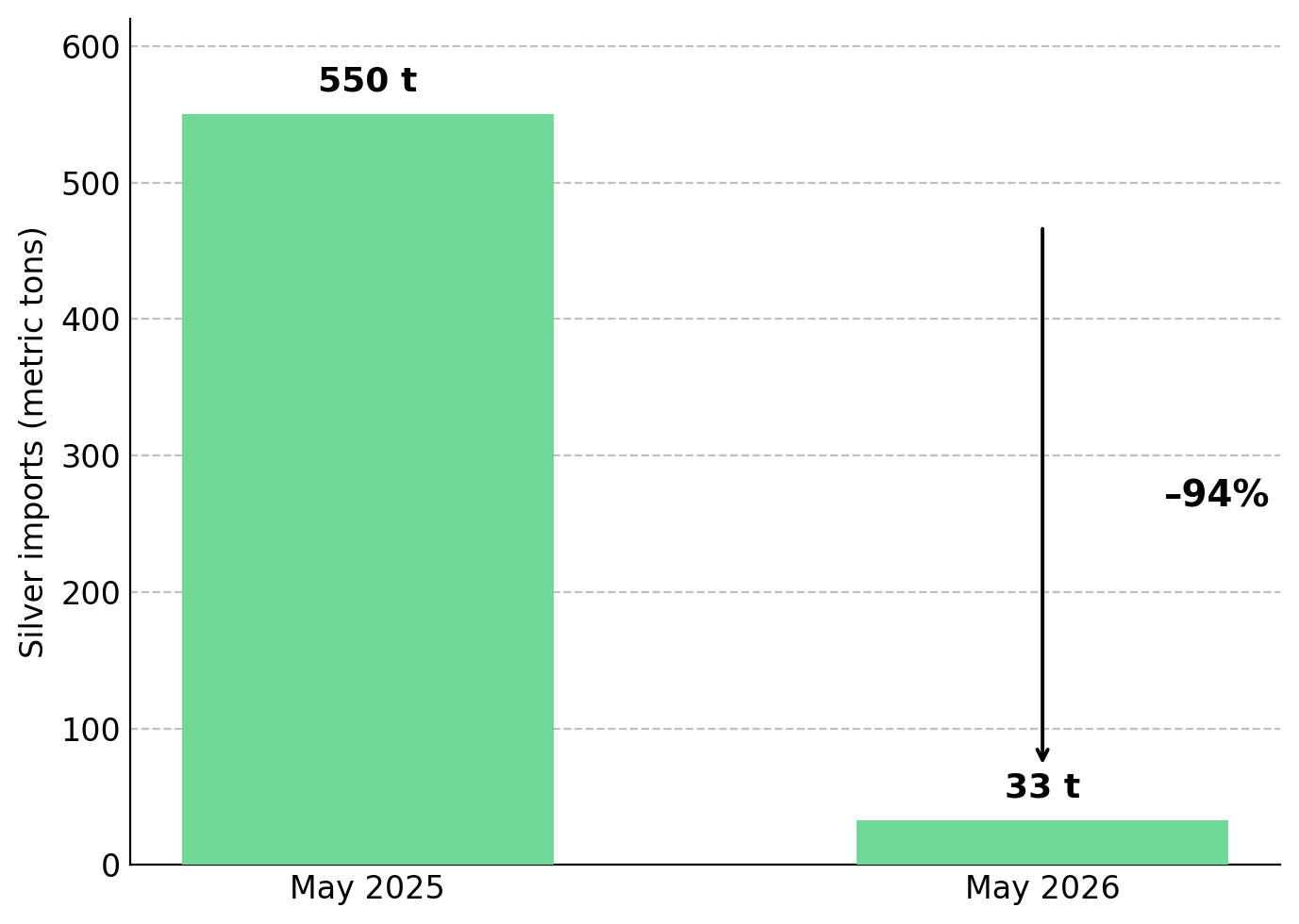
- India's May silver imports fell 87% from a year earlier to $75.57 million, a 94% volume drop to 33 metric tons and the lowest since February 2023, after New Delhi raised precious-metal duties to 15% and restricted nearly all silver forms.
- A record 45% of central-bank reserve managers plan to add gold over the next 12 months, and 90% cite crisis performance as the reason, according to the World Gold Council.
- The permanent US-Iran truce is unsigned and its terms unknown until Friday's ceremony, leaving this week's gold price dependent on two yes-or-no outcomes investors cannot predict.
- Traders have cut December rate-hike odds to 57% from 70% on CME FedWatch, and any sign from new Fed Chair Kevin Warsh on Wednesday that rates could rise would pull gold down right away.
US-Iran Truce & Gold's Move to One-Week High
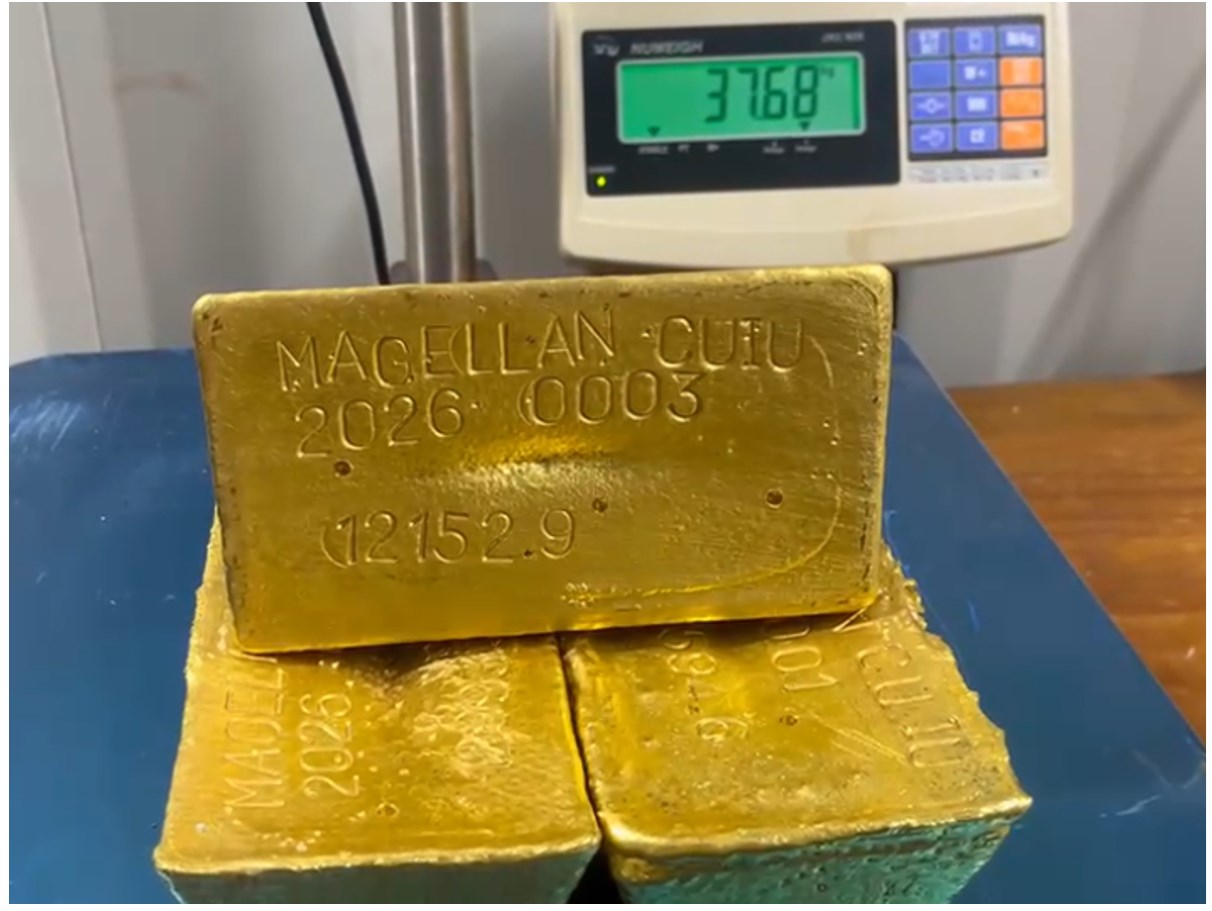
Spot gold rose 0.6% to $4,334.06 an ounce, extending gains for a fourth straight session to a one-week high. US gold futures for August delivery added 0.1% to $4,355, while silver held at $70.12. The move followed a preliminary agreement between the US and Iran to end the Persian Gulf war and reopen the Strait of Hormuz, which had already lifted gold roughly 3%.
The rally rests partly on a softer dollar, which held near 10-day lows and made gold cheaper for buyers outside the US. Silver showed the opposite problem: India, the world's largest consumer, saw May import volumes collapse 94% to 33 metric tons, the lowest since February 2023, which threatens to weigh on global silver prices even as it shrinks India's trade deficit.
India's Import Curbs & Silver's 94% Import Collapse
India's silver imports slowed sharply after the government restricted nearly all forms of the metal, later extending the curbs to grain and powder and requiring import permits, limiting access to overseas supply. India sources more than 80% of its silver from imports, mainly from the UAE, Britain, and China, so the restrictions reduced domestic supply and pushed local prices above international benchmarks. The restrictions contributed to an 87% year-over-year decline in silver import value to $75.57 million.
India raised precious-metal import duties from 6% to 15% to reduce import demand, preserve foreign-exchange reserves, and support the rupee during a period of elevated oil prices. Central-bank demand continues to support gold prices, with 90% of respondents in the World Gold Council survey citing gold's performance during crises, while 85% of emerging-market respondents hold it as a hedge against political risk.
Warsh's First Fed Signal & Gold's Next Move
Gold's initial price response may outpace the underlying improvement in geopolitical risk, as the US-Iran truce remains subject to a formal signing ceremony. Edward Meir, analyst at Marex, said the rally could extend until the signing ceremony, indicating traders are pricing in successful implementation before key details are finalized. In India's silver market, import restrictions continue to constrain supply despite steady demand, pushing local prices higher and creating shortages that are unlikely to ease until import rules change.
Wednesday's policy signals could determine whether gold extends its rally or retraces recent gains. In the bull case, Warsh signals at least one 2026 rate cut, weakening the dollar from its 10-day low and supporting gold above $4,334/oz as lower real-rate expectations increase demand for non-yielding assets. In the bear case, Warsh signals higher rates and increases expectations of a December hike, raising the opportunity cost of holding gold while reducing the geopolitical risk premium embedded in prices.
US-Iran Deal & Fed Outlook Drive Precious-Metals Positioning
Precious-metals miners and physically backed ETFs are most exposed to moves in gold and silver prices. Silver ETFs face greater near-term risk because India's import restrictions have tightened supply and could widen the gap between local and international prices. Gold-backed investments benefit from continued central-bank buying; Metals Focus forecasts purchases will fall 15% in 2026 but remain above pre-2022 levels, supporting demand and reducing event-driven risk.
This week's price direction depends on two catalysts: the final US-Iran truce terms and Warsh's first guidance as Fed Chair. Because neither outcome is known, position sizing remains the key risk-management tool. A reversal in gold or silver could quickly erase recent gains, while leverage amplifies both gains and losses.
Rate-Hike Odds & Gold's Key Reversal Trigger
Gold's rally remains supported by December rate-hike odds of 57%, down from 70% before the US-Iran agreement, helping keep the dollar near 10-day lows and supporting bullion. If those expectations hold, gold and gold miners could continue to benefit from a weaker dollar and ongoing geopolitical risk premiums.
Wednesday's Fed decision is the key catalyst. If Warsh signals higher rates, December hike odds could move back toward 70%, strengthening the dollar and increasing the opportunity cost of holding gold. That would likely pressure both gold and gold-mining equities.
CME FedWatch will indicate whether rate expectations shift after the Fed statement, while Friday's US-Iran signing will determine whether geopolitical risk remains priced into gold or begins to fade.
Analyst's Notes





Subscribe to Our Channel



Stay Informed






















