




2026 Outlook: Gold Terra Advances Con Mine Toward Production: 1M Ounces at 5-7 g/t Target 2029 Timeline



Gold Terra advances high-grade Con Mine toward 2029 production: 1M oz at 5-7 g/t supporting 140K oz/year operation with $2K+ margins at $4K gold. MRE Sept, PEA Q4 2026.
- Gold Terra Resources is positioning to acquire the Con Mine in Yellowknife by 2027, pivoting strategy from deep drilling to near-surface resources after gold surpassed $4,000/oz, reducing required resources from 1.5M to 1M ounces for economic viability
- The company has identified approximately 1M ounces at 5-7 g/t between surface and 1,000 meters through re-evaluating historical drilling with lower cut-off grades (2.5 g/t vs 3.5 g/t), including 500,000+ ounces at the Yellorex zone and another 500,000 ounces in Zone 103
- Blue-chip investors including Eric Sprott, David Harquail and Mackenzie Funds have taken positions, validating the project's potential, with 95% of the recent $7M financing coming from existing shareholders
- 2026 roadmap includes 15,000 meters of drilling, updated mineral resource estimate in September, and preliminary economic assessment by year-end, targeting 2,000 tpd mill producing 140,000 oz/year with breakeven around $1,500-$2,000/oz
- The Campbell Shear system spans 70km of largely unexplored potential with proven high-grade mineralisation (14M ounces historically mined at 14-22 g/t), with infrastructure advantages including existing mining lease and surface rights at the Con Mine
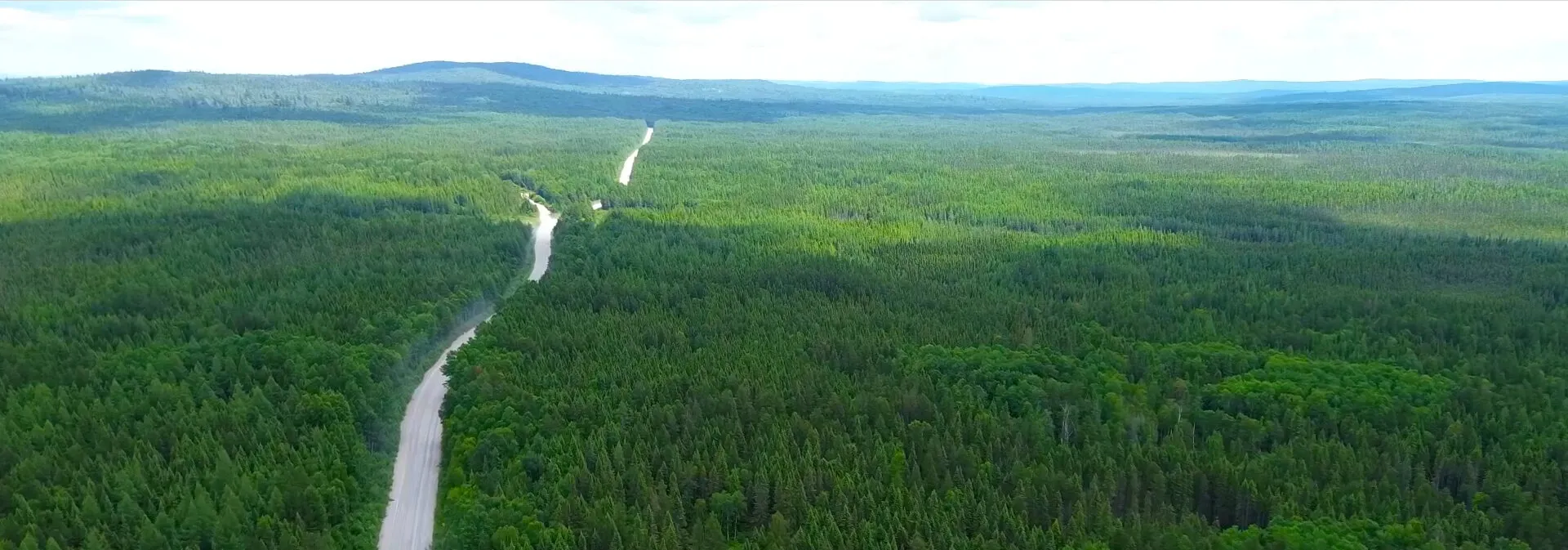
Gold Terra Resources, a junior exploration company focused on the historic Yellowknife mining district in Canada's Northwest Territories, is positioning itself to capitalise on what CEO Gerald Panneton describes as "tremendous time for gold" with prices exceeding $4,400 per ounce. The company controls 70 kilometers of the Campbell Shear, a prolific gold system that produced 14 million ounces between 14-22 grams per tonne before shutting down in 2003 when gold traded at $340 per ounce.
Chairman and CEO Gerald Panneton, who brings extensive experience including his role in developing the Detour Lake mine, outlined the company's evolution from deep exploration to a more focused near-surface strategy.
"With the gold price going above $4,000, we can focus on building a mill based on 1 million ounces between surface and 1,000 meters, which we know is there from the 500,000 ounces that we outlined."
This strategic recalibration represents a fundamental shift in how Gold Terra approaches development in an environment where high gold prices have transformed previously sub-economic resources into viable targets.
Strategic Evolution: From Deep Exploration to Near-Surface Focus
Gold Terra's original agreement with Newmont, signed four years ago when gold traded at $1,700 per ounce, contemplated a resource base of 1.5 million ounces to justify building new infrastructure. The company's initial strategy focused on proving deep extensions of the Campbell Shear, which it successfully accomplished in 2025 by demonstrating continuity to 700 meters below the historic mine workings.
However, the dramatic rise in gold prices prompted a strategic reassessment. Panneton noted that drilling deep targets from the surface is "very expensive," but with gold above $3,000 per ounce, the company can now justify development based on a smaller, more accessible resource. "I needed to go deep underground to add ounces. I know they're there, but to drill them is very expensive from the surface," he stated, explaining the rationale for refocusing efforts.
The revised strategy targets known mineralisation that was previously considered sub-economic. By adjusting the cutoff grade from 3.5 g/t to 2.5 g/t - still economically robust at current gold prices - Gold Terra expanded its resource estimates without drilling.
"Change the cutoff grade to 2.5. I'm getting 700,000 ounces at 5 to 6 grams. That growth in resources without spending a dollar. It's right on the table."
The Con Mine Opportunity: Cornerstone Asset with Infrastructure Advantages
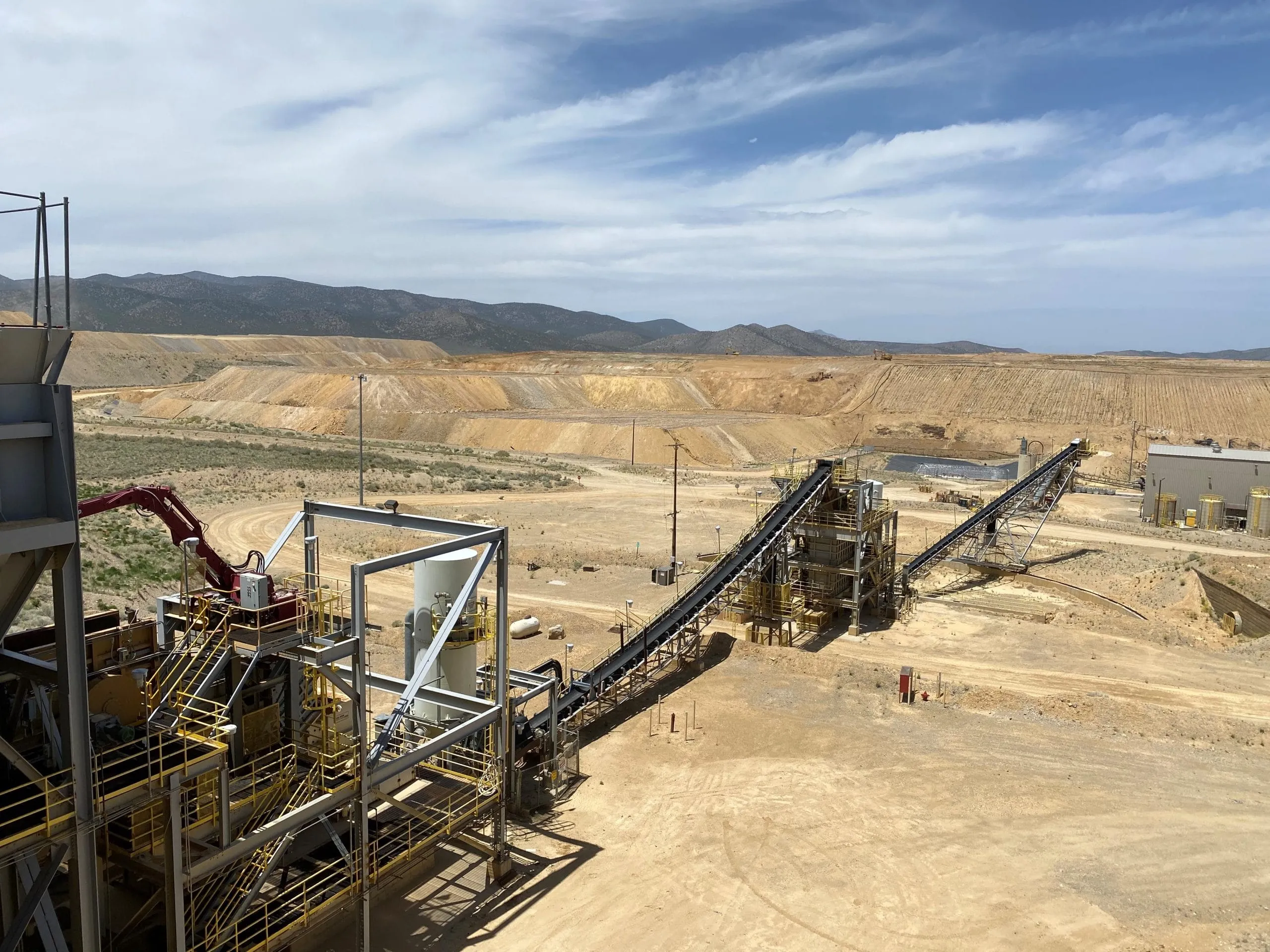
The Con Mine represents the centerpiece of Gold Terra's development strategy, offering critical advantages including an existing mining lease and surface rights. The property already hosts an estimated 2 million ounces, with the company focusing on delineating a minimum of 1 million ounces in accessible zones to justify building a 2,000 tonne-per-day mill.
Key target areas include the Yellorex zone, which hosts approximately 500,000-700,000 ounces at 5-6 g/t between surface and shallow depths, and Zone 103, the northern extension of the Campbell Shear that was partially developed in the 1990s but never mined due to low gold prices.
"Zone 103 was never developed. But it's a huge area that probably has a potential for more than half a million ounces."
The historical context provides important perspective. When the Con Mine shut down in 2003, operators used a cutoff grade of 10 g/t and mined material averaging 14 g/t. "The mine shut down when gold was 340 and the cutoff grade was 10 grams," Panneton explained. This left substantial mineralisation in the ground that becomes economic at today's prices, including an estimated 650,000 ounces excluded from final mining.
2026 Execution Plan: De-risking Through Drilling and Studies
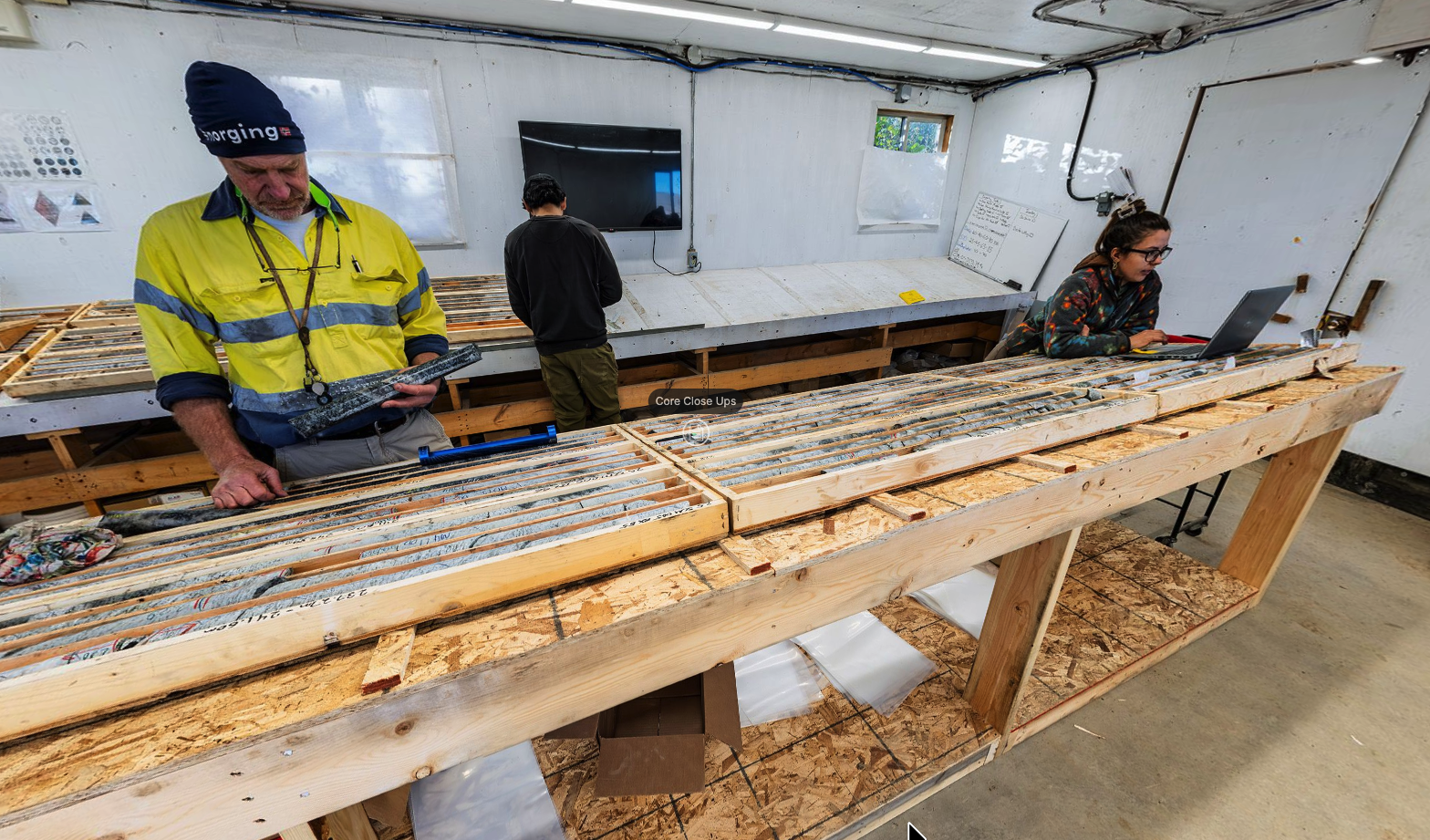
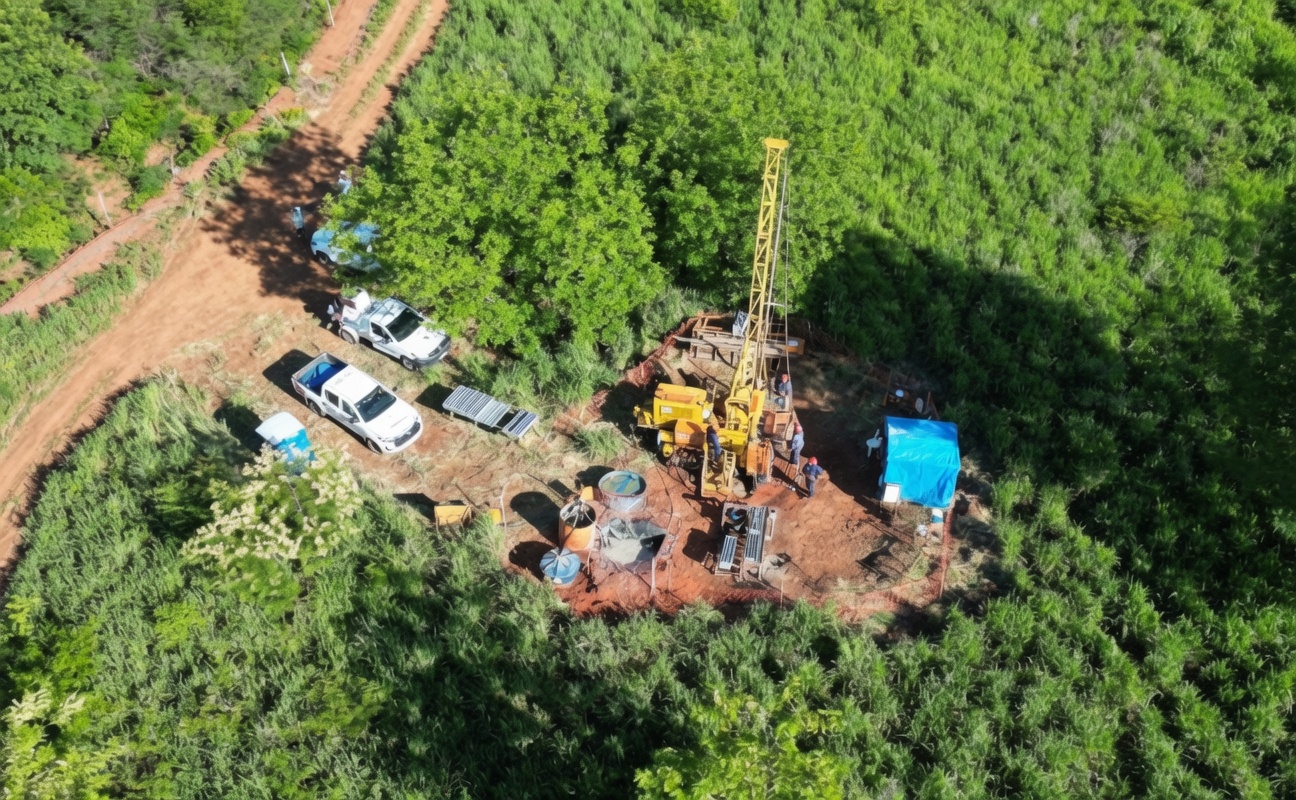
Gold Terra has outlined an ambitious program for 2026 centered on de-risking the project through systematic technical work. The company plans to drill approximately 15,000 meters, focusing on resource conversion and expansion across multiple zones.
"We're going to be drilling 15,000 meters in the winter," Panneton confirmed, describing a program that combines infill drilling to convert inferred resources to indicated category with step-out drilling to expand known zones. The Yellorex zone, which hasn't been drilled since 2022, currently contains about 300,000 ounces with one-third in the indicated category and two-thirds inferred. Infill drilling on 25-meter spacing is designed to convert the majority to indicated status.
Importantly, Gold Terra will not be redrilling historic underground drilling at Zone 103, which was completed on 25-meter spacing three decades ago. "It would be stupid to spend $10 million on redrilling a project," Panneton stated bluntly. Instead, the company will conduct targeted confirmation drilling designed to support resource estimation using modern standards.
The timeline calls for an updated mineral resource estimate in September 2026, followed by a preliminary economic assessment by year-end. "Drill MRE in September, PEA by the end of the year," Panneton summarised.
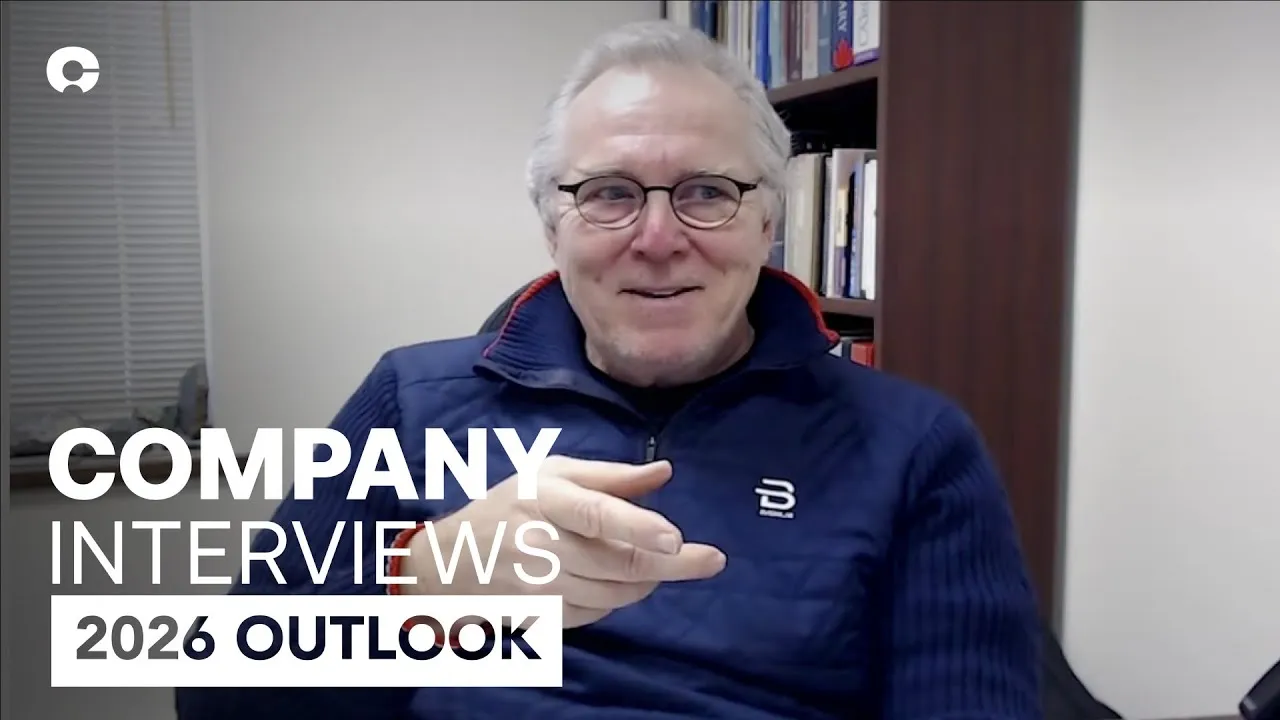
Interview with Gerald Panneton, CEO of Gold Terra Resource
Technical Approach: Leveraging Geology & Mining Method Selection
Gold Terra's technical strategy reflects deep understanding of the Campbell Shear geology and appropriate mining methods. The system is characterised by high-grade gold in quartz veining within a well-defined structural corridor that trends 70-90 degrees vertical - ideal geometry for selective underground mining.
Panneton emphasised the importance of mining method selection in controlling dilution and maintaining grade.
"Dilution is about understanding a zone that is minimum, say 3 meters and if the zone is like this you're going to have problems. If the zone is vertical you can drill it and do long hole very well."
The company's approach prioritises grade preservation over maximising tonnage, targeting material in the 5-7 g/t range rather than expanding resources with lower cutoff grades that could compromise economics.
The initial development plan envisions accessing mineralisation through a ramp rather than dewatering the existing shaft infrastructure. "For the first five years I don't even need to dewater the mine. I'm going to do it from a ramp because it's 2 kilometers out of the mine," Panneton noted. This approach reduces initial capital requirements while providing flexibility to expand into deeper zones as the operation matures.
Beyond the Con Mine, Gold Terra controls satellite deposits including Crystal Lake, located 20 kilometers north of Yellowknife, which hosts approximately 300,000 ounces at 6 g/t on 25-meter drill spacing. "Once you have a mill of 2,000 ton per day, your satellite deposits that are north of town becomes a lot more valuable," Panneton observed.
Institutional Validation
Gold Terra's recent $7 million financing represents significant validation of the company's strategy, with 95% participation from existing shareholders. The shareholder base includes prominent mining investors Eric Sprott, David Harquail, and Mackenzie Funds - names that carry considerable weight in the junior mining sector.
"The smart people believed in the project and that's the proof of the people that are behind me," Panneton stated. He acknowledged the company survived difficult market conditions through multiple private placements at 5 cents per share, with patient capital providers maintaining conviction through the downturn.
The financing provides runway through fall 2026, covering the planned drilling program and initial PEA work. Panneton noted that drilling costs in Yellowknife are relatively favorable at $250-300 per meter all-in, allowing the 15,000-meter program to be completed within budget. The company has already invested approximately $20 million in drilling 30,000 meters at the Con Mine, establishing a substantial database that reduces requirements for the feasibility stage.
Economic Framework: Path to Production
While detailed economics will be released with the PEA, Panneton outlined the basic parameters for evaluating the project. The target operation would process 2,000 tonnes per day, producing approximately 140,000 ounces annually, with breakeven costs estimated between $1,500-$2,000 per ounce all-in.
"If my breakeven is somewhere between 1,500-2,000 and the gold is 4,000, what's the margin?" Panneton asked rhetorically. At current gold prices above $4,000 per ounce, the implied margins would support rapid capital payback and substantial cash flow generation.
The development timeline targets production by 2029-2030, though Panneton suggested the schedule could be accelerated given the existing mining lease and surface rights at the Con Mine. "Because of the mining lease and surface rights of the Con mine, we could be in production before 2029, 2030," he noted.
Capital requirements for a 2,000 tpd operation were indicated at approximately $300 million USD, with Panneton drawing on his Barrick Gold experience developing projects at much lower gold prices. "We used to say we have to build a project for less than $100 an ounce," he explained, referring to capital intensity metrics. "So if my project cost 300 million US, how many ounces do I need to support that with that gold price?"
Valuation Perspective & Near-Term Catalysts
Gold Terra currently trades at approximately $30 USD per ounce of resources, which Panneton characterised as a significant discount to potential value. "We used to be $10 an ounce," he noted, suggesting the market has already begun recognising the project's merit but remains far from fully valuing the opportunity.
The CEO projected substantial rerating potential as the company delivers technical milestones through 2026.
"In 2026, investors should watch Gold Terra because our current valuation of $30 an ounce could easily be very different by the end of the year because the de-risking of the project which is a step-by-step function will be in a very different position by the end of the year."
Looking forward, Panneton articulated an aspirational target based on operating metrics. "If I have a million ounces and $1,000 an ounce, It'll be a billion dollar market cap three, four years from now," he projected, referring to the potential valuation as a cash-flowing producer with $1,000 per ounce margins.
Regional Context
The Yellowknife district has suffered from lack of exploration over the past 25 years, creating what Panneton views as exceptional discovery potential using modern techniques.
"Nobody has set a drill properly in this area for the last 25 years. This potential with modern technique, with the geophysics, with all the compilation done allows us to focus in the right place."
Panneton drew comparisons to other major Archean gold camps including Timmins, Red Lake, and Val-d'Or, suggesting Yellowknife could host similar multi-million ounce potential.
"How big is Timmins? How big is Red Lake? How big is Val-d'Or? How big could Yellowknife be?" he asked. The Campbell Shear alone represents 50-75 kilometers of prospective trend, with the Con Mine deposit remaining open at depth and along strike.
While immediate focus centers on proving the one million ounce base case for development, Panneton expressed confidence in much larger long-term potential. The Con Mine provides a brownfield development opportunity that can bring Gold Terra into production relatively quickly, establishing cash flow to fund broader exploration across the company's extensive land position.
TL;DR: Executive Summary
Gold Terra Resources is advancing the high-grade Con Mine in Yellowknife toward production, targeting 1M ounces at 5-7 g/t to support a 2,000 tpd operation producing 140,000 oz/year with $1,500-$2,000/oz breakeven costs - implying substantial margins at $4,000+ gold. The 2026 roadmap includes 15,000m drilling, updated resource estimate in September, and preliminary economic assessment by year-end, with blue-chip investors Sprott, Harquail, and Mackenzie providing validation through recent $7M financing. The company controls 70km of the Campbell Shear (14M oz historic production at 14-22 g/t) with existing mining lease and surface rights at Con Mine supporting aggressive 2029-2030 production timeline.
FAQs (AI Generated)
Rising gold prices above $4,000/oz made previously sub-economic near-surface resources viable, reducing the required resource base from 1.5M to 1M ounces while avoiding expensive deep drilling from surface.
The Con Mine has existing mining lease and surface rights, eliminating major permitting hurdles. This brownfield site allows faster development timelines compared to greenfield projects, supporting production by 2029-2030.
Gold Terra has completed 30,000 meters of drilling at Con Mine ($20M invested). The 2026 program includes 15,000 meters focusing on resource conversion and expansion at $250-300/meter.
Updated mineral resource estimate in September 2026, preliminary economic assessment by year-end 2026, pre-feasibility and feasibility studies in 2027, development in 2028, and production targeted for 2029-2030.
Gold Terra trades at ~$30 USD/oz of resources. Management projects potential $1B market cap as producer with 1M ounces generating $1,000/oz margins at current gold prices.
Analyst's Notes





Subscribe to Our Channel





Stay Informed






















