Verdera Energy Raises $20M to Develop High Quality New Mexico Uranium Portfolio


.webp)
Verdera Energy (TSXV:V) raised $20M to advance ISR uranium projects across 400 sq miles in New Mexico with 88M lbs resources and proprietary databases.
- Verdera Energy successfully completed its TSXV listing under the symbol 'V', raising $20 million to fund uranium development in New Mexico
- The company controls 400 square miles of patented private mineral rights hosting approximately 88 million pounds of known and historic uranium resources
- Verdera's proprietary database includes 120,000 drill hole logs from Kerr McGee and comprehensive URI data from enCore, representing millions of dollars in historical work across New Mexico
- Immediate development focus includes Phase 1 at Crownpoint, drill permitting at West Largo (16M lbs historic resources, highest grade ISR project), and baseline water sampling at Ambrosia Lake
- Management estimates a five-year timeline from current stage to production, with scoping work commencing on a central processing plant to support multiple projects in the portfolio
The Exchanges newest uranium company has shot out of the gate with a $20M raise at a pivotal moment for North American uranium development. With nuclear energy gaining recognition as essential to energy security and climate goals, New Mexico's historical position as the seventh largest uranium-producing district globally takes on renewed significance. CEO, Janet Lee Sheriff articulated the strategic importance:
"New Mexico is previously seventh largest producing district in the world. It's essential to US energy independence for nuclear because of its vast resources."
This context frames Verdera's positioning as more than a conventional mining development story. The company has assembled a portfolio of in-situ recovery (ISR) projects backed by substantial historical data and positioned in a jurisdiction with established uranium mining infrastructure and regulatory frameworks.
Successful Public Market Entry
Verdera Energy completed its public listing on the TSX Venture Exchange under the distinctive ticker symbol 'V', concurrent with a successful $20 million financing. This capital raise provides the foundation for the company's near-term development activities across its New Mexico project portfolio.
The company supplemented this public offering with additional private capital, extending its operational runway to approximately two years. This timeframe aligns with management's stated priorities: launching Phase 1 at Crownpoint, obtaining drill permits for West Largo, initiating baseline studies at Ambrosia Lake, and beginning scoping work on central processing infrastructure. The capital structure provides sufficient flexibility to advance multiple projects while maintaining financial discipline through the extended permitting and development timeline characteristic of U.S. uranium projects.
Asset Portfolio: 3 Primary Development Projects
Crownpoint Project represents Verdera's most advanced asset, with the company's 43-101 technical report completed and approved. Phase 1 development at Crownpoint in the Hosta Butte area will be the company's initial field program. This project benefits from existing technical work and de-risked geology, positioning it as the logical starting point for production pathway development.
West Largo Project contains approximately 16 million pounds of historic and attributable resources and is characterised by management as the highest-grade ISR project in the portfolio. Verdera plans to apply for drill permits at West Largo and prepare a modernised 43-101 technical report. The combination of grade and ISR amenability makes West Largo a potential flagship asset, though it currently resides earlier in the development pipeline than Crownpoint.
Ambrosia Lake Project rounds out the primary asset base. Development activities here will commence with baseline water sampling and progress toward a modernised technical report. While less immediately advanced than Crownpoint or West Largo, Ambrosia Lake adds depth to the project portfolio and benefits from the same comprehensive historical database that informs the company's other properties.
Proprietary Database: A Strategic Differentiator
Verdera's proprietary database represents a potentially significant competitive advantage and value driver beyond the mineral resources themselves. The company controls historical exploration and drilling data from two major sources: Kerr McGee and URI. The Kerr McGee database includes 120,000 drill hole logs from a company that operated multiple producing mines in New Mexico and conducted extensive drilling as an oil and gas operator, with many holes reaching 3,000 feet depth. The URI database came with the acquisition of assets from enCore, adding comprehensive data from another historically significant New Mexico uranium operator.
Will Sheriff, spouse of CEO Janet Lee Sheriff, compiled what is described as the largest privately held database for U.S. mineral data, which includes additional databases from Union Carbide, U.S. Steel, Ranchers Exploration, and Getty Oil. While these other databases are separate from Verdera, the Kerr McGee and URI data represent millions of dollars in historical work that would be prohibitively expensive to reproduce. Sheriff emphasised the practical value:
"The data saves us a significant amount of money as we modernise resources. We have millions of dollars of previous work that was done by significant companies."
This database serves multiple strategic purposes. First, it dramatically reduces the cost of modernising 43-101 technical reports for Verdera's projects by providing validated historical data. Second, it positions the company as a potential data provider to other uranium explorers and developers entering New Mexico, creating an additional revenue opportunity. Third, it informs project prioritisation and targeting decisions, potentially shortening the timeline from exploration to resource definition.
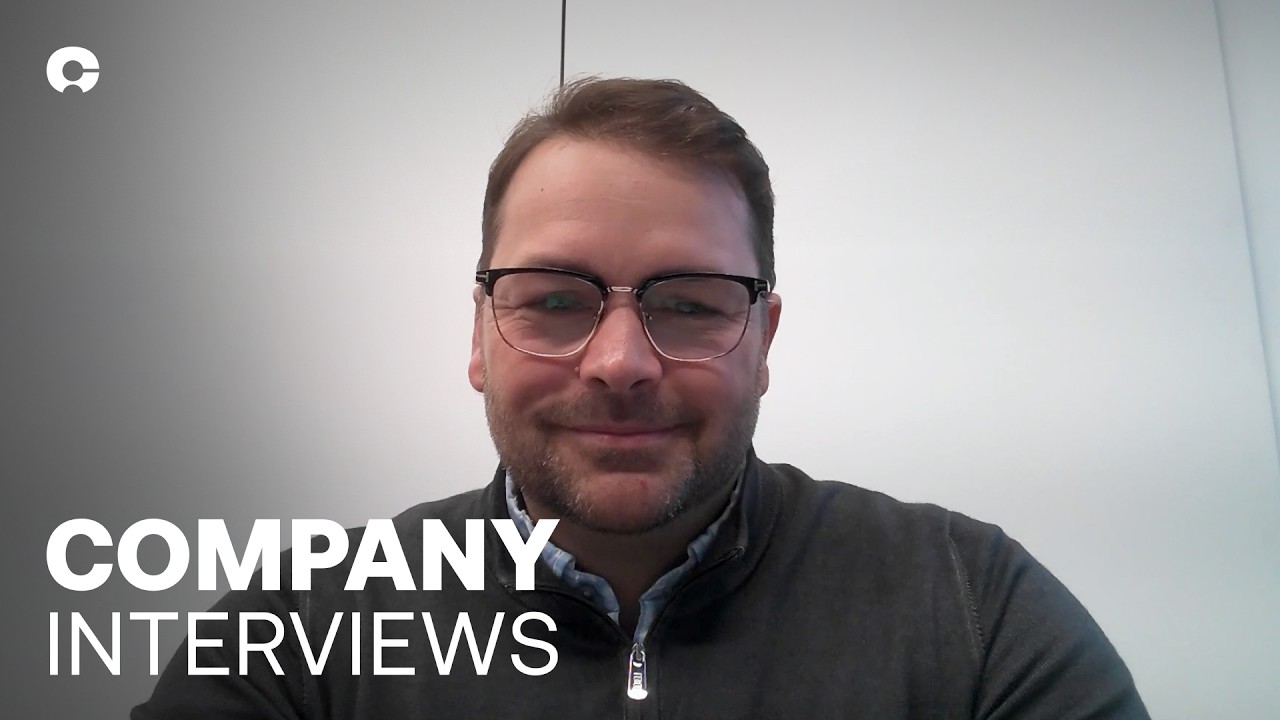
Interview with Janet Lee Sheriff, CEO of Verdera Energy
The 5-Year Path to Production
Verdera's management provides clear-eyed guidance on development timelines, with CEO Sheriff stating that the company estimates five years from the current stage to production. This timeline reflects the reality of permitting uranium projects in the United States, where regulatory review processes involve multiple federal and state agencies with comprehensive environmental review requirements. Individual permits, such as drilling permits, operate on shorter timelines, enabling the company to advance technical work and resource definition while longer-term production permits proceed through their review cycles.
The immediate work program includes applying for a drill permit at West Largo, initiating baseline water sampling at Ambrosia Lake, and beginning scoping work on a central processing plant. The central processing plant represents strategic thinking about portfolio-level infrastructure that could serve multiple projects, generating operational efficiencies and capital savings compared to project-by-project development. While the permitting process for such a facility extends over multiple years, early initiation of engineering and environmental baseline work prevents this infrastructure from becoming a bottleneck once individual projects reach development readiness.
Strategic Positioning in the Uranium Sector
Verdera enters the public markets during a period of renewed interest in uranium, driven by recognition of nuclear energy's role in achieving emissions reduction targets while maintaining grid reliability. New Mexico's historical production, established regulatory framework, and existing infrastructure provide a favorable development environment compared to greenfield jurisdictions. The company's land position of 400 square miles of patented private mineral rights eliminates certain surface access complexities that complicate other uranium projects.
The in-situ recovery mining method planned for Verdera's projects offers advantages over conventional mining in terms of environmental footprint, capital requirements, and operating costs. ISR also typically moves through permitting processes more efficiently than conventional mines, though the five-year timeline to production indicates management is taking a realistic rather than promotional approach to development expectations.
Management's stated strategy involves advancing its primary projects while potentially partnering with established producers like enCore Energy to accelerate the path to production. This approach acknowledges that uranium development requires significant capital and technical expertise beyond the capabilities of a newly public junior company, while positioning Verdera's projects as attractive partnership opportunities given their advanced stage and data backing.
Building Stakeholder Relationships
CEO Janet Lee Sheriff brings capital markets experience to Verdera's leadership, complementing the technical expertise represented by the company's database and project assets. The company launched an immediate market engagement program following its listing, including participation at the PDAC conference with a booth, one-on-one investor presentations, and a closing bell ceremony. This proactive approach to investor relations reflects management's understanding that uranium development companies must maintain consistent communication with the investment community throughout long development timelines.
Verdera is also engaging at the community level in New Mexico, sponsoring and organising a nuclear energy conference in the state. This community outreach serves multiple purposes: building relationships with local stakeholders, establishing the company as a participant in New Mexico's uranium sector renaissance, and potentially facilitating smoother permitting processes through demonstrated commitment to transparent community engagement.
Resource Base & Geological Potential
Verdera's 88 million pounds of known and historic resources across 400 square miles of mineral rights represents substantial geological potential. The company's database extends beyond its owned projects to cover properties across New Mexico, creating optionality for future acquisitions or partnerships as the uranium sector develops. The West Largo project's characterisation as the highest-grade ISR project suggests potential for strong project economics once technical reports are modernised and permitting progresses.
Historical uranium production from New Mexico demonstrates the district-scale nature of mineralisation in the state. Verdera's combination of multiple projects at different development stages provides portfolio diversification while allowing the company to optimise capital allocation based on permitting progress and market conditions. The technical reports in progress for West Largo and Ambrosia Lake will provide updated resource estimates using modern standards, potentially identifying additional mineralisation beyond historical resource estimates.
The Investment Thesis for Verdera Energy
- Strategic Asset Base: Control of 400 square miles of patented private mineral rights in New Mexico's historically seventh-largest uranium district with 88 million pounds of known resources across three primary projects at varying development stages
- Proprietary Data Advantage: Ownership of comprehensive historical databases from Kerr McGee (120,000 drill holes) and URI representing millions of dollars in previous work, reducing costs of resource modernisation and creating potential data licensing revenue opportunities
- ISR Mining Method: Projects amenable to in-situ recovery extraction, offering lower capital intensity, reduced environmental footprint, and more efficient permitting compared to conventional mining, with West Largo characterised as the highest-grade ISR project in the portfolio
- Portfolio Approach with Immediate Catalysts: Multiple near-term development milestones including Phase 1 launch at Crownpoint (43-101 complete), drill permitting at West Largo, and baseline studies at Ambrosia Lake, providing regular newsflow and de-risking events
- Infrastructure Optionality: Early-stage scoping of central processing plant creates potential for portfolio-level operational synergies and capital efficiency, differentiating Verdera from single-project developers
- Jurisdictional Advantages: New Mexico offers established uranium mining regulatory framework, historical production infrastructure, and recognised importance to U.S. energy security, reducing certain development risks compared to jurisdictions without uranium mining history
- Adequate Funding Runway: $20 million capital raise plus additional private funding provides approximately two years of runway, aligned with near-term development objectives and sufficient to reach value-inflection milestones before additional capital requirements
- Realistic Development Timeline: Management's transparent five-year estimate to production demonstrates disciplined expectations rather than promotional timelines, reducing risk of investor disappointment from unrealistic promises
Verdera Energy's development timeline intersects with global nuclear energy expansion driven by climate policy and energy security imperatives. New Mexico's historical position as the seventh-largest uranium-producing district positions domestic supply chains as essential to U.S. energy independence, as management emphasised regarding the state's vast resources. The uranium sector faces a supply-demand imbalance as existing mines deplete while reactor demand grows through both baseload requirements and emerging small modular reactor deployment.
In-situ recovery projects in established jurisdictions offer the most realistic pathway to near-term supply additions, creating a favorable backdrop for developers like Verdera with advanced projects, comprehensive geological data, and patient capital backing. The five-year development timeline aligns with anticipated tightening in uranium markets as existing supply contracts expire and utilities seek secure, domestic sources. Verdera's portfolio approach and partnership strategy position the company to participate in this supply response while managing development risk through measured capital deployment.
TL;DR
Verdera Energy successfully raised $20 million to advance a portfolio of ISR uranium projects in New Mexico, controlling 400 square miles of mineral rights with 88 million pounds of resources and a proprietary database of 120,000 historical drill holes. The company provides investors with exposure to uranium development through three projects at varying stages, a unique data advantage that reduces modernisation costs, and a realistic five-year timeline to production. Management's strategy of advancing near-term catalysts while pursuing partnerships with established producers offers a balanced approach to uranium development risk.
FAQs (AI Generated)
The Kerr McGee and URI databases contain 120,000+ drill holes representing millions in historical work, significantly reducing costs of modernising 43-101 reports and enabling informed project prioritisation. It also creates potential data licensing revenue from other New Mexico uranium developers.
West Largo contains 16 million pounds of historic resources and is characterised as the highest-grade ISR project in Verdera's portfolio, positioning it as a potential flagship asset. The company plans to apply for drill permits and prepare a modernised technical report.
U.S. uranium projects undergo comprehensive environmental review involving multiple federal and state agencies. While individual permits like drilling permits proceed more quickly, production permits require extensive baseline studies, public comment periods, and regulatory coordination, creating the extended timeline management outlined.
A central processing facility serving multiple projects generates operational efficiencies and capital savings compared to project-by-project infrastructure development. Early scoping work prevents processing capacity from becoming a bottleneck once individual projects reach development readiness, enabling portfolio-level optimisation.
Funding priorities include launching Phase 1 at Crownpoint, obtaining drill permits for West Largo, baseline water sampling at Ambrosia Lake, scoping work on central processing infrastructure, and modernising technical reports. Combined with private capital, this provides approximately two years of operational runway.
Analyst's Notes





Subscribe to Our Channel





Stay Informed