




Grades Keep Climbing at Pitfield: Inside Empire Metals' Largest-Ever Drilling Campaign


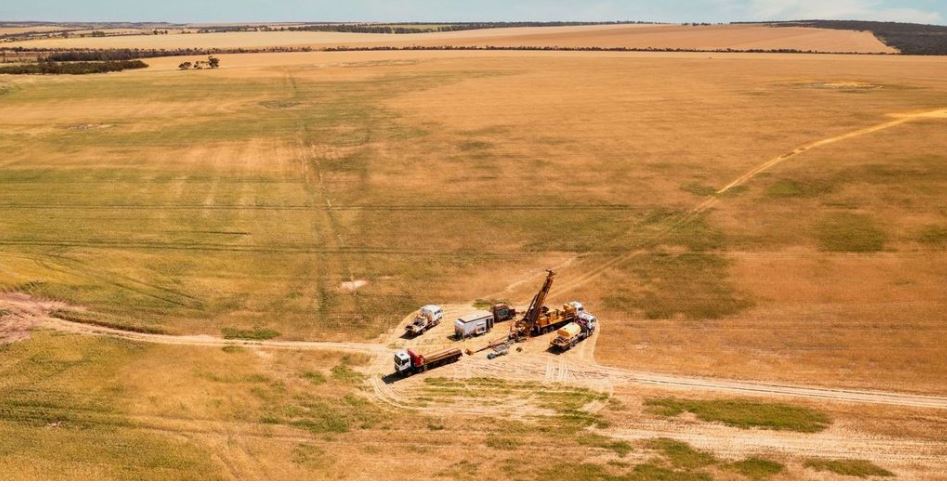
Empire Metals advances its WA titanium project Pitfield with a new integrated flow sheet, targeting premium pigment markets and 2027 cost guidance.
- Empire Metals holds 70% of the Pitfield titanium project in Western Australia, discovered roughly three years ago and now positioned as one of the largest titanium ore systems globally.
- In early June 2026, the company released an integrated process flow sheet describing how ore will be converted, on a single site, into a high-purity titanium dioxide pigment product.
- Engineering, capital and operating cost studies are underway over the next six months, with management targeting a clear cost guidance picture by early 2027.
- Marketing strategy is focused on premium pigment buyers in paint and coatings (rather than competing at the low-cost end of the Chinese-dominated market), while a longer-term pathway toward titanium metal feedstock supply remains under consideration.
- An updated Mineral Resource Estimate is due in the third quarter of 2026, following the company's largest-ever drilling programme, with average ore grades reported to have improved further.
Titanium dioxide (TiO2) pigment is a multi-billion-dollar industrial input used in paints, coatings, plastics and paper, with global demand estimated at 8 to 9 million tonnes per year. The supply chain is currently dominated by China, which accounts for roughly 60% of global output, much of it sold at relatively low prices. Western producers, by contrast, have faced rising costs, thinner margins and in some cases financial distress, with the European Union introducing anti-dumping measures in recent years to protect domestic producers from underpriced Chinese imports.
Against this backdrop, Empire Metals has emerged as a relatively new entrant with what it describes as a large, shallow, high-grade titanium ore body at its Pitfield project, located north of Perth in Western Australia. The company discovered the deposit approximately three years ago while exploring for copper, and has since consolidated its focus entirely on Pitfield, having divested its separate Eclipse project. Managing Director Shaun Bunn discussed the project's progress, including the recent release of an integrated process flow sheet, the cost and engineering work still required, and the company's approach to marketing and offtake discussions.
The Pitfield Resource: Scale, Grade and an Upcoming Upgrade
Pitfield is characterised by management as shallow, friable and free-digging, meaning the ore can be broken up with relatively low energy input compared to harder rock deposits. Bunn noted that average ore grades have continued to improve as drilling has progressed:
"We started off with... the average grade of the ore body was five times better than the average mineral sand. Now it's seven times."
This grade improvement is significant because it directly increases the amount of titanium-bearing material extracted per tonne mined, without a corresponding increase in mining cost.
The company recently completed its largest drilling programme to date, having doubled the amount of drilling into the resource. An updated Mineral Resource Estimate incorporating this work is expected in the third quarter of 2026, which management expects will materially increase the scale of the resource and reinforce Pitfield's position as the largest titanium resource globally by contained tonnage.
The Flow Sheet: An Integrated Path from Ore to Pigment
The centrepiece of recent newsflow is the process flow sheet released in early June 2026, the product of roughly twelve months of metallurgical and technical work. The flow sheet sets out, for the first time in an integrated form, how Empire Metals intends to take ore from the ground at Pitfield through to a finished pigment product at a single site. As Bunn explained, this was "the first opportunity to cement that all together in an integrated combination of these steps to get... from the ore in the ground at Pitfield into a pigment product all within one location, one site facility."
The process begins with scrubbing and screening of the friable ore, followed by froth flotation to concentrate the titanium minerals and reject approximately 90% of the gangue material before it reaches the leaching stage. Because this rejected material has not been chemically altered, it can reportedly be returned to the mine void over time, reducing the long-term environmental footprint of tailings storage. The remaining concentrate undergoes a sulfuric acid leach described as straightforward and low-temperature, without the high-pressure autoclave equipment associated with some other metallurgical processes such as nickel laterite leaching. Management states this stage achieves 98% recovery of titanium.
A secondary outcome of the flotation and leach circuit is the recovery of kaolin clay present in the weathered ore, from which alumina can be extracted as a co-product, with the associated acid recycled back into the front of the plant. Beyond the first three stages, which management describes as novel to the industry, the remaining processing steps follow conventional, well-understood titanium industry chemistry.
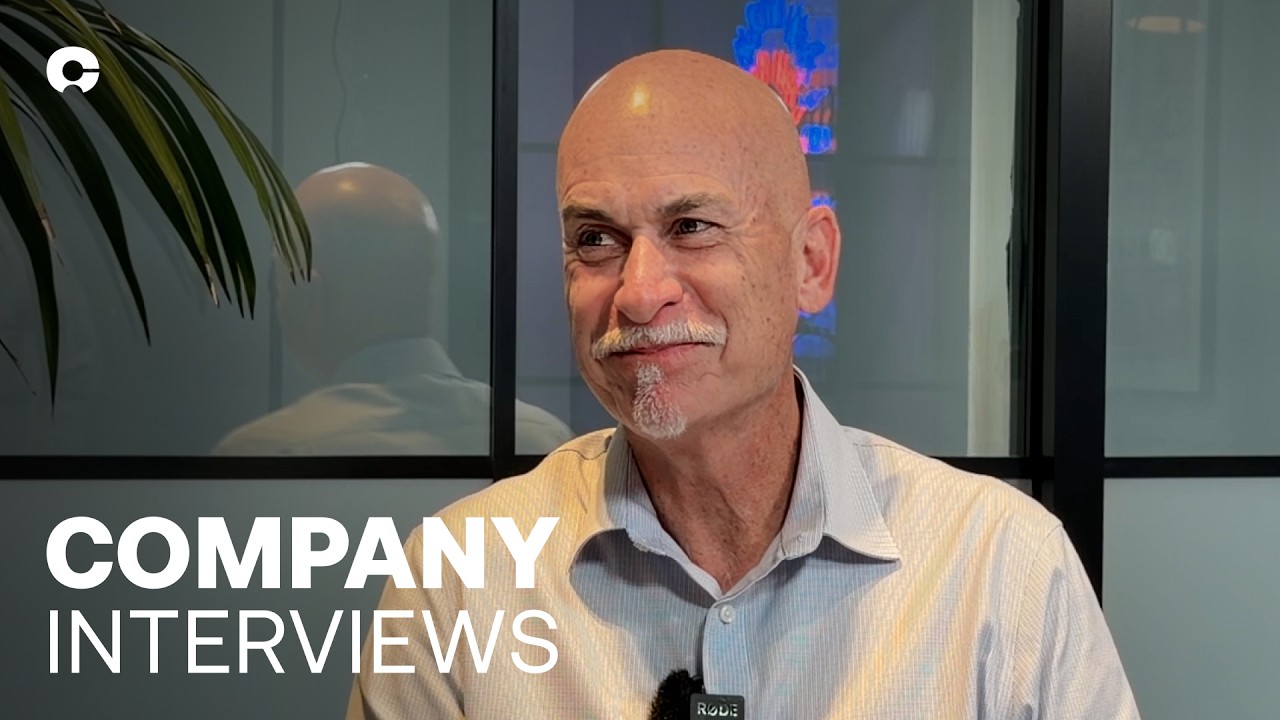
Interview with Shaun Bunn, MD of Empire Metals
Cost Structure & Engineering Decisions Ahead
While the flow sheet establishes the technical pathway, Empire Metals has not yet provided capital or operating cost guidance, and management was clear that this will take further time. Over the next six months or so, the company intends to progress engineering work to map out capital and operating cost structures, evaluate plant staging and capacity options, and resolve several infrastructure decisions. These include whether to draw power from an existing high-voltage grid line that runs through the tenement or build dedicated gas-fired generation using a nearby pipeline, and whether to import sulfuric acid or produce it on site from imported sulfur.
Bunn indicated that the company expects to enter 2027 "with a real clear plan and idea of the capital and operating costs and the trade-offs between the two," at which point it intends to communicate to the market where Pitfield sits on the industry cost curve.
Marketing Strategy & Target Customers
Empire Metals appointed a head of marketing, Michael Tamlin, in 2025, ahead of having produced any finished product, in order to begin identifying which end markets and customers would be best suited to a long-term offtake relationship with Pitfield. Rather than competing in the lower-value segment where Chinese supply is most price-competitive, Bunn's stated strategy is:
"I'm focusing very much on the high retail pigment users, the guys that buy it for paint and coatings, the DuPonts of the world. They pay a premium price. You can get up to three and a half, four thousand a ton into that market."
Separately, management indicated it sees a potential pathway toward titanium metal markets, not by becoming a metal producer itself, but by potentially partnering with or supplying a Western metal producer, which could in turn support critical mineral classification for Pitfield's output in jurisdictions such as the United States.
Piloting, Offtake Timing & Capital Discipline
Rather than constructing a dedicated pilot plant, Empire Metals plans to use existing third-party metallurgical laboratories in Perth, which already operate flotation and leaching pilot circuits, to test and refine the flow sheet later in 2026. This approach is intended to generate sufficient product volume to begin product-specification discussions with potential customers in paints, plastics and paper applications, without the lead time associated with building bespoke pilot infrastructure.
On the question of offtake agreements and capital raising, management was non-committal on specific timing, noting that discussions depend on counterparties as well as the company. Bunn noted that commodity trading houses have expressed interest in providing capital in exchange for trading rights, but that the company has so far preferred to retain flexibility:
"I don't want to lose any upside at the moment. I believe... keeping our cards close to our chest and just being patient is... the wisest way to go at the moment."
Management also referenced a Western Australian government-led critical minerals delegation to the United States in February 2026, and indicated further engagement with Japanese counterparties is planned later in the year.
The Investment Thesis for Empire Metals
- Resource scale and grade: Pitfield is positioned by management as one of the largest titanium ore systems globally, with reported average grades now around seven times the typical mineral sands deposit, and a resource upgrade expected in Q3 2026 following the company's largest drilling campaign to date.
- Low strip, low energy ore characteristics: The ore is shallow, friable and free-digging, which management says supports a lower energy and lower capital mining profile relative to conventional hard-rock or deep deposits.
- Integrated, single-site flow sheet: A newly released flow sheet outlines a path from ore to finished pigment at one location, with the first three processing steps described as differentiated from existing industry practice and the remaining steps based on conventional, proven technology.
- Infrastructure advantage: The project sits near an existing gas pipeline, high-voltage power grid and rail line to port, which management argues removes a major capital hurdle that has constrained other remote titanium projects, particularly in parts of Africa and Australia.
- Tailings and environmental approach: Roughly 90% of mined material can potentially be rejected prior to acid leaching and returned, chemically unaltered, to the mine void, which may reduce long-term tailings liabilities.
- Co-product optionality: Recovery of alumina from kaolin present in the ore is positioned as a low-cost co-product opportunity, with associated acid recycling benefits.
- Premium market positioning: Management's stated strategy targets high-value paint and coatings pigment customers rather than competing directly on price with lower-cost Chinese supply.
- Structural market backdrop: Several established Western titanium producers face cost pressure and high debt burdens, with management citing one recent example of a producer entering administration, which it frames as evidence of a window for a new, lower-cost entrant.
- Disciplined capital approach: Management states it is not seeking early-stage trading or prepayment arrangements that would constrain future offtake flexibility, preferring to negotiate from a position of patience rather than urgency.
- Pending catalysts: Investors should watch for the updated Mineral Resource Estimate (Q3 2026), ongoing piloting results, and capital/operating cost guidance targeted for early 2027.
The titanium pigment market sits within the broader critical minerals and Western supply chain diversification theme. China currently supplies around 60% of global TiO2 pigment, often at lower prices, while established Western producers contend with high costs, debt and, in some cases, financial distress. Demand continues to grow at roughly 3 to 3.5% annually, requiring an estimated 250,000 to 400,000 additional tonnes of new supply each year. This combination of structural Western supply pressure and steady underlying demand growth underpins the opportunity for new, lower-cost entrants. As Bunn put it:
"The market is going through a structural change... we are really in a prime position to come in and start advancing this low cost, high quality product."
TL;DR
Empire Metals' Pitfield project in Western Australia has progressed from discovery to an integrated process flow sheet within roughly three years, outlining a path from a shallow, high-grade titanium ore body to a premium pigment product at a single site. Management is now focused on engineering and cost studies, targeting capital and operating cost guidance by early 2027, alongside a Q3 2026 resource upgrade and ongoing offtake discussions with potential customers in paints, coatings and, longer term, titanium metal supply chains. The investment case rests on resource scale and grade, low-cost site infrastructure, and a stated strategy of targeting premium rather than commodity pigment markets, though detailed cost and offtake economics are not yet public.
FAQs (AI-Generated)
Analyst's Notes





Subscribe to Our Channel





Stay Informed


