How Do You Finance Uranium Exploration? | The Energy Show



Frostad: Sovereign funds "near zero," 80% of juniors problematic. Most can't answer basic questions on business models, funding. Bifurcation is accelerating rapidly.
- Private capital is essentially inaccessible for uranium explorers, with Frostad stating sovereign fund probability is "near zero" for exploration and family offices requiring oversight levels most management teams cannot accommodate
- Current financing mechanisms create value destruction, particularly convertible debt and warrant-heavy deals that predictably erode share prices over subsequent months
- Management quality separates survivors from casualties, as most companies cannot answer two critical questions about business models and multi-year funding plans
- Market bifurcation is accelerating, with well-positioned companies securing larger budgets and partnerships while struggling juniors face increasing desperation
Chris Frostad, CEO of Purepoint Uranium and sector veteran, offers investors an unvarnished assessment of financing realities facing exploration companies. Speaking from his experience managing joint ventures with Cameco, Orano, and IsoEnergy, Frostad systematically addresses why alternative capital sources offer limited help, identifies structural problems plaguing the sector, and highlights markers that distinguish sustainable businesses from those unlikely to survive the next three years.
The Private Capital Mirage
Frostad dismisses private capital as a realistic financing avenue for most uranium explorers. Despite uranium's elevation to strategic metal status across multiple jurisdictions, these funds operate with risk management frameworks incompatible with exploration timelines and uncertainty. Family offices represent slightly better prospects but demand board positions, operational oversight, and the ability to challenge management decisions. This level of scrutiny conflicts with how most exploration CEOs operate, having typically cherry-picked boards unlikely to provide serious challenge or accountability.
The fundamental problem is cultural. Management teams in the current public market environment lack experience with genuine accountability. Reporting to investors who have personally cut large checks and expect regular updates differs dramatically from the arm's-length relationship most junior CEOs maintain with dispersed retail shareholders. Private investors want visibility into daily operations, explanations of geological value creation, and the ability to question expenditure decisions.
Resource capital funds, utilities, and major mining companies offer similarly limited relief. These entities seek later-stage opportunities with visible production timelines. Most exploration companies remain too small and too early to attract their interest. Exchange-traded funds and commodity trusts face scale requirements that approximately 90% of TSX and TSXV-listed resource companies cannot meet.
Convertible Debt and Warrant Problems
When discussion turns to convertible debt, Frostad's characterization is unequivocal. He describes it as a death nail for exploration companies that should not carry debt without revenue sources. While desperate situations sometimes force companies into such arrangements, these structures typically include double-digit debt coupons, extensive downside protections, and liens that primarily benefit capital providers rather than the companies accepting them.
Warrant-heavy financings receive similar criticism, particularly when combined with Canada's life exemption allowing free-trading shares. Frostad recounts conversations with bankers pushing these structures because they make deals easier to sell, often with assurances that investors will not immediately dump shares while retaining warrants. However, every deal he has observed follows the same pattern: shares drift downward over subsequent months as investors exit positions while holding warrants as free options.
Structural Industry Challenges
The Canadian junior mining ecosystem extracts substantial fees through lawyers, accountants, auditors, and brokers. Companies face approximately $1 million annually just maintaining public listing status through regulatory compliance costs. This overhead represents capital not being deployed toward exploration activities, creating significant drag on value creation for small-cap entities.
Exchange rule modifications compound these issues. Historical requirements that shares could not issue below five cents were abandoned when two-thirds of venture companies traded at three cents. These accommodations enable poor practices rather than enforcing standards that might improve overall sector health.
Frostad acknowledges that many companies operate properly, spending capital wisely and hitting milestones. However, some juniors do engage in questionable practices. This dysfunction stems partly from lack of meaningful feedback mechanisms. Retail investors can only express dissatisfaction by selling shares rather than through direct engagement with management.
The Critical Questions
Frostad emphasises two fundamental questions investors should demand answers to:
"What is your business model? And how are you going to fund this thing for the next 2-4 years? And those are two questions that nine out of 10 companies don't have an answer for."
This inability to articulate basic strategic and financial planning reflects fundamental unseriousness about operating actual businesses versus maintaining vehicles for extracting salaries and fees. The valuation challenge for exploration companies stems partly from technical complexity that retail investors cannot reasonably overcome. Asking non-specialists to differentiate competing exploration theses based on geophysical data and structural interpretations represents unrealistic expectations.
However, business model clarity and funding runway visibility do not require geological expertise. These represent basic operational questions that any competent management team should address clearly. The widespread failure to do so provides immediate filtering criteria for investors assessing potential investments.
Lessons from Technology Venture Capital
Frostad's perspective is shaped by experience outside mining, particularly in technology venture capital. In those environments, companies could not access public markets as readily as resource companies can. This forced greater discipline.
"You had to go out and find people and convince them that you could make them money if they cut a check, then you had to report back to them on a regular basis and you were watched. You weren't allowed to continuously raise and spend money in a bad way. When it wasn't working the machine stopped and you got slapped for it and you went away."
The exploration sector's removal of these disciplinary mechanisms has created what Frostad describes as a machine that eats money and occasionally spits out a deposit of value. This contrast reveals what functional capital allocation looks like and why accountability matters.
Current Market Dynamics
Recent market activity shows a rally in October followed by drift through November without clear catalysts. Looking ahead, Frostad expects muted tax-loss selling since most investors hold unrealised gains after a generally positive year. However, his attendance at Saskatchewan Geological Open House revealed growing stress. There was considerable complaining among juniors hurting more than external observers might assume. Some recent transactions reflect desperation rather than strategic value creation.
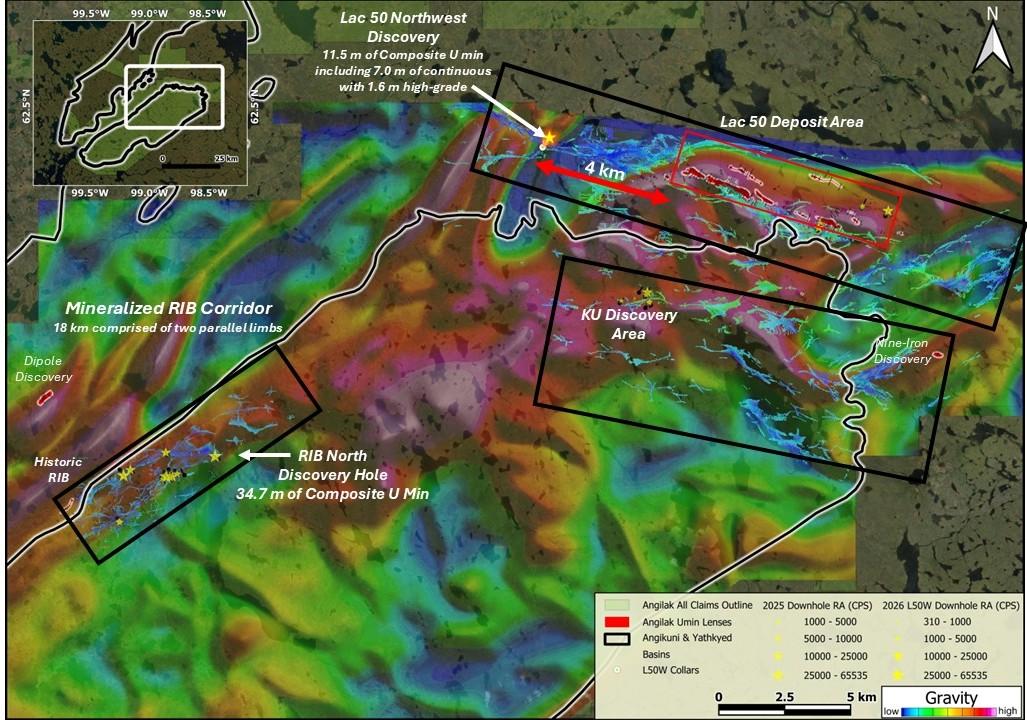
This distress occurs alongside continued progress by well-positioned companies. Frostad mentions his own company - Purepoint Uranium - securing a larger 2026 budget from IsoEnergy based on encouraging drill results requiring follow-up work.
Key Takeaways
Frostad's assessment provides investors a framework for navigating the uranium exploration sector that acknowledges fundamental dysfunction while identifying survival markers. Alternative capital sources from sovereign funds to utilities will not rescue the sector from structural problems. Instead, investors must focus on management quality markers: ability to articulate clear business models, demonstration of multi-year funding plans, track records of raising capital on reasonable terms, and relationships with credible advisors and strategic partners.
The sector faces accelerating bifurcation. Companies unable to meet these standards face increasing desperation while better-positioned entities secure partnerships and larger exploration budgets. For the approximately 20% of companies operating with proper discipline, the environment may improve as capital concentrates away from weaker competitors. Frostad's own experience securing larger 2026 budgets illustrates how quality companies with genuine partnerships can advance projects despite broader sector challenges.
TL;DR
Chris Frostad calls sovereign fund interest "near zero" and systematic dismisses alternative financing sources for uranium explorers. He identifies dysfunction with approximately 80% of juniors while structural costs drain capital. Most companies cannot answer two critical questions about business models and funding plans. Market bifurcation accelerates with quality companies securing partnerships while weaker players face consolidation. Focus on management demonstrating capital efficiency, strategic relationships, and clear operational planning.
FAQ's (AI Generated)
Frostad states probability is "near zero" because sovereigns invest differently regarding risk management and upside visibility, which exploration cannot provide despite uranium's strategic importance. Investment thesis misalignment with exploration uncertainty makes this avenue unrealistic.
Frostad characterizes it as a "death nail" because explorers shouldn't carry debt without revenue. These structures include double-digit coupons and extensive protections that primarily benefit capital providers, typically signaling company weakness and desperation rather than strength.
"What is your business model?" and "How are you going to fund this thing for the next two, three, four years?" Frostad states nine out of 10 companies cannot answer these fundamental questions about strategy and financial planning.
Despite banker assurances otherwise, every deal Frostad observes follows the same pattern: investors immediately sell shares while retaining warrants as free options, causing predictable downward price drift over subsequent months unrelated to exploration results.
Consistent capital raising without excessive warrants, relationships with investors believing in their approach, credible advisors who've personally invested, and strategic partnerships with majors. These demonstrate competence and provide external validation through rigorous due diligence.
Analyst's Notes





Subscribe to Our Channel











Stay Informed