




Hycroft Mining Technical Report: 8 Things You Need to Know


"Hycroft's new technical report shows a $4.3 billion value at base prices, rising to $10.0 billion at spot, with $2.4 billion in funding still needed.
Project Overview
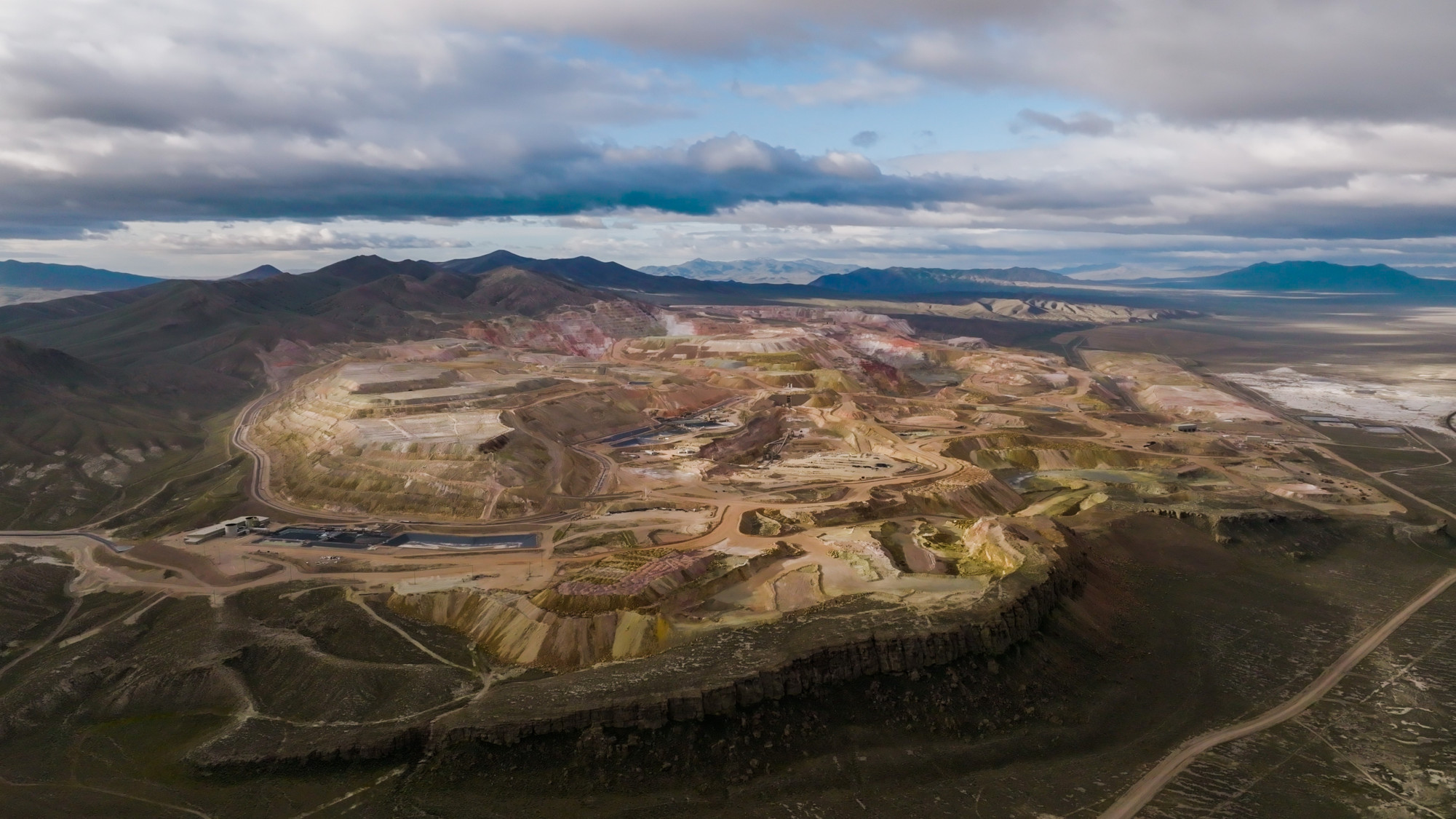
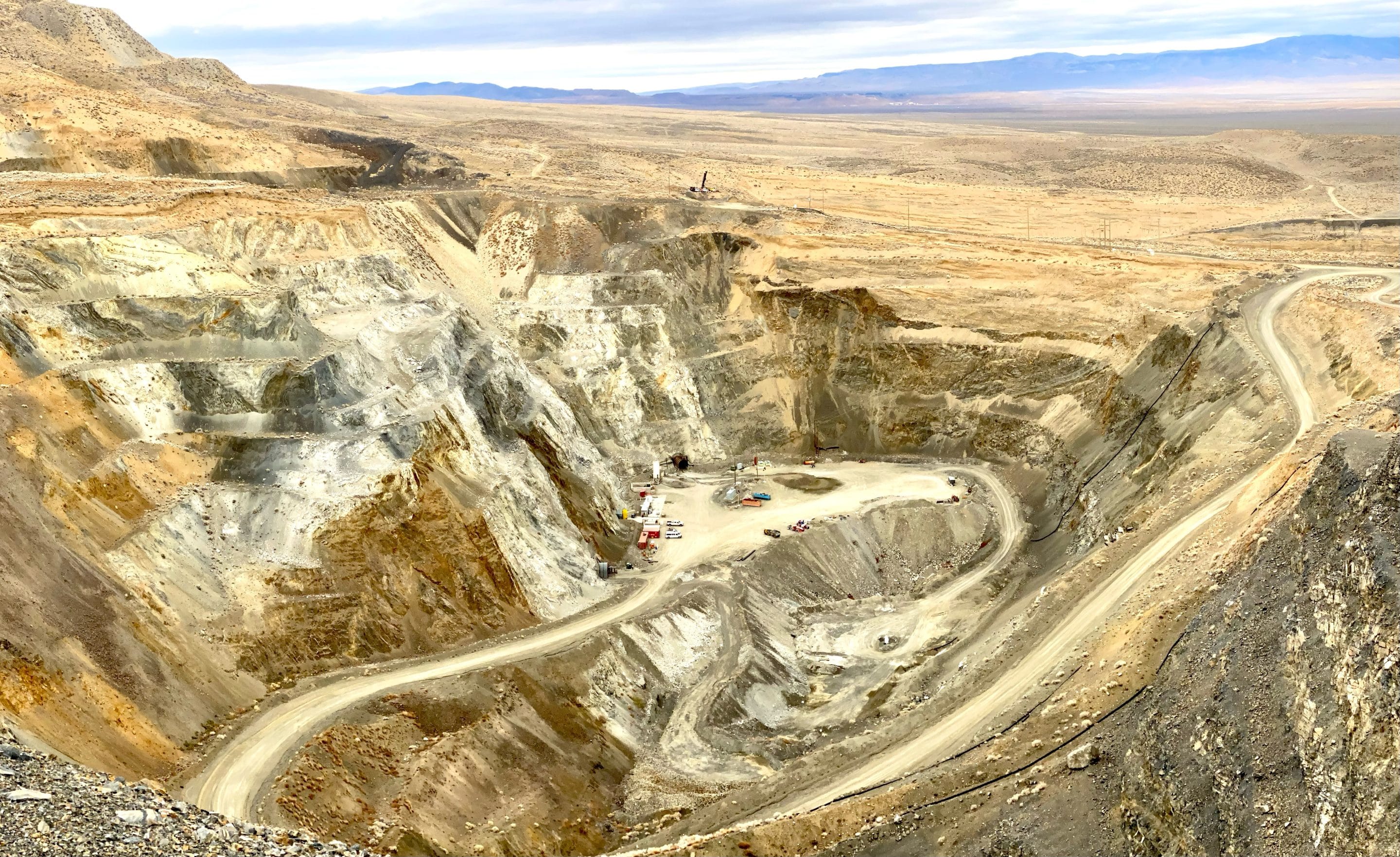
Hycroft Mining Holding Corporation (NASDAQ: HYMC) released a new independent economic study for its Hycroft Mine in Winnemucca, Nevada, dated June 2, 2026. The Hycroft Mine is an open-pit gold and silver project that has operated on and off for decades and already has significant infrastructure in place. The new study lays out how much gold and silver the project could produce, how much it would cost to build and run, and what the project could be worth under different gold and silver price scenarios. This is an early-stage study, not a finished feasibility study, and it does not confirm the mine will be built.
1. This Study Creates a Baseline for Measuring Future News
The company states directly that this early-stage study does not prove the project is economically viable or ready for a construction decision. Investors should treat the $4.3 billion after-tax net present value at a 5% discount rate (NPV5%) estimate as a starting point, not a final number. Every future drill result, cost update, or design change can now be measured against this figure instead of judged on sentiment alone.
2. Higher Gold & Silver Prices Would Sharply Increase the Project's Estimated Value
The project's estimated value moves directly with gold and silver prices. That leverage is already visible in the study itself: at today's spot prices, the estimated value nearly doubles from $4.3 billion to $10.0 billion after-tax NPV5% . Because current prices already sit well above the study's base case assumptions, this price sensitivity is a central part of the investment story.
3. The Mine Would Run for Over 50 Years at Large Scale
The study outlines a 51-year mine life, with average annual production estimated at roughly 200,000 ounces of gold and close to 7 million ounces of silver, combining to just under 300,000 ounces of gold equivalent per year. Production is expected to be strongest in the earlier years of the mine's life, which supports faster repayment of construction costs.
4. Producing Each Ounce Would Cost More Than at Many Other Mines
Total estimated costs, including ongoing investment, run just over $2,100 per ounce of gold equivalent. This cost level means the project's profitability is more sensitive to gold and silver prices than lower-cost mines, consistent with the price sensitivity described above.
5. Building the Mine Requires $2.4 Billion That Still Needs to Be Raised
Initial construction costs are estimated at $2.4 billion, with the single largest share going to the processing plant. This funding has not yet been secured, so how Hycroft plans to raise it, through new shares, debt, or a partner, is one of the most important things for investors to watch.
6. New Drilling at Two Discovery Areas Could Add Further Value
The study's numbers do not include several million ounces of gold and silver classified as less certain, or results from ongoing drilling at the Brimstone and Vortex discovery areas. The company currently has two drill rigs working at these areas, increasing to four rigs next quarter. Executive Chairman and Chief Executive Officer Diane R. Garrett said the company believes:
"Importantly, we believe the most meaningful value creation opportunity remains ahead of us. By advancing the high-grade Brimstone and Vortex silver systems, we see a clear path to further improving project economics and unlocking additional value."
7. Existing Buildings Help Reduce Costs, But New Permits Are Still Needed
The Hycroft site already has crushing equipment, leach pads, a processing facility, offices, and power access in place, which the company says lowers construction costs compared to starting from scratch. New buildings, including a tailings storage facility, a waste storage facility, a new processing plant, and a rail extension, still require government review, which will include either an environmental assessment or a more detailed environmental impact review. Investors should track this approval process separately from the funding question above.
8. Several Other Opportunities Could Further Improve the Numbers
Beyond new drilling, the company has identified other ways the project could improve, including bringing more resources into the mine plan, adding underground mining alongside the open pit, developing new near-surface gold areas, and processing lower-grade stockpiled material, none of which are included in the current study. The company is also testing an alternative processing method that could create a third source of revenue by producing and selling sulfuric acid as a by-product.
Key Takeaways for Investors
- This study sets a new baseline for the project: an estimated after-taxnet present value at a 5% discount rate (NPV5%) value of $4.3 billion using base case gold and silver prices, rising to $10.0 billion at today's much higher spot prices, against which every future update can now be measured.
- The mine is designed to run for 51 years, producing an average of roughly 200,000 ounces of gold and close to 7 million ounces of silver per year.
- Estimated production costs are higher than at many peer mines, at just over $2,100 per ounce, making the project's returns more sensitive to gold and silver prices.
- Building the mine is estimated to require $2.4 billion in construction funding that has not yet been raised, and new site infrastructure still needs government permitting approval.
- Several million ounces of gold and silver in less-certain resources, ongoing drilling at two high-grade discovery areas, and other mine plan improvements are not yet reflected in these numbers.
Bottom Line
This study gives investors a clear, documented starting point for the Hycroft project: an estimated after-tax NPV5% of $4.3 billion at conservative prices, rising to $10.0 billion at today's prices, based on a mine that would run for more than 50 years. It also confirms two real challenges: production costs that are higher than many peer projects, and a $2.4 billion funding requirement that is not yet resolved. Because this is an early-stage study rather than a full feasibility study, it does not guarantee the mine will be built as described, and the company has not yet stated exactly how or when it plans to close the funding gap.
Going forward, investors should watch four things closely: new drill results from the Brimstone and Vortex areas as the number of active rigs increases to four, any announcement about how the company plans to raise its construction funding, progress on the government's review of new mine infrastructure, and results from testing on the alternative processing method that could add a new source of revenue. Each of these can now be measured against the numbers in this study, giving investors a clearer way to judge whether the news that follows makes the project more or less attractive.
Analyst's Notes





Subscribe to Our Channel




Stay Informed






















