IsoEnergy: The Uranium Company Built for the Supply Gap


IsoEnergy holds the world's highest-grade uranium deposit in Canada, a near-production US mine, and an Australian project amid a widening global supply shortfall.
- IsoEnergy owns the Hurricane deposit in Saskatchewan, Canada, the highest-grade published indicated uranium resource in the Athabasca Basin at 34.5% uranium oxide, supported by a peer comparison showing the next-closest deposit within 50 kilometres grades at 4.42%.
- The World Nuclear Association's 2025 Nuclear Fuel Report projects that identified uranium supply covers only 46% of projected 2040 demand under the reference scenario, leaving a gap of 212 million pounds with no identified source.
- The Tony M Mine in Utah holds its state and federal operating permits, has completed a roughly 2,100-ton bulk sampling program confirming greater than 90% uranium recovery, and is targeting a preliminary economic study in 2026.
- A pending acquisition of Toro Energy Limited would add the Wiluna Uranium Project in Western Australia, where Japanese companies Japan Australia Uranium Pty and Itochu hold the right to acquire a 35% interest in the Lake Maitland deposit for US$39.6 million.
- IsoEnergy holds standalone cash of approximately C$130.5 million and an equity portfolio valued at approximately C$48.4 million as of May 25, 2026, providing the financial capacity to run concurrent work programs across the portfolio.
Why Uranium & Why Now
Uranium is the fuel that powers nuclear reactors, which generate electricity without burning fossil fuels. As governments around the world look for reliable, low-carbon energy sources, interest in nuclear power is growing, and that growth requires more uranium. The challenge is that the supply of uranium has not kept pace with that demand.
The World Nuclear Association, which tracks global nuclear fuel markets, published its 2025 Nuclear Fuel Report projecting global uranium demand at 391 million pounds of uranium oxide by 2040 under its reference scenario. Against that figure, all identified sources of uranium supply, from operating mines to projects under development to secondary sources, add up to only 179 million pounds. That is 46% of projected demand, leaving a gap of 212 million pounds with no identified source to fill it. For companies with real uranium assets in stable, politically reliable countries, that gap is the central investment argument.
IsoEnergy (TSX: ISO | OTCQX:ISENF) is one of those companies. It holds uranium assets across Canada, the United States, and Australia, at different stages of development, giving investors exposure to uranium prices across multiple time horizons. NexGen Energy, one of the most respected names in uranium development, holds approximately 29.9% of the company, and IsoEnergy's management team includes co-founders of NexGen and former executives from Cameco and Uranium One.
The Hurricane Deposit: Grade That Sets It Apart
The centrepiece of IsoEnergy's portfolio is the Hurricane deposit at the Larocque East property in Saskatchewan's Athabasca Basin, the most productive uranium address in the world. To understand why grade matters, consider the basics: the higher the concentration of uranium in the rock, the less rock needs to be moved to produce the same amount of uranium, which reduces costs and improves project economics.
Hurricane's total indicated resource grades 34.5% uranium oxide, making it the highest-grade published indicated uranium resource in the Athabasca Basin. A peer comparison of undeveloped deposits within 50 kilometres of the McClean Lake Mill, the processing facility nearest to Hurricane, shows the next-closest deposit by grade at 4.42% uranium oxide. Hurricane grades nearly 8 times higher. The deposit sits at a shallow depth of 325 metres with no water cover at surface, which simplifies the engineering of any future mine, and lies approximately 40 kilometres from the McClean Lake Mill, where existing road and power infrastructure is already in place.
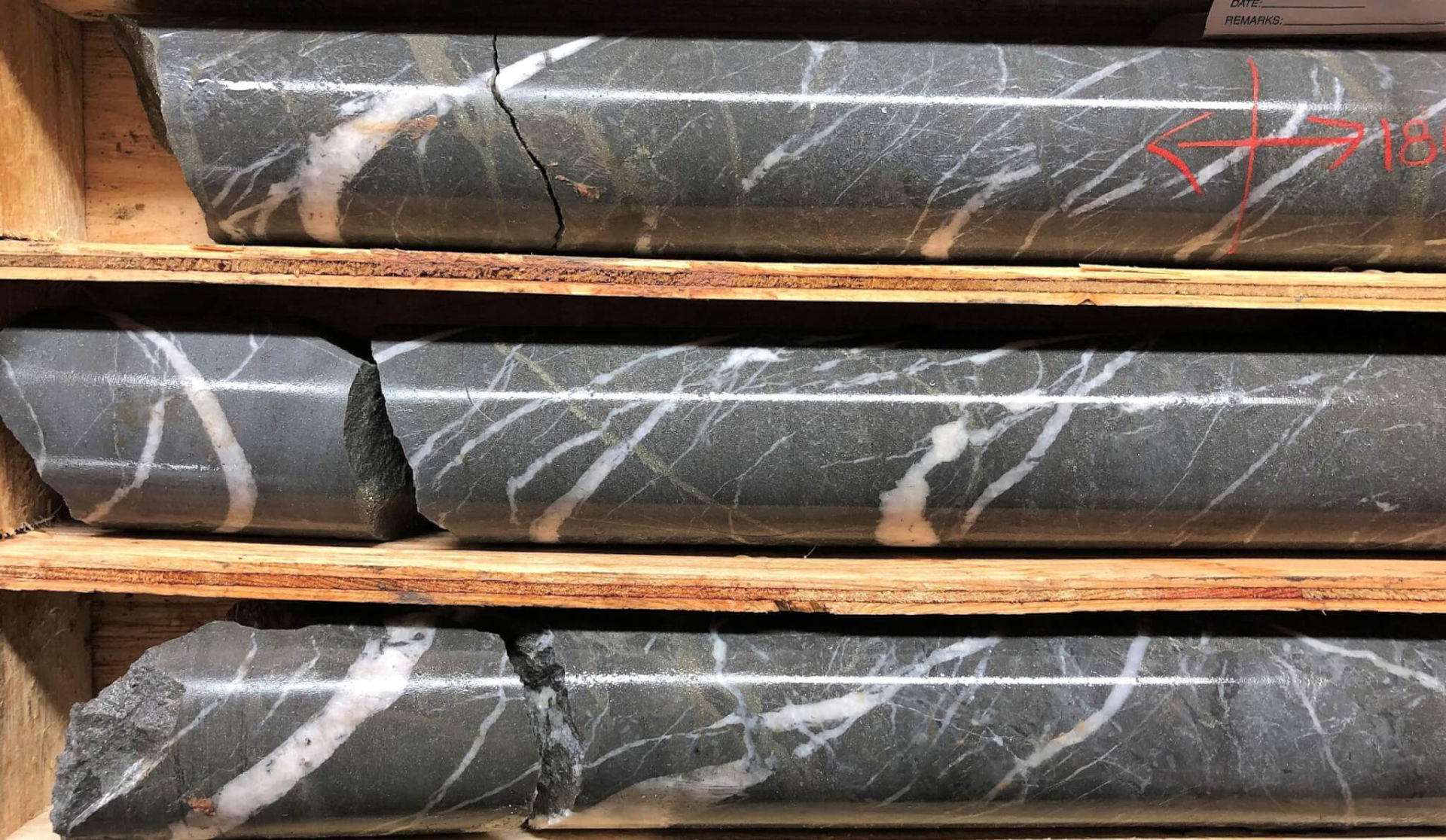
Drilling at Hurricane continues to expand the known footprint. A 2026 winter program completed approximately 6,800 metres across 17 holes, identifying a new structural zone of mineralization and extending the South Trend to approximately 540 metres along strike. A follow-up summer program targeting approximately 8,000 metres across 20 holes is planned. Each new result adds to the case that Hurricane's resource, already exceptional on grade, has room to grow in scale as well.
Tony M: Permitted & Advancing Toward a Production Decision
While Hurricane is IsoEnergy's flagship development asset, the Tony M Mine in Utah's Henry Mountains is the company's most advanced near-term production candidate. Tony M is a past-producing mine with state and federal operating permits already in place, representing a time saving of 3 to 5 years and cost savings of more than US$1 million per mine compared to starting the permitting process from scratch.
The company has completed a bulk sampling program of approximately 2,100 tons and test work confirming greater than 90% uranium recovery from the ore. A separate engineering study confirmed that new evaporation equipment eliminates the need for evaporation-pond expansion, removing a permitting complexity that often delays mines in this region. A preliminary economic study is targeted for 2026, after which a production decision could follow. Ore from Tony M can be trucked to the White Mesa Mill in Utah, operated by Energy Fuels, under an existing toll milling agreement, meaning IsoEnergy does not need to build its own processing facility to bring Tony M into production.
Australia Adds Scale & a Commercial Partner
The pending acquisition of Toro Energy, announced in October 2025, would add the Wiluna Uranium Project in Western Australia. The project holds multiple shallow uranium deposits suited to open-pit mining, with a scoping study already completed on the Lake Maitland deposit. Japan Australia Uranium Pty and Itochu hold the right to acquire a 35% interest in Lake Maitland for US$39.6 million, providing a ready-made commercial framework if the project advances.
Western Australia ranked sixth out of 68 global mining jurisdictions for investment attractiveness in the 2025 Fraser Institute Annual Survey of Mining Companies. Australia holds the largest share of uranium resources globally and is the fourth largest uranium producer in the world, according to the World Nuclear Association. If the Toro acquisition completes, IsoEnergy's pro forma measured and indicated resources under current NI 43-101 standards would reach 133 million pounds, with a further 154 million pounds in historical resources.
How the Company Is Funded
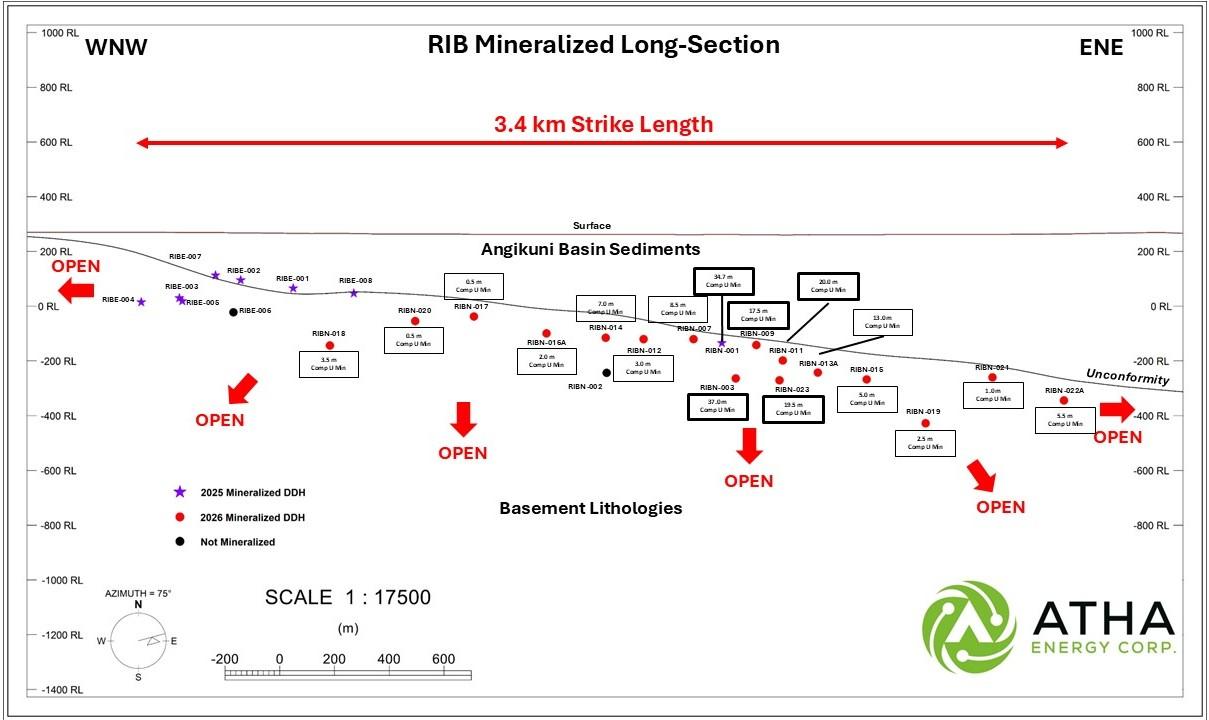
IsoEnergy holds standalone cash of approximately C$130.5 million and an equity portfolio of approximately C$48.4 million as of May 25, 2026, the latter representing stakes in other uranium companies including NexGen Energy and Atha Energy. That combined position of cash plus listed equity holdings gives the company the capacity to fund concurrent drilling at Hurricane, exploration across the Athabasca Basin, and technical studies at Tony M without immediate pressure to raise new money from shareholders.
Eight analysts cover the stock, all carrying Buy ratings, with price targets ranging from C$18.00 to C$28.00 as of the May 2026 presentation. Against a share price of C$15.17 on May 25, 2026, the highest target of C$28.00 implies upside of approximately 85%.
The Investment Thesis for IsoEnergy
- Hurricane is the highest-grade published indicated uranium resource in the Athabasca Basin, grading nearly 8 times higher than the next comparable deposit within 50 kilometres of the McClean Lake Mill.
- The WNA's 2025 data shows identified uranium supply covers only 46% of 2040 reference demand, a structural shortfall that supports sustained uranium price strength for developers in stable jurisdictions.
- Tony M holds its permits and has completed bulk sampling and metallurgical test work, removing the two largest de-risking barriers ahead of a 2026 preliminary economic study.
- The pending Toro acquisition, if completed, would add an Australian uranium project with shallow open-pit deposits and an existing Japanese commercial partner holding an option at US$39.6 million for a 35% stake in Lake Maitland.
- Standalone cash of C$130.5 million plus a listed equity portfolio of C$48.4 million provide a combined financial position that funds current programs without near-term dilution pressure.
- All eight analysts covering the stock carry Buy ratings, with targets ranging from C$18.00 to C$28.00 against a May 25, 2026 share price of C$15.17.
Taken together, these factors position IsoEnergy as one of the more complete uranium investment cases available to investors at its stage. It is not dependent on a single asset or a single outcome. Hurricane provides long-term development upside anchored by exceptional grade. Tony M provides near-term production optionality in a permitted, infrastructure-rich setting. The Toro Energy acquisition, if completed, adds continental diversification and a commercial partner already committed to Lake Maitland. The financial position underpins all three. For investors building exposure to the uranium supply deficit, IsoEnergy offers a portfolio of levers rather than a single bet.
TL;DR
IsoEnergy enters mid-2026 with an exceptional grade asset in the world's best uranium jurisdiction, a permitted near-production mine in the United States, and a growing Australian presence through the pending Toro Energy acquisition. The macro backdrop, a 212-million-pound uranium supply gap projected by the WNA through 2040, provides the external pricing environment. Standalone cash of C$130.5 million and a listed equity portfolio of C$48.4 million provide the internal capacity to advance all three pillars concurrently. With eight Buy-rated analysts and a share price still below the lowest published price target of C$18.00, IsoEnergy presents a case that rewards investors willing to look at the uranium supply deficit for what it is: a structural condition, not a temporary one.
FAQs (AI-Generated)
Analyst's Notes





Subscribe to Our Channel







Stay Informed