IsoEnergy May 2026 Corporate Update: 8 Things You Need to Know


IsoEnergy's May 2026 update covers new drilling results, a production study, and an Australian acquisition. Here is what retail investors need to understand.
Project Overview
IsoEnergy (TSX: ISO | NYSE American: ISOU) is a uranium development company with assets at different stages of progress across three countries. Its most advanced asset is the Hurricane deposit in Saskatchewan, Canada, which holds uranium at a grade considerably higher than almost any other known deposit in the world. The company also owns a cluster of past-producing uranium mines in Utah, United States, that already hold the permits needed to restart operations. A pending acquisition of Australian company Toro Energy would add a third pillar in Western Australia.
IsoEnergy is not yet producing uranium. It sits at the stage between discovery and production, which is where the investment case is built on two things: the quality of what is in the ground and the speed at which that ground can be converted into a producing mine. The May 2026 corporate presentation shows a company that has made measurable progress on both fronts across all three jurisdictions simultaneously. The Hurricane deposit is growing. The Utah mines are approaching a formal production decision. The Australian acquisition is advancing toward closing.
The broader investment context is that global demand for uranium is rising as more countries build or restart nuclear power plants, while the mines currently operating will not produce enough to meet that future demand. New mines need to be developed, and developers with high-quality, permitted assets in politically stable countries are better positioned to fill that gap. IsoEnergy holds assets in Canada, the United States, and Australia, all of which are considered reliable supply partners by the utilities that buy uranium for nuclear power plants. Here is what investors need to understand from the May 2026 update.
1. New Drilling Has Extended the Hurricane Deposit Beyond Its Known Boundaries
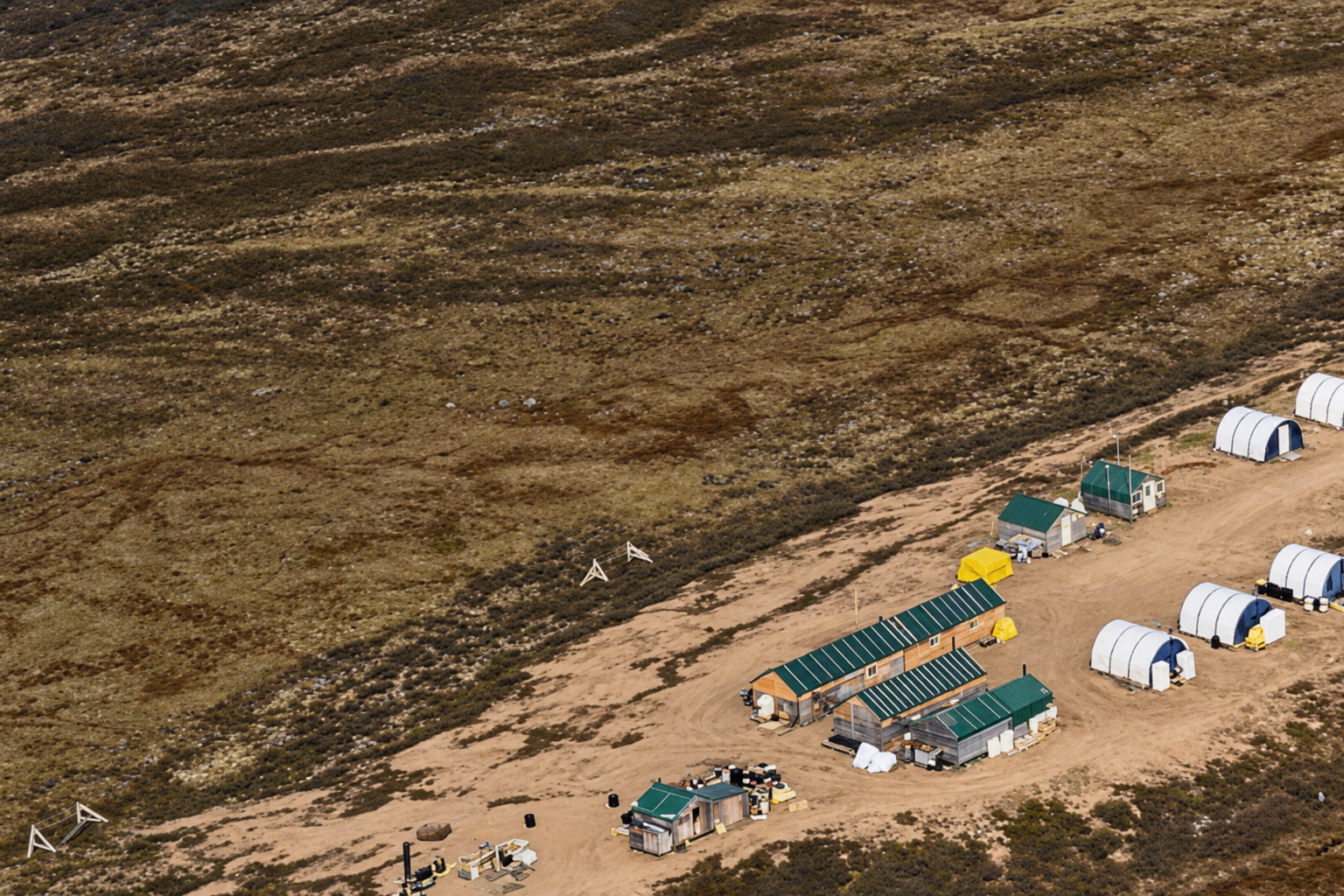
The most important update in IsoEnergy's May 2026 presentation is that drilling completed earlier this year at Hurricane found high-grade uranium in areas that were previously outside the mapped deposit. The drilling program covered 17 holes and one of those holes returned a result that was among the highest grades reported from the South Trend area of the deposit to date.
More significant for investors is that mineralisation was found in multiple holes spread across a distance considerably larger than the current mapped deposit. This suggests the deposit could be meaningfully larger than current estimates reflect. A follow-up drilling program targeting approximately 20 holes is planned for summer 2026. If those results confirm what the winter program indicated, IsoEnergy could publish an updated resource estimate that adds to the deposit's total size. A larger resource estimate would strengthen the case for development and could attract additional institutional interest.
2. Hurricane Is Unusually Close to an Operating Uranium Mill
One practical detail that matters for investors is where Hurricane is located relative to processing infrastructure. The deposit sits approximately 40 kilometres from the McClean Lake Mill in Saskatchewan, which already processes ore from one of the world's largest uranium mines. Access to an existing mill means IsoEnergy would not need to build its own processing facility if Hurricane is developed, which significantly reduces the upfront capital required.
No other undeveloped uranium deposit within the same distance of that mill combines Hurricane's grade and size. That combination of high grade, manageable depth, and proximity to processing infrastructure is what separates Hurricane from comparable projects on a cost basis. Until a development study is published, the exact cost advantage cannot be quantified, but the structural advantage is real and verifiable.
3. The Tony M Mine in Utah Is Approaching a Production Decision
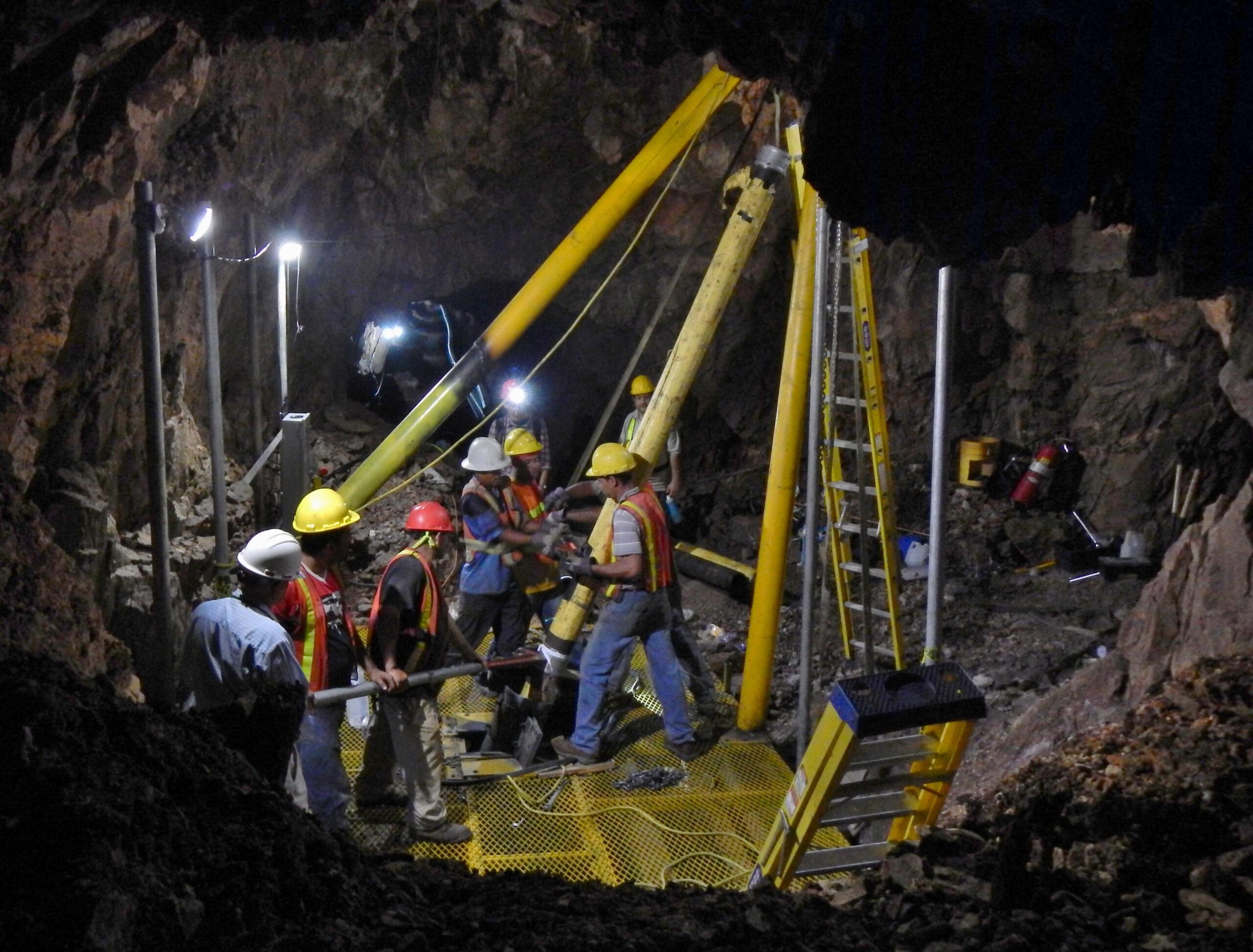
IsoEnergy owns a cluster of past-producing uranium mines in Utah's Henry Mountains district, led by the Tony M Mine. These mines already hold the key government permits needed to operate, which saves years of regulatory work and significant cost compared to starting a new mine from scratch. All of the mines sit within trucking distance of the only licensed conventional uranium processing facility in the United States, operated by Energy Fuels (NYSE American: UUUU | TSX: EFR), which means IsoEnergy does not need to build processing infrastructure there either.
A formal economic study targeting completion in 2026 will be the first document to state a project value, a production cost, and a capital requirement for Tony M. Until that study is published, investors are working without a key piece of information. When it arrives, the numbers that matter most are the cost to produce each pound of uranium, the total capital needed to restart the mine, and how many years the mine would operate. Those figures will determine whether Tony M is a near-term value creator or a longer-dated option.
4. The Australian Acquisition Adds Scale & a Ready Buyer
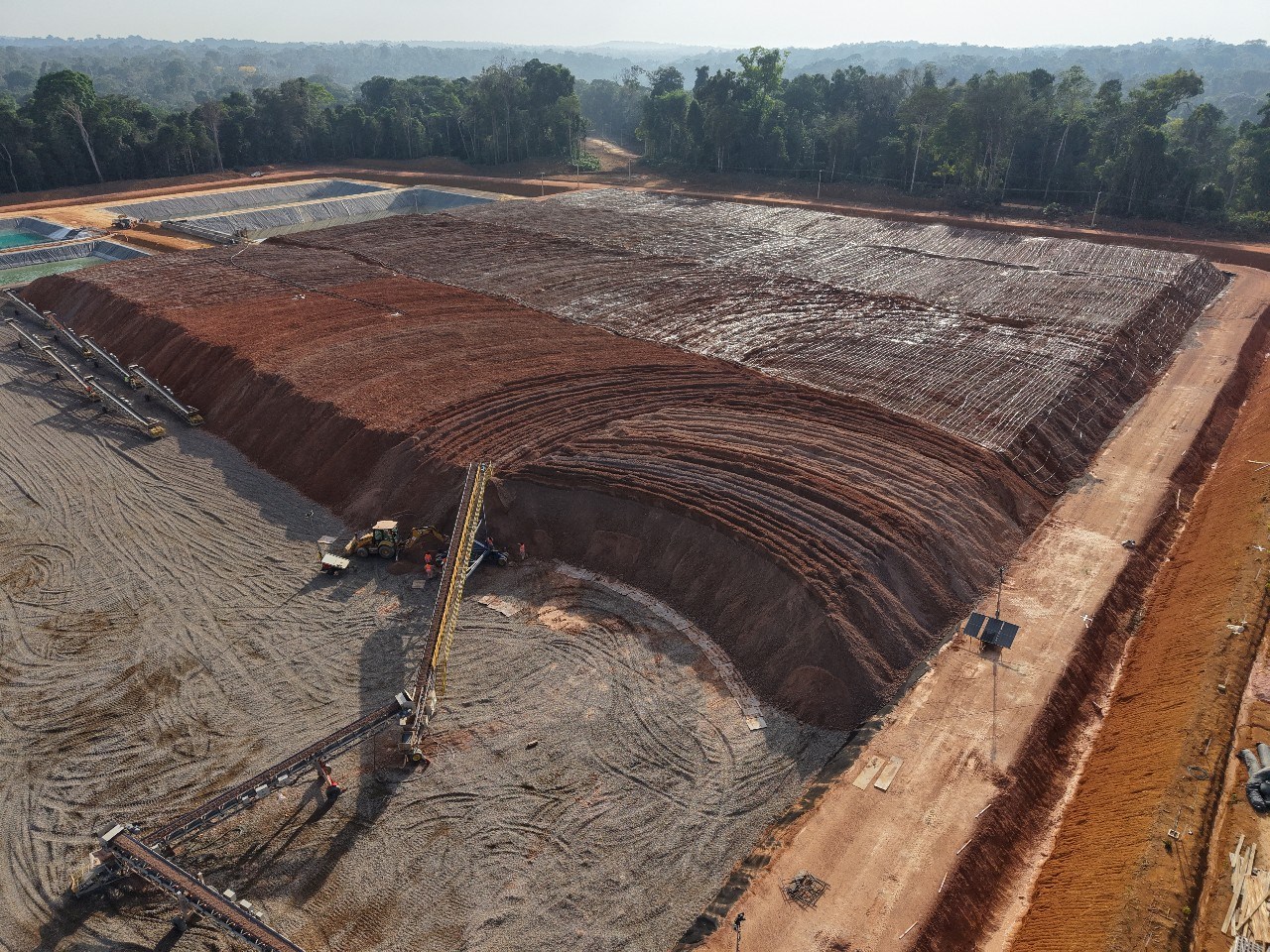
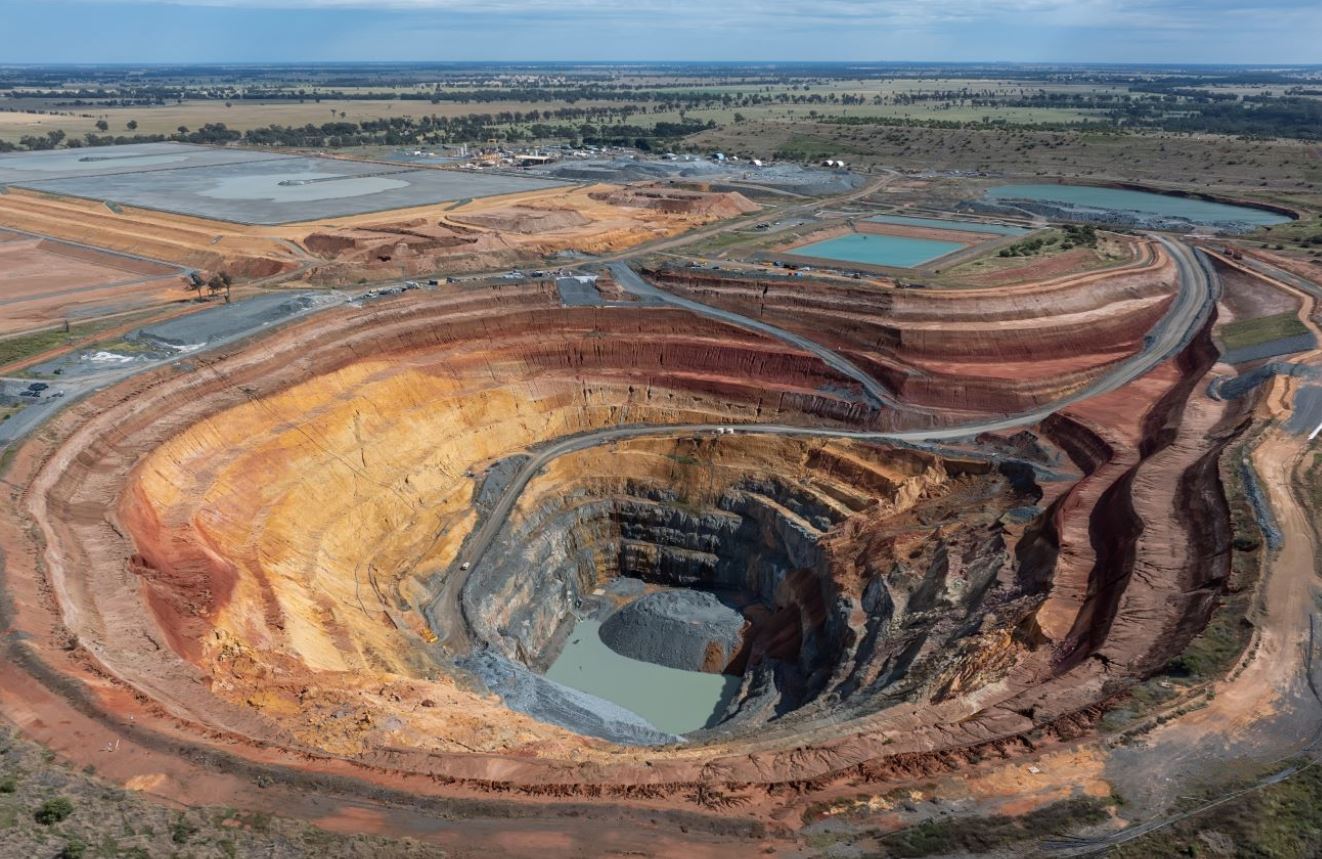
IsoEnergy announced a deal in late 2025 to acquire Toro Energy, an Australian uranium company. Toro's main asset is the Wiluna Uranium Project in Western Australia, which contains a large volume of uranium sitting close to the surface in deposits that are well suited to open-pit mining methods. A scoping study has already been completed on the largest deposit within the project.
What makes the Wiluna acquisition more than a straightforward resource addition is an existing arrangement with Japanese buyers. Japan Australia Uranium Pty and Itochu hold the right to pay US$39.6 million for a portion of the Lake Maitland deposit. That payment would cover part of the development cost before IsoEnergy has to spend its own cash, reducing the financial risk of advancing the project. The Toro acquisition is still pending completion as of May 2026. Until it closes, Wiluna's resources do not formally count toward IsoEnergy's Canadian-standard reported total.
5. The Global Supply Gap Is the Core Investment Argument
The reason uranium developers like IsoEnergy attract investor interest is straightforward. The world currently uses more uranium each year than mines are producing, and that gap is set to widen. The World Nuclear Association's 2025 Nuclear Fuel Report projects that reactor demand will more than double between now and 2040. Mines currently operating will deplete over that same period, with output from existing sources forecast to fall sharply after 2030.
Filling that gap requires new mines to be built in politically stable countries. IsoEnergy's entire portfolio sits in Canada, the United States, and Australia, all of which are considered reliable supply partners by utilities in Europe, Japan, and North America. That jurisdictional positioning does not guarantee contracts or prices, but it places IsoEnergy in the category of developers that utilities are most likely to approach when they need to secure long-term supply.
6. The Balance Sheet Supports Multi-Year Activity Without an Immediate Need to Raise New Money
IsoEnergy holds approximately C$130 million in cash and approximately C$52.6 million in shares of other listed uranium companies as of May 12, 2026. That combined pool of approximately C$182.6 million means the company can fund simultaneous drilling at Hurricane, the Tony M economic study, Wiluna development work, and exploration across its broader Canadian land package without being forced to issue new shares in the near term.
The main risk to that conclusion is pace. If multiple large programs run concurrently and produce results that require immediate follow-up, the cash burn rate could accelerate. Investors should monitor whether IsoEnergy draws on its existing share issuance facility or announces a new financing before year-end 2026, as either would signal that the current cash position is being consumed faster than the presentation implies.
7. The Peer Comparison Shows Hurricane Has No Direct Competitor in Its Region
When investors compare uranium deposits, grade and location relative to processing infrastructure are the two metrics that most directly affect how cheaply a deposit can be mined and processed. On both measures, Hurricane stands apart from every other undeveloped deposit within its region. No other project within the same distance of the McClean Lake Mill combines Hurricane's grade and resource size.
That scarcity matters because the McClean Lake Mill will face a growing need to replace the ore it currently receives from Cigar Lake as that mine depletes toward the end of this decade. A developer with a high-grade deposit 40 kilometres from that mill is in a structurally strong negotiating position when toll milling discussions eventually begin. Securing a toll milling agreement at McClean Lake would be a significant derisking milestone for Hurricane and is one of the specific events investors should watch for alongside drilling results.
8. Four Specific Events in the Second Half of 2026 Could Change the Valuation
IsoEnergy is not a company where investors need to wait years for news. Four concrete events are targeting delivery before the end of 2026, each of which carries a direct investment implication.
Hurricane summer drill results will confirm or challenge whether the South Trend extension found in winter drilling represents a genuine resource expansion. The Tony M economic study will publish the first formal cost and value estimate for the Utah portfolio. Toro acquisition completion will formally add Wiluna's resources to IsoEnergy's reported total and activate the Lake Maitland development pathway. Drilling at the Dorado joint venture project in Saskatchewan is targeting commencement in June 2026, with earlier results at that project already returning high-grade uranium in widely spaced holes. Each of these events has a defined output. If they arrive broadly as targeting, the second half of 2026 represents a period of unusually concentrated news flow for a company of IsoEnergy's current stage.
Key Takeaway for Investors
- IsoEnergy holds the world's highest-grade published Indicated uranium resource at Hurricane, a fact verified by an independent technical report and not disputed by any comparable peer deposit in the same region
- The Tony M Mine in Utah already holds its operating permits, sits next to the only licensed uranium processing facility in the United States, and is one economic study away from a production decision that would make IsoEnergy a near-term uranium producer
- The pending Toro Energy acquisition adds a large Australian uranium deposit that already has a Japanese buyer holding an option to fund part of its development, reducing the capital IsoEnergy would need to commit from its own balance sheet
- The balance sheet of approximately C$182.6 million in combined cash and listed equity holdings as of May 12, 2026 means the company can execute across all three pillars without a forced equity raise in the near term
- Four separate catalysts are targeting delivery before the end of 2026, each of which adds verifiable information that the market does not currently have, and each of which reduces investment risk if results are positive
- The core risk is not asset quality but execution timing: if the Tony M study, Hurricane summer drilling, Toro closing, and Dorado results arrive broadly on schedule, investors will know significantly more about IsoEnergy's fundamental value by December 2026 than they do today
Bottom Line
IsoEnergy enters the second half of 2026 as a uranium developer with a genuinely rare combination of asset quality, jurisdictional positioning, and near-term news flow: its flagship Hurricane deposit is the highest-grade published Indicated uranium resource in the world and is actively growing through drilling, its Utah mines are one study away from a production decision, its Australian acquisition carries a partial funding mechanism that reduces development risk, and its balance sheet is funded to advance all three without an immediate capital raise, all against a backdrop of rising global uranium demand and a widening supply gap that new mines in stable Western countries are best placed to fill. What investors are buying today is a pre-production company that will be a materially different and more de-risked proposition by the end of 2026, provided that the four defined catalysts targeting delivery this year arrive broadly on schedule.
Analyst's Notes





Subscribe to Our Channel




%20(1)%20(1).jpg)
.jpg)
Stay Informed