




Kuya Silver Acquires Camila Mill Plant, Resource Expansion Drill Rigs to be Mobilised in Q3 2026


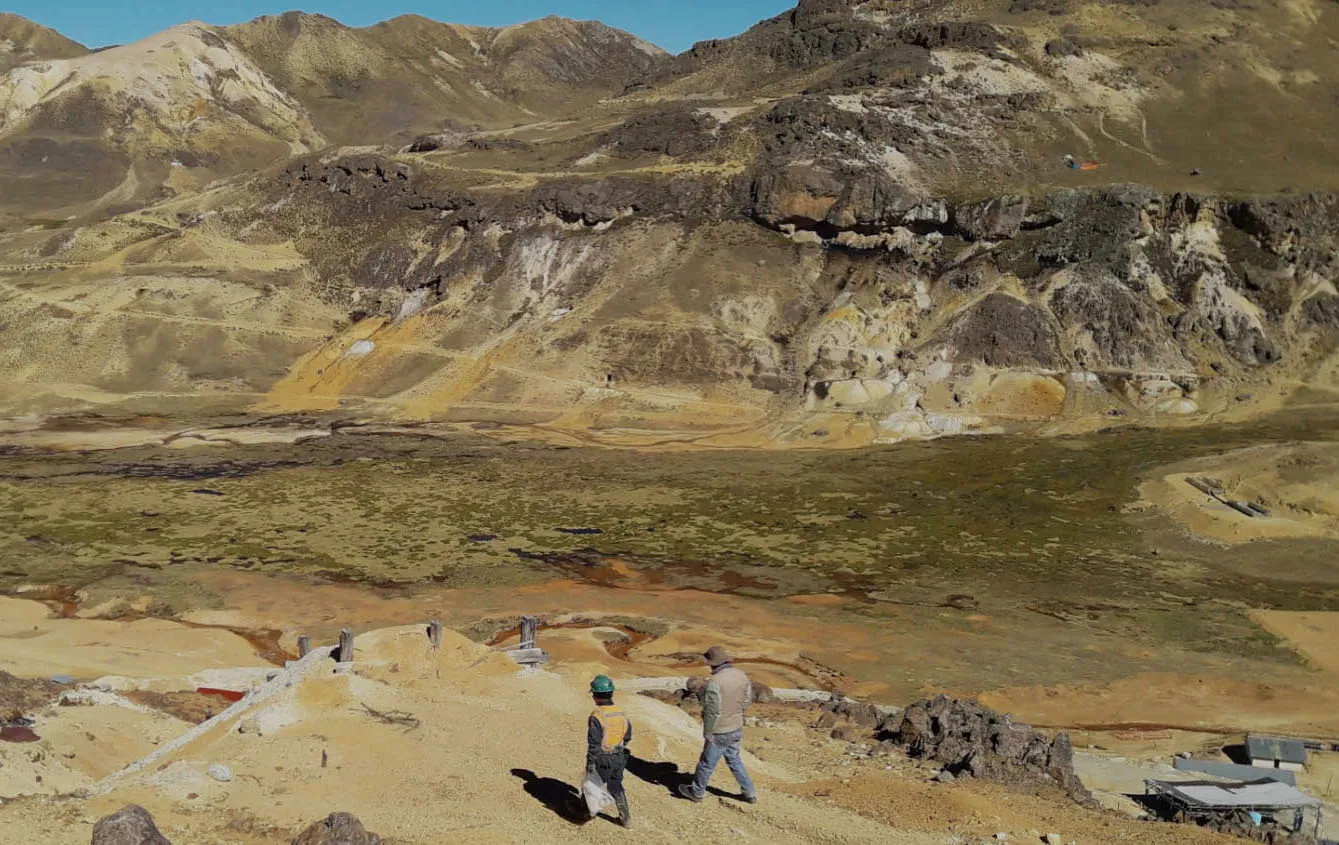
Kuya Silver is ramping production at its Bethania Mine in Peru, acquiring its toll mill, and targeting 100Moz silver with a first profitable quarter expected within two reporting periods.
- Kuya Silver is a growing silver producer operating the Bethania Silver Mine in central Peru, with production ramping through the recently announced acquisition of the Camila processing mill to be completed by end of March 2026.
- CEO David Stein founded the company in 2017 after identifying the Bethania project as an undervalued former producer, taking it public via reverse takeover in 2020 and deploying $13 million raised post-IPO to establish a compliant resource and complete a PEA.
- The acquisition of the Camila mill for approximately $9 million eliminates third-party toll milling dependency, reduces processing costs, connects Kuya to hydro-grid power, and opens a third-party processing revenue stream from smaller regional miners.
- With roughly $15 million in hand post-acquisition, Kuya plans to fund a new underground ramp and exploration programme targeting 100 million ounces of silver across a 4,500-hectare land package within three years, deploying underground and surface drill rigs through 2026.
- Management expects to deliver its first profitable quarter within one to two reporting periods, anticipating a meaningful share re-rating by year-end.
Kuya Silver (TSXV:KUYA) is a silver producer with its flagship Bethania Silver Mine located in central Peru, approximately 3-4 hours from the city of Huancayo in the Andes. While at PDAC 2026, President and CEO David Stein provided a comprehensive update on the company's operational progress, near-term capital allocation, and multi-year growth strategy. With production ramping, a processing facility acquisition nearing close, and a funded exploration programme underway, Kuya is positioning itself as a self-sustaining silver producer in a commodity environment that has become increasingly favourable for silver.
Origin Story: Capital, Conviction, and a Former Producer
Kuya Silver was founded in 2017 when Stein set out to deploy his own capital into undervalued mining assets below the allocation threshold of mainstream private equity firms. The Bethania project, a previously producing underground silver mine with documented monthly production data, underground sampling, and existing permits, fit the criteria. Stein invested his own money to establish a joint venture with the former owners, raising approximately $4 million privately between 2017 and 2020 before taking the company public via a reverse takeover in 2020.
Coming out of COVID-19, a brief precious metals rally allowed Kuya to raise $13 million, which it deployed to buy out the remaining 20% JV interest, fund a maiden NI 43-101 compliant resource, and commission a Preliminary Economic Assessment (PEA) completed in 2022 to restart the mine and construct a dedicated processing plant.
The Plant Problem and the Solution
The absence of an owned processing facility was the central operational challenge for Kuya from inception. The previous owners had always relied on toll milling, and while the PEA outlined a plan to construct a new 350-tonne-per-day plant at Bethania, declining markets in the years following 2022 made it impractical to raise the estimated $15–20 million required for construction when the company's market capitalization was comparable to that figure.
Instead, Kuya pivoted to toll milling through nearby facilities, eventually settling on the Camila mill located 150 kilometres from the mine and conveniently situated en route to the port where the company sells its silver concentrate. Production through Camila began in 2024. In January 2026, Kuya announced an agreement to acquire the Camila facility outright, with due diligence and definitive documentation underway and closing expected before the end of March 2026.
The total investment in the acquisition and planned improvements is approximately $9 million. Critically, the mill is connected to the hydro grid, unlike the Bethania mine, itself providing access to lower-cost, cleaner power that partially offsets concentrate transport costs. Stein framed the acquisition in terms of both financial and operational logic:
"When you're operating with a third party, you just don't know if they're going to mess it up. Having that under our control with real top professional management is worth something to us."
Beyond cost savings, ownership of the mill opens a potential third-party processing revenue stream, as smaller local miners in the region may bring material to Camila for processing providing Kuya with both incremental cash flow and potential deal flow in a silver-rich district.
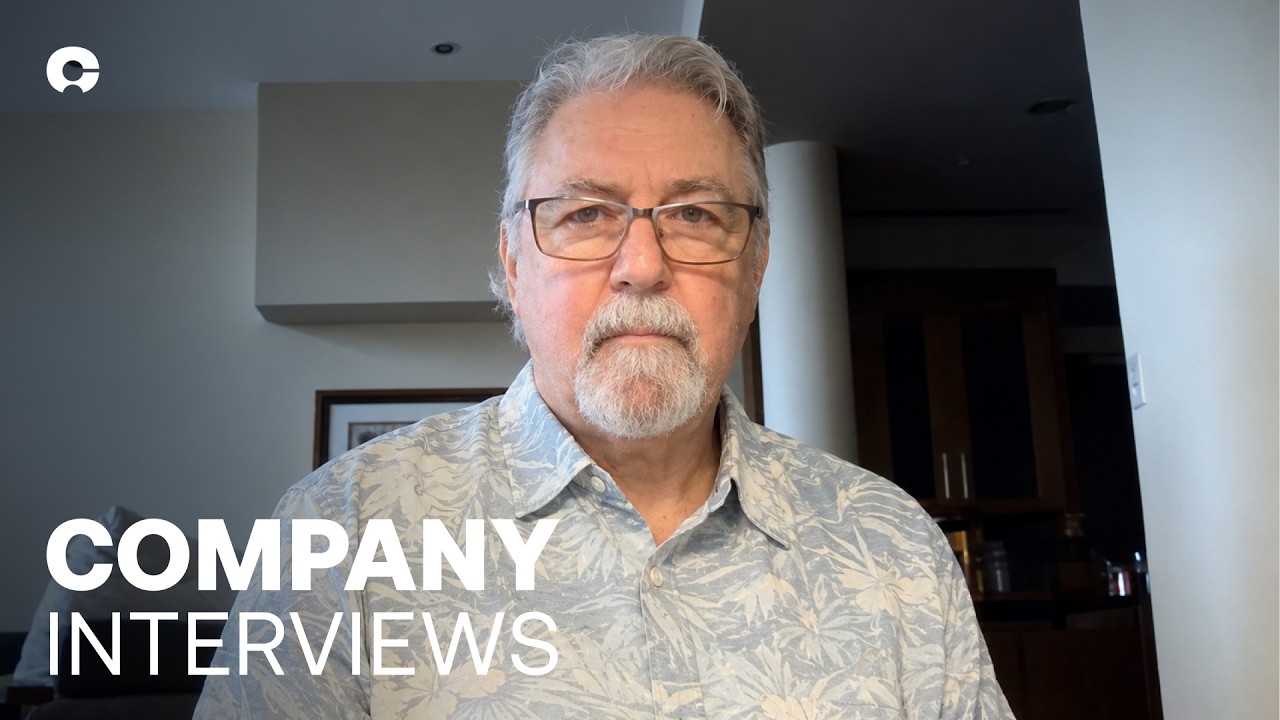
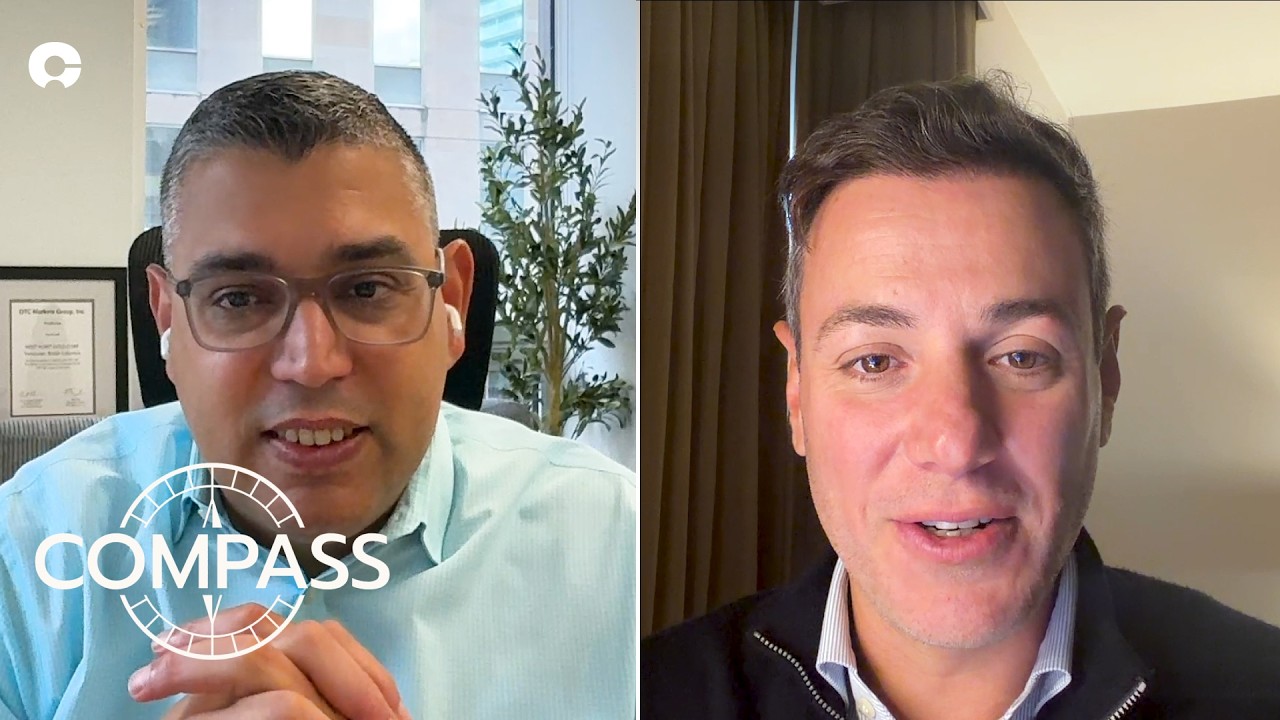
Interview with David Stein, President & CEO of Kuya Silver
Capital Allocation in 2026
Following the mill acquisition, Kuya expects to retain approximately $15 million on its balance sheet. The company has outlined a clear capital deployment plan for the remainder of 2026. Alongside the $9 million mill acquisition, approximately $3 million will be allocated to two near-term operational priorities: underground drilling to extend the Bethania resource, and the construction of a new underground ramp.
The ramp project is particularly significant. The mine currently relies on two access systems: a horizontal adit serving upper levels, and a legacy 45-degree decline fitted with a rail-and-winch system. While functional, the decline is inefficient. The new ramp will allow vehicle access, decommission the existing system, and critically provide the infrastructure foundation to scale underground throughput to 750 to 1,000 tonnes per day in subsequent phases. Initial throughput guidance remains at 350 tonnes per day, consistent with the Camila mill's current capacity.
Exploration Towards 100 Million Ounces
Kuya has not drilled at Bethania for five years, having deliberately directed its limited capital toward establishing production rather than exploration but that is now changing. The company currently has two underground drill rigs active expected to yield approximately one million ounces per 10 metres drilled based on the silver endowment profile above. A 200-metre vertical extension could add up to 20 million ounces of inferred resource.
"The goal is to get the resource up to 100 million ounces of silver. We feel very strongly we can do that in the next three years," Stein states.
The land package surrounding Bethania has grown from the original 45-hectare mine property to approximately 4,500 hectares representing a 100-fold expansion. Surface work has already identified six additional silver vein systems within a five-kilometre radius of the mine, all associated with historical artisanal workings. A surface drill rig is expected to be mobilised in Q3 2026, with a second potentially added before year-end.
Path to Re-Rating with Cash Flow as the Catalyst
Kuya's longer-term vision involves operating two 350-tonne-per-day processing facilities, Camila and a future Bethania plant, and to produce approximately three million ounces of silver per year by 2028. The permitted Bethania plant design remains in place, with construction expected to be funded from operating cash flow once Camila is fully owned and optimised.
Stein believes the market has yet to assign Kuya credit for its transition to producer status. The company expects to demonstrate its first profitable quarter within one to two reporting periods, at which point management anticipates a meaningful re-rating relative to peers that have already achieved that milestone. At current silver prices, Stein suggested the cash flow profile could surprise investors who have not yet updated their views on the company.
The Investment Thesis for Kuya Silver
- Production is real and ramping. Kuya moved ore through the Camila toll mill in 2024 and is actively scaling throughput. This is not a development-stage story, it is an early-stage production story with near-term cash flow visibility.
- Mill acquisition removes key operational risk. Owning Camila eliminates dependence on third-party processing, locks in cost savings, and provides a platform for third-party processing revenue. Closing is expected imminently.
- Strong balance sheet provides a runway. With approximately $15 million post-acquisition, Kuya is funded for exploration, the ramp build, and ongoing operations without requiring near-term equity dilution.
- Exploration upside is substantial and underpriced. Six identified vein systems, 4,500 hectares of land, and a 100-million-ounce resource target over three years represent a significant exploration catalyst pipeline for a company of this size.
- Silver price environment is supportive. Silver's dual role as a monetary metal and industrial input, particularly in solar and electrification, underpins a structurally constructive price environment that benefits high-grade producers like Kuya.
- Re-rating catalyst is approaching. The first profitable quarter, expected within one to two reporting periods, could trigger a valuation re-rating. Peers with demonstrated cash flow trade at meaningfully higher multiples.
- Dual-plant production target by 2028. The roadmap to approximately 3 million ounces per year across two processing facilities is concrete, funded, and grounded in permitted infrastructure.
Kuya Silver enters 2026 at a genuine inflection point. The Bethania Silver Mine is in production, the Camila mill acquisition is near closing, and the company is funded to pursue both operational improvement and aggressive exploration without immediate recourse to equity markets.
Macro Thematic Analysis: Silver's Structural Moment
Silver is increasingly recognised as occupying a unique position in the commodities landscape functioning simultaneously as a monetary asset, an industrial input, and a critical material for the global energy transition. Demand from solar photovoltaic manufacturing, electric vehicle components, and grid infrastructure has structurally shifted the silver demand profile over the past decade, adding a durable industrial floor beneath the metal's more cyclical investment demand characteristics.
On the supply side, primary silver mines where silver is the principal revenue source account for a minority of global silver production. The majority is produced as a by-product of lead, zinc, copper, and gold mining, meaning primary silver supply does not respond efficiently to price signals. When silver prices rise, incremental supply from primary producers is limited, and the smelting and refining pipeline from by-product sources adjusts slowly. This structural supply inelasticity has historically amplified silver's price response during periods of heightened investment demand.
David Stein concludes Kuya Silver's outlook on the market dynamic:
"With these silver prices, dare I say, this is going to generate a shocking amount of cash flow by the end of this year."
For junior and emerging silver producers, this environment is particularly significant. Companies that have survived the lean years of suppressed metal prices and reached production or near-production status are positioned to generate outsized cash flow leverage to rising silver prices, without requiring the capital markets to fund ongoing operations.
TL;DR
Kuya Silver is a Peruvian silver producer on the verge of its first profitable quarter as the company completes acquisition of its own processing mill and is drilling aggressively toward a 100-million-ounce silver resource target. With a 4,500-hectare land package, six identified vein systems, a permitted future plant, and a dual-facility production target of three million ounces per year by 2028, Kuya offers investors a rare combination of near-term cash flow visibility and multi-year exploration upside in a structurally supportive silver market. For investors focused on near-term cash flow catalysts within a constructive silver market, Kuya offers a combination of production visibility, exploration optionality, and re-rating potential that is relatively unusual at this stage of the mining cycle.
Frequently Asked Questions (FAQs) AI-Generated
Yes. Kuya Silver has been producing silver concentrate from the Bethania mine in central Peru since late 2024, processing material through the Camila toll mill. Following the imminent acquisition of Camila, the company will own its processing infrastructure outright and retain all processing margin internally.
Owning Camila eliminates reliance on a third-party processor, removes a key operational risk, and reduces unit costs. It also connects Kuya to hydro-grid power — cheaper and cleaner than the mine's current energy supply — and creates the opportunity to generate additional revenue by processing ore from smaller local miners in the region.
Following the mill acquisition and planned near-term capital expenditures of approximately $12 million in total, Kuya expects to retain roughly $12–15 million on its balance sheet. With its burn rate approaching zero as production scales, management does not anticipate requiring additional equity financing in the near term.
Kuya has expanded its land package from the original 45-hectare mine property to approximately 4,500 hectares — a 100-fold increase. Surface work has identified six additional silver vein systems within five kilometres of the mine. The company has set a target of 100 million ounces of silver within three years, using underground rigs to extend the existing resource depth and surface rigs to test the broader land package from Q3 2026.
Management believes the primary catalyst is delivering a profitable quarter, which it expects within one to two reporting periods. Peers that have demonstrated consistent cash flow have historically traded at meaningfully higher multiples. At current silver prices, management believes the cash flow profile will be materially stronger than the market currently reflects in Kuya's valuation.
Analyst's Notes





Subscribe to Our Channel





.png)






.jpg)
Stay Informed






