




Atlas Salt: The Missing Piece in North America's Winter


.webp)
Atlas Salt (TSXV: SALT) is building North America's first new salt mine in nearly 30 years, targeting 4 million tonnes per year with an independently assessed value of $920 million.
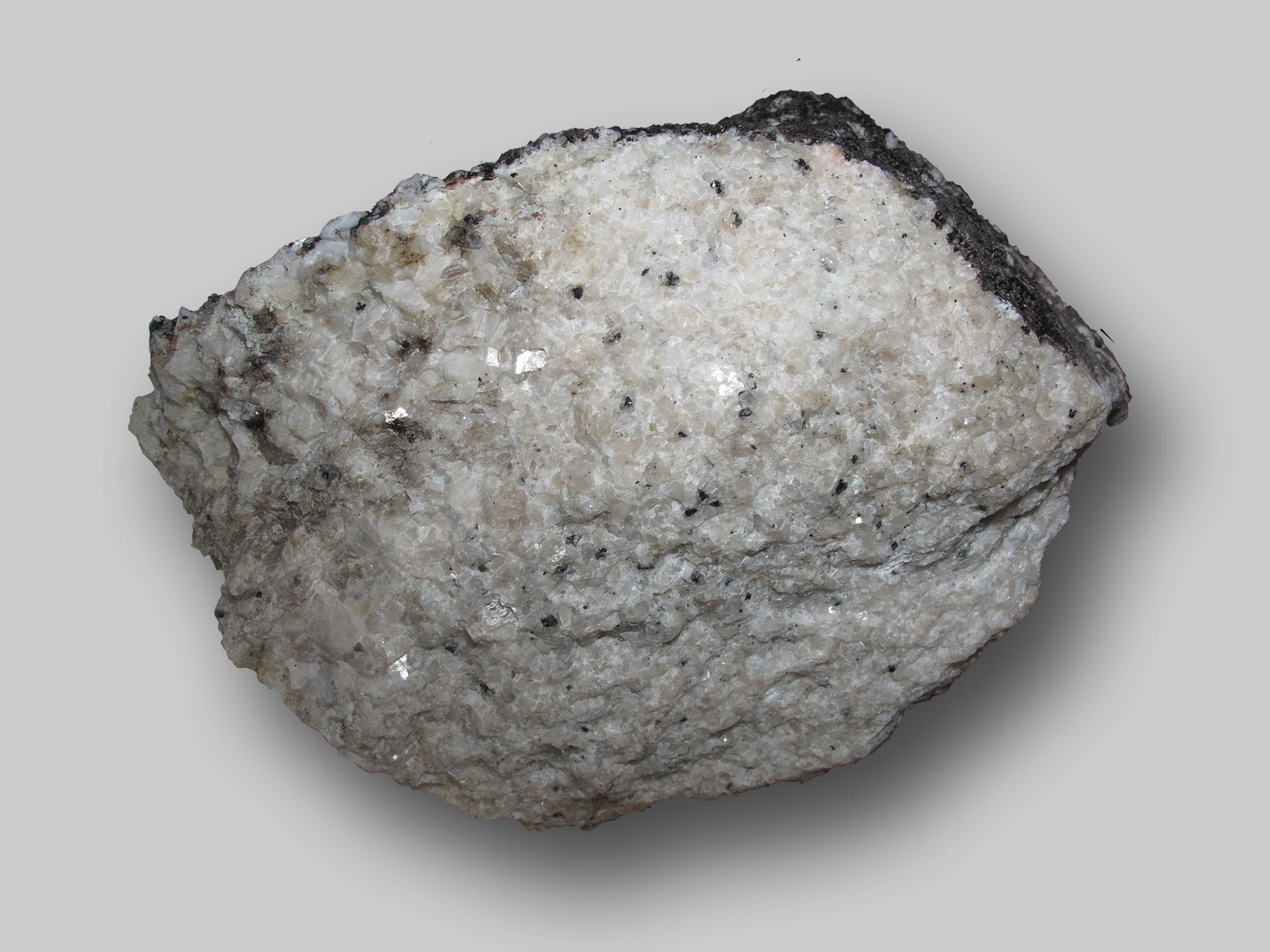
- Atlas Salt's Great Atlantic Salt Project holds 95.0 Mt of confirmed salt at 95.9% purity in Newfoundland, Canada, with a further 868 Million Tonne (Mt) in the ground that could extend the mine well beyond its current 24.3-year production plan.
- An independent study completed assessed the project's total value at $920 million, with an estimated annual profit of $188 million once in production and the $589 million construction cost paid back in 4.2 years.
- North America imports 8 to 10 Mt of road salt every year from countries like Chile, Egypt, and Mexico; Atlas Salt's planned 4 Mt per year output would replace a significant share of those imports with local supply.
- The company has a preliminary supply agreement with Scotwood Industries, the largest packaged retail de-icing salt distributor in the US, targeting purchases of 1.25 to 1.5 Mt per year once the mine is open.
- The project still needs to secure construction funding and complete the build before any salt can be sold, with first production targeted by 2030.
Why Salt, Why Now & Why Newfoundland
Road salt is one of the most reliable commodities in the world. Governments buy it every winter to keep roads safe, demand holds steady regardless of economic conditions, and there is no substitute for it. Yet North America has not opened a new salt mine in nearly 3 decades. The last one opened in 2001, and it was already the first new facility in over 50 years at the time. Since then, supply has only shrunk. In 2021, Cargill permanently shut its Avery Island mine in Louisiana, removing 2.5 Million Tonne (Mt) per year from the US East Coast market. Other Cargill-owned mines in New York and Cleveland have been stuck in a sales process since 2023 due to environmental problems, threatening a further approximately 2 Mt per year of supply.
The shortage is no longer an abstract problem. Wholesale salt prices in Ontario surged from approximately $65 to $70 per tonne to nearly $190 per tonne in early 2026.
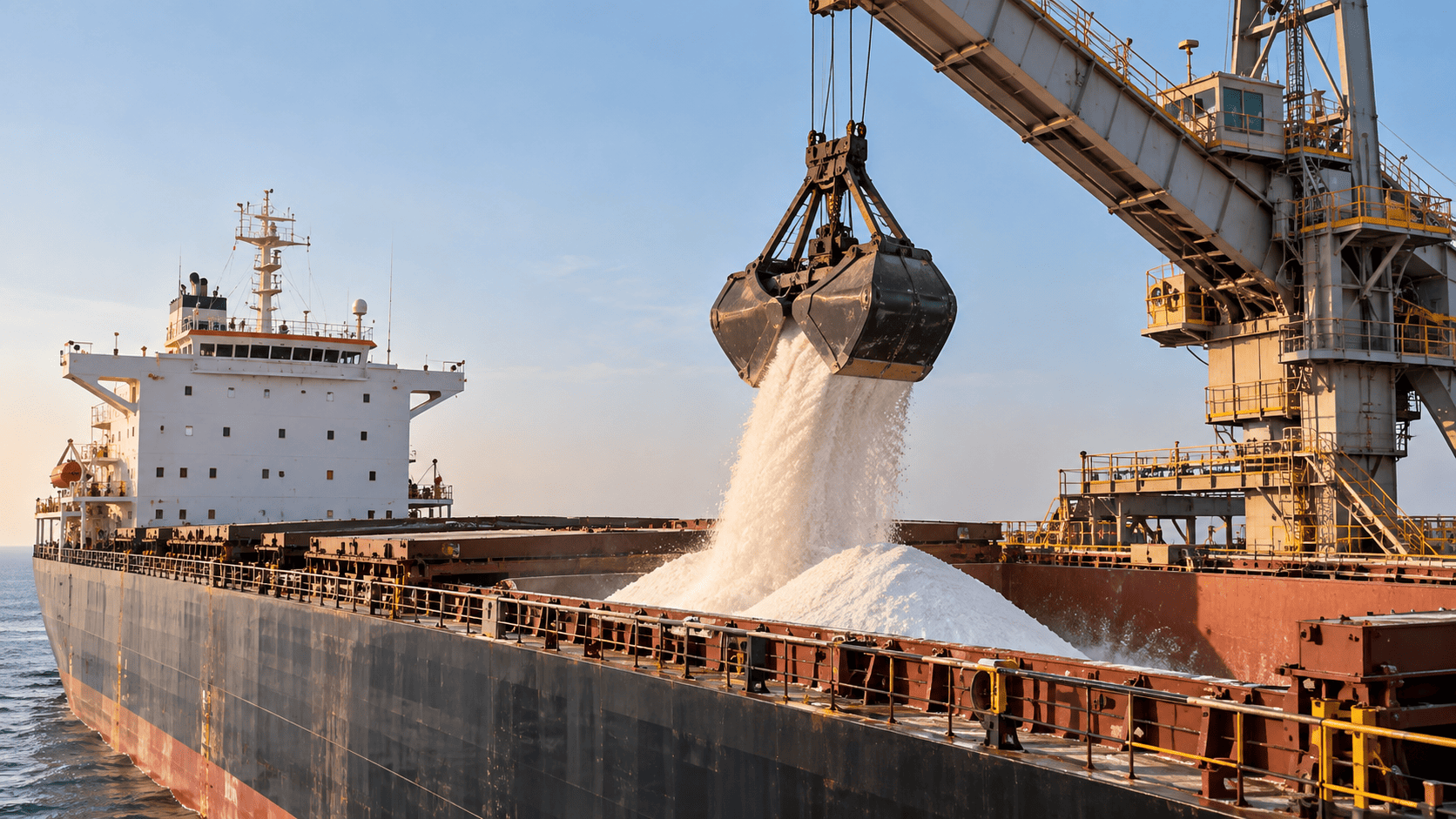
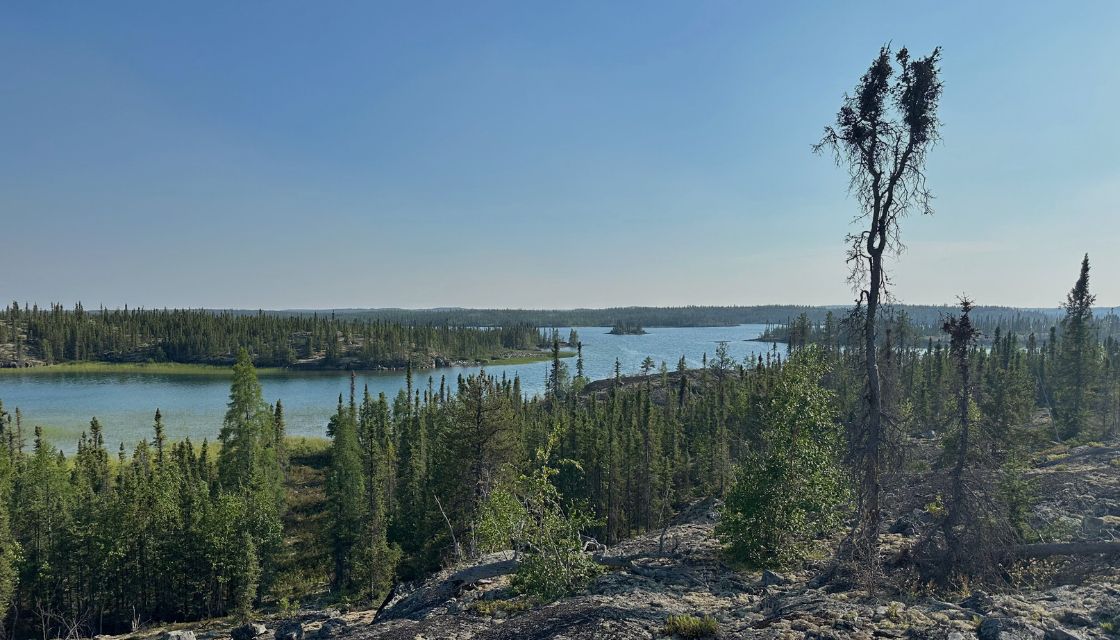
Atlas Salt (TSXV: SALT | OTCQX: SALQF | FSE: 9D00) is positioned to address that gap directly. The Great Atlantic Salt Project sits on the western coast of Newfoundland, approximately 3 days by ship from Boston compared to more than 14 days from Egypt or Chile. The site is 2 kilometres (km) from a deep-water port, next to the Trans-Canada Highway, and 1.4 km from an existing electricity connection. The region has mined and exported gypsum since the 1950s, meaning the roads, port, and power supply are already in place.
A Simple Mine With Strong Numbers
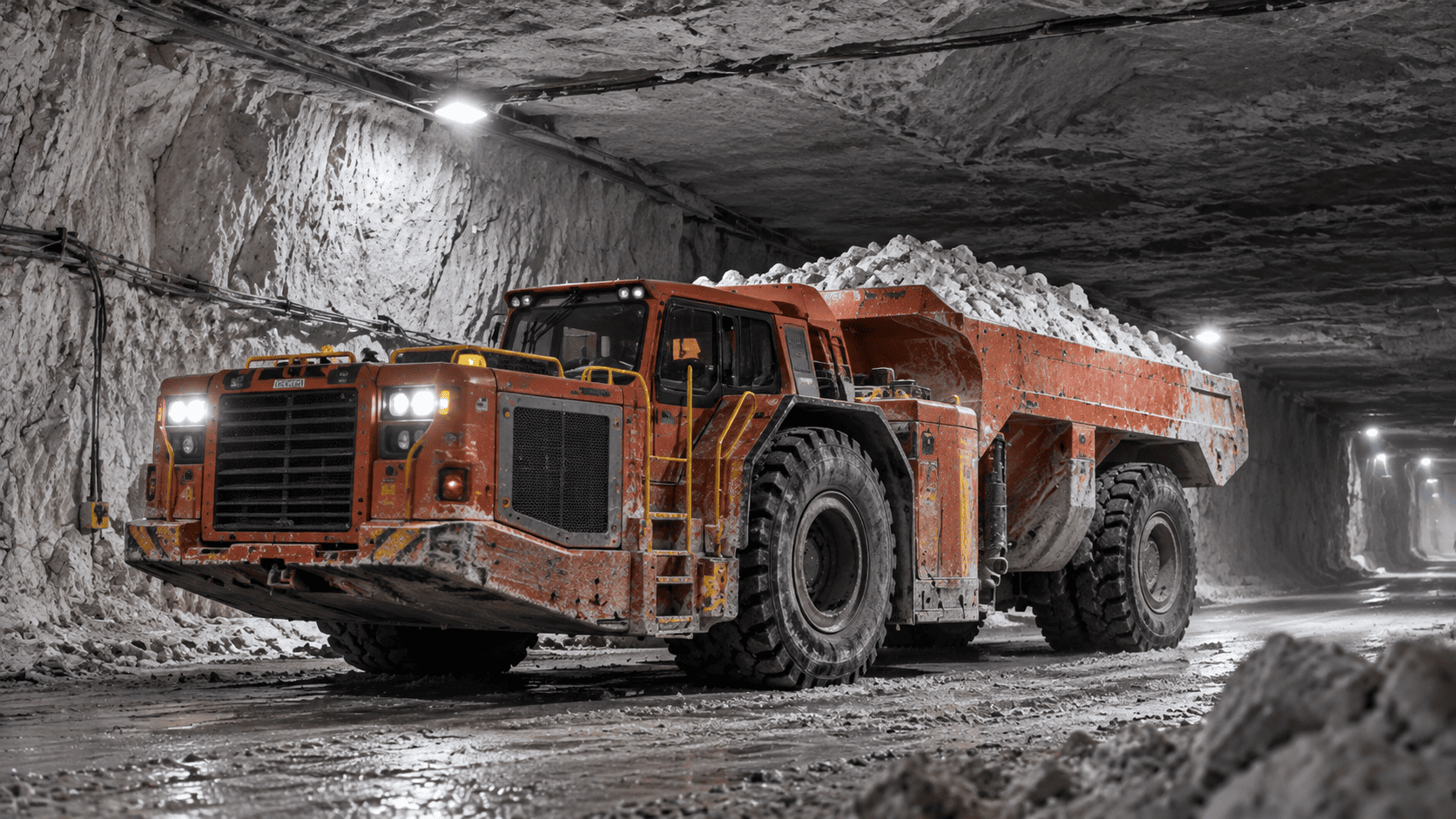
The Great Atlantic Salt deposit sits only about 180 metres (m) below the surface, much shallower than most North American salt mines, which typically operate several hundred metres underground beneath lakes or cities. That shallower depth means the mine can be reached through a sloping access tunnel rather than an expensive deep vertical shaft, which significantly reduces the cost and time needed to build it. The salt is 95.9% pure on average, requires no chemical treatment, and is moved directly by an enclosed conveyor belt to the port 2 km away. No chemicals are used, no chemical waste is left behind, and the mine runs entirely on electricity from Newfoundland's clean hydropower grid.
An independent study completed by engineering firm SLR Consulting assessed the project at $920 million in today's dollars, assuming a salt sale price of $81.67 per tonne. The company's current market value, which is what it costs to buy all of Atlas Salt's shares today, is approximately $161.1 million as of June 26, 2026. That gap between $161.1 million and $920 million exists because the mine has not been built yet; execution risk is priced into the shares. Once in production, the mine is expected to generate $188 million per year in after-tax profit, with the $589 million construction cost recovered within 4.2 years. For context, the business behind the Morton and Windsor Salt brands sold in 2020 for US$3.2 billion, which was 12.5 times its annual operating profit. Atlas Salt, at its current price, trades at a fraction of that benchmark.
Partners, Customers & What Still Needs to Happen
Atlas Salt has secured 3 key commercial agreements before a single tonne of salt has been mined. The company signed a preliminary supply agreement with Scotwood Industries, the largest packaged retail de-icing salt distributor in the US, targeting 1.25 to 1.5 Mt per year. In February 2026, mining equipment company Sandvik agreed to supply and finance $132 million worth of mining machinery, reducing the total outside funding the company needs to raise. Engineering firm Hatch Ltd. was appointed to lead the design and construction management for the project, bringing experience from some of the world's largest underground mines and an existing presence in Newfoundland.
The most important outstanding step is securing the full construction funding package. The company has appointed Endeavour Financial to help arrange it, but no deal has been announced. Until financing is confirmed, construction cannot begin. The preliminary supply agreement with Scotwood also needs to convert into a binding contract, as banks lending money for a project of this scale typically require signed long-term sales agreements before approving a loan. Chief Executive Officer (CEO) Nolan Peterson brings over 20 years of mine development experience, Vice President (VP) Engineering & Construction Robert Booth has delivered over $1.5 billion in mine builds for Newmont and Hudbay, and Project Director & General Manager Andrew Smith has led $500 million in underground mine construction projects at Dumas. The team has the credentials to execute, and the financing milestone is the one to watch.
The Investment Thesis for Atlas Salt
- A construction funding announcement is the single most important near-term milestone and the most likely event to narrow the gap between the $161.1 million current market value and the $920 million independently assessed project value.
- The preliminary supply agreement with Scotwood Industries needs to convert into a binding long-term sales contract before banks will typically approve the construction loan that the project requires.
- Road salt prices in the US have risen at approximately 4.2% per year since 2000, according to the United States Geological Survey (USGS), offering a steady and growing revenue base rather than the price volatility common in metals mining.
- The mine design uses no chemicals, leaves no chemical waste, and runs on clean hydropower, removing several categories of environmental cost and liability that affect many other mining projects.
For investors who are comfortable with the risks of a pre-construction mining company, the combination of a genuine market shortage, an independently verified project value well above the current share price, a capable management team, and early commercial partnerships makes Atlas Salt one of the more clearly framed opportunities in the Canadian junior mining space today. The financing announcement is the catalyst to watch.
TL;DR
Atlas Salt is developing the Great Atlantic Salt Project in Newfoundland, Canada. With Canada's salt supply concentrated in Ontario & largely controlled by a single producer, Atlas Salt Inc. is advancing the Great Atlantic Salt Project in Newfoundland & Labrador to serve Atlantic Canada & the US Northeast, & has now raised $10,000,080 through a bought deal private placement to fund the early works, engineering, & permitting needed to bring that supply online.
FAQs (AI-Generated)
Analyst's Notes





Subscribe to Our Channel


.jpg)
Stay Informed


