




US Trade Uncertainty & Platinum Deficits Elevate Supply Security as Three Countries Control 90% of PGM Output



US trade uncertainty, platinum deficits, and concentrated PGM supply are increasing the value of supply security and shaping platinum-sector valuations.
- The US Section 232 critical-minerals process has not produced a tariff, but the 13 July 2026 negotiation checkpoint leaves tariffs, quotas, and minimum import prices under consideration, creating uncertainty for PGM pricing and trade flows.
- The World Platinum Investment Council (WPIC) forecasts a fourth consecutive annual platinum deficit of roughly 297,000 ounces in 2026, with above-ground stocks falling toward three months of demand cover.
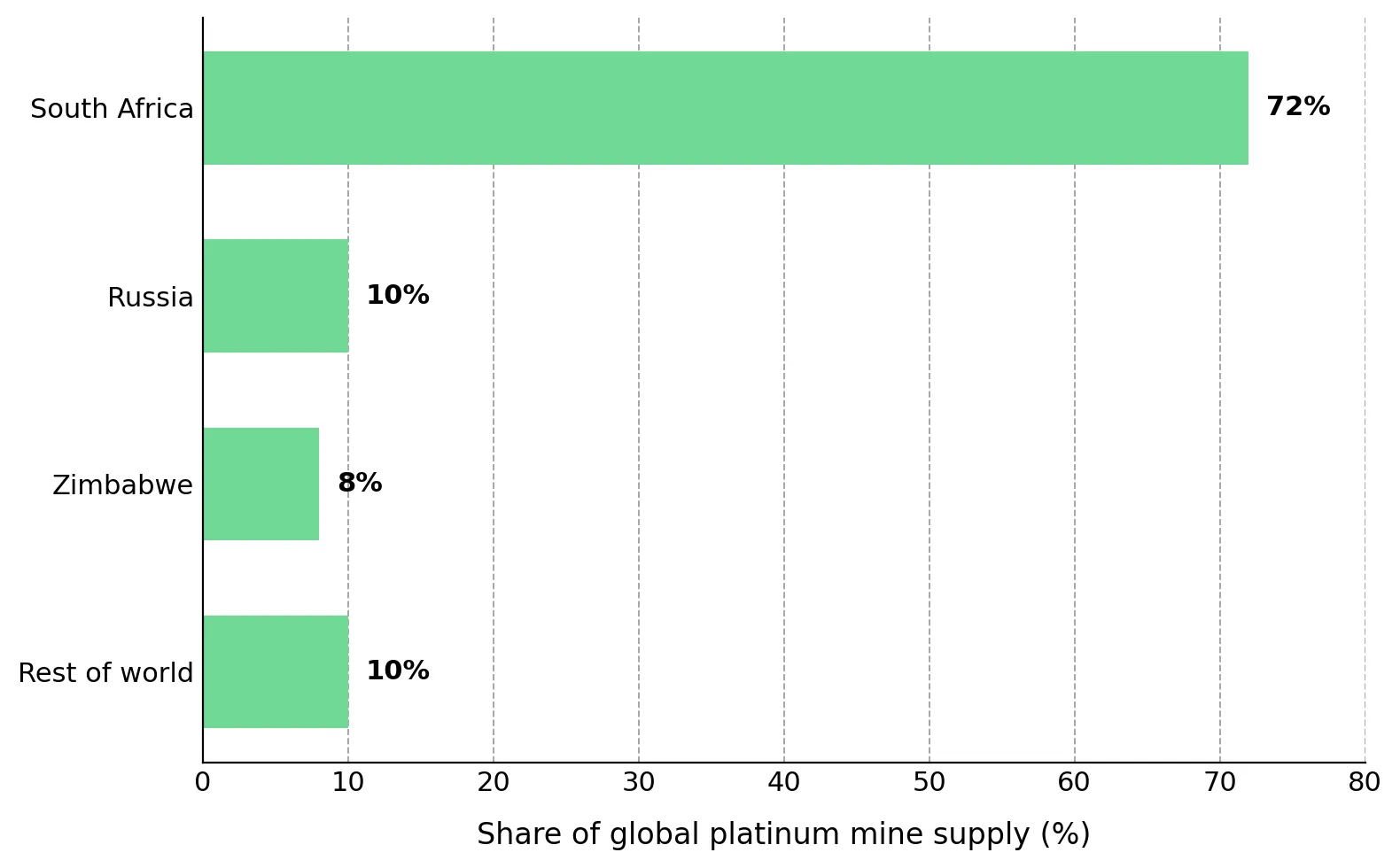
- Primary PGM supply has shown limited responsiveness to higher prices. South Africa, Russia, and Zimbabwe account for close to 90% of primary PGM output, and a doubling of the platinum price has not brought significant new supply to market.
- As supply remains concentrated, investors may assign higher valuations to PGM companies with exposure to lower-risk jurisdictions and secure supply chains.
- Investors must choose between cash-generative producers with disclosed costs and exploration-stage companies, where the potential upside is accompanied by a substantial risk of capital loss.
US Trade Policy Uncertainty Reshapes PGM Market Pricing & Trade Flows
In 2026, US trade policy may have a greater influence on PGM markets than individual mine developments. The key catalyst is a US trade-policy decision that remains pending. The US is heavily import-dependent for platinum group metals, with South Africa its single largest source at roughly 16% of supply, mainly the platinum, rhodium, and palladium used in vehicle catalytic converters. On 14 January 2026, Proclamation 11001 declined to impose an immediate tariff on processed critical minerals, but directed the Commerce Department and the US Trade Representative to negotiate with trading partners and to report back within 180 days, by 13 July 2026. The proclamation explicitly reserved the right to act later, including through minimum import prices.
Tariff Uncertainty Redirects PGM Inventories & Trade Flows
Tariff risk, rather than a tariff itself, has already encouraged end users and traders to move metal into US warehouses ahead of any ruling, increasing domestic inventories and reducing physical availability elsewhere. In April 2026 the US set a final anti-dumping duty on Russian palladium of 132.83%, which takes effect only if the International Trade Commission finds domestic harm. Because Russia supplies roughly 40% of global palladium, an affirmative finding could disrupt supply and increase palladium price volatility.
Trade barriers could keep onshored metal in the US and reduce availability elsewhere, while a negotiated outcome could release those inventories back into global markets. As a result, jurisdiction and market access may have a greater influence on PGM asset valuations.
Structural Platinum Deficit Persists as Higher Prices Fail to Unlock New Supply
While trade policy may drive near-term price movements, the platinum market remains in deficit. The WPIC Q1 2026 Platinum Quarterly, published on 18 May, recorded a quarterly surplus of 268,000 ounces, despite maintaining its forecast for a 297,000-ounce platinum deficit in 2026. The quarterly surplus reflects the timing of investment flows rather than a change in underlying supply and demand. A deficit means consumption plus net investment exceeds primary mine supply and recycling combined, leaving the market undersupplied on a full-year basis.
Higher Platinum Prices Fail to Reverse Declining Mine Supply
Higher platinum prices have not led to significant new supply. South African primary platinum output has fallen by roughly a quarter since the mid-2000s, even across multiple price cycles, while Eskom electricity tariffs for mining operations rose about 60% between 2021 and 2026. South Africa's platinum mines are aging, deep-level, and power-intensive, so higher prices improve margins without materially increasing output. All-in sustaining cost (AISC), which includes operating and sustaining capital costs, has risen with energy and labour expenses, improving cash flow for existing producers but doing little to justify investment in new shafts.
Nick Smart, Chief Executive Officer of ValOre Metals, describes how platinum mine supply has continued to decline despite significantly higher prices, highlighting the market's persistent supply inelasticity:
"The primary mine production of platinum has been in decline in the last five years. 2021 it peaked at just over 6 million ounces, the forecast for this year is around five and a half million ounces, and that is in the context of a metal price which has doubled over the course of the last year."
The same constraint extends to Russia, where producer Nornickel has guided 2026 platinum output roughly 8% lower at around 616,000 ounces and palladium down by as much as 11%, citing declining ore grades rather than any price signal.
Declining Platinum Inventories Increase Exposure to Supply Disruptions
The platinum deficit is reducing above-ground inventories, which are projected to fall to just under three months of global demand. Inventory levels below roughly four months of demand cover can make platinum prices more sensitive to supply disruptions than to normal demand fluctuations. With inventories low and supply slow to respond, disruptions to power, logistics, or trade can have an outsized effect on platinum prices.
Real Yields Remain the Primary Driver of Near-Term Platinum Prices
Investors must weigh long-term supply constraints against near-term demand risks. Platinum demand comes from both industrial and investment markets, which respond to different economic drivers. Battery-electric vehicle adoption is reducing autocatalyst demand, but Chinese jewellery demand, industrial applications in chemicals and glass, and a WPIC-forecast 35% increase in bar-and-coin investment demand in 2026 are offsetting part of that decline. Platinum's lower price relative to gold is supporting investment demand.
Federal Reserve Policy Remains the Key Driver of Near-Term Platinum Prices
Investment flows remain a key driver of platinum prices and are influenced by real yields. Because platinum pays no income, it competes directly with cash and bonds, so changes in the expected path of Federal Reserve policy move the metal. With the benchmark rate held at 3.5% to 3.75% and the next decision due on 17 to 18 June, expectations for fewer rate cuts pushed platinum from above $2,200 per ounce to about $1,922 per ounce over several trading sessions, even as the market remained in deficit. The World Bank reported a first-quarter 2026 average platinum price of about $2,206 per ounce, indicating that prices remained elevated despite recent volatility. Investment-flow reversals can drive sharp drawdowns even when market fundamentals remain unchanged, and leverage or concentration in a single stock can amplify those losses.
Supply Security Becomes a Key Valuation Driver Across the PGM Risk Curve
Current PGM market conditions are influencing how investors allocate capital across the sector. In a market where roughly 90% of supply comes from three countries and demand exceeds supply, investors may assign higher valuations to assets in lower-risk jurisdictions with secure supply chains. The valuation impact differs across producers, developers, and explorers, making stage-specific risk assessment important.
Stage-Specific Valuation Frameworks Drive PGM Asset Assessment
Investors use different valuation metrics for producers, developers, and explorers. Producers are judged on AISC, EBITDA, and free cash flow because they generate revenue and operating cash flow. Developers are judged on NPV, IRR, and permitting timelines because project economics and execution determine future value. Explorers are judged on enterprise value per ounce (EV/oz), drill-defined grade, and resource confidence, which progresses from inferred to indicated, measured, and ultimately reserve status. Applying a producer's AISC test to an explorer is a category error, because the explorer has no production and no economic study to test against.
Exploration-Stage PGM Valuation Dynamics
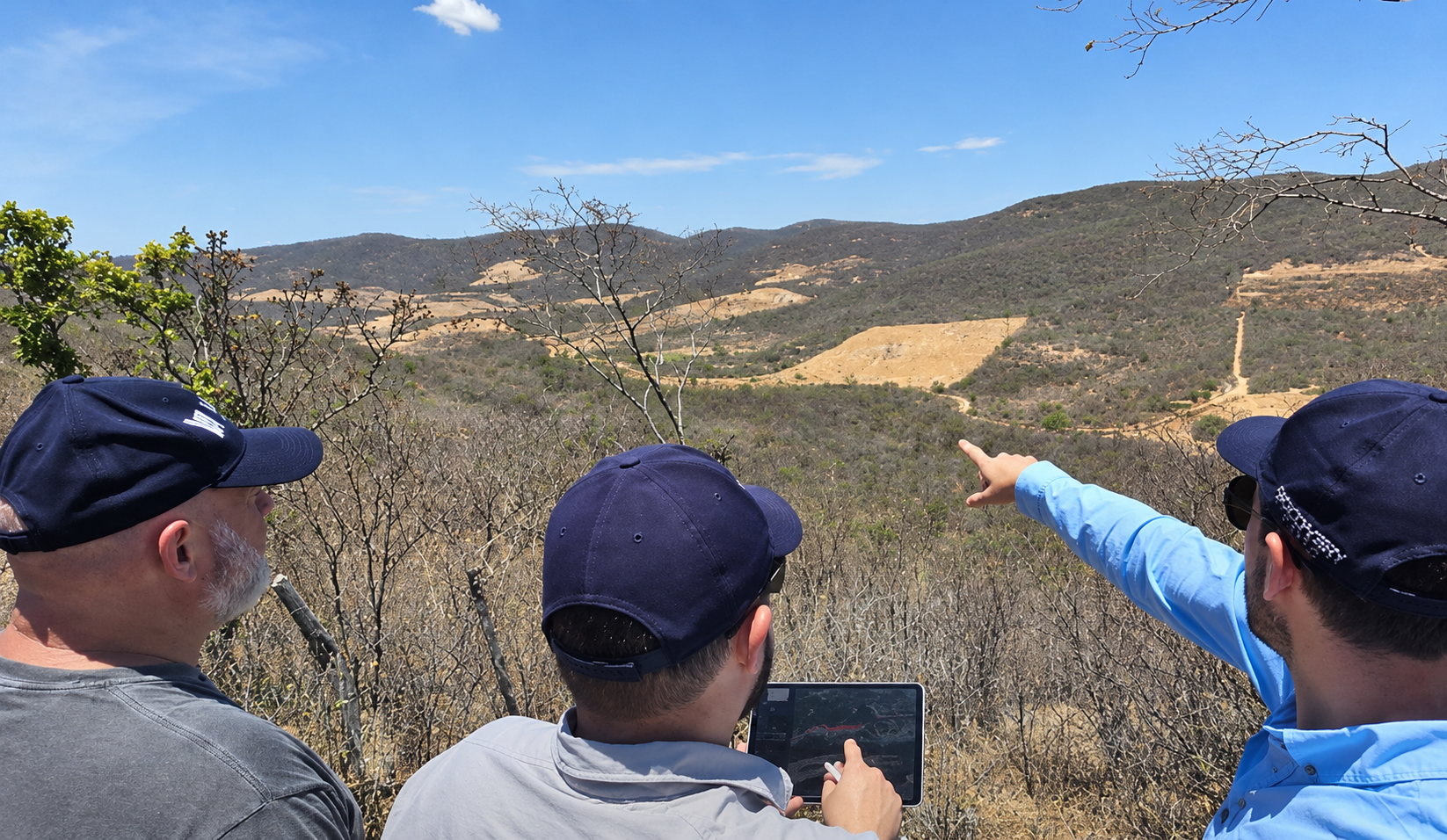
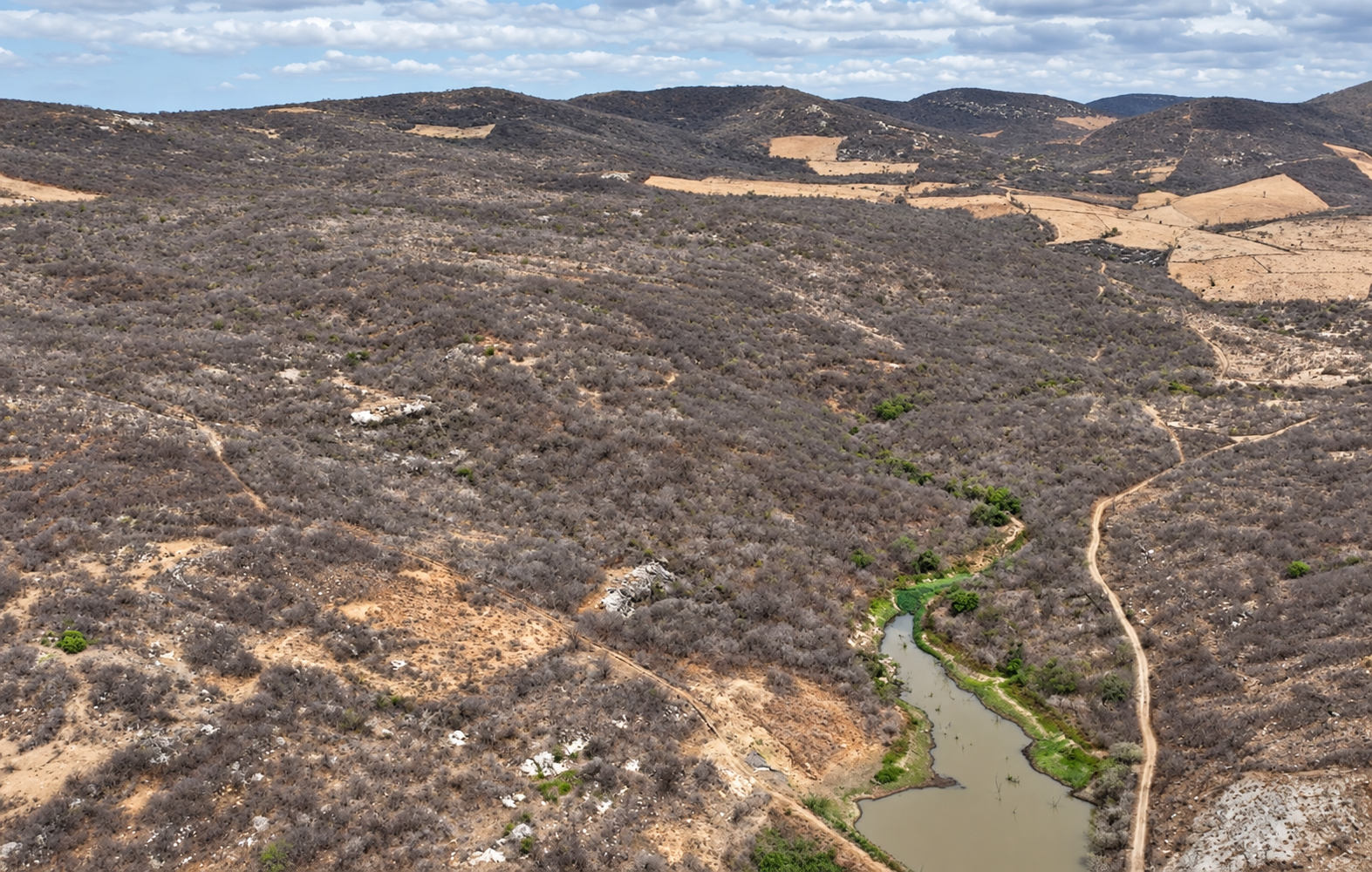
ValOre Metals is an example of an early-stage PGM explorer operating in Brazil. It is now a pure-play PGM explorer focused entirely on its Pedra Branca project in northeast Brazil, having divested its Saskatchewan uranium interest into Future Fuels. At this phase there is no disclosed AISC, NPV, or reserve. The asset hosts a 2.2-million-ounce inferred resource published in 2022, and the key catalyst is a preliminary economic assessment (PEA) targeted for this year, which would provide the first economic evaluation of the project. Using market capitalization as a proxy for enterprise value, ValOre was valued at about $26 million, compared with roughly $100 million to $200 million for development-stage PGM peers with comparable resource sizes. The valuation gap reflects ValOre's inferred resource classification and the absence of an economic study.
Metallurgical performance is a key determinant of Pedra Branca's economics. The near-surface oxide deposit may support lower-cost open-pit mining, but oxide ore generally responds poorly to conventional flotation and may require leaching. Early test work indicates recoveries in the low 70% range, making recovery rates a key variable for the upcoming PEA.
The project's upside must be weighed against the risks associated with the exploration stage. Exploration companies are typically pre-revenue, illiquid, and dependent on external financing, which can result in shareholder dilution. An inferred resource may not convert to higher-confidence categories, and a PEA is a preliminary study subject to significant uncertainty. Project timelines also depend on permitting, and many exploration projects do not reach production.
The Investment Thesis for Platinum Group Metals
- Exposure to a WPIC-forecast platinum deficit of roughly 297,000 ounces in 2026, the fourth consecutive annual shortfall, which may support prices and benefit producers with disclosed margins.
- Exposure to a PGM supply chain where roughly 90% of production comes from three countries, which may support higher valuations for assets in alternative jurisdictions.
- Exposure to potential trade-policy changes, including the US Section 232 process and Russian palladium duties, which could disrupt physical markets and increase the strategic value of non-Russian, non-South African supply.
- Exposure to a platinum market where a doubling of the price has improved producer cash flow without generating significant new supply, supporting continued deficits and the need for new resource development.
- Investors should apply stage-specific valuation frameworks, focusing on cost curves and scenario analysis for developers and on enterprise value per ounce and resource confidence for explorers.
The investment thesis depends on several assumptions that could prove incorrect. The thesis would weaken if a trade agreement released US warehouse inventories back into global markets, if supply recovered faster than expected in South Africa or Russia, if higher interest rates reduced investment demand, or if battery-electric vehicle adoption reduced autocatalyst demand faster than jewellery, industrial, and investment demand could offset. Any of these outcomes could reduce the supply-demand tightness supporting current platinum prices and valuations.
The key PGM question in 2026 is whether supply can respond to rising demand and policy-driven disruptions. In a concentrated market with recurring deficits, jurisdiction, supply security, and future development potential may have a greater influence on valuations than resource size alone. Supportive market conditions do not eliminate company-specific or stage-specific risks, making disciplined due diligence essential.
TL;DR
The platinum market remains structurally undersupplied, with the World Platinum Investment Council forecasting a fourth consecutive annual deficit in 2026 while above-ground inventories continue to decline. At the same time, ongoing US trade-policy uncertainty and the concentration of nearly 90% of global PGM production in South Africa, Russia, and Zimbabwe are elevating the strategic importance of supply security. Investors are increasingly evaluating PGM companies based on jurisdictional risk, supply-chain resilience, and development potential, while applying different valuation frameworks to producers, developers, and explorers.
FAQs (AI-generated)
Analyst's Notes





Subscribe to Our Channel


.png)



.jpg)


Stay Informed


