Management Track Record: What enCore Energy’s Team Has Actually Proven



enCore Energy's management delivered $1.8B exit, operates dual Texas processing plants, and scales US uranium production with proven ISR expertise and FAST-41 approval.
- Executive Chairman William Sheriff co-founded Energy Metals Corp, which was acquired in 2007 for $1.8 billion, representing completed full-cycle execution from exploration through monetization.
- enCore operates two Central Processing Plants in Texas (Alta Mesa and Rosita), making it the only US uranium company with multi-plant production.
- Q3 2025 extraction reached 227,070 pounds, up 11.4% quarter-over-quarter. The Dewey Burdock project in South Dakota received FAST-41 designation in September 2025, establishing a coordinated federal permitting timeline with the NRC serving as lead agency.
- A $115 million convertible note with a 5.5% coupon maturing in August 2030 provides capital for production expansion and potential acquisitions without immediate equity issuance.
How Management Execution Can Become a Differentiating Risk Factor in Uranium
Uranium investment historically centered on price leverage and resource scale. This cycle has introduced a different filter: delivery certainty. Utilities require reliable domestic supply with contracted volumes and predictable timelines. Investors require evidence that management can navigate permitting, control costs, and scale production without dilution. The result is a bifurcation in valuations between teams with demonstrated ISR execution and those relying on resource updates alone.
Prior uranium cycles featured significant project slippage due to permitting delays, cost overruns, and financing gaps eroding returns even as uranium prices rose. The companies that preserved shareholder value were those that either exited assets at the right time or executed production ramp-ups ahead of peers.
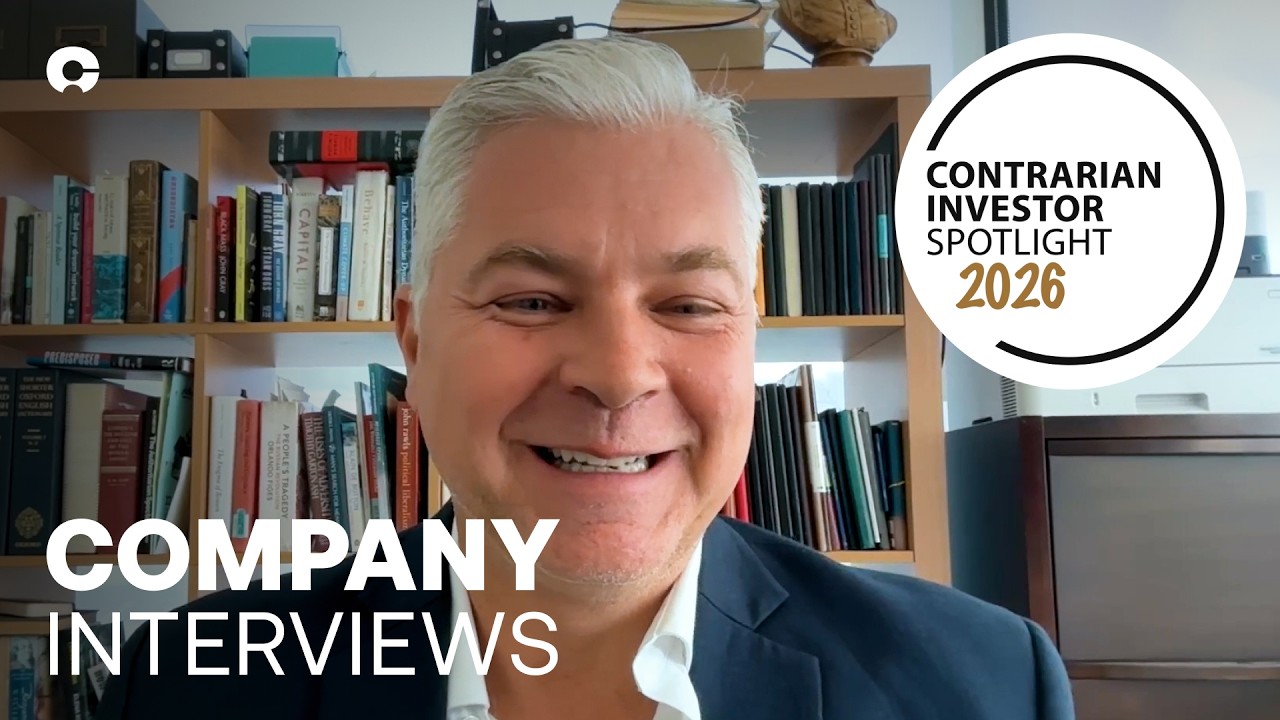
William Sheriff, Executive Chairman of enCore Energy, addresses the market reality:
"There aren't too many producers. In fact, there's a real shortage of them… In the last year or two, we've seen a lot of hurdles to that production. It's a lot easier to talk about than to actually do."
The US Context: Permitting, Timelines & Capital Discipline
The United States presents unique operational challenges for uranium development. ISR projects require federal, state, and local approvals across multiple regulatory bodies, including the Nuclear Regulatory Commission (NRC), the Environmental Protection Agency (EPA), and state environmental agencies. Permitting timelines are measured in years, and delays are common.
Projects with inferred resources and incomplete permitting carry execution risk that discounts valuations regardless of uranium price assumptions. Conversely, management teams with demonstrated US ISR permitting success reduce this discount, providing greater confidence in development schedules and capital efficiency.
enCore's Executive Chairman William Sheriff addresses the company's regulatory positioning and the importance of established relationships with state agencies. The company's track record in Texas provides regulators with confidence in counterparty reliability and the ability to deliver on operational timelines.
A Verifiable Track Record of Shareholder Value Creation
enCore's management team includes executives who navigated prior uranium cycles. William Sheriff co-founded Energy Metals Corp, which was acquired in 2007 for $1.8 billion. This transaction represents completed full-cycle execution, from exploration and permitting through production and eventual monetization.
The distinction matters because theoretical builders differ from excited operators in their approach to capital allocation, project sequencing, and balance-sheet management. Teams that have completed M&A transactions understand valuation compression during market downturns and the importance of maintaining optionality.
Capital Markets Execution & Dilution Management
enCore completed a $115 million convertible note offering in 2025, upsized from an initial $75 million, with a 5.5 percent coupon maturing in August 2030. The structure, convertible, unsecured, and payable in cash or stock, allows the company to fund production expansion and potential acquisitions while retaining balance-sheet flexibility.
enCore has rationalized non-core assets and prioritized projects with near-term production potential. This approach reduces pre-production capital intensity and preserves Enterprise Value (EV) per pound metrics. The implication is lower dilution risk during production scale-up and greater per-share NAV preservation.
Technical Authority as a De-Risking Mechanism, Not a Marketing Claim
In-Situ Recovery involves injecting a lixiviant solution into uranium-bearing sandstone aquifers, dissolving the uranium, and pumping the pregnant solution to surface processing plants. ISR avoids conventional mining's capital intensity, waste rock handling, and tailings management. Cost profiles for ISR operations are typically lower than conventional mining due to reduced infrastructure requirements and operational flexibility.
When Technical Expertise Translates to Operating Margins
enCore's technical team includes individuals with decades of ISR field development experience. Dr. Dennis Stover, the company's Chief Technical Officer, is a co-inventor of ISR technology and previously held leadership roles at Energy Metals Corp and Uranium One. Wayne Heili, recently appointed to the Board of Directors, brings ISR operational experience from Ur-Energy and Peninsula Energy's Lance Project in Wyoming. Mark Pelizza, the company's Vice President of Operations, has extensive ISR experience from Uranium Resources Inc. in Texas.
This expertise manifests in wellfield optimization and cost control. The company reduced well installation times from over seven days to approximately 1.3 days, a metric that directly impacts production ramp-up speed and capital efficiency.
The appointment of Ashley Forbes as Vice President of Permitting and Regulatory Affairs in October 2025 further strengthens the company's regulatory capabilities. Forbes previously served as Deputy Director of the Texas Commission on Environmental Quality's (TCEQ) Radioactive Materials Division, where she directed licensing of ISR operations in Texas.
Scaling uranium production requires not only capital but experienced personnel capable of replicating operational success across multiple sites. William Sheriff identifies this as a core competitive factor:
"I've always said that our biggest assets are people, our bench strength. We're probably the only team out there that can go and open up another duplicate operation and staff it with talented people that have had experience in the industry."
Operational Proof: From Developer to Multi-Asset Producer
enCore is the only United States uranium company with multiple Central Processing Plants in operation. The company operates the Alta Mesa ISR Uranium Central Processing Plant and the Rosita ISR Uranium Central Processing Plant, both in Texas. Multi-plant operations reduce single-asset risk by providing production optionality if one facility encounters operational or regulatory challenges.
If permitting delays, wellfield underperformance, or equipment failures occur at their sole facility, production and revenue are directly impacted. enCore's multi-plant structure provides downside protection and operational flexibility.
Production Ramp-Up, Cost Control & Asset Utilization
enCore commenced operations at the Alta Mesa Central Processing Plant in the second quarter of 2024 and has since demonstrated sequential production growth. For the third quarter of 2025 ended September 30, extraction totaled 227,070 pounds, representing an 11.4 percent increase from the previous quarter. Daily production rates increased from 1,942 pounds per day in April 2025 to 2,678 pounds per day in June 2025.
The company expanded drilling capacity to support this production scaling. As of the quarter ending September 30, 2025, enCore operated 24 drill rigs across South Texas operations. This operational scaling demonstrates the company's ability to deploy capital into production-enhancing activities while maintaining cost discipline.
Cost control remains a priority. The weighted average cost of uranium oxide sold declined to $53.71 per pound for the nine months ended September 30, 2025, compared to $97.91 per pound during the same period in 2024.
Beyond daily production figures, the rate at which a wellfield reaches its recovery potential determines capital efficiency and return timelines. William Sheriff explains the company's operational approach:
"We prefer to look at it in terms of a recovery curve. We're recovering the field's potential in a much quicker time, which is positive in that it accelerates your cash flow."
What Multi-Asset Execution Signals to Investors
Multi-plant production shifts investor evaluation from resource optionality to execution credibility. enCore's operational proof reduces the discount typically applied to development-stage uranium companies and positions the company for valuation re-rating as production milestones are met.
Regulatory Navigation as a Competitive Advantage
US uranium permitting involves overlapping federal and state jurisdictions with distinct timelines and requirements. The NRC oversees radioactive materials handling, while the EPA regulates water quality under the Underground Injection Control (UIC) program. State agencies add additional environmental and operational approvals. Timeline risk erodes project valuations. Each year of delay increases pre-production holding costs, potentially requiring additional equity raises that dilute existing shareholders.
FAST-41 & Institutional Signal Value
enCore's Dewey Burdock In-Situ Recovery Uranium Project in South Dakota was approved for inclusion in the FAST-41 Program on September 2, 2025. FAST-41 is a federal program that establishes a coordinated permitting timeline and increased agency coordination. While FAST-41 does not guarantee approval, it reduces regulatory uncertainty by providing a transparent schedule and accountability framework. The NRC will serve as the lead agency for federal permitting.
Federal permitting timelines have historically been a source of uncertainty for US uranium development projects. William Sheriff explains what the FAST-41 designation means for project scheduling:
"It gives you a much more certain and much more acceptable timeline to get through all of your filing. It puts a burden on the company to meet their timelines because it's completely transparent. It's good pressure, it's incentivized pressure, and you cut your timelines dramatically."
The designation allows investors to model development timelines with greater confidence, reducing the discount applied to pre-production assets. FAST-41 inclusion signals that federal agencies view the project as nationally significant and are committed to timely review.
Managing Across Jurisdictions
enCore operates in Texas and is advancing the Dewey Burdock project in South Dakota, requiring expertise in both state-specific and federal regulatory frameworks. Texas has established ISR precedents and relatively predictable review processes. The company's internal regulatory expertise, strengthened by the addition of Ashley Forbes from TCEQ, allows it to navigate these differences.
Commercial Strategy, Pricing Exposure & Balance Sheet Management
enCore maintains lower long-term contract commitments compared to heavily contracted peers, retaining greater exposure to spot and near-term uranium pricing. In a rising price environment, minimal contracting allows the company to capture higher realized prices on incremental production. The trade-off is between revenue certainty and EBITDA sensitivity to uranium price movements.
Liquidity, Working Capital & Execution Optionality
The company's $115 million convertible note financing provides liquidity to fund production expansion, exploration drilling, and potential acquisitions without immediate equity issuance. The balance sheet structure allows enCore to pursue opportunistic M&A if attractive assets become available, a relevant consideration given the fragmented US uranium sector.
The Investment Thesis for enCore Energy
- Teams with demonstrated ISR production, permitting success, and balance-sheet discipline reduce downside risk and provide credible pathways to scaled production. enCore's multi-plant operations, regulatory progress, and capital markets access position the company to benefit from sustained supply deficits.
- US utilities prioritize domestic or allied supply sources, creating strategic value for producers with operational assets in stable jurisdictions. Multi-plant production provides enCore with optionality unavailable to single-asset peers.
- ISR-driven cost profiles allow the company to maintain positive cash flow even during periods of price volatility. Operating leverage from increased production enhances margin expansion as throughput scales.
- enCore's contracting strategy, balance-sheet management, and asset rationalization reflect a deliberate approach to capital allocation. The company's financing structure provides growth capital without immediate equity dilution.
- Valuation discounts tied to delivery risk compress when management demonstrates operational competence. enCore's production ramp-up, FAST-41 approval for Dewey Burdock, and multi-plant operations provide evidence that reduces the execution risk premium.
Uranium equity valuations increasingly reflect operational delivery rather than resource scale or commodity price assumptions alone. Investors evaluate management teams on evidence of permitting success, production consistency, and capital discipline.
enCore's management team includes executives from Energy Metals Corp, which was acquired in 2008 for $1.8 billion. The company has demonstrated sequential quarterly production growth and completed a $115 million convertible note financing in 2025.
The US uranium supply deficit remains a structural factor. enCore operates as the only US uranium company with multiple Central Processing Plants in production. The Dewey Burdock project received FAST-41 designation in September 2025. These operational and regulatory milestones represent measurable progress against the execution risks that affect uranium developer valuations.
TL;DR
enCore Energy distinguishes itself through proven management execution in US uranium production. Executive Chairman William Sheriff co-founded Energy Metals Corp, acquired for $1.8 billion in 2007. enCore operates two Central Processing Plants in Texas—the only US uranium company with multi-plant production. Q3 2025 extraction reached 227,070 pounds, up 11.4% quarter-over-quarter, while costs declined to $53.71 per pound. The Dewey Burdock project secured FAST-41 federal permitting designation in September 2025. With deep ISR technical expertise, regulatory navigation capabilities, and a $115 million convertible note providing growth capital, enCore reduces execution risk that typically discounts uranium developer valuations.
FAQs (AI-Generated)
enCore's Executive Chairman William Sheriff co-founded Energy Metals Corp, which was acquired in 2007 for $1.8 billion, demonstrating full-cycle execution from exploration through monetization. The technical team includes Dr. Dennis Stover (co-inventor of ISR technology), Wayne Heili (ISR operational experience from Ur-Energy and Peninsula Energy), and Ashley Forbes (former Deputy Director of Texas Commission on Environmental Quality's Radioactive Materials Division). This combination of M&A track record and decades of hands-on ISR experience differentiates enCore from teams relying solely on resource updates.
enCore is the only United States uranium company with multiple Central Processing Plants in operation—the Alta Mesa and Rosita facilities in Texas. This multi-plant structure provides production optionality and downside protection if one facility encounters operational or regulatory challenges. Single-asset producers face direct revenue impact from permitting delays, wellfield underperformance, or equipment failures at their sole facility, while enCore maintains operational flexibility across two producing assets.
FAST-41 is a federal program establishing coordinated permitting timelines and increased agency coordination for infrastructure projects. enCore's Dewey Burdock project in South Dakota received FAST-41 approval in September 2025, with the NRC serving as lead agency. While it doesn't guarantee approval, FAST-41 reduces regulatory uncertainty by providing transparent schedules and accountability frameworks. This allows investors to model development timelines with greater confidence, reducing the valuation discount typically applied to pre-production assets with uncertain permitting paths.
For Q3 2025 (ended September 30), enCore extracted 227,070 pounds of uranium, representing 11.4% quarter-over-quarter growth. Daily production rates increased from 1,942 pounds per day in April 2025 to 2,678 pounds per day in June 2025. The weighted average cost of uranium oxide sold declined to $53.71 per pound for the nine months ended September 30, 2025, compared to $97.91 per pound during the same period in 2024. The company also reduced well installation times from over seven days to approximately 1.3 days, directly impacting capital efficiency.
enCore completed a $115 million convertible note offering in 2025 (upsized from $75 million) with a 5.5% coupon maturing in August 2030. The structure—convertible, unsecured, and payable in cash or stock—allows the company to fund production expansion and potential acquisitions while retaining balance-sheet flexibility. This financing approach provides growth capital without immediate equity issuance, reducing near-term dilution risk during production scale-up and preserving per-share NAV for existing shareholders.
Analyst's Notes





Subscribe to Our Channel





.png)


Stay Informed