




Outside South Africa, the Hard Part Is No Longer the Geology


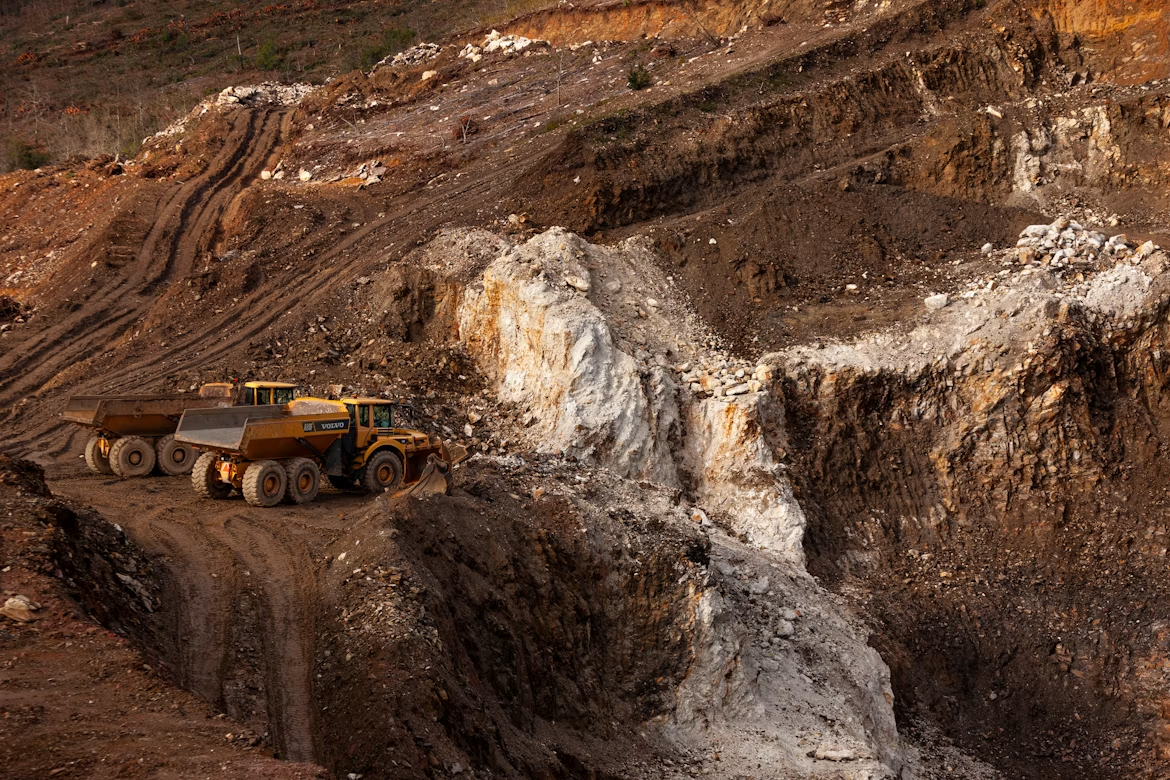
The PGE projects advancing toward new supply carry defined resources and published study timelines, and a licensing step with no published approval timeline.
- Around 90% of the world's platinum-group element (PGE) reserves sit in South Africa, and several major platinum operations have closed or been suspended since 2016.
- Platinum and palladium have run a multi-year deficit of 500,000 to 700,000 ounces, with above-ground stocks cut by 42%.
- New PGE projects are being advanced in Montana, Ontario, two Brazilian states, South Africa, and Western Australia, at stages ranging from a resource estimate to a definitive feasibility study (DFS).
- Pedra Branca in Ceará State is targeting a preliminary economic assessment (PEA) in the fourth quarter of 2026, with licensing and an environmental impact assessment (EIA) in the first quarter of 2027.
- ValOre publishes a first-quarter 2027 licensing target but names no permitting body, no statutory sequence, and no approval timeline behind it.
The platinum and palladium markets have been short of metal for several years. The deficit is not a forecast waiting to be tested. It has run long enough to draw down the inventory that covered it, and the producing base that would normally close it has been shrinking rather than growing.
That combination has pushed attention toward the small number of undeveloped platinum-group element (PGE) deposits outside the traditional supply base. The geological argument for those deposits is largely settled. They exist, they have been drilled, and several carry defined resources measured in millions of ounces.
Less settled is what happens after the drilling stops. A defined resource is not produced metal, and the distance between the two is covered by engineering studies, by capital, and then by a regulatory approval that neither of those buys.
Where Platinum & Palladium Supply Originates
Around 90% of the world's PGE reserves are located in South Africa. That is a reserve position rather than a production forecast, and it sets the starting point for any assessment of where additional metal could come from. Since 2016, several major platinum operations have closed or been suspended, so the base supplying the market has contracted even as concentration has held.
Platinum and palladium have been running a multi-year deficit of 500,000 to 700,000 ounces. Consecutive deficits have cut above-ground stocks by 42%, leaving less than five months of coverage. Inventory that thin stops working as a buffer. Platinum deficits are forecast through 2029, while palladium returns to surplus from 2027.
Demand has not narrowed while supply contracted. Automotive use accounts for around 40% of total platinum demand and around 80% of all palladium and rhodium demand. Each hybrid vehicle uses 10% to 20% more PGEs than an internal combustion engine vehicle, and hybrids are the fastest-growing category in 2025 new vehicle sales. Jewellery accounts for around 70 million ounces of gold demand a year, compared with around 2 million ounces of platinum, leaving platinum exposed to small shifts in a far larger market. Physical platinum bar and coin demand in China grew from nearly zero in 2019 to over 400,000 ounces in 2025.
PGE Development Outside Southern Africa
The projects advancing toward new platinum and palladium supply are located in Montana, Ontario, two Brazilian states, Western Australia, and South Africa itself. They are few and not interchangeable. Each carries a different resource size, grade, and stage of study.
Stillwater Critical Minerals holds the Stillwater West Project in Montana, with 2.0 million ounces of palladium and 1.3 million ounces of platinum across 254 million tonnes of inferred resource, grading 0.25 grams per tonne (g/t) palladium and 0.15 g/t platinum. Bravo Mining holds the Luanga Project in Pará State, Brazil, with 10.4 million ounces of palladium equivalent in measured and indicated resource across 158 million tonnes, and a further 5.0 million ounces across 58 million tonnes of inferred resource, grading 2.01 to 2.04 g/t.
Two of the group carry reserves rather than resources, and they sit on opposite sides of the jurisdictional question. Platinum Group Metals holds the Waterberg Project in South Africa as a joint venture, with 23.4 million ounces of combined palladium, platinum, gold, and rhodium across 246 million tonnes of proven and probable reserves grading 2.96 g/t. Generation Mining holds the Marathon Project in Ontario, with 2.6 million ounces of palladium and 0.8 million ounces of platinum across 128 million tonnes of proven and probable reserves, grading 0.64 g/t palladium and 0.20 g/t platinum.
Constraints on Bringing New PGE Supply Forward
Stage, not resource size, is what separates these projects from one another. Waterberg completed a definitive feasibility study (DFS) in 2024, and Marathon completed a feasibility study in 2025. Luanga reached a preliminary economic assessment (PEA) in 2025. Stillwater West's most recent step is a 2023 resource estimate.
Reserve categories mark the point at which a deposit has been tested against a mine plan and an economic case, and moving into them is an engineering and capital exercise. Studies are commissioned, test work is run, engineering firms are appointed, and the work proceeds at whatever pace the budget allows. That is the axis on which a developer can spend its way forward.
Approval does not sit on that axis. ValOre discloses delays in obtaining governmental approvals as a risk without attaching a timeline to it, which is the difference between a step a developer can schedule and one it can only wait for.
Development Sequence at Pedra Branca
ValOre Metals (TSX-V: VO | OTCQB: KVLQF | FRA: KEQ0) holds Pedra Branca in Ceará State, northeastern Brazil, on a 100% basis. The project carries an inferred resource of 2.2 million ounces of combined platinum, palladium, and gold in 63.3 million tonnes grading 1.08 g/t, released in 2022 across seven near-surface zones supported by more than 40,000 metres (m) of drilling. More than 6,000 m was drilled across five new exploration zones in 2023, and that drilling postdates the estimate rather than sitting inside it.
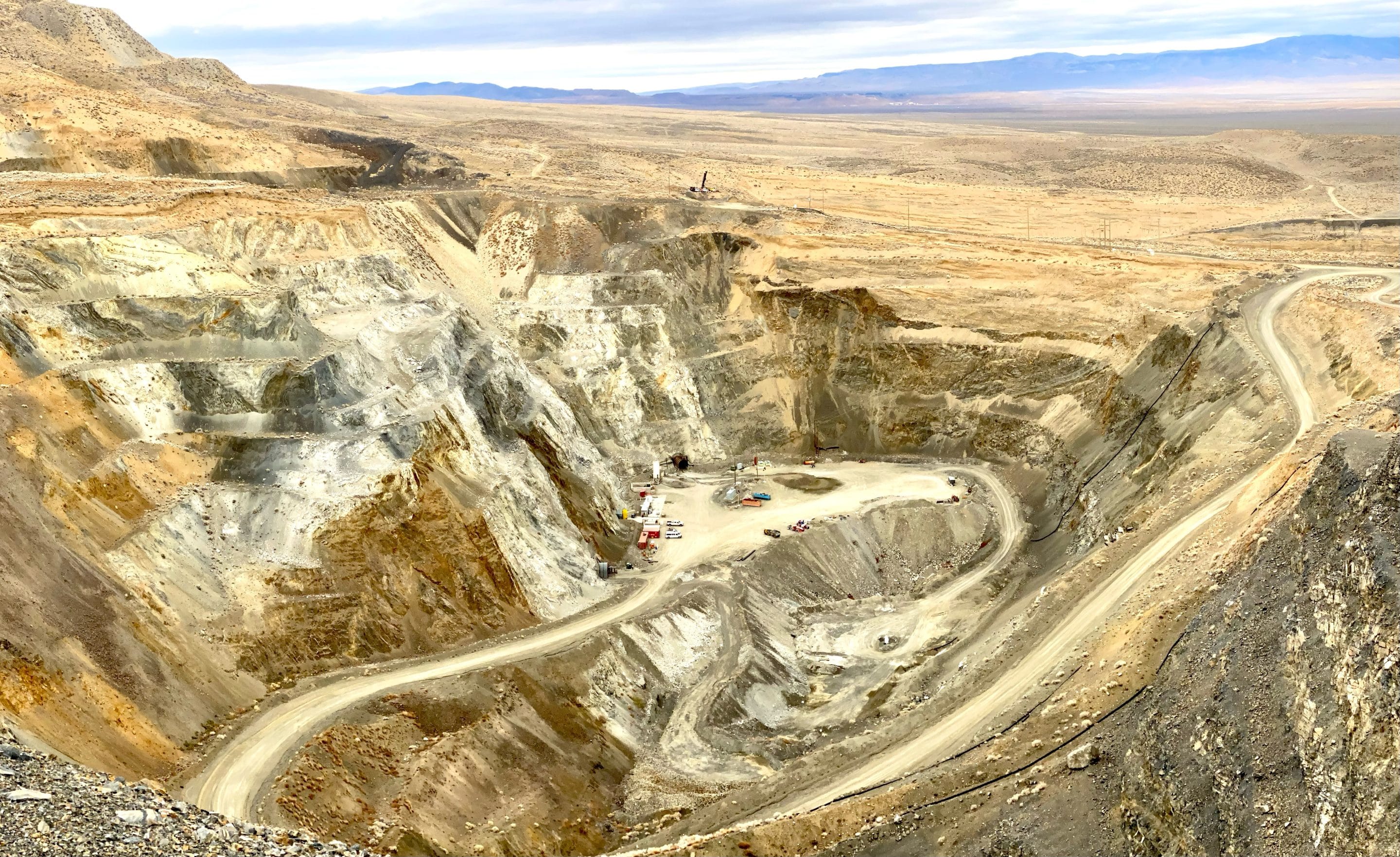
The engineering questions have largely been scoped: management says that mineralisation extends to the surface, that the mining method under consideration is open-cast, and that sulphides in the weathered zone are oxidised, which complicates the flotation route PGE ore bodies normally take and directs the flowsheet toward leaching. Testwork with the University of Cape Town, combined with a pre-treatment step, has produced extractions in the 70% range for palladium and platinum at the 1-litre shake-flask scale, at 73% and 74%, with stirred-tank reactors and column tests to simulate heap leaching still to come before a realistic view of total extraction is available. Management is targeting higher extractions as mixing improves at a larger scale. What remains beyond that is a defined sequence of dated deliverables: resource updates targeted for the third quarter of 2026, publication of the PEA for the fourth quarter of 2026, and licensing and an environmental impact assessment (EIA) for the first quarter of 2027, the last of those following the study rather than running alongside it.
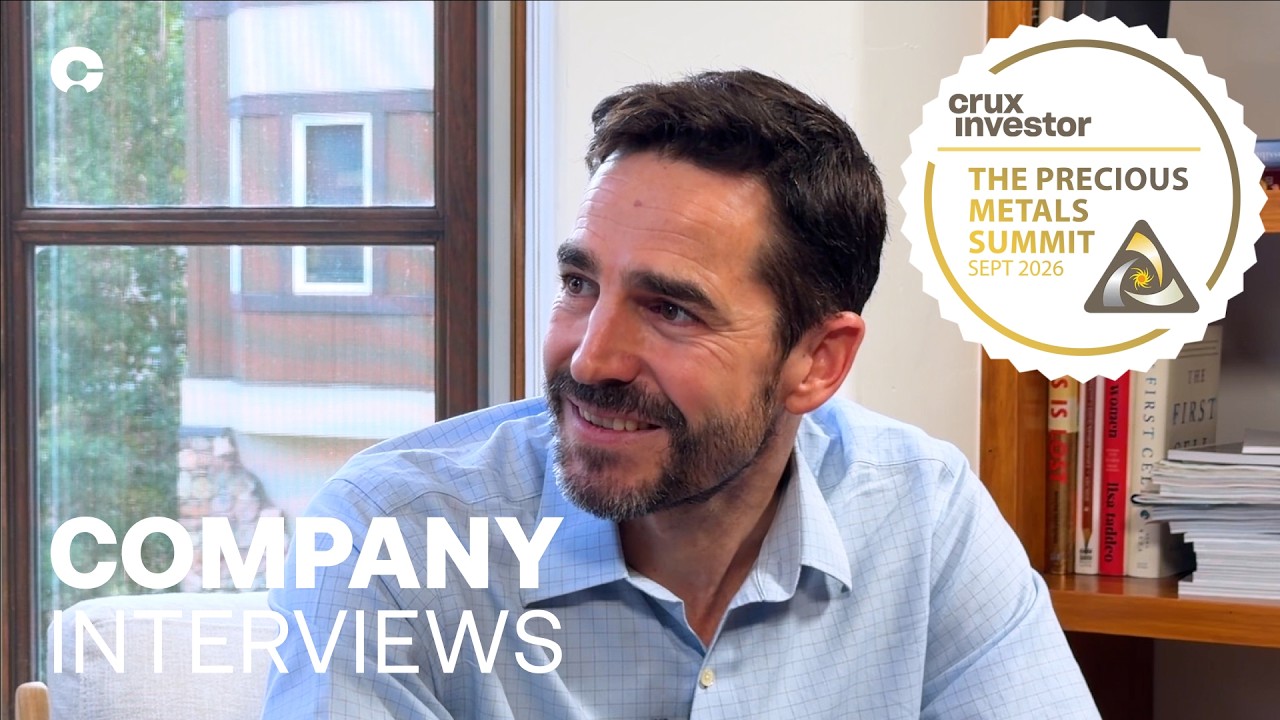
Chief Executive Officer of ValOre Metals, Nick Smart, is direct about where environmental work sits in the sequence:
"Your environmental impact is a big one, and your route towards licensing. All of that forms part of this early-stage demonstration of the feasibility of the project."
Folding environmental work into the feasibility demonstration changes what the study has to carry. It does not move the licence itself any earlier on the schedule.
Permitting & Jurisdiction in Brazil
Brazil's case as a development jurisdiction rests on three published points. It ranks among the top 10 gold producers globally, producing around $3.8 billion annually and growing to more than $6 billion by 2030. Brazil graduates more mining engineers annually than the United States and Canada combined. Stable regulatory frameworks support investment and streamline approvals.
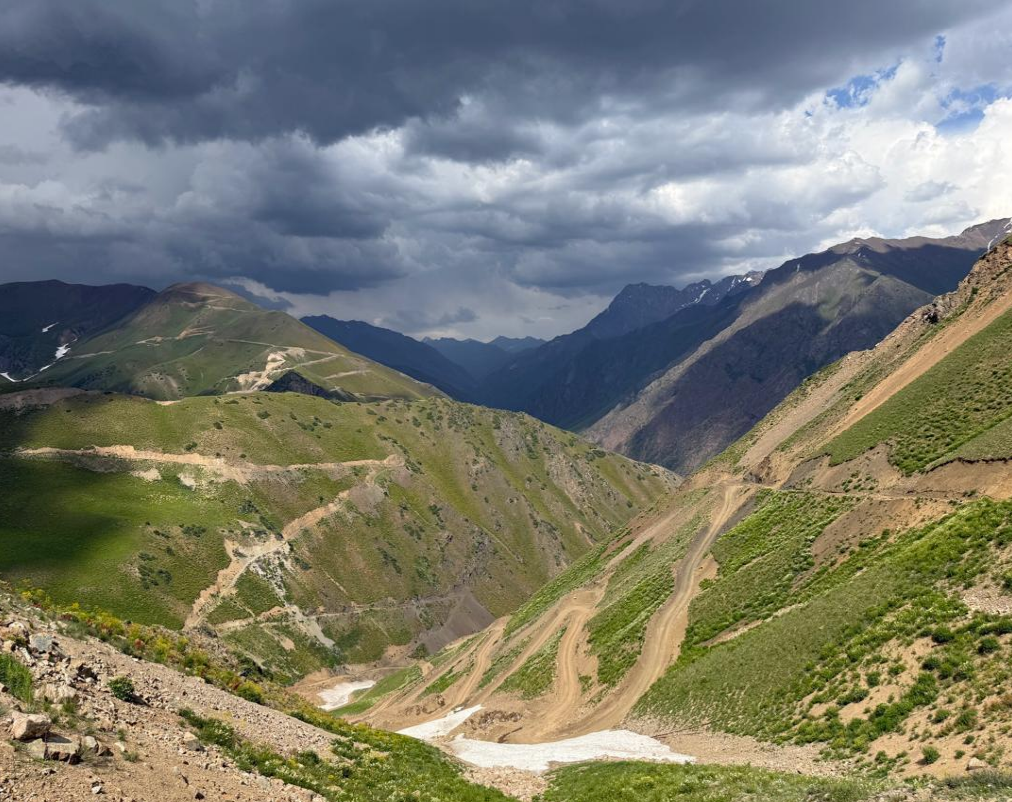
The third point is the one that the schedule depends on, and it is the one carrying no detail. No permitting body is named, no environmental assessment process is described, no statutory sequence is set out, and no approval timeline is given, leaving an outside reader with nothing to measure the first-quarter 2027 target against. What the project does carry at that level is people and access: an all-Brazilian exploration, permitting, development, and operational team, and operations run from Capitão Mor, a settlement of around 900 people, roughly four hours by paved highway from a deep-water port. Preliminary water and power supply studies are continuing, and management says the community around the project wants to see it built.
Smart frames the order plainly:
"With a PEA in hand, obviously, then we go into the licensing process and looking to fast-track that as much as we can within the Brazilian context as well."
Fast-tracking is an intention rather than a schedule, and it is qualified by what the Brazilian context allows. The pace of a licensing process is set by the process, not by the applicant.
Industry Outlook
The deficit arithmetic assumes that new supply will eventually arrive. The projects that would carry it have been drilled, studied, and in two cases carried through to reserves. A project can be fully funded, technically scoped, and still waiting.
Smart opens his list of project fundamentals this way:
"So what is your access to infrastructure? How remote is this? What are your chances of getting this licensed and approved? How does the technical side of this stack up? How difficult is your mining? How difficult is your processing?"
All but one of those are answered by a map, a budget, and a flowsheet. The question of getting the project licensed and approved is answered by a regulator, on a timeline no developer publishes, and that is the variable that will be set when the metal this market is short of actually reaches it.
FAQs (AI-Generated)
Analyst's Notes





Subscribe to Our Channel




Stay Informed


