




Mineros Steers 85 kilometers of Hemco Drilling With Ore-Origin Data


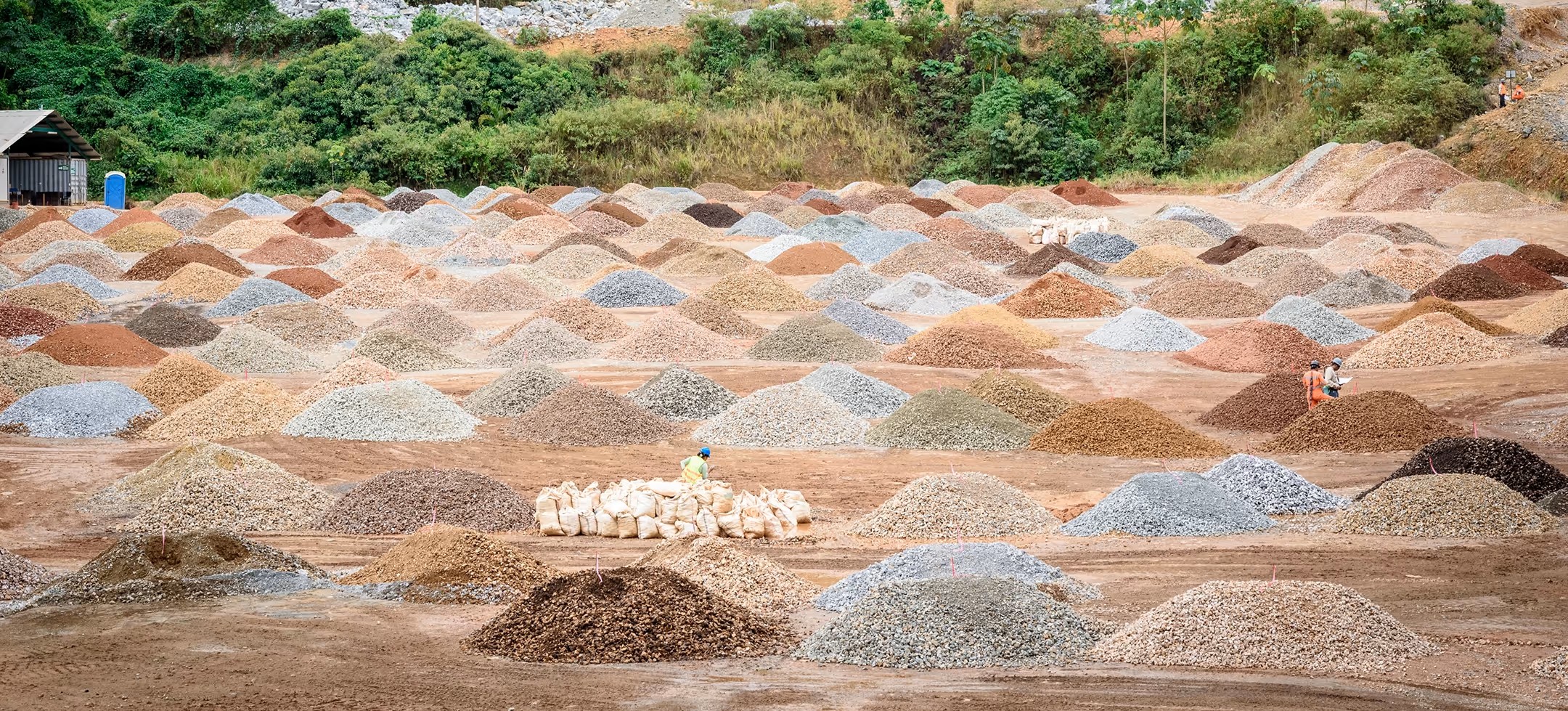
Mineros steers 85 km of Hemco drilling with ore-origin data from artisanal miners in a Nicaragua district that has produced about 8 million ounces of gold.
- Mineros is drilling about 85 kilometers at its Hemco Property in Nicaragua, which management says is the largest program in the property's history.
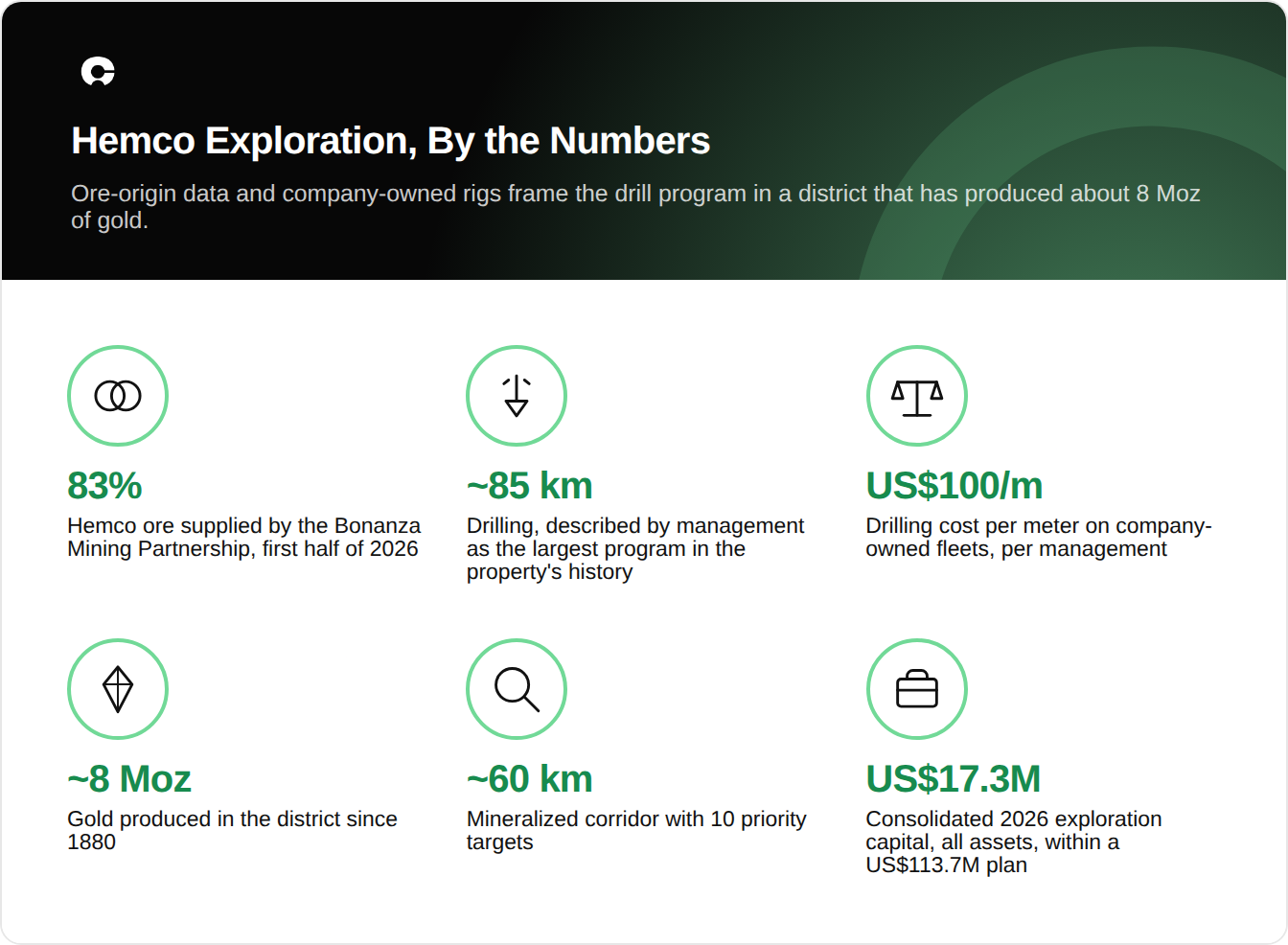
- The Bonanza Mining Partnership supplied 83% of Hemco's ore in the first half of 2026, mined from ground inside Mineros' own concessions.
- Exploration teams use the location of that ore to pick drill targets, starting next to the existing mines and widening to the full district.
- The district has produced about 8 million ounces of gold since 1880, and management puts its drilling cost at about US$100 per meter.
- Hemco holds approximately 861,000 ounces of gold in proven and probable reserves across a land package of approximately 458,932 hectares with 10 priority targets.
What Has Happened
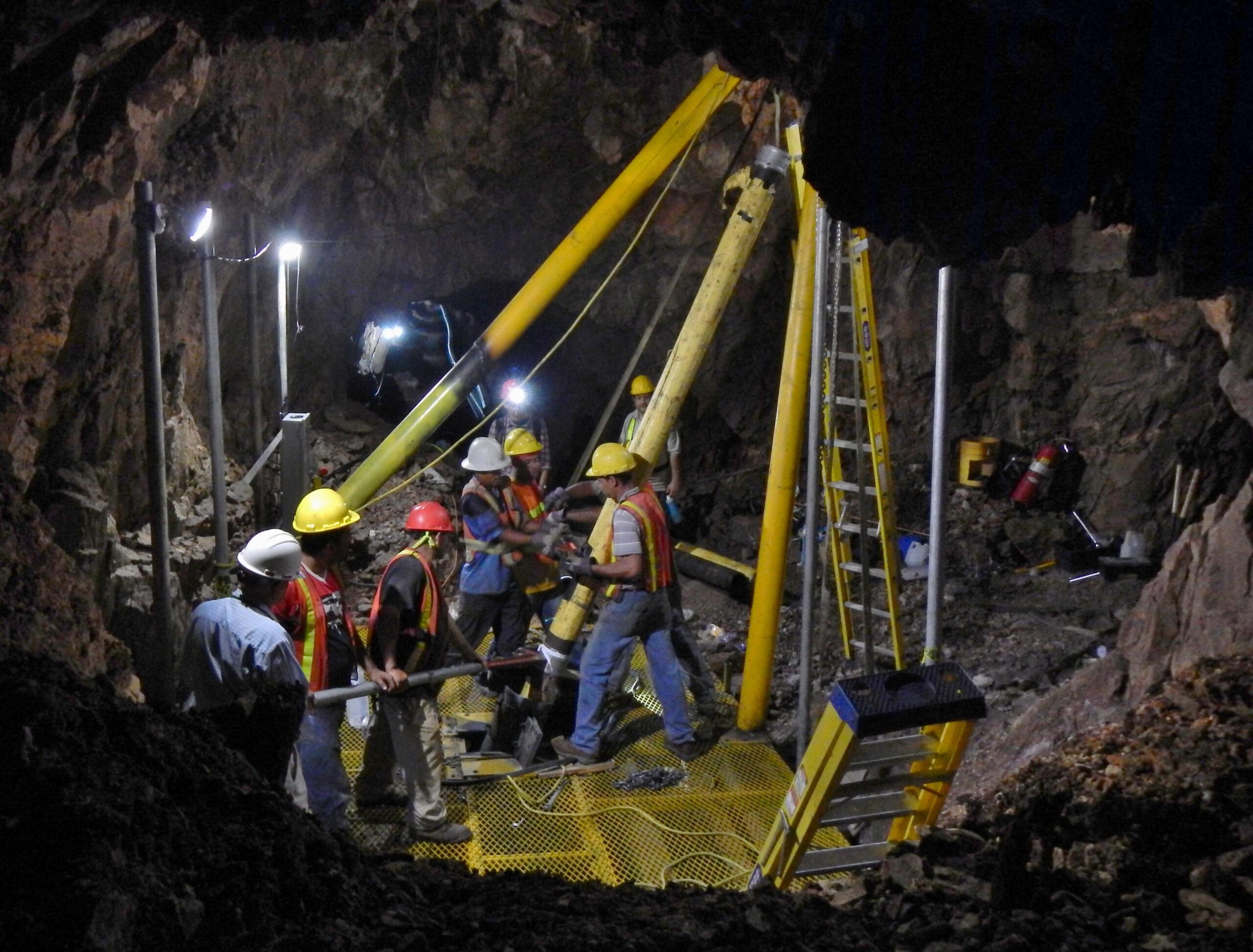
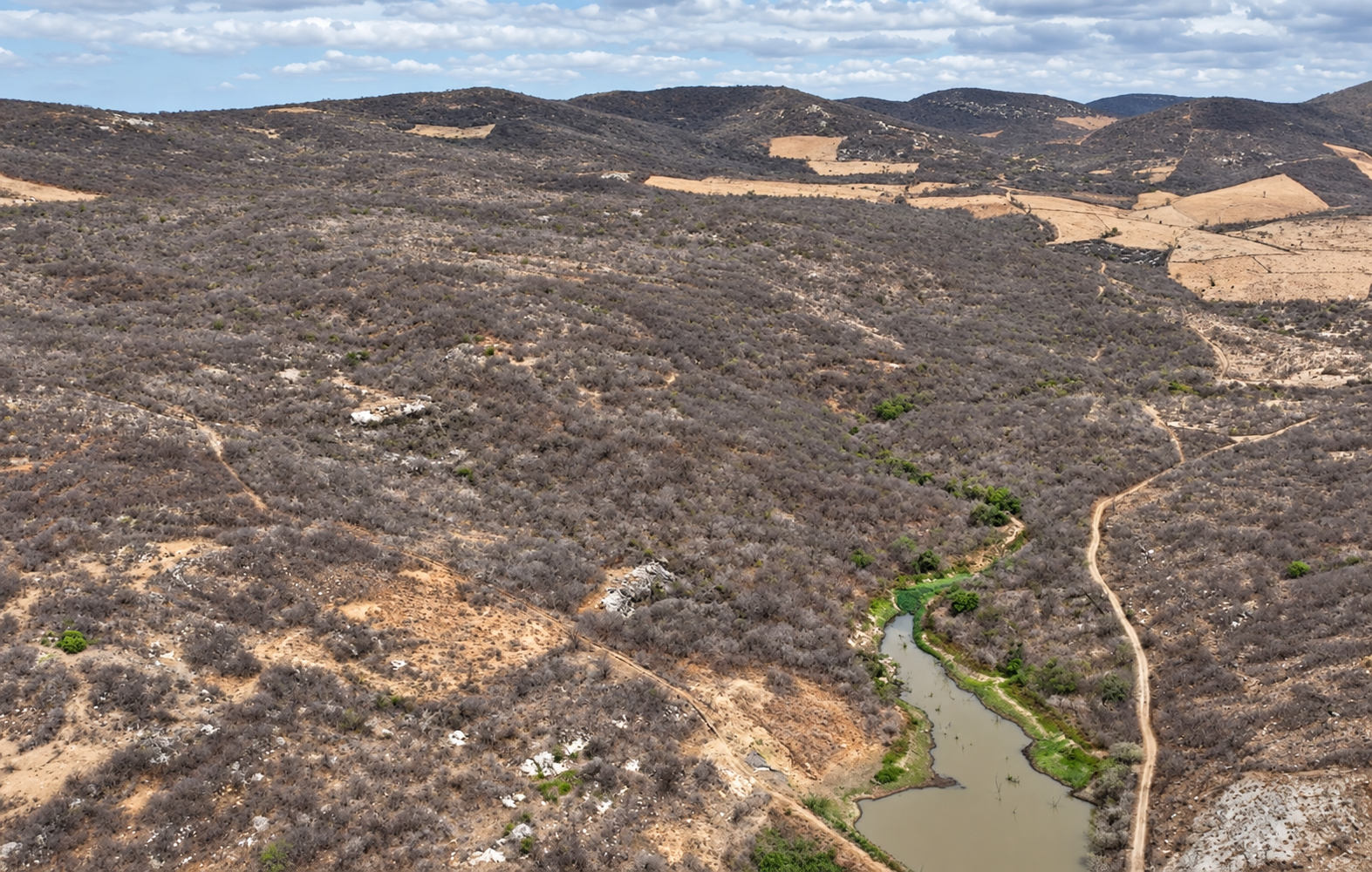
Mineros S.A. (TSX: MSA | BVC: MINEROS | OTCQX: MNSAF) is running about 85 kilometers (km) of drilling across its Hemco Property in northeastern Nicaragua, about 230 km northeast of Managua. Management describes the program as the largest in the property's history, and the 2026 exploration work program is funded, with drill rigs deploying to priority zones.
The targeting draws on the ore stream itself. The Bonanza Mining Partnership, a group of artisanal miners working within Mineros' concessions, supplied 83% of Hemco's ore in the first half of 2026, and exploration teams use where that ore was mined to pick where to drill.
From Delivered Ore to Drill Targets
Because the ore comes from Mineros' own ground, each delivery can be traced to a place in the district. The sequence has 3 steps: identify where the ore was mined, send exploration teams to those areas, and drill what they find.
President and Chief Executive Officer of Mineros, Daniel Henao, described how the ore stream feeds the exploration teams:
"Identifying exactly where that mineral is coming from, that's feeding our exploration teams, and they're now going and investigating these areas."
Drilling starts immediately beside the existing mines and is planned to widen to the entire district. Mineros calls the wider approach repeatable and data-led, built on 2025 fieldwork and historical data.
The partnership is also a business in its own right. Mineros buys the mineral at about 45% of spot, a royalty-like arrangement that management says works for the community, the local governments and the company. Under the previous owners, the partnership took priority over the company's own mining, at a cost to those operations, because processing capacity was the asset's biggest constraint. The exploration data is a second return from the same ore.
Cost & Scale of the Program
Mineros owns its drilling fleets, and management puts its drilling cost at about US$100 per meter, a level it says gives a strong return on each exploration dollar in Nicaragua.
Consolidated 2026 exploration capital is US$17.3 million of the US$113.7 million capital plan, alongside US$51.7 million for growth projects and US$44.7 million for sustaining capital.
Targets Along a 60 km Corridor
The drill program works a mineralized corridor of roughly 60 km within a consolidated land position of approximately 458,932 hectares, with room to grow north and south of current operations. Mineros has defined 10 priority targets across the corridor for gold, silver, zinc, lead and copper.
The geological anchor is the Luna Roja northeast cluster, a group of 5 targets that includes Pacamara, Las Nubes and Matagalpa, with skarn, epithermal and porphyry potential. The targeting draws on 2025 fieldwork and historical data, and the multi-metal list matches the copper and silver the district has already produced alongside its gold.
Produced Ounces & Defined Ounces
Since 1880, the district has produced about 8 million ounces of gold, 5 million ounces of silver, and 305 million pounds of copper. Hemco's defined inventory today is measured in hundreds of thousands of ounces: approximately 861,000 ounces of proven and probable reserves at Panama, Pioneer, and Porvenir; approximately 497,000 ounces of measured and indicated resources exclusive of reserves; and approximately 864,000 ounces of inferred resources across the property.
Those are current estimates for specific deposits, while the 8 million ounces is cumulative output across the district. Resources beyond Panama, Pioneer and Porvenir are located at Luna Roja, Leticia, San Antonio and Guillermina, so the satellite targets already hold defined ounces that drilling can extend. Mineros' understanding of the district is still limited relative to that production history.
Henao framed the objective of the program:
"Answering the question of what's the real potential is a big priority for us."
Plant Capacity for Any New Ounces
Processing capacity, not geology, is the current constraint at Hemco. Hemco produced 75,535 ounces of gold in the first half of 2026, up from 64,047 ounces a year earlier, against full-year guidance of 137,000 to 147,000 ounces. Mineros is expanding the plant from 1,800 tons per day (tpd) to 2,500 tpd for US$25 million, targeting an additional 30,000 to 40,000 ounces together with improved recoveries.
Permits cover processing up to 4,000 tpd, and the company holds a 1,000 tpd mill in inventory that Henao described as a likely program for next year. If the drilling adds ounces, permitted headroom above the planned 2,500 tpd already exists to process them.
The same logic applies at Porvenir, the polymetallic project within Hemco. The roughly 70,000 gold-equivalent ounces in its pre-feasibility study are phase one, and Henao said satellite deposits already being drilled could support growth beyond that level. Porvenir's engineering starts at about 2,000 tpd and leaves room to double to 4,000 tpd.
Broader Context & What to Watch Next
Hemco sits inside a wider growth plan. Mineros guides to 220,000 to 240,000 gold-equivalent ounces in 2026 and targets more than 300,000 ounces in the short term, through the Porvenir expansion of 55,000 to 72,000 gold-equivalent ounces and 30,000 to 40,000 ounces of de-bottlenecking. The long-term target is 500,000 gold-equivalent ounces by 2030, with the Porvenir District, La Pepa, and Tolima contributing beyond the near-term steps.
Hemco already produced 75,535 ounces of gold in the first half of 2026, so the drill program adds to a producing base. Outputs to track are assay results from the priority targets beside the existing mines, any change to Hemco's approximately 861,000, 497,000 and 864,000 ounce inventory, and the 1,000 tpd mill program. Exploration spending disclosures will also test whether drilling cost holds near US$100 per meter as the program moves out from the mine areas.
FAQs (AI-Generated)
Analyst's Notes





Subscribe to Our Channel


%20(1)%20(1).jpg)
.jpg)
Stay Informed






















