




Perseus Mining Cost Guidance Rises as West African Royalties and Growth Capex Pressure the Balance Sheet



Perseus Mining maintains FY2026 guidance of 400,000-440,000 oz gold but raises AISC to US$1,600-1,760/oz as West African royalty increases pressure margins.
- Rising royalties and fiscal adjustments across West Africa are shifting investor focus from gold price leverage toward balance sheet strength, cost positioning, and jurisdictional risk.
- Perseus Mining maintained FY2026 production guidance of 400,000-440,000 ounces, with output weighted to the second half as higher-grade ore sources enter mill feed.
- All-in-site cost guidance increased to US$1,600-1,760 per ounce, reflecting higher gold price assumptions and the impact of an additional 2% royalty in Côte d’Ivoire.
- The company reported US$755 million in cash and bullion as of December 2025, alongside zero debt and US$400 million in undrawn credit facilities.
- Strong operating cash flow continues to fund development projects internally, reducing dilution risk and positioning Perseus to manage higher fiscal take while sustaining production.
Perseus Mining is entering a period where rising fiscal take across West Africa and ongoing growth capital deployment are becoming central drivers of valuation. Governments in key jurisdictions are adjusting mining codes to capture a larger share of resource revenues, increasing royalties, taxes, and state participation at a time when gold prices remain elevated.
This combination of policy pressure and capital investment is shifting investor focus away from simple leverage to the gold price and toward structural factors such as balance-sheet strength, cost-curve positioning, and jurisdictional exposure. Companies able to sustain margins while funding growth internally are increasingly differentiated within the mid-tier producer segment.
For fiscal year 2026, Perseus has maintained production guidance of 400,000 to 440,000 ounces, with output weighted toward the second half of the year as higher-grade ore sources enter the mill feed. All-in site cost guidance has increased to US$1,600-1,760 per ounce, reflecting higher gold price assumptions and associated royalty increases, including a 2% additional royalty in Côte d’Ivoire.
Recent results indicate that Perseus is strengthening its credit profile through consistent operating cash flow, disciplined capital allocation, and reduced leverage. The company’s multi-mine production base across West Africa provides diversification benefits, while development projects aim to extend production visibility into the next decade.
About Perseus Mining
Perseus Mining is an Australia-listed gold producer operating multiple mines in West Africa. Its core producing assets include the Edikan mine in Ghana and the Sissingué and Yaouré mines in Côte d’Ivoire. The company’s strategy is built around maintaining a diversified production base, generating free cash flow, and reinvesting internally to sustain long-term output.
The company has focused on building a multi-asset production platform to mitigate operational risks associated with single-mine producers. This structure provides production stability and allows capital allocation decisions to be made across a broader portfolio of assets.
Perseus’ operating model is designed to deliver consistent output while advancing development projects that replace depleting reserves and maintain group-level production. This strategy is particularly relevant as fiscal regimes evolve across the region.
Strengthened Balance Sheet & Credit Profile
Perseus has improved its credit profile through sustained cash generation and disciplined financial management. As of December 2025, the company reported US$755 million in cash and bullion, alongside zero debt and US$400 million in undrawn credit facilities.
During the quarter, the company generated about US$161 million in operating cash flow and increased its cash and bullion position to approximately US$837 million, all while advancing capital projects and development work.
Chief Executive Officer Craig Jones emphasized the strength of the company’s balance sheet and funding flexibility:
“We can pay for all of our aspirations within our current cash flows… there’s no need for us to take any debt on. We can fund all of our aspirations through the cash that we have on the balance sheet.”
The company is entering a major investment cycle, with more than US$800 million in capital spending planned over the next five years, roughly matched by its existing cash reserves. Management also indicated that the balance sheet strength supports ongoing shareholder returns, including a new US$100 million buyback program.
From a valuation perspective, companies with stronger credit profiles typically command lower costs of capital and greater investor confidence, particularly in regions where fiscal terms and operating conditions can evolve.
Multi-Mine Production Base & Cash Flow Stability
Perseus’ production base is anchored by three operating mines across Ghana and Côte d’Ivoire, a structure that reduces single-asset concentration risk and supports more stable group-level output.
For fiscal year 2026, group production is expected to range between 400,000 and 440,000 ounces, with output weighted toward the second half of the year. This profile reflects the introduction of higher-grade ore sources at Edikan and Sissingué, which are expected to improve mill feed grades as the year progresses.
Craig Jones described the operational shift toward higher-grade sources:
“As mining is now focused on the Antoinette pit at Bagoué and the Sissingué main pit as the primary mill feed sources, mill feed grade is expected to increase for the remainder of the year.”
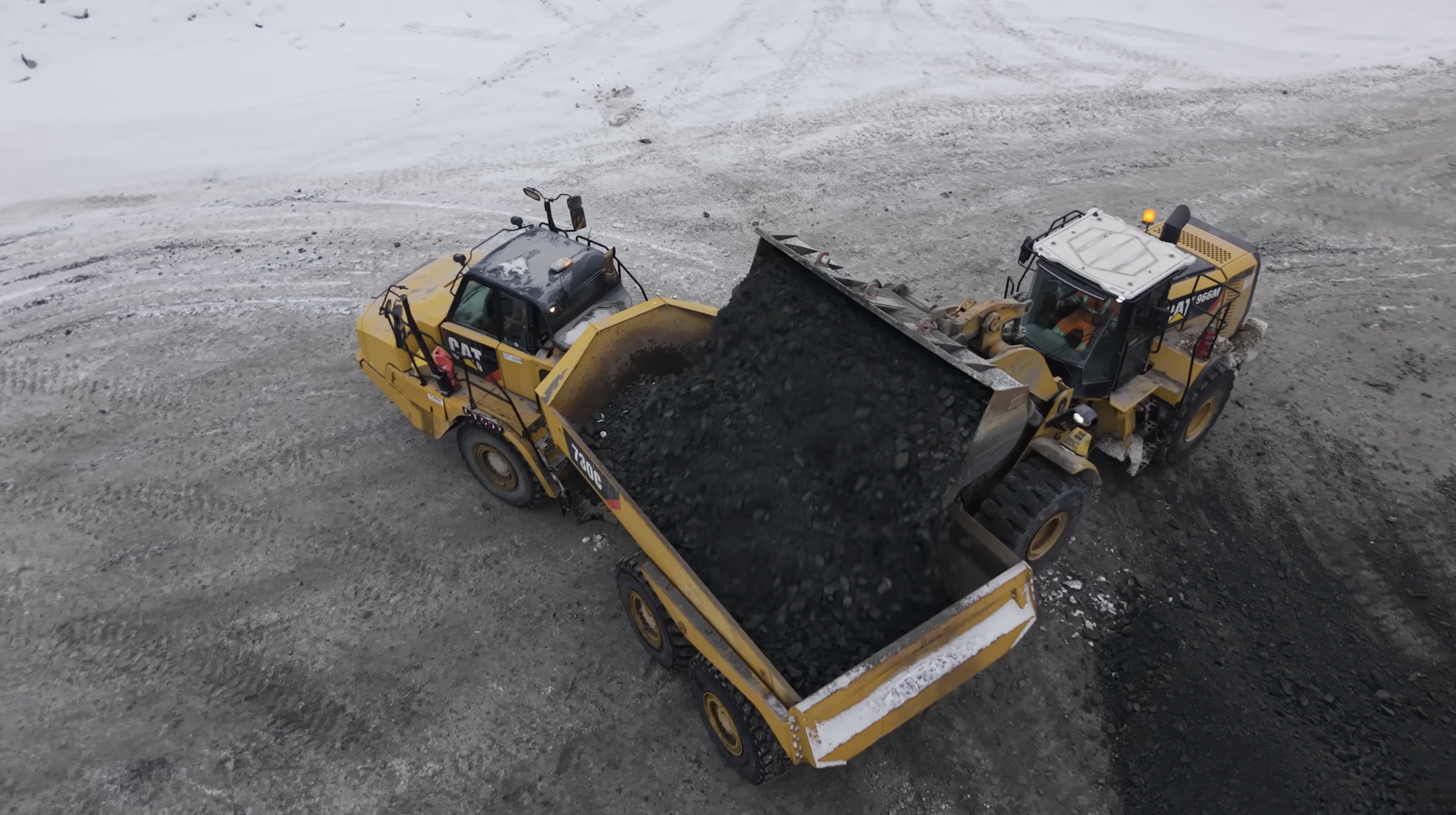
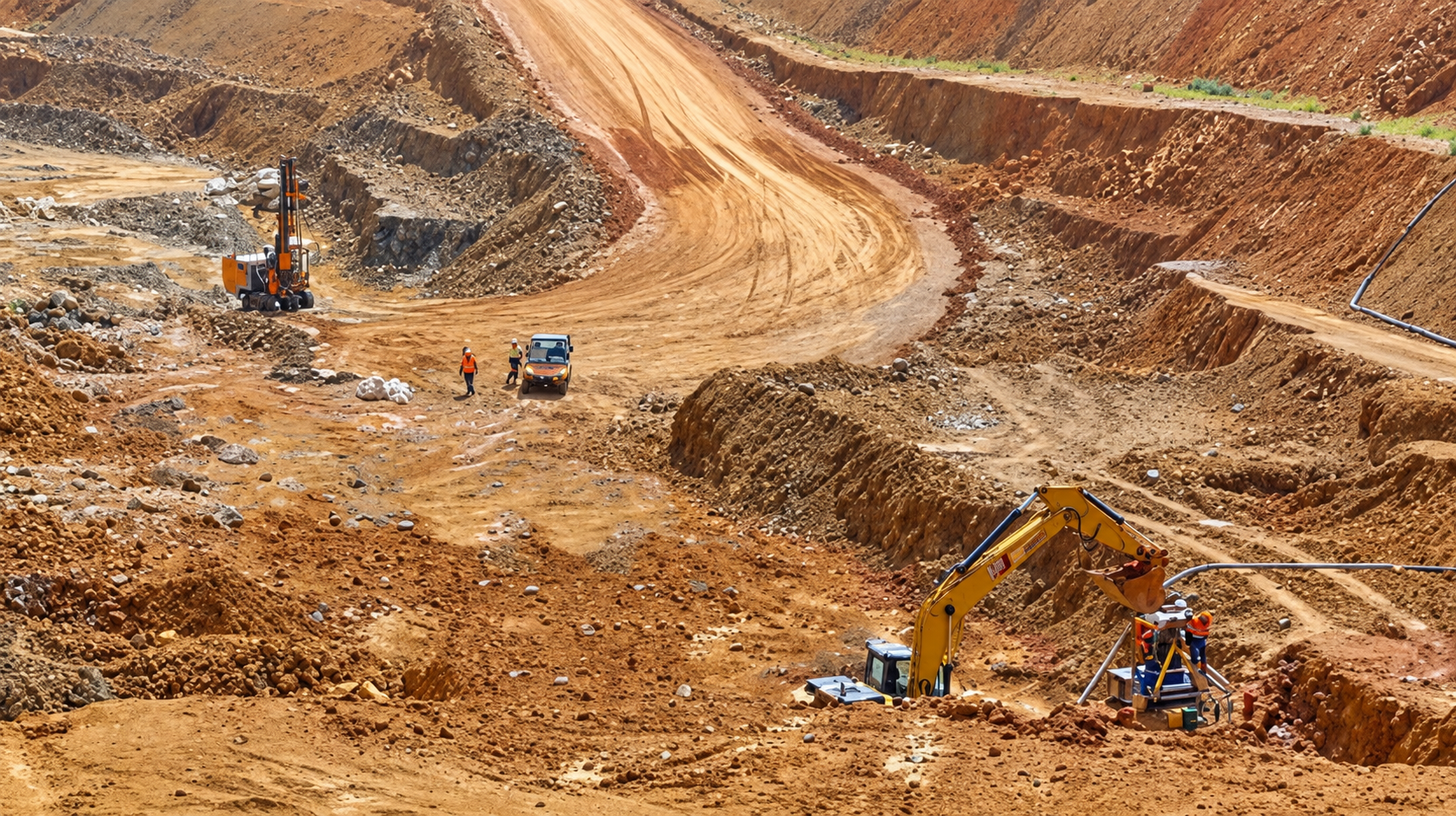
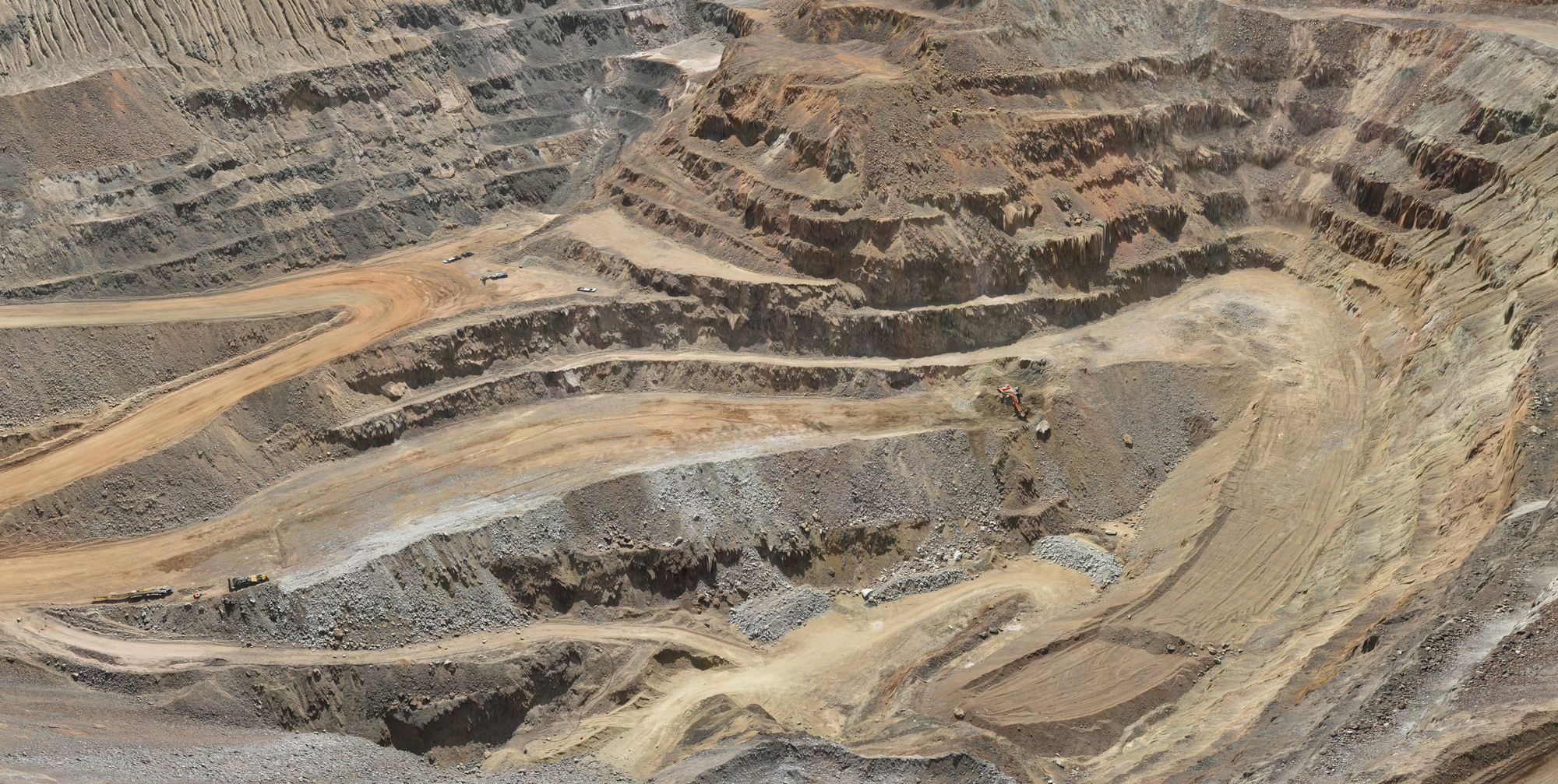
Technically, the company’s operations combine open-pit mining with conventional processing circuits. Grade control, strip ratios, and metallurgical recovery remain primary drivers of unit costs.
All-in sustaining cost, or AISC, is the industry’s principal cost metric. It incorporates operating expenses, sustaining capital, and corporate overhead to provide a comprehensive measure of production economics and margin resilience.
Growth Projects Aim to Sustain Long-Term Output
Perseus is deploying capital into development projects intended to replace reserves and sustain production across its portfolio. These projects form the foundation of the company’s long-term production outlook.
Development projects are designed to provide incremental production and extend mine life across the portfolio. In the gold mining sector, maintaining reserve replacement is critical to sustaining valuation multiples, as depletion is a structural feature of the business.
From a financial perspective, development decisions are typically assessed using net present value (NPV) and internal rate of return (IRR). NPV measures the discounted value of future cash flows, while IRR represents the expected annualized return on invested capital. Projects that deliver strong NPV and IRR metrics are generally prioritized for capital allocation.
West African Fiscal Changes & Valuation Implications
Fiscal regimes across West Africa are evolving as governments seek greater participation in resource revenues. Several jurisdictions have introduced or proposed higher royalties, increased corporate taxes, and expanded state equity participation.
Perseus has incorporated a 2% additional royalty in Côte d’Ivoire into its FY2026 cost guidance, contributing to the increase in all-in site cost guidance to US$1,600–1,760 per ounce.
Craig Jones explained the cost revision and its drivers:
“The all-in site cost increase reflects increased gold price assumptions and the resultant increase in royalty costs, including the additional 2% royalty in Côte d’Ivoire.”
For producers, the impact of fiscal tightening depends on structural factors such as cost position, balance-sheet strength, asset diversification, and project economics. Companies with lower all-in sustaining costs and strong free cash flow are generally better positioned to absorb higher fiscal burdens.
Gold Price Volatility & Near-Term Margin Pressure
Gold markets in early 2026 have experienced increased volatility driven by interest-rate expectations, currency movements, and geopolitical developments. For producers, short-term price fluctuations directly affect operating margins and free cash flow.
Recent analysis indicates that softer prices have created near-term margin pressure across the sector. However, longer-term structural drivers remain supportive, including central bank reserve diversification and safe-haven demand.
For Perseus, maintaining competitive AISC and strong operating cash flow remains critical to preserving margins during periods of price weakness.
Capital Allocation & Internal Funding Strategy
Perseus has emphasized funding growth projects primarily from operating cash flow, reducing reliance on external financing and limiting dilution risk. Internally funded growth reduces execution risk by eliminating dependence on volatile capital markets during development phases and preserves project value for existing shareholders.
Regional Context: Fiscal Policy & Producer Positioning
The West African gold sector has historically attracted investment due to favorable geology and competitive operating costs. However, recent fiscal changes indicate a shift toward higher government participation, creating a more complex valuation framework. Jurisdictional stability, fiscal predictability, and regulatory transparency are becoming as important as production growth and cost performance.
The Investment Thesis for Perseus Mining
- Exposure to structural gold demand driven by central bank purchases and geopolitical uncertainty supports long-term commodity fundamentals.
- Multi-mine production across Ghana and Côte d’Ivoire provides operational diversification and reduces single-asset risk.
- Net-cash balance sheet and significant liquidity improve resilience to fiscal tightening and gold price volatility.
- Internally funded growth projects reduce dilution risk and preserve per-share value.
- Development timelines aligned with multi-year gold demand trends support sustained production visibility.
- Cost-discipline strategies help protect margins during periods of price weakness.
- Geographic diversification across multiple African jurisdictions mitigates single-country regulatory exposure.
Rising royalty structures across West Africa and ongoing development spending are reshaping how investors evaluate gold producers. Balance-sheet strength, cost positioning, and internal funding capacity are becoming primary differentiators within the sector.
Perseus Mining’s FY2026 production guidance, net-cash balance sheet, and self-funded growth pipeline position the company to manage higher fiscal take while sustaining output. For investors, the company offers exposure to long-term gold demand through a diversified, financially resilient platform designed to convert elevated gold prices into durable cash flow.
TL;DR
Rising royalties and fiscal adjustments across West Africa are increasing cost guidance and shifting investor focus from gold price leverage toward balance sheet strength, cost positioning, and jurisdictional risk. Perseus Mining maintained FY2026 production guidance of 400,000-440,000 ounces, with output weighted to the second half as higher-grade ore sources enter mill feed, while all-in site cost guidance rose to US$1,600-1,760 per ounce following a 2% additional royalty in Côte d’Ivoire. The company reported US$755 million in cash and bullion, zero debt, and US$400 million in undrawn credit facilities, supporting internally funded growth at the Nyanzaga project and the CMA underground development. This liquidity, built through operating cash flow, positions Perseus among the stronger balance sheets in the mid-tier gold sector and provides resilience against fiscal tightening. Key risks include further royalty or tax increases, gold price volatility, and execution of development projects, while the main valuation drivers remain cost control, production stability, and successful delivery of the growth pipeline.
FAQs (AI-Generated)
The company raised its FY2026 all-in site cost guidance to US$1,600-1,760 per ounce primarily due to higher gold price assumptions and the impact of an additional 2% royalty in Côte d’Ivoire. Royalty structures linked to spot gold prices increase government take as prices rise, directly affecting reported cost metrics.
Several governments across the region are increasing royalties, taxes, and state participation to capture a larger share of mining revenues. These changes can compress margins and alter project economics, meaning investors are placing greater emphasis on balance sheet strength, cost positioning, and jurisdictional diversification.
As of December 2025, the company reported US$755 million in cash and bullion, zero debt, and US$400 million in undrawn credit facilities. This liquidity has been built through operating cash flow, providing flexibility to fund development projects, pay dividends, and absorb fiscal or price volatility.
The company has maintained production guidance of 400,000-440,000 ounces for FY2026. Output is expected to be weighted toward the second half of the year as higher-grade ore sources at Edikan and Sissingué are introduced into the mill feed.
Perseus is funding development primarily from operating cash flow rather than issuing equity or taking on significant debt. This internally funded growth strategy reduces dilution risk and limits reliance on external capital markets during construction phases.
Analyst's Notes





Subscribe to Our Channel

Stay Informed






















