




Single-Digit Hormuz Transits Push Brent Near $95, Keeping Mining Costs High


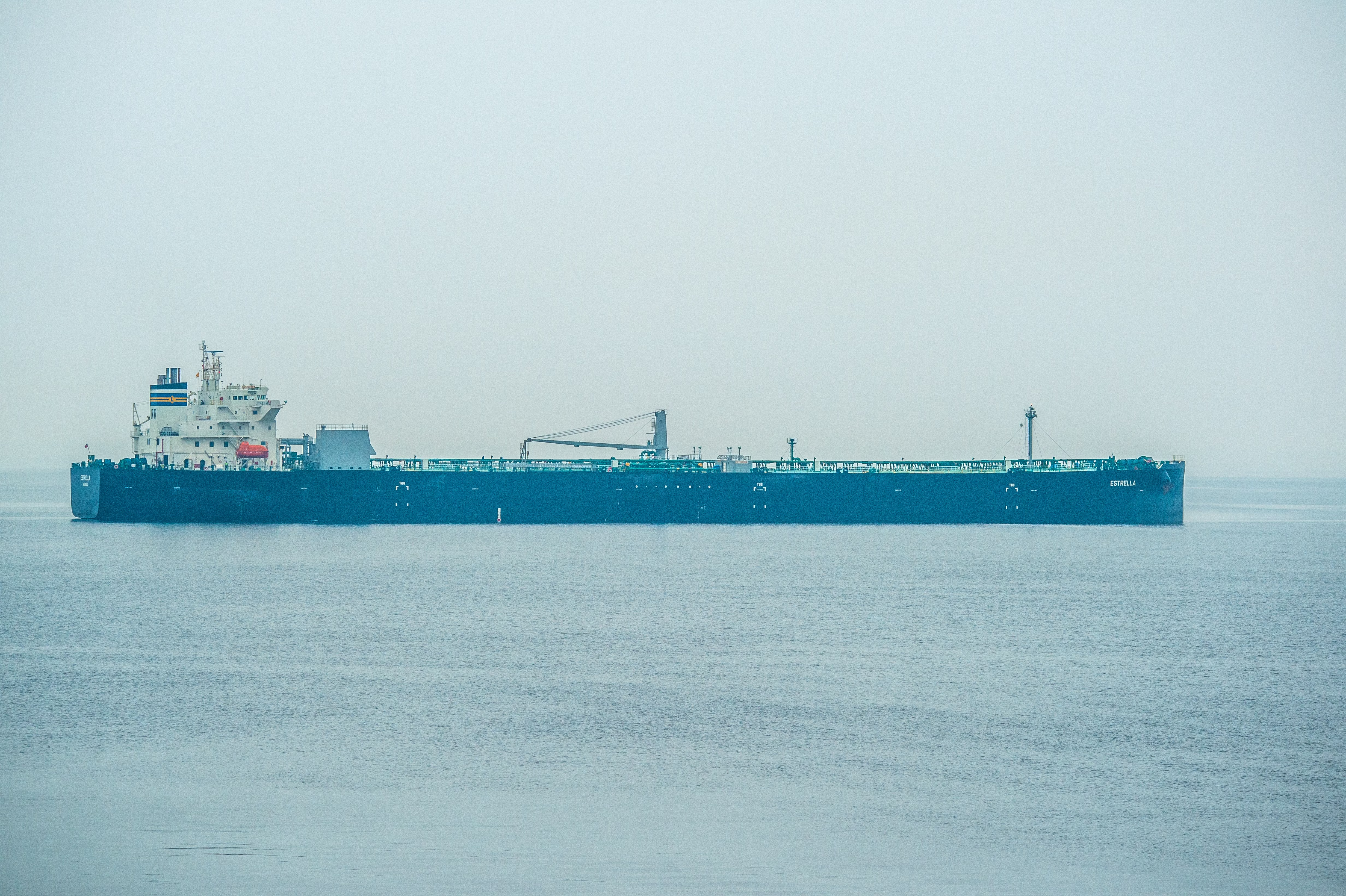
A 69% drop in Hormuz traffic keeps Brent near $95 and raises freight and sulfuric acid costs, favoring mines with secured supply.
- Brent fell 0.62% to $95.04/bbl and West Texas Intermediate (WTI) fell 0.42% to $90.63/bbl on September 3 after both reached their highest levels since July 24.
- US Energy Information Administration (EIA) reported on September 2 that US commercial crude inventories fell 4.5 million barrels to 424.5 million, versus a 300,000-barrel consensus draw, signaling tighter crude supply than expected.
- Hormuz transits stood at four versus a 10-day average of 13 on September 3, 69% below normal, constraining effective vessel supply.
- From August 17 to 28, Capesize five-route time-charter (5TC) equivalent earnings rose 16.3% to $48,399/day while WTI fell 1.7%, showing vessel scarcity outweighed lower fuel costs in freight rates.
- Hormuz throughput holding near 17 million b/d would reduce oil supply risk and lower diesel costs for mining operations.
4.5 Million-Barrel Crude Draw Supports Oil Despite Early Price Pullback
Oil fell in early trading as renewed US-Iran strikes increased uncertainty, with Brent down 0.62% to $95.04/bbl and WTI down 0.42% to $90.63/bbl. Both had swung between $2 gains and $1 losses in the prior session, while reduced Hormuz traffic continued limiting oil shipments and vessel availability.
The oil-price pullback contrasted with a 4.5 million-barrel decline in US commercial crude inventories to 424.5 million barrels, 15 times the consensus draw. EIA also placed refinery utilization at 98.0% and gasoline inventories 6% below the five-year average, leaving limited spare capacity to rebuild fuel stocks.
80% Strait Traffic Drop Lifts Freight Rates & Shipping Stocks
Reduced Hormuz traffic is restricting commodity flows and vessel availability. Four commodity vessels transited the strait against a 10-day average of 13, while S&P Global shows total traffic has fallen more than 80% since the war began. Restricted traffic lengthens voyages and ballast legs, reducing available tonnage and helping lift Capesize 5TC earnings to $48,399/day.
Neither side has defined conditions for ending hostilities, keeping Hormuz traffic exposed to further disruption. US President Donald Trump said the campaign would not last too long but that US forces were prepared to strike again after hitting Iranian radar and missile systems near the strait. Iran also expanded its list of vessels subject to fines or detention, discouraging transits. Iraq increased exports 73% from 1.35 million b/d in July to 2.34 million b/d in August, but Iran can revoke the transit approvals supporting those shipments.
Blocked Sulfur Cargoes Constrain Reagent Supply for Copper Leaching
Nearly half of global seaborne sulfur, a byproduct of oil and gas processing and the feedstock for sulfuric acid, moves through Hormuz, where virtually no sulfur cargoes exited from July 18 through July 30. Marco Martins, Analyst at Project Blue, said Chilean copper leaching takes several months, giving producers time to secure replacement acid before shortages affect output. BHP’s 2026 financial-year results identified upward price pressure across sulfuric acid, diesel and ammonia, raising costs for mines
Full-Year Acid Contracts Protect Producer Margins as Spot Prices Double
Acid-leach copper faces the greatest margin pressure because the process requires three to four metric tons of sulfuric acid per metric ton of cathode and has no substitute reagent, favoring operators with contracted acid supply. A US$10/bbl decline in diesel would reduce unit costs by about US$1.10/t at BHP Mitsubishi Alliance, more than seven times the US$0.15/t benefit at Western Australia Iron Ore, giving the coal operations greater margin upside when oil prices fall.
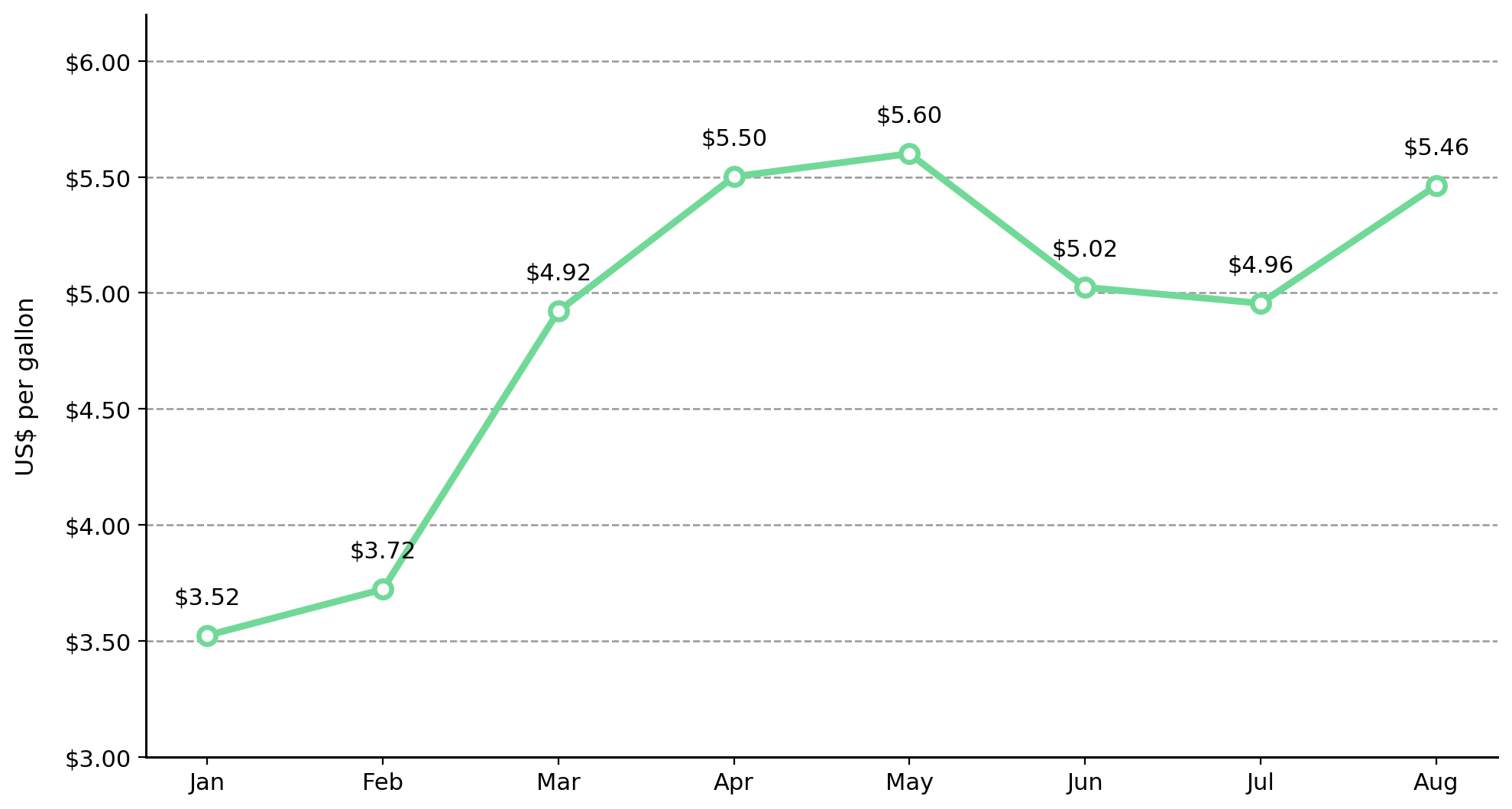
For acid-leach copper operations, contract coverage determines how quickly higher sulfuric acid prices reach cash costs. Máximo Pacheco, Chairman at Codelco, said the war raised cash costs by at least US$0.10/lb, but acid purchased for the full year before prices rose limited further exposure. Fiona Boyd, Director at Acuity Commodities, said Chilean buyers left part of their second-half requirements uncovered, forcing them back into the spot market after prices doubled.
17 Million b/d Hormuz Flow Favors Acid-Leach Mines Over Shipping Stocks
Current portfolio positioning favors miners with contracted sulfuric acid supply and published diesel sensitivities. Hormuz traffic remains near four vessels a day against a 10-day average of 13, while shipping stocks have gained 68% and crude-tanker stocks 120%, placing those gains at risk if vessel traffic recovers.
Hormuz throughput at or above 17 million b/d for 10 consecutive days would support lower allocations to shipping stocks and higher margin estimates for import-dependent acid-leach mines as restored sulfur cargoes reduce freight and acid costs.
US crude inventories rising more than forecast alongside Brent below $85/bbl would support higher margin estimates for diesel-intensive mines based on each operation’s published fuel sensitivity.
Analyst's Notes





Subscribe to Our Channel
.png)

.png)





.jpg)
Stay Informed


