




Sovereign Metals Adds a Third Revenue Stream & Resets the Re-Rating Timeline


Sovereign Metals repositions Kasiya as a tri-commodity project, with valuation driven by DFS economics, binding offtake, and financing—not exploration.
- Kasiya is transitioning from a dual-commodity rutile-graphite project into a tri-commodity critical minerals platform with the addition of heavy rare earth elements.
- Rare earths are expected to be recovered from monazite in processing tailings at near-zero incremental cost, creating a structural margin uplift.
- The Optimised PFS outlines US$2.3B pre-tax NPV8 and 27% IRR over an initial 25-year mine life using only about 30% of the resource.
- Cost advantages stem from free-dig saprolite ore, simple processing, and by-product credits across three commodities.
- The most valuation-relevant catalysts remain the Definitive Feasibility Study, binding offtake agreements, and project financing.
- Institutional backing from Rio Tinto and the International Finance Corporation adds credibility but does not yet eliminate funding risk.
- Malawi’s beneficiation-focused export policy aligns with Kasiya’s processing plan, reducing jurisdictional execution risk.
- Near-term technical updates and exploration upside are unlikely to drive re-rating without economic or financing milestones.
Why Catalyst Timing Matters More Than Resource Scale
Junior mining developers generate steady news flow through exploration and development, but most updates do not drive lasting changes in enterprise value. Drill results and technical improvements maintain visibility, yet institutional capital typically responds only to a small set of milestones: feasibility studies that improve project economics, binding offtake agreements, and financing or construction decisions that reduce execution risk.
This distinction is critical when assessing catalyst calendars. Resource expansions may attract short-term interest, but sustained valuation gains usually require clear economic viability and a defined path to production. Markets tend to discount optionality until it converts into time-bound, measurable value drivers.
From Resource Scale to Economic Clarity
Sovereign Metals’ Kasiya project illustrates this shift. The initial narrative centered on scale, with Chairman Ben Stoikovich highlighting a deposit stretching more than 200 kilometers, the world’s largest rutile resource and the second-largest natural graphite deposit. While compelling geologically, that framing lacked the economic clarity needed for institutional investment decisions.
The introduction of a heavy rare earth element stream moves the story from pure resource size to an integrated critical minerals platform. Investor focus now shifts toward margin resilience, cost curve positioning, and strategic relevance rather than tonnage alone. This reflects a broader sector trend: capital increasingly flows to projects that demonstrate robust economics and execution certainty, not just large resources.
Stoikovich frames the company's economic advantage clearly:
"Our incremental cost to produce a tonne of graphite as a byproduct from the Kasiya project will only be $241 US per tonne… Kasiya is right at the bottom end of the global cost curve and we'll always be able to sell graphite into the market at healthy margins."
From Dual-Commodity Baseline to Tri-Commodity Margin Expansion
The Optimised Pre-Feasibility Study for Kasiya established baseline Tier 1 economics under conservative assumptions, delivering a pre-tax NPV (8%) of about US$2.3 billion and a 27% IRR over a 25-year mine life. The plan uses only around 30% of the total resource, leaving substantial tonnage available for future expansions.
The study reflects conventional rutile-graphite parameters without rare earth credits. Capital and operating assumptions were based on a dual-commodity flowsheet, leaving potential margin expansion from additional by-product processing circuits.
Rare Earth Circuit as a Margin Enhancer
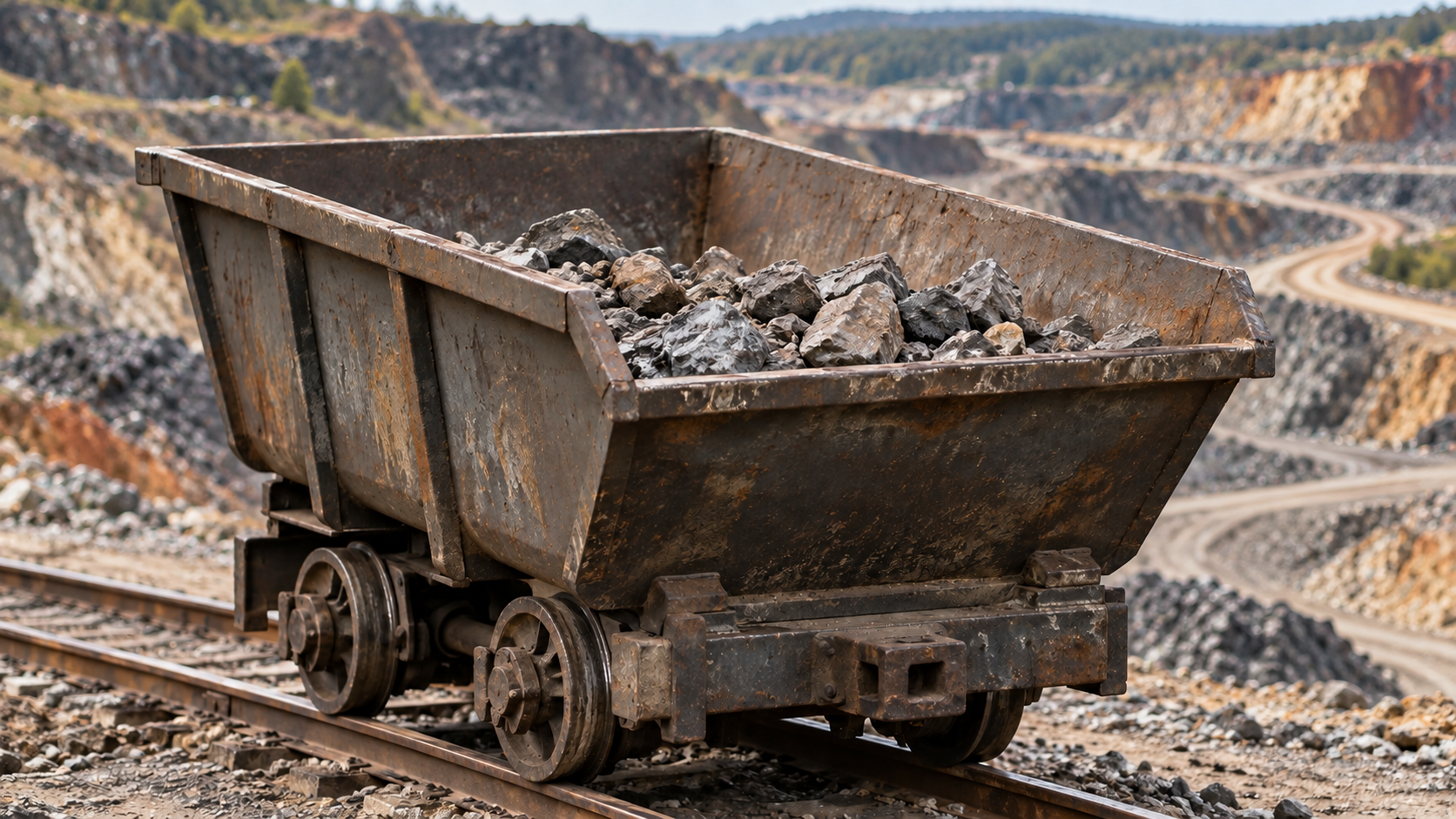
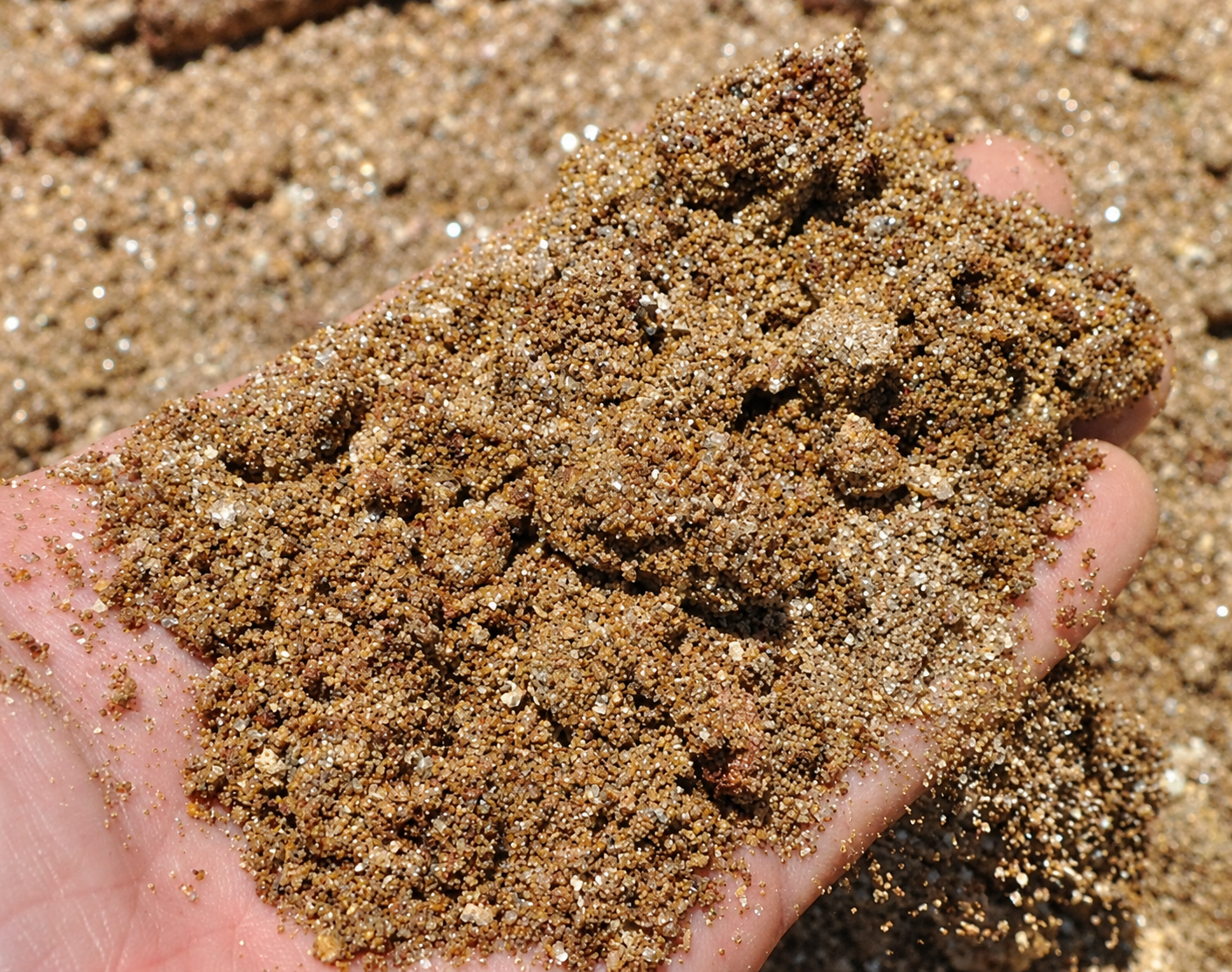
The rare earth circuit provides a structural economic benefit rather than a standalone revenue stream. Monazite, which hosts heavy rare earths, occurs naturally in the ore and will be recovered from tailings, avoiding separate mining, additional fleet, or major plant expansion. Only minor circuit changes are required.
The heavy rare earth mix includes dysprosium, terbium, and yttrium, elements that command premium pricing due to concentrated supply and growing demand in magnets, defense, and clean energy. With minimal added capital or operating costs, most of this revenue is expected to flow directly to margin.
Geological Simplicity and Processing Advantages
This by-product structure spreads fixed costs across three commodities, lowers effective operating costs, improves EBITDA margins, and reduces exposure to single-commodity price cycles. The result is potential lower-quartile cost positioning across multiple markets, strengthening competitiveness in both rutile and graphite.
Stoikovich highlights the operational simplicity driven by the deposit’s geology:
"Kasiya's weathered ore body requires only basic scrubbing compared to fresh rock projects. This means lower costs, but it also preserves flake size and gives us a graphite product with a higher proportion of much higher value."
This geological advantage translates directly into processing efficiency:
"The ore body is contained in totally weathered material. The ore is free-dig and has very low levels of sulfur."
Three Catalysts Likely to Drive a Kasiya Re-Rating: DFS Economics, Binding Offtakes, and Development Financing
The Definitive Feasibility Study is the primary valuation inflection point for Kasiya, as it will incorporate rare earth economics into updated NPV, IRR, and capital estimates. Investors will focus on the gap between PFS and DFS results to see whether rare earth integration delivers real margin uplift or simply offsets higher costs. Key metrics include revised NPV sensitivities, IRR changes after added circuit capital, and updated life-of-mine cash flows based on realistic pricing and volume assumptions.
Binding offtake agreements are the second major catalyst, as they validate commercial assumptions and support project financing. Contracts that secure pricing near feasibility assumptions and cover meaningful production will carry more weight than small or discounted deals. Securing rutile and graphite offtakes first establishes baseline viability, allowing any rare earth agreements to act as upside rather than a requirement for sanction.
Development Financing and Strategic Partnerships
The third catalyst is development financing or strategic partnership structures. Securing capital for construction validates project economics, reduces uncertainty around timelines, and signals institutional confidence in the asset. The structure and terms of financing will determine dilution levels, debt capacity, and operational flexibility. Sovereign’s strategic backing provides a foundation for these discussions, as Stoikovich notes:
"Rio Tinto is a 19.9% shareholder in Sovereign and a strategic partner in the Kasiya project. Rio Tinto became a strategic investor in Sovereign in mid-2023. Today, Rio have invested $60 million, and a number of Rio Tinto subject matter experts are closely involved in the project."
Ultimately, the scale, cost, and structure of any financing package will determine whether it confirms management’s economic assumptions or implies a more conservative market view of the project.
Milestones Unlikely to Drive Near-Term Re-Rating: Technical Updates and Exploration Upside
Sovereign Metals expects rare earth definition work and metallurgical updates around March 2026. While these milestones improve project understanding and may optimize processing, they rarely drive meaningful valuation re-ratings on their own. Markets typically price in such improvements gradually unless they materially change project economics.
Unless the work reveals unexpected constraints or delivers gains far beyond prior assumptions, these updates tend to confirm the existing thesis rather than transform it. Their main value lies in enabling the next catalysts, such as the DFS or offtake agreements, rather than creating standalone valuation upside.
Exploration Upside and Market Discounting
Exploration upside beyond the initial mine plan is usually discounted by the market. Kasiya’s PFS uses only about 30% of the resource, leaving significant tonnage for future expansion, but investors rarely assign value to this until base-case production is proven and expansion becomes near term.
This discount reflects several factors: later cash flows are heavily reduced by discount rates, investors prefer to see successful initial execution before pricing in growth, and expansions often require new capital that can dilute margins.
As a result, exploration upside tends to add value later in the development cycle, while near-term investors focus primarily on the economics of the initial mine plan.
A Tri-Commodity Asset with Geopolitical and Institutional Support
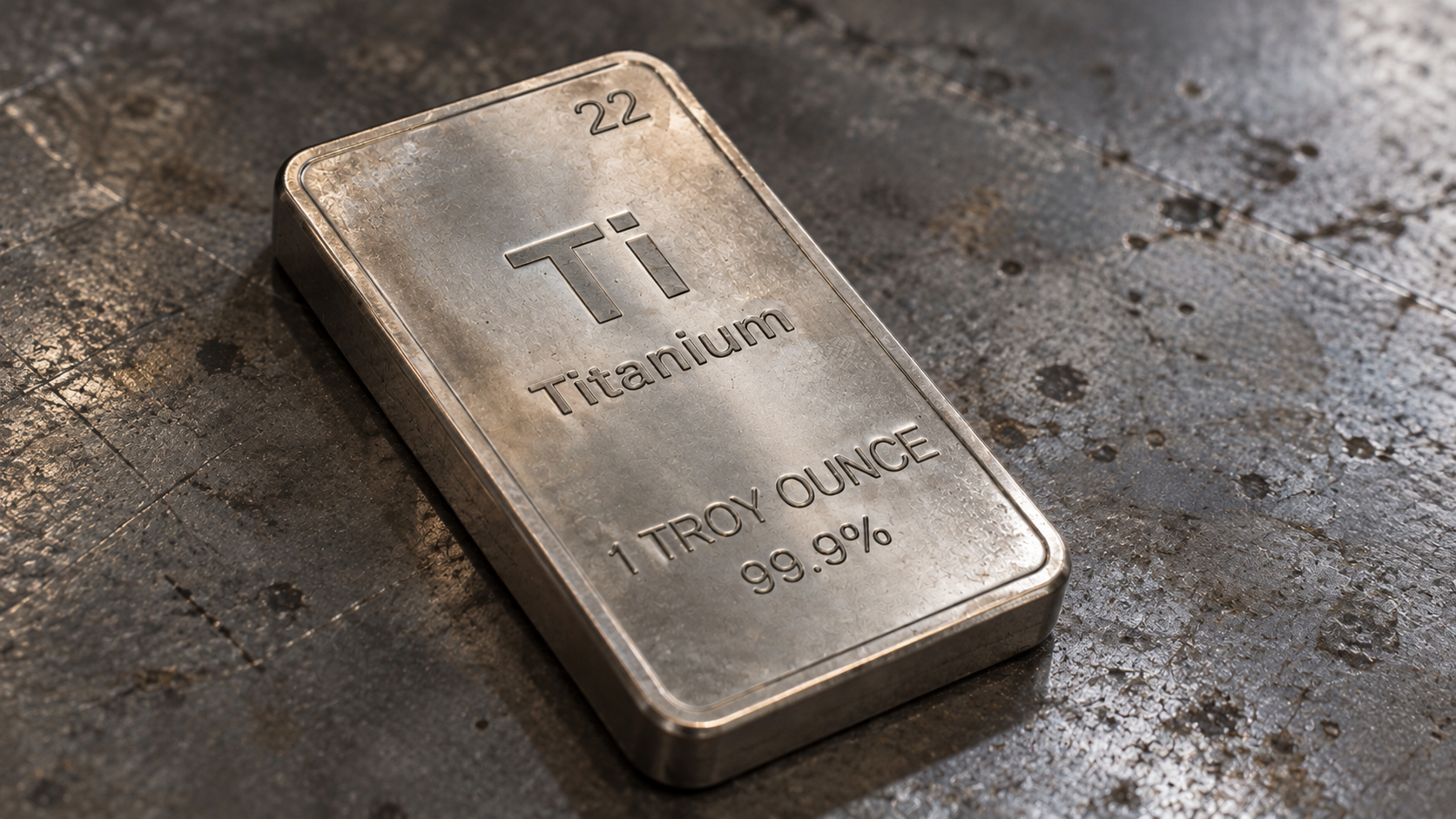
Kasiya’s tri-commodity structure provides exposure to three markets with different demand drivers. Rutile, the primary titanium feedstock, serves aerospace, defense, and pigment applications where supply reliability often outweighs short-term price sensitivity, supporting long-term stability.
Natural graphite positions the project within the EV and energy-transition supply chain as a key anode material. Most output is expected to be higher-value medium, large, and jumbo flakes suited to battery and synthetic graphite markets, with the company focused on mining rather than downstream processing.
Strategic Rare Earth Exposure
Heavy rare earth elements such as dysprosium, terbium, and yttrium add exposure to permanent magnet markets for wind turbines, EV motors, and defense systems. With Western supply concentrated in China, alternative sources like Kasiya carry strategic value.
This mix creates diversified revenue streams and potential resilience across cycles, but geopolitical relevance only translates into valuation uplift once it leads to concrete offtakes, financing, or pricing advantages.
Institutional backing adds credibility. Rio Tinto’s strategic investment and technical involvement, along with collaboration with the International Finance Corporation, support financing discussions and execution, though their valuation impact depends on conversion into formal agreements.
Jurisdiction and Execution: Malawi’s Export Ban and Development Goals Support Kasiya’s Strategy
Malawi’s October 2025 export ban on raw mineral shipments raised initial concerns, as the policy aims to promote in-country beneficiation rather than raw exports. It reflects a broader trend of resource nationalism across African jurisdictions seeking greater domestic value capture.
Sovereign Metals’ Kasiya plan is already aligned with these requirements. The project is designed to produce rutile above 95% titanium dioxide and graphite concentrates around 96% carbon, meeting beneficiation targets without major flowsheet changes. As a result, the ban acts more as validation than a constraint, while competing projects may face higher costs and delays to comply.
Alignment with National Development Goals
The policy also aligns with Malawi’s goal of reaching $30 billion in mineral exports by 2040, which depends on large, long-life projects that generate revenue, jobs, and technical capacity. Projects like Kasiya, which include local processing, are better aligned with these objectives and may benefit from smoother permitting and stronger stakeholder support.
Beneficiation can also improve social license, as local processing creates more employment, skills transfer, and economic participation than raw exports, making such projects easier to support during consultations and regulatory reviews.
The Re-Rating Timeline: What Investors Should Watch Next
Over the next six to twelve months, the key catalyst is completion of the Definitive Feasibility Study, which will integrate rare earth economics into updated NPV, IRR, and cost curve positioning. This will provide the first clear view of how rare earth credits affect overall project value.
Investors will assess whether these changes justify a higher valuation. Binding rutile and graphite offtakes may also emerge, supporting financing discussions. Rare earth definition work expected around March 2026 should refine resource and processing assumptions, mainly enabling DFS accuracy and offtake negotiations rather than driving standalone valuation.
Medium-Term Focus: Financing and Final Investment Decision
Between twelve and twenty-four months, focus is likely to shift to project financing and a final investment decision. Financing discussions typically accelerate after the DFS and offtake agreements, with lender due diligence extending into the following year. Securing full financing would mark the transition from developer to construction stage, reducing execution risk and improving production visibility. Markets often assign the largest valuation uplift at financing and FID rather than during the build phase.
Key Valuation Inflection Points
The main valuation inflection points begin with DFS-driven changes to net present value and cost positioning. The scale of any NPV increase relative to PFS estimates will shape investor perception of value. Clear placement on the global cost curve, particularly if the project moves into the lowest quartile after rare earth credits, could support premium peer multiples.
The largest step-change, however, typically comes from financing certainty, as a fully funded project removes dilution concerns, confirms lender confidence in the economics, and allows investors to model the transition to production with greater confidence.
The Investment Thesis for Sovereign Metals
- Kasiya is evolving into a tri-commodity project combining rutile, graphite, and heavy rare earths.
- The rare earth circuit is expected to add margin at minimal incremental cost.
- The Optimised PFS shows Tier-1 economics with a US$2.3B pre-tax NPV8 and 27% IRR over 25 years.
- Only about 30% of the resource is in the initial plan, leaving expansion optionality.
- Free-dig saprolite and simple flowsheets support low capex and competitive costs.
- Backing from Rio Tinto and collaboration with the IFC strengthen financing prospects.
- Malawi’s beneficiation policy aligns with the project’s processing strategy.
- Key valuation catalysts are the DFS, binding offtakes, and secured development financing.
- Until financing and final economics are confirmed, the market is likely to discount execution risk.
The rare earth discovery adds a third revenue stream at minimal cost, shifting Kasiya from a dual-commodity project to an integrated critical minerals platform with stronger margins and strategic positioning.
However, a market re-rating will depend on near-term execution rather than resource potential alone. The DFS must confirm margin improvements, offtake agreements must validate pricing, and financing must close on terms that support project economics without excessive dilution.
Over the next twelve to twenty-four months, these milestones will determine whether the current valuation reflects opportunity or already prices in the upside.
TL;DR
Sovereign Metals’ Kasiya project is evolving from a rutile-graphite deposit into a tri-commodity critical minerals platform after adding heavy rare earths as a near-zero-cost by-product. This third revenue stream could lower all-in sustaining costs and strengthen margins, but the share price re-rating is seen as dependent on execution rather than geology. The key value drivers are the upcoming Definitive Feasibility Study, binding offtake agreements, and project financing, which must validate improved economics and de-risk development. Institutional support from Rio Tinto and the IFC adds credibility, but funding visibility and confirmed economics will ultimately determine the timeline for a sustained valuation uplift.
FAQs (AI generated)
The addition of heavy rare earth elements transforms Kasiya from a dual-commodity rutile-graphite project into a tri-commodity critical minerals platform. This adds a third revenue stream without significant additional mining or processing costs.
The rare earth elements occur in monazite that is naturally present in the ore. They are recovered from processing tailings, meaning no separate mining fleet or major plant expansion is required, so most of the revenue flows directly to margins.
The three primary catalysts are: The Definitive Feasibility Study confirming improved project economics - Binding offtake agreements validating commercial assumptions - Securing full development financing. These milestones reduce execution risk and typically drive sustained valuation increases.
Markets generally discount resource growth and technical improvements until they translate into stronger project economics or funding certainty. Institutional investors prioritize feasibility results, contracts, and financing over incremental technical milestones.
Malawi’s ban on raw mineral exports favors projects that include in-country processing. Kasiya already plans to produce beneficiated rutile and graphite, so the policy aligns with its development strategy and may create competitive barriers for projects that relied on exporting raw materials.
Analyst's Notes





Subscribe to Our Channel



Stay Informed


