




US-Iran Talks Triggered 7% Oil Selloff as 20% of Global Energy Flows Remain at Risk


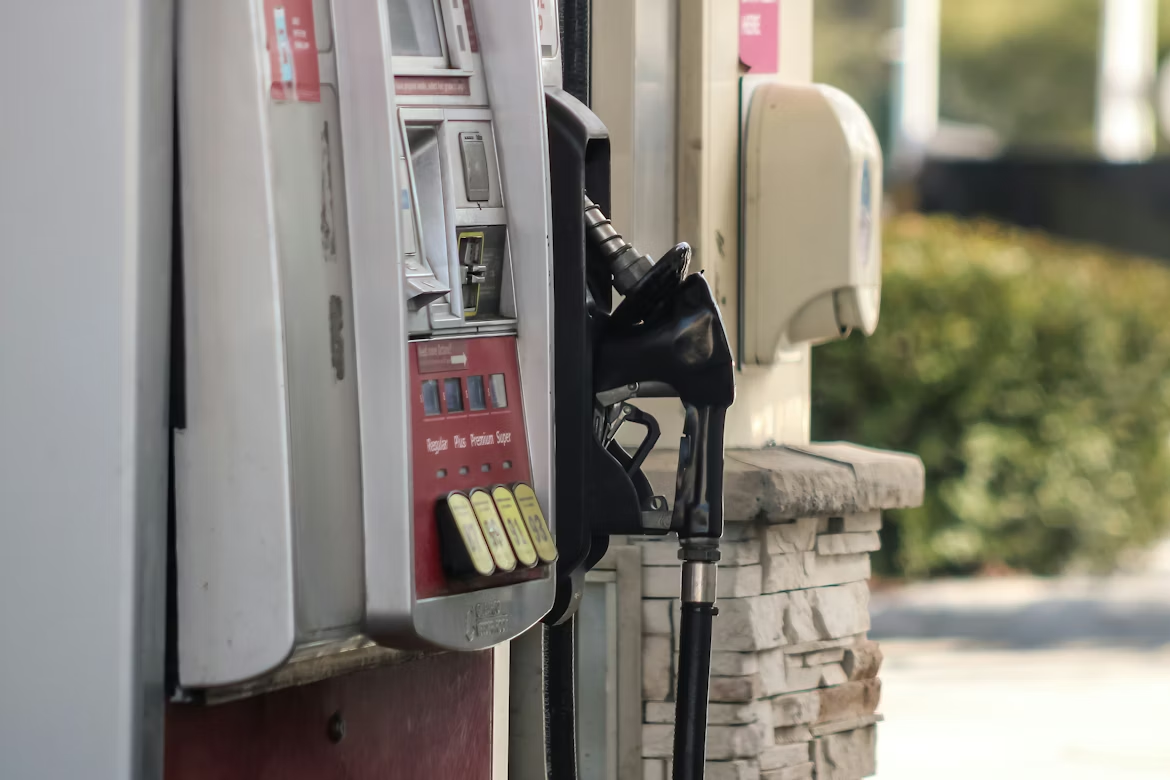
US-Iran talks triggered a 7% oil selloff as markets priced lower inflation risk, but disrupted Hormuz shipping still threatens 20% of global energy flows.
- Brent crude fell 7% to $96.30 per barrel on May 25, 2026, after growing optimism around a potential US-Iran agreement that could partially reopen the Strait of Hormuz and reduce global energy supply risk.
- The Strait previously handled roughly 20% of global oil and LNG shipments, meaning any sustained disruption directly raises fuel, shipping, manufacturing, and consumer costs across major economies.
- US policy signals remain contradictory as President Trump described negotiations as largely negotiated on May 23, 2026, while maintaining the blockade and warning negotiators not to rush an agreement on May 24, 2026.
- Equity markets are pricing lower inflation risk immediately, but physical oil supply normalization could take months because damaged infrastructure, disrupted tanker logistics, and elevated insurance costs slow energy exports even after ceasefires.
- Investors should focus on which portfolio holdings benefit from lower fuel costs versus those dependent on sustained commodity inflation because geopolitical headlines remain unpredictable and difficult to trade consistently.
Hormuz Reopening Expectations Trigger Oil Selloff & Immediate Relief for Fuel-Exposed Sectors
Global markets rallied on May 25, 2026, after growing optimism around a potential US-Iran agreement that could reduce disruption in the Strait of Hormuz. Brent crude futures fell 7%to $96.30 per barrel, the Nikkei reached a record high, and the euro rose 0.33% to $1.1646 against the US dollar. Spot gold simultaneously rose 1.1% to $4,559.29 per ounce because a weaker dollar increased purchasing power for non-US buyers.
The financial consequence is immediate because lower oil prices reduce inflation pressure across transportation, airlines, chemicals, industrial manufacturing, and consumer sectors. The Strait of Hormuz previously handled roughly one-fifth of global oil and LNG shipments, making the conflict a direct driver of higher fuel and shipping costs over the prior three months. Equity markets are therefore repricing inflation-sensitive sectors before physical oil exports have fully recovered.
Conflicting US Signals on the Hormuz Blockade Are Preventing Oil Tankers & Refiners From Restoring Normal Trade Flows
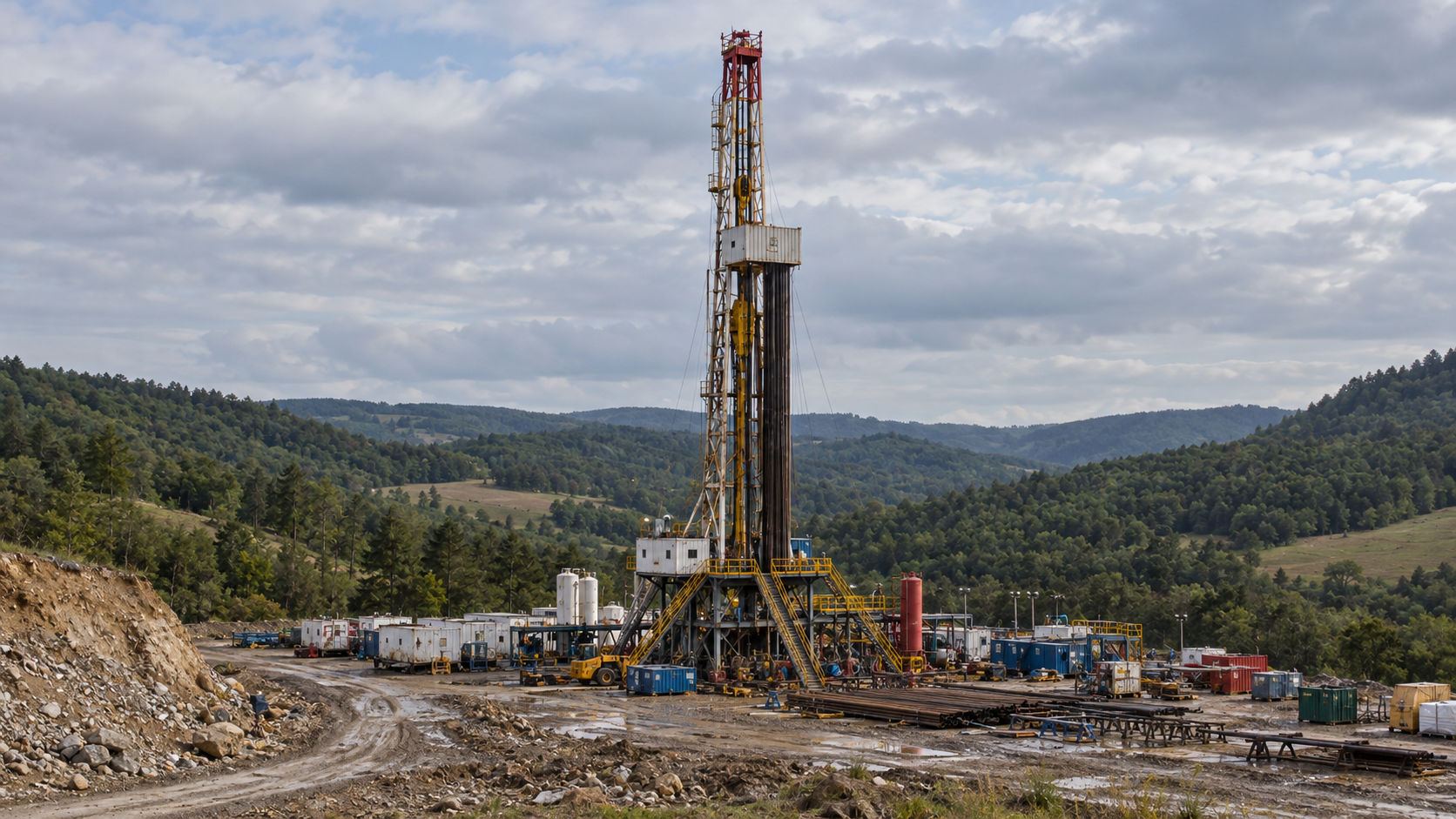
The disruption began when conflict-related restrictions reduced commercial traffic through the Strait of Hormuz, constraining energy exports and increasing global fuel costs. Higher gasoline and diesel prices weakened consumer spending power while increasing freight and manufacturing expenses across developed economies. US producers responded by increasing drilling activity, while the US oil and gas rig count rose to 558 rigs, the highest level since June 2025.
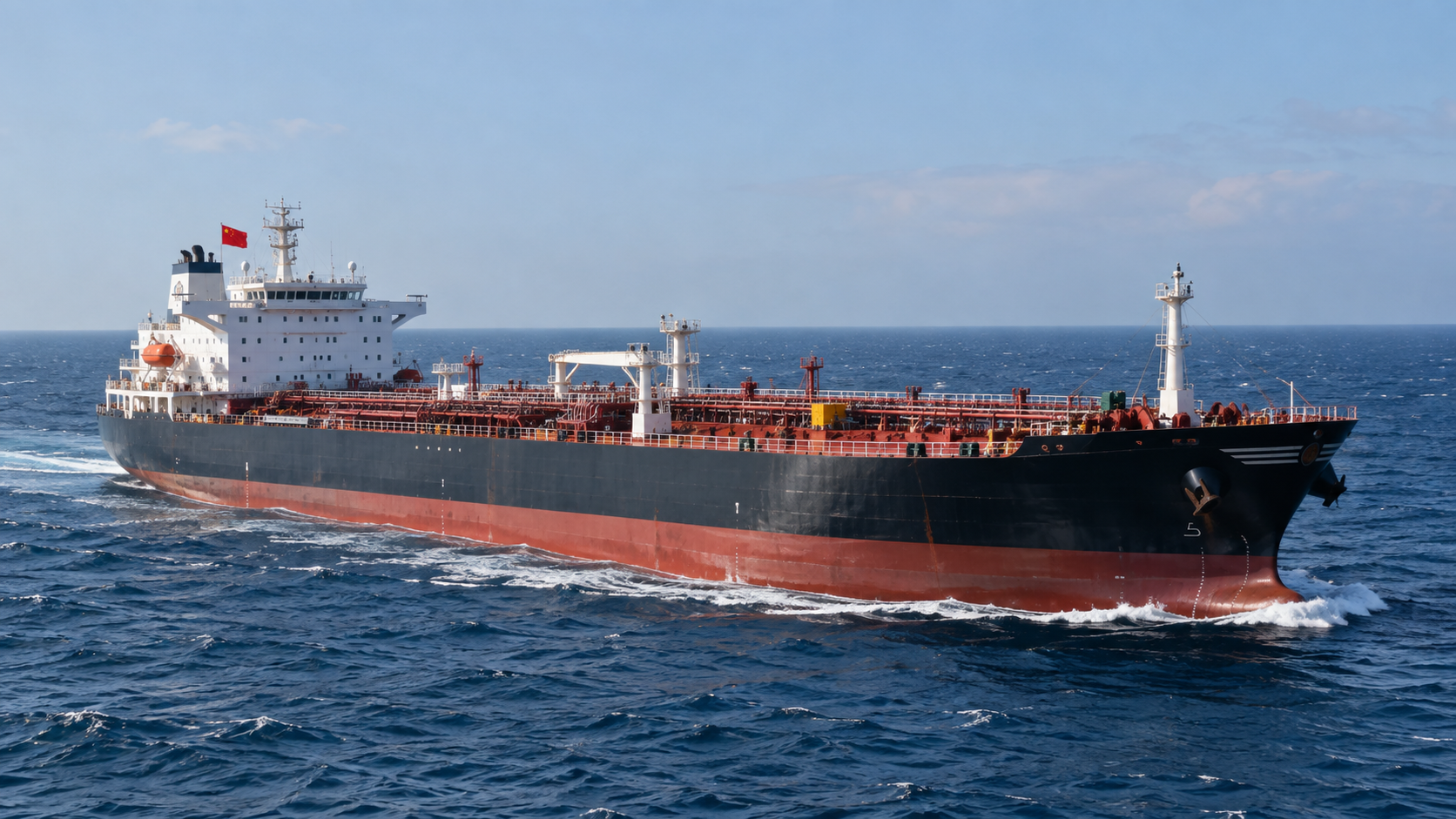
Political uncertainty remains the primary reason energy markets have not fully stabilized. President Trump said Washington and Tehran had largely negotiated a memorandum of understanding. Trump instructed negotiators not to rush a final agreement while maintaining the existing blockade. That contradiction prevents refiners, tanker operators, and commodity traders from confidently restoring long-term shipping schedules because access conditions can still change rapidly.
Delayed Tanker Flows & Fragile Iran Talks Are Keeping Oil Markets Volatile
ING Head of Commodities Strategy Warren Patterson told Reuters on May 25, 2026, that markets remain cautious because previous negotiations have approached resolution before collapsing. Even if diplomacy progresses, energy infrastructure repairs, elevated shipping insurance costs, and delayed tanker repositioning could keep oil supply chains constrained for months.
In a stabilization scenario, gradual reopening of the Strait of Hormuz would likely reduce oil prices further and ease inflation pressure through the second half of 2026, according to MST Marquee analyst Saul Kavonic speaking to Reuters on May 25, 2026. In a failed-negotiation scenario, renewed shipping restrictions could push Brent crude higher again, raise consumer fuel costs, and increase recession risk by weakening household spending while forcing central banks to maintain restrictive interest rates.
Falling Oil Prices Are Improving Margins for Fuel-Exposed Sectors While Supporting Gold Demand
Retail investors should focus on which holdings are most exposed to fuel costs. Airlines, logistics firms, manufacturers, and chemical producers benefit when oil prices fall because lower transportation and input costs improve operating margins. Companies with weak pricing power remain vulnerable because they cannot fully pass higher energy costs onto consumers during inflationary periods.
Investors should prioritize operational resilience rather than attempting to trade diplomatic headlines. KCM Trade Chief Market Analyst Tim Waterer told Reuters on May 25, 2026, that easing inflation expectations and a weaker US dollar were supporting gold demand despite stronger equity markets. Because negotiations remain opaque and politically driven, investors should stress-test portfolios against both renewed inflation and rapid commodity price declines while maintaining sufficient liquidity to manage volatility.
The Market Rally Depends on Oil Tankers Returning to the Strait of Hormuz
The current rally assumes negotiations will reduce restrictions on commercial traffic through the Strait of Hormuz and allow oil exports to recover steadily over coming months. That outlook also depends on avoiding further military escalation that could damage regional energy infrastructure or disrupt tanker movements again.
The thesis breaks down if negotiations collapse, shipping restrictions tighten, or Brent crude rebounds above recent conflict highs, which would likely reignite inflation pressure and reduce expectations for interest-rate cuts. Investors should therefore monitor tanker traffic, Brent crude prices, weekly Baker Hughes rig counts, and official US statements because political rhetoric alone does not restore physical oil flows.
Analyst's Notes





Subscribe to Our Channel



Stay Informed


