




ValOre Metals: The Engineer in the Room



ValOre Metals CEO Nick Smart outlines how a 2.2 million-ounce platinum, palladium, and gold project in Brazil is transitioning from exploration to development, with a Preliminary Economic Assessment due by year's end.
- ValOre Metals holds a 100%-owned, 2.2 million-ounce platinum, palladium, and gold resource in Ceará State, Brazil, one of the few greenfield Platinum Group Element (PGE) projects outside South Africa and Russia.
- Phase 2 of a metallurgical testwork program is now underway at the University of Cape Town (UCT), testing bioleaching and heap leaching routes for near-surface weathered ore, alongside conventional flotation for deeper fresh rock material.
- A Preliminary Economic Assessment (PEA) is targeted for the fourth quarter of 2026, which will form the basis of the company's mining concession application with Brazilian regulators.
- The four core deposits, Esbarro, Cedro, Curiu, and Cana Brava have advanced to the Mining Concession Application Phase following approval of Final Exploration Reports by Brazil's National Mining Agency (ANM) in 2025.
- ValOre is pursuing gold acquisition targets in northeastern Brazil, with near-term production targeted for the third quarter of 2026, designed to generate cash flow alongside the longer-tailed PGE development program.
Nick Smart did not come to ValOre Metals with a prospectus in his hand. He came with a hard hat, a chemical engineering degree from the University of Cape Town (UCT), and two decades of hands-on experience building mines and processing plants for Anglo American and De Beers across platinum in South Africa, nickel in Brazil, and diamonds in Canada. When he took the Chief Executive Officer (CEO) chair in October 2025, the company had a 2.2 million-ounce platinum, palladium, and gold resource in northeastern Brazil and an almost nonexistent public profile.
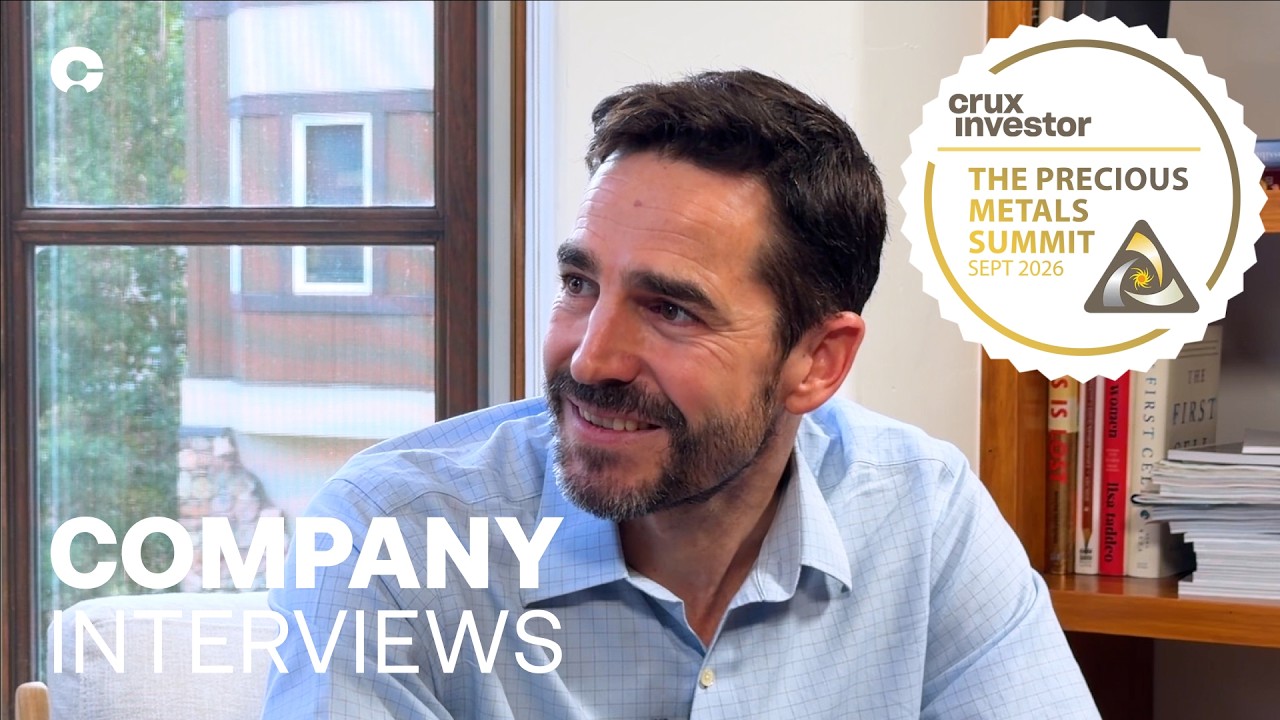
In a recent interview, CEO Nick Smart explained his conviction about the opportunity:
"At today's platinum prices over two thousand dollars an ounce, palladium approaching that, this is something like four trillion dollars of contained metal value in the ground. It's flown under the radar in my opinion for too long, and really it's my job to put us on a path to realise that value."
That path runs squarely through 2026, and it is busier than the company's quiet profile might suggest.
A Deposit Built for This Moment
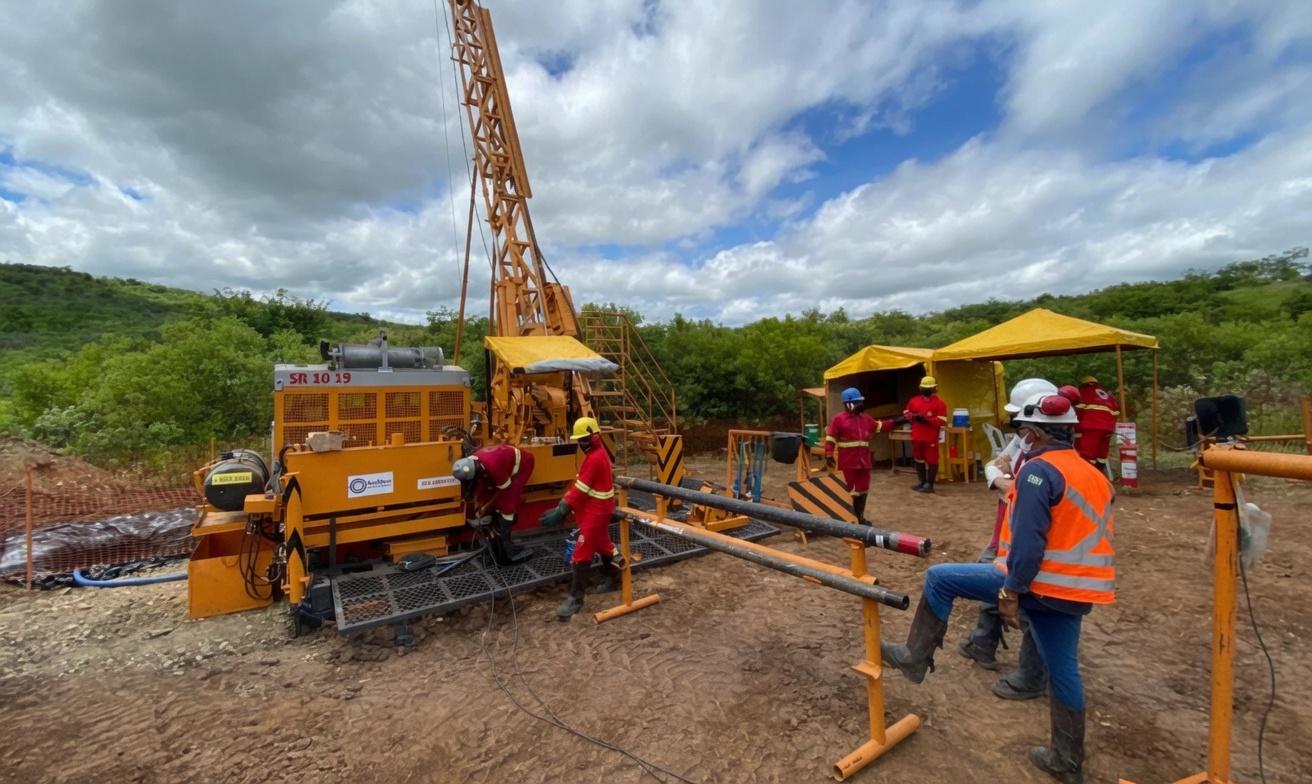
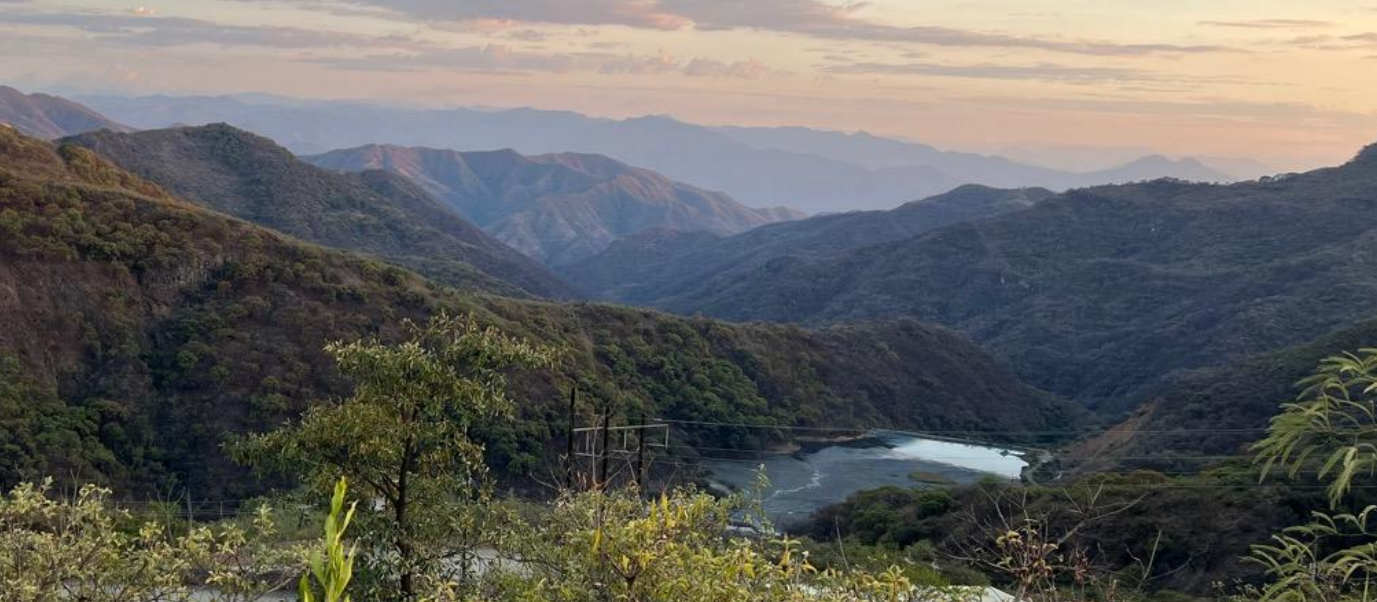
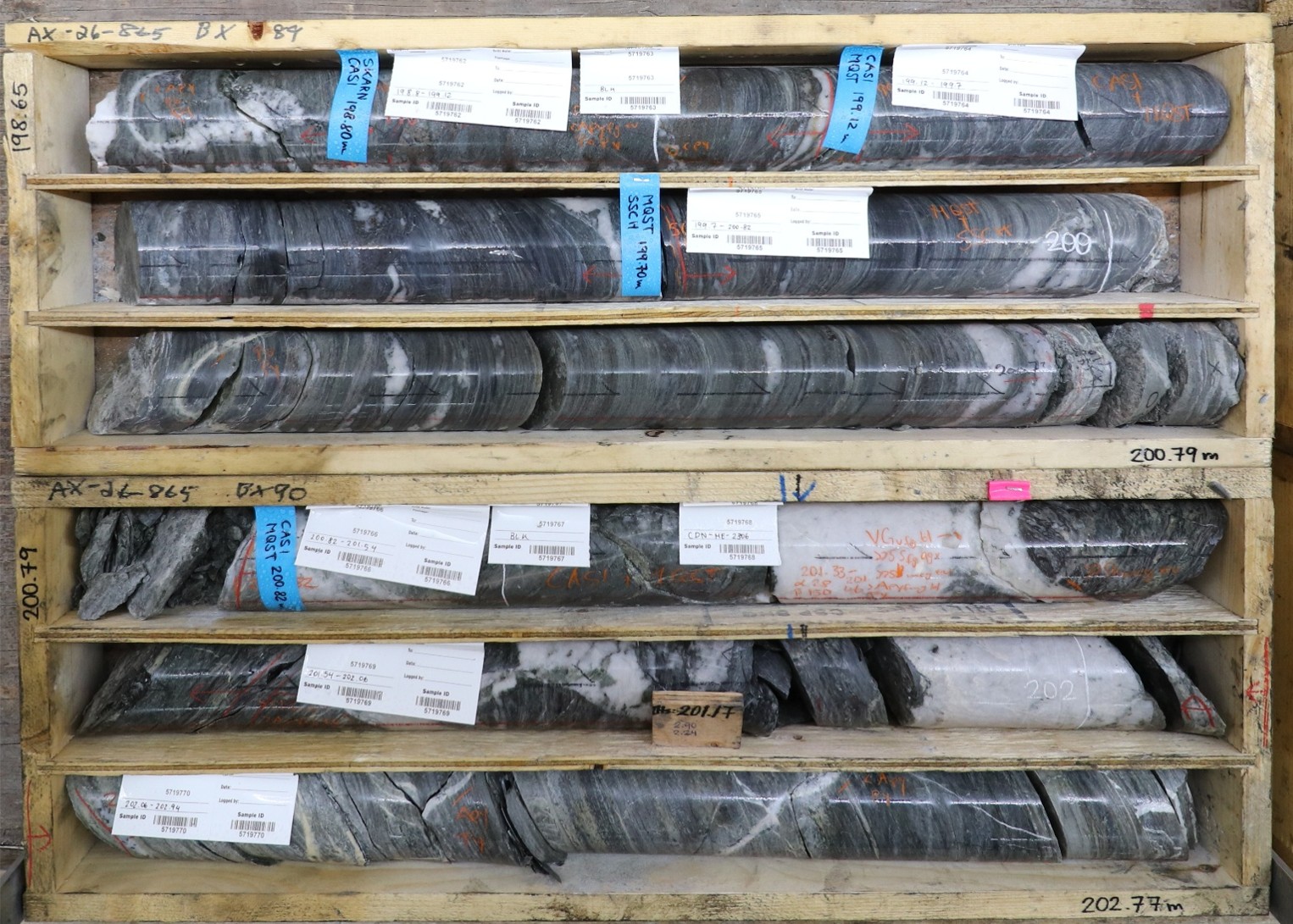
The Pedra Branca project sits in Ceará State, about four hours by paved highway from the deepwater port at Fortaleza. Previous operators, including Anglo American Platinum, spent approximately US$30 million and drilled 30,000 metres across the 51,096-hectare property. ValOre acquired it in 2019, invested a further CAD$10 million and 23,534 metres of drilling, and doubled the inferred Mineral Resource Estimate (MRE) from 1.1 million to 2.2 million ounces of platinum, palladium, and gold grading 1.08 grams per tonne (g/t).
What makes Pedra Branca unusual is its geometry. Most of that resource sits near surface, within the first 30 metres or so, and most of the highest-grade material comes out first. Smart explained why that structure translates directly into better project economics:
"Our deposit is structured such that most of the high-grade material is the near-surface material. You get your cash flow upfront, and that helps the project economics for sure."
The near-surface profile also determines the processing challenge. ValOre has divided the deposit into two distinct domains: the upper weathered zone, which is oxidised and refractory to conventional flotation, and the fresh sulphide rock below approximately 30 metres, where standard flotation circuits perform well.
The Metallurgy Question
In February 2026, ValOre announced Phase 2 of its metallurgical testwork program, carried out in partnership with UCT's Department of Chemical Engineering. Phase 1 results were encouraging. For fresh rock material, preliminary flotation testing indicated potential palladium and platinum recoveries in the range of 70 to 80%. For the weathered material, conventional flotation returned low recoveries, confirming the refractory nature of that ore. UCT's mineralogical characterisation identified bioleaching, which uses naturally occurring bacteria to liberate metals from their mineral host, as a promising pretreatment route. The technology is well established globally, already accounting for up to 20% of world copper production and used to produce more than 36 million ounces of gold across 14 commercially operating mines.
Phase 2 now scales that work up, testing heap bioleaching and column leaching scenarios for the weathered material alongside advancing the fresh rock flotation circuit. Results will feed directly into engineering work being carried out by Lycopodium, appointed in December 2025 as lead process engineering consultant for the PEA. Smart was direct about what drove the partner selection:
"At UCT, through their Centre for Minerals Research, you've got some of the best experts in the world for platinum palladium processing. Lycopodium have developed minerals processing projects all over the world. It's their specialty."
Brazil, Permitting & the Path Forward
Smart is not new to Brazilian mining. His time at Anglo American and De Beers took him in-country, and he brings a ground-level understanding of how the regulatory environment actually operates. Ceará is not a traditional mining state, which means local government is actively interested in what Pedra Branca could mean for the regional economy. Platinum and palladium have been classified as critical minerals at the federal level, adding a layer of institutional support. The ANM approved Final Exploration Reports for the four core deposits in 2025, advancing those claims to the Mining Concession Application Phase, a significant de-risking step. Smart confirmed that licensing groundwork is advancing in parallel with the PEA rather than waiting for it to complete.
Brazil's trial mining licence mechanism is also on the table, a route that allows early-stage production before full-scale permitting:
"It allows you to go in, start mining early, build a demonstration plant," Smart said. "You prove that the project works even before you go up to full scale."
A Pivotal Year
Pedra Branca is the anchor, but it is not the only piece of the strategy. ValOre is actively pursuing gold acquisition targets in northeastern Brazil, with production targeted for the third quarter of 2026. The logic is a near-term gold cash flow stream running alongside the longer-tailed PGE development program. Smart described 2026 plainly: "It's going to be a critical year for us and the team." The PEA, due in the fourth quarter of 2026, is the central deliverable, the technical and economic foundation that triggers the formal mining concession application and opens the door to construction planning.
Smart's background building large-scale operations across multiple continents is precisely the experience this stage of the project demands. Reflecting on what the market may still be missing, he put it simply. "What is really needed now is to wrap the economics around it, show how we would economically extract that ore, and publish the fundamentals of that project. That puts us in a position to go to licensing, to construction, which is the pathway to cash flow," he said. The study is the proof. It is due by year's end.
FAQs (AI-Generated)
Pedra Branca is a 100%-owned PGE project in Ceará State, Brazil, hosting a 2.2 million-ounce inferred Mineral Resource Estimate of platinum, palladium, and gold grading 1.08 grams per tonne.
Most of the highest-grade material sits within the first 30 metres of surface, meaning early mining operations can generate cash flow upfront and improve overall project economics.
Phase 2, conducted with the University of Cape Town, is scaling up bioleaching and heap leaching tests on weathered ore and advancing flotation testwork on fresh rock, with results feeding directly into the Preliminary Economic Assessment.
ValOre is targeting delivery of the Preliminary Economic Assessment in the fourth quarter of 2026, which will also form the basis of the company's formal mining concession application with Brazilian regulators.
ValOre is pursuing near-term gold producing assets in northeastern Brazil, with production targeted for the third quarter of 2026, to generate early cash flow alongside the longer-term PGE development program at Pedra Branca.
Analyst's Notes





Subscribe to Our Channel



Stay Informed


