




Why Nevada's Permitting Landscape Is Central to i-80 Gold's Production Growth Story


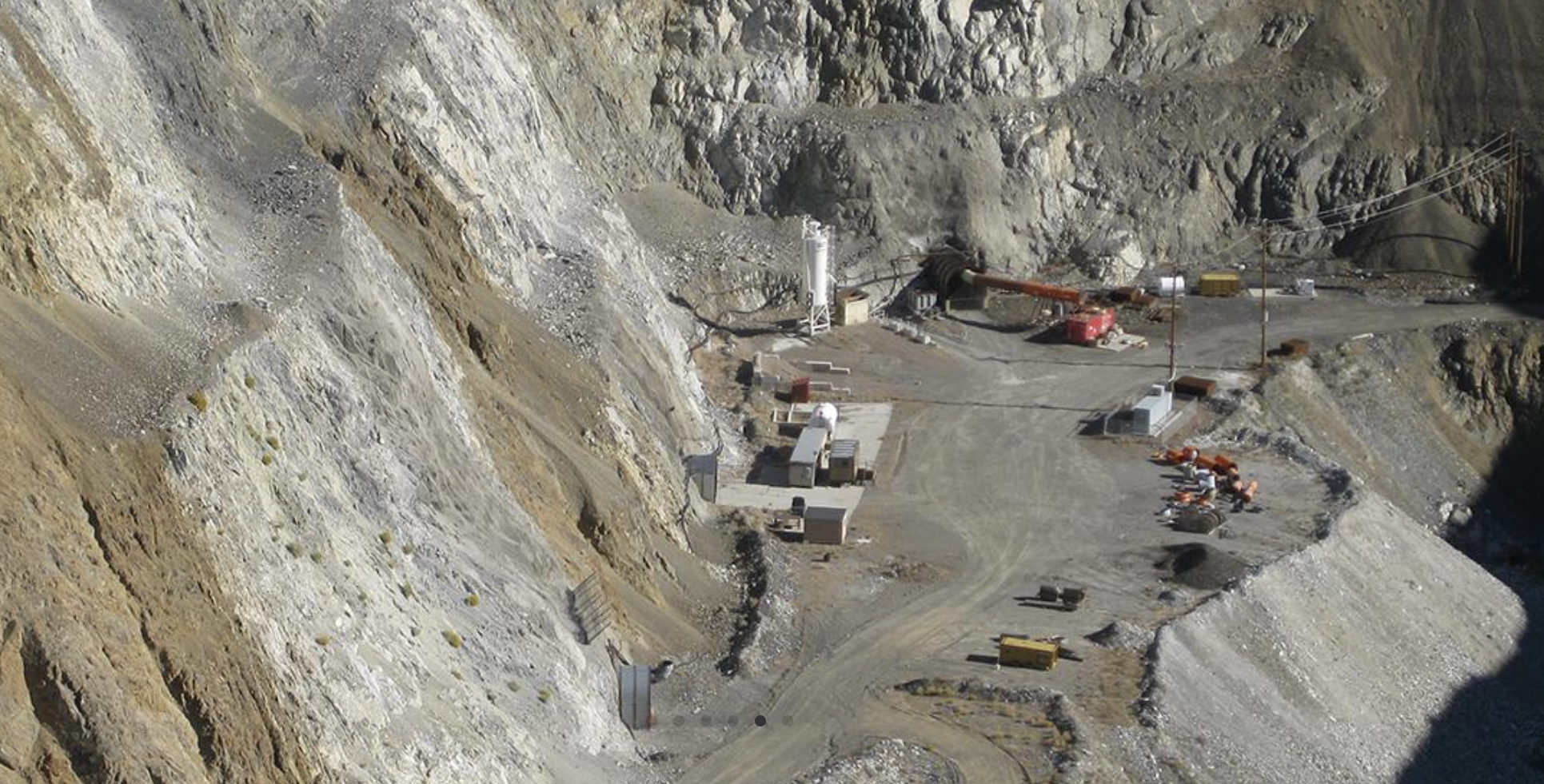
i-80 Gold's Nevada growth plan targets 600,000 oz/year, but achieving it depends on securing 3 separate EIS approvals, each taking about 3 years.
- With over $1 billion in secured and committed capital raised and a cash balance of approximately $514 million as of March 31, 2026, financing risk has been largely addressed for i-80 Gold Corp.; permitting execution across 3 assets now sits on the critical path to the company's production targets.
- Nevada ranked 1st out of 68 jurisdictions in the 2025 Fraser Institute Annual Survey of Mining Companies, based on government policy factors that are key determinants of mining investment, thereby reducing the probability of structural disruption to the Environmental Impact Statement (EIS) processes required for Phase 2 and Phase 3 assets.
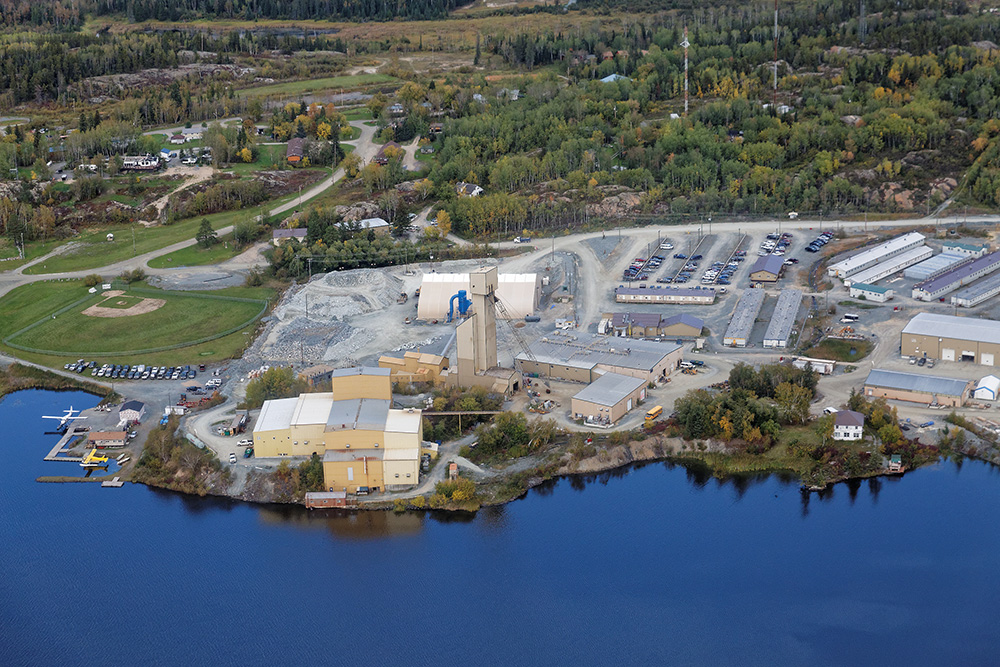
- The Lone Tree Plant's brownfield status removes the site-establishment exposure associated with greenfield builds, with refurbishment permits sequenced between the second quarter of 2026 and the second quarter of 2027, keeping the late-2027 first gold pour target on the critical path.
- Commissioning the Lone Tree autoclave is targeted to increase gold payability on refractory material from a 55% to 60% payability factor at third-party processors to approximately 92% average gold recovery at the owner-operated plant, an improvement that applies to all 3 underground mines feeding the facility.
- The Cove Underground has an additional permitting dependency beyond its EIS, with approximately 60% of its $157 million capital estimate, attributed to dewatering requirements, which the company is currently evaluating for capital cost reduction.
What Has Happened
i-80 Gold Corp. (TSX: IAU | NYSE American: IAUX) completed its recapitalisation plan in the first quarter of 2026, raising over $1 billion in secured and committed capital and reporting a cash balance of approximately $514 million as at March 31, 2026. That closes the financing chapter of the company's development story. The question that now determines whether i-80 Gold reaches its target of approximately 600,000 ounces per year by the early 2030s, up from under 50,000 ounces per year currently, is not capital availability but the execution of permitting. Phase 1, covering Granite Creek Underground, Archimedes Underground, and the Lone Tree Plant refurbishment, operates under existing permit frameworks. Phases 2 and 3, covering the Cove Underground, Granite Creek Open Pit, and Mineral Point Open Pit, each require separate National Environmental Policy Act (NEPA) environmental reviews estimated at approximately 3 years per asset. The speed and integrity of those 3 regulatory processes now sit on the critical path to every production milestone beyond 2028.
Nevada's Ranking & Its Direct Implication for EIS Timelines
Nevada ranked 1st out of 68 jurisdictions in the 2025 Fraser Institute Annual Survey of Mining Companies, with 2,304 respondents, up from 2nd in 2024. The survey ranks jurisdictions based on the extent to which public policy factors encourage or discourage mining investment. A 1st-place result reflects a policy framework that encourages mining investment. For I-80 Gold, the Environmental Impact Statement (EIS) processes required for Cove, Granite Creek Open Pit, and Mineral Point are estimated to take approximately 3 years in Nevada.
While Nevada has consistently ranked in the top 10 over the last 11 surveys, the Bureau of Land Management (BLM) permitting process carries inherent timeline dependencies. The company's Phase 2 production target of 300,000 to 400,000 ounces per year in 2030 to 2031 and Phase 3 target of 600,000 ounces or more per year from 2032 onward are each conditional on those EIS timelines holding across 3 concurrent processes.
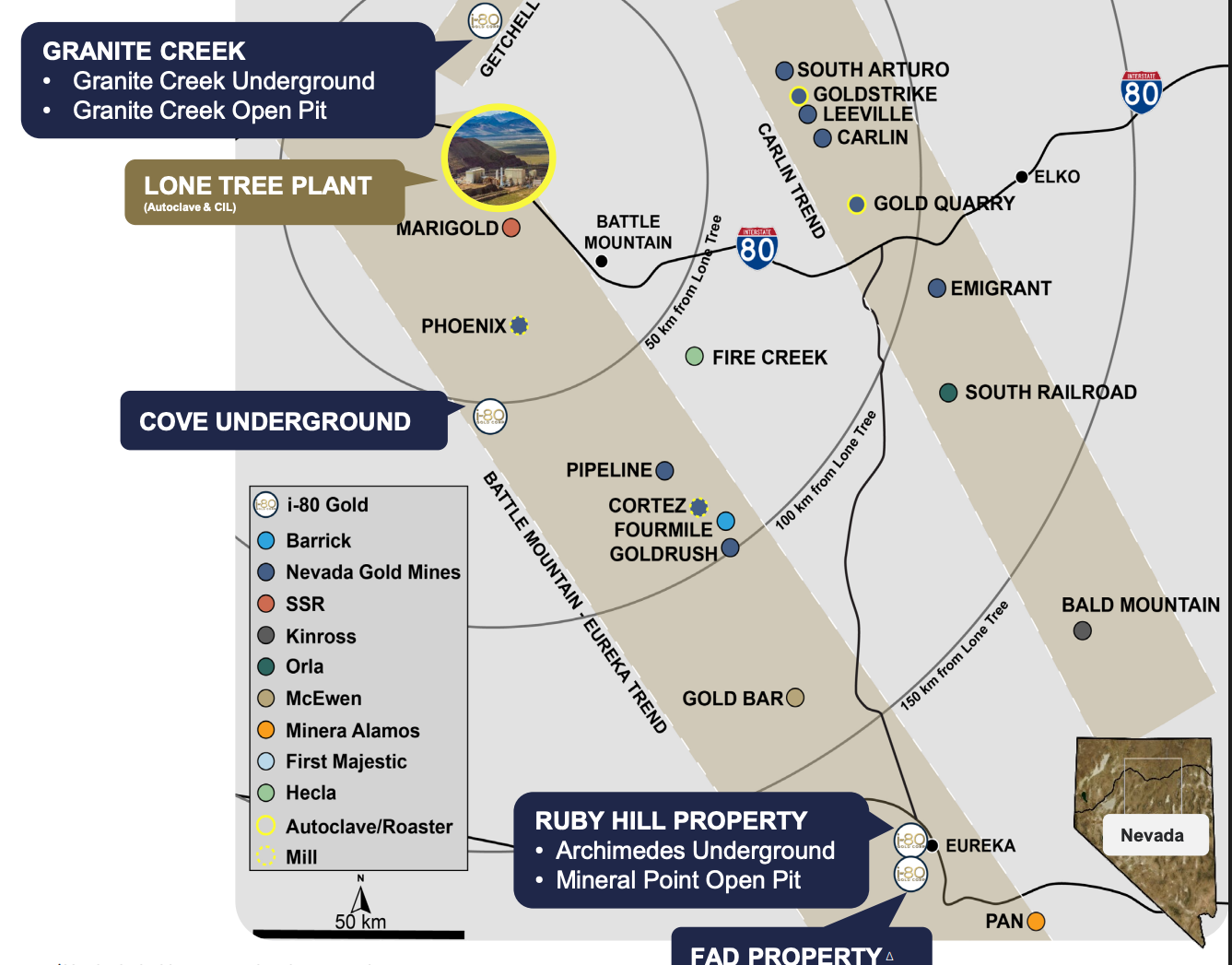
Phase 1: The Brownfield Permitting Advantage & Its Cash Flow Consequence
The Lone Tree Plant previously operated as a Newmont facility, and its primary environmental permit framework carries over into i-80 Gold's refurbishment plan. Because the plant is a brownfield refurbishment rather than a greenfield build, its existing processing facility is already permitted, removing the site-establishment exposure that applies to Phase 2 and Phase 3 assets. The refurbishment-related approvals are limited to a Water Rights Permit targeted for the second quarter of 2026, a Water Pollution Control Permit targeted for the fourth quarter of 2026, all environmental permits targeted for the second quarter of 2027, and a structural permit targeted for the second quarter of 2027, per the milestone timeline in the May 2026 corporate presentation.
The financial consequence of that brownfield status is directly quantifiable. Granite Creek Underground is currently selling refractory material to a third-party autoclave processor at a 55% to 60% payability factor in 2026. Once the Lone Tree Plant is commissioned, gold recovery at the material is targeted to increase to an average of approximately 92% at the owner-operated plant, an improvement that applies to all 3 underground mines feeding the facility. In the first quarter of 2026, Granite Creek contributed approximately $43.8 million in revenue at an average realised gold price of $5,000 per ounce, with gold production of 8,857 ounces for the quarter, under the lower third-party payability rate.
Phase 2 & Phase 3: Where the EIS Clock Starts
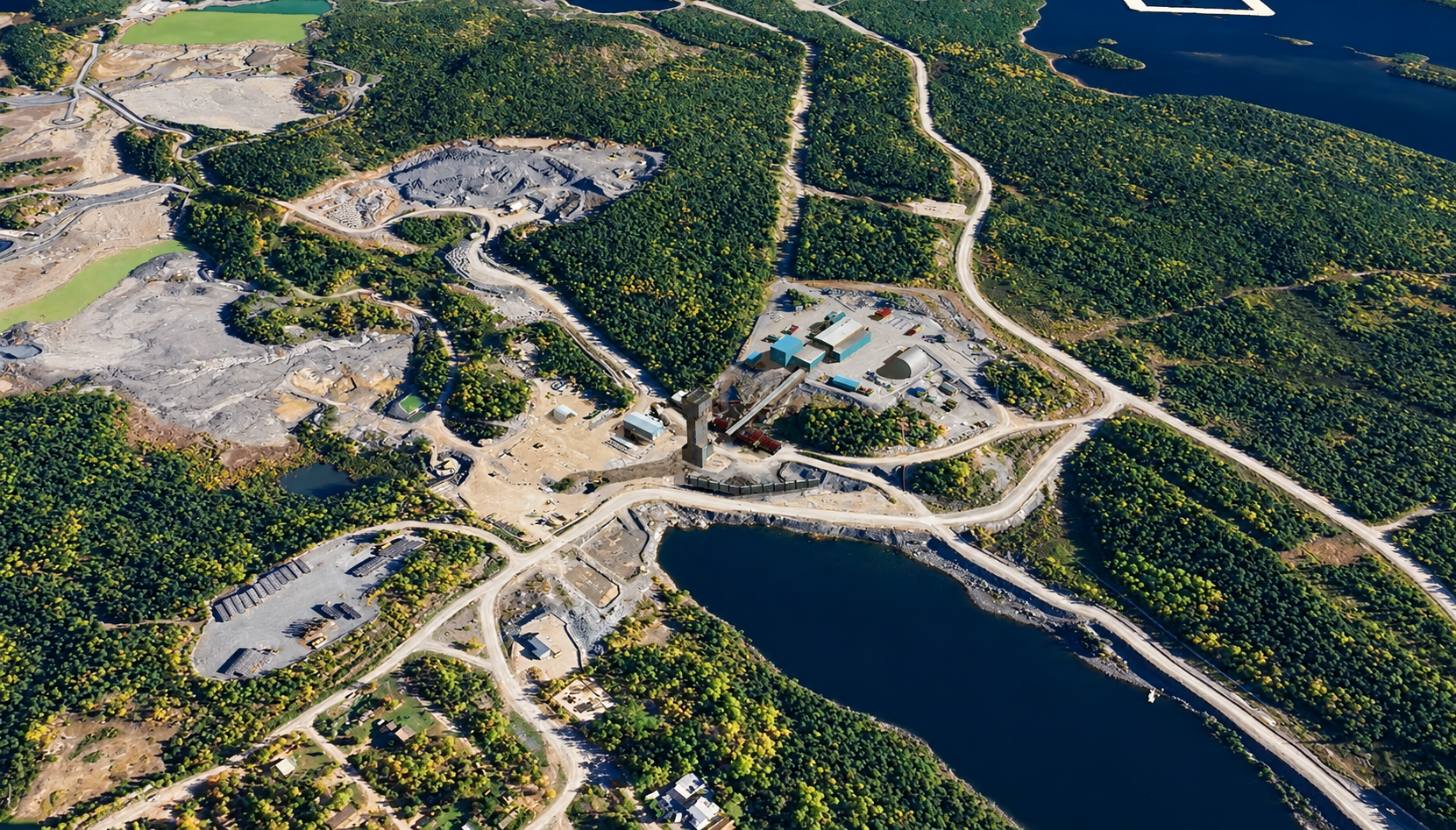
The Cove Underground requires completion of the EIS before construction can begin, and NEPA permitting activities are already underway with the BLM. The Granite Creek Open Pit is at an earlier stage, with pre-permitting activities underway and baseline field studies planned to commence in 2027 to support the NEPA permitting process. The Cove feasibility study was targeted for completion in the second quarter of 2026, and the Granite Creek Underground feasibility study carries the same target date, per the May 2026 corporate presentation. These feasibility studies will establish the formal resource and cost basis for these assets as they advance toward production. The Cove Underground also carries an additional capital consideration: approximately 60% of its $157 million estimated capital expenditure, per the March 2025 PEA, is attributable to dewatering requirements, for which the company is currently evaluating capital cost-reduction opportunities.
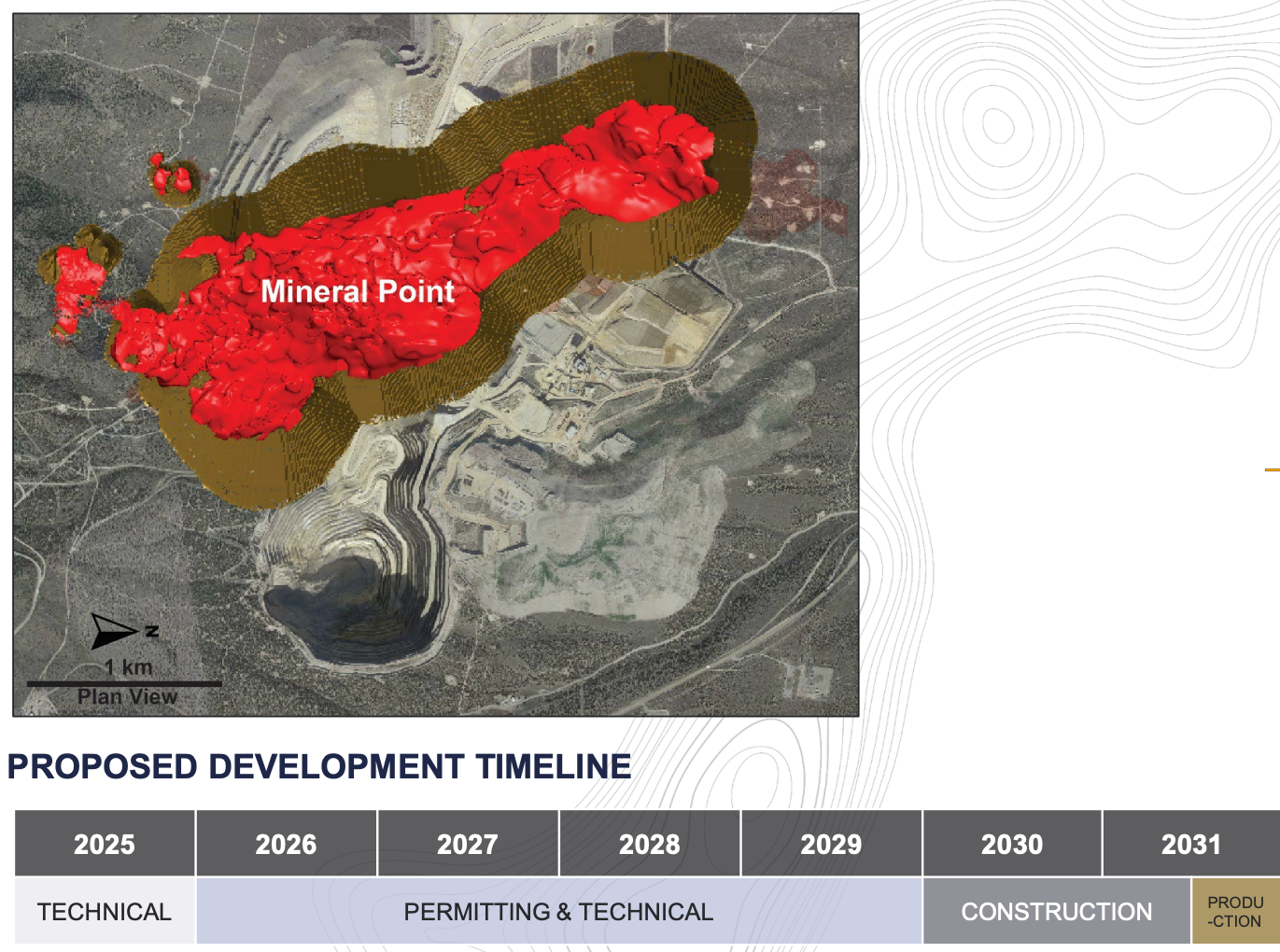
Mineral Point Open Pit, the largest asset in the portfolio by projected net present value (NPV), requires a pre-feasibility study (PFS) targeted for 2027 with timing under review, followed by a full EIS, before construction can commence in approximately 2029 to 2030. To initiate that regulatory pathway concurrently with technical work, i-80 Gold allocated $5 million to Mineral Point permitting and technical work in 2026, funded through the Franco-Nevada royalty arrangement, which disbursed $25 million to the project in 2026. A second $25 million disbursement is expected once the initial allocation is spent. At $3,000 per ounce gold and $35.00 per ounce silver, the March 2025 PEA estimates an after-tax NPV at a 5% discount rate of $2.3 billion for Mineral Point, representing the largest projected net present value in the i-80 Gold portfolio.
The Chief Operating Officer of i-80 Gold, Paul Chawrun, addressed execution confidence:
"I never really felt that it was all that complicated, the story. It's a relatively sizable story, but we've got the people in place who have done this many times over."
What to Watch Next
The Lone Tree Plant permit sequence remains the nearest-term milestone, with key approvals targeted between the second quarter of 2026 and the second quarter of 2027 ahead of a late-2027 first gold pour. Beyond Lone Tree, the second-quarter 2026 feasibility studies for Cove and Granite Creek Underground, followed by the 2027 PFS at Mineral Point, will establish the technical basis for the next phases of permitting and development. Together, these studies and permit approvals are the key milestones determining whether i-80 Gold's pathway from under 50,000 ounces of annual production to its 600,000-ounce target remains on schedule.
FAQs (AI-Generated)
Analyst's Notes





Subscribe to Our Channel



Stay Informed






















