




Zinc Flips Into Deficit as LME Stocks Hit 95,000 Tonnes Despite Weak Demand


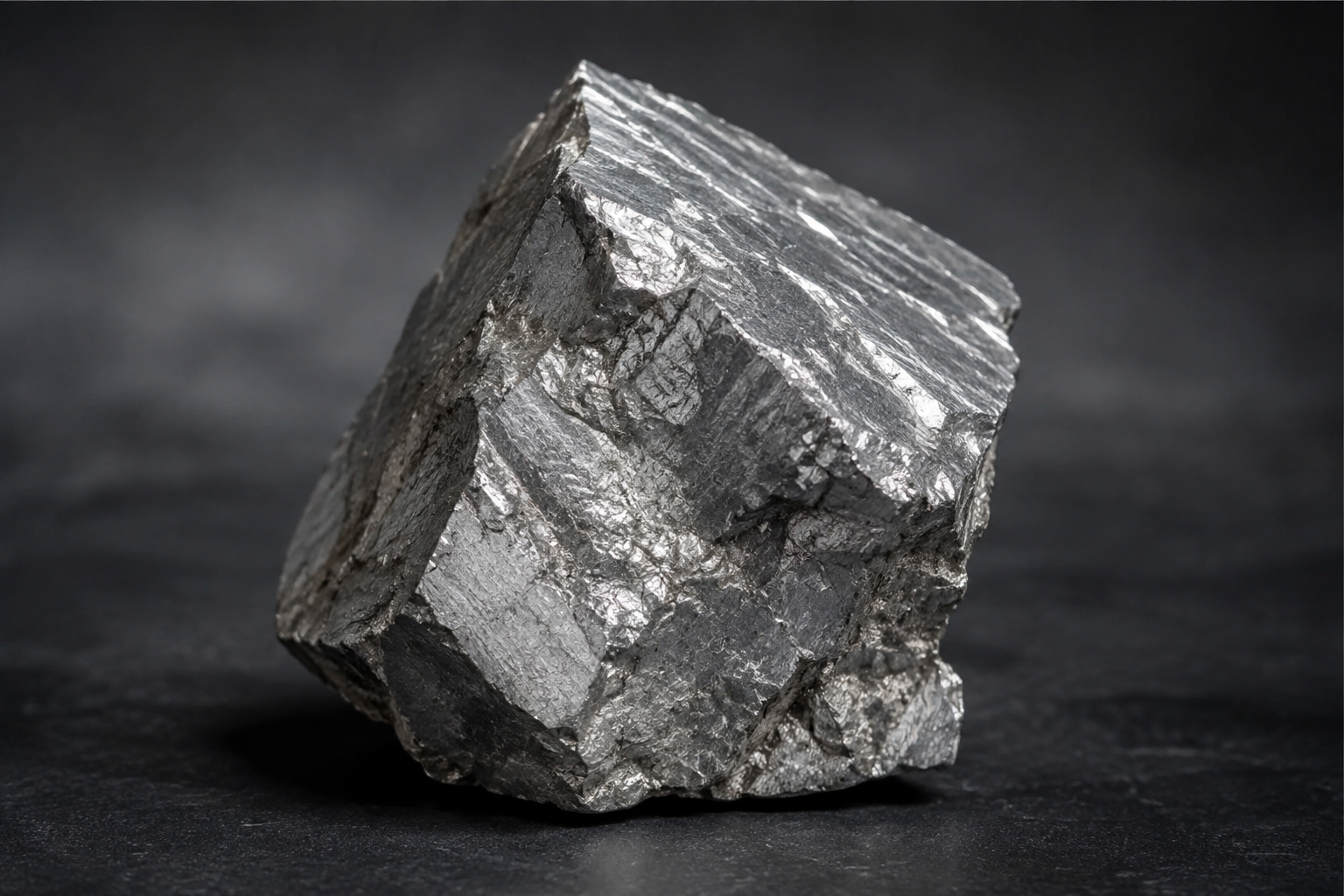
ILZSG swung zinc’s 2026 balance by 300,000 tonnes into deficit as LME stocks fell to 95,000 tonnes, while weak China demand capped upside.
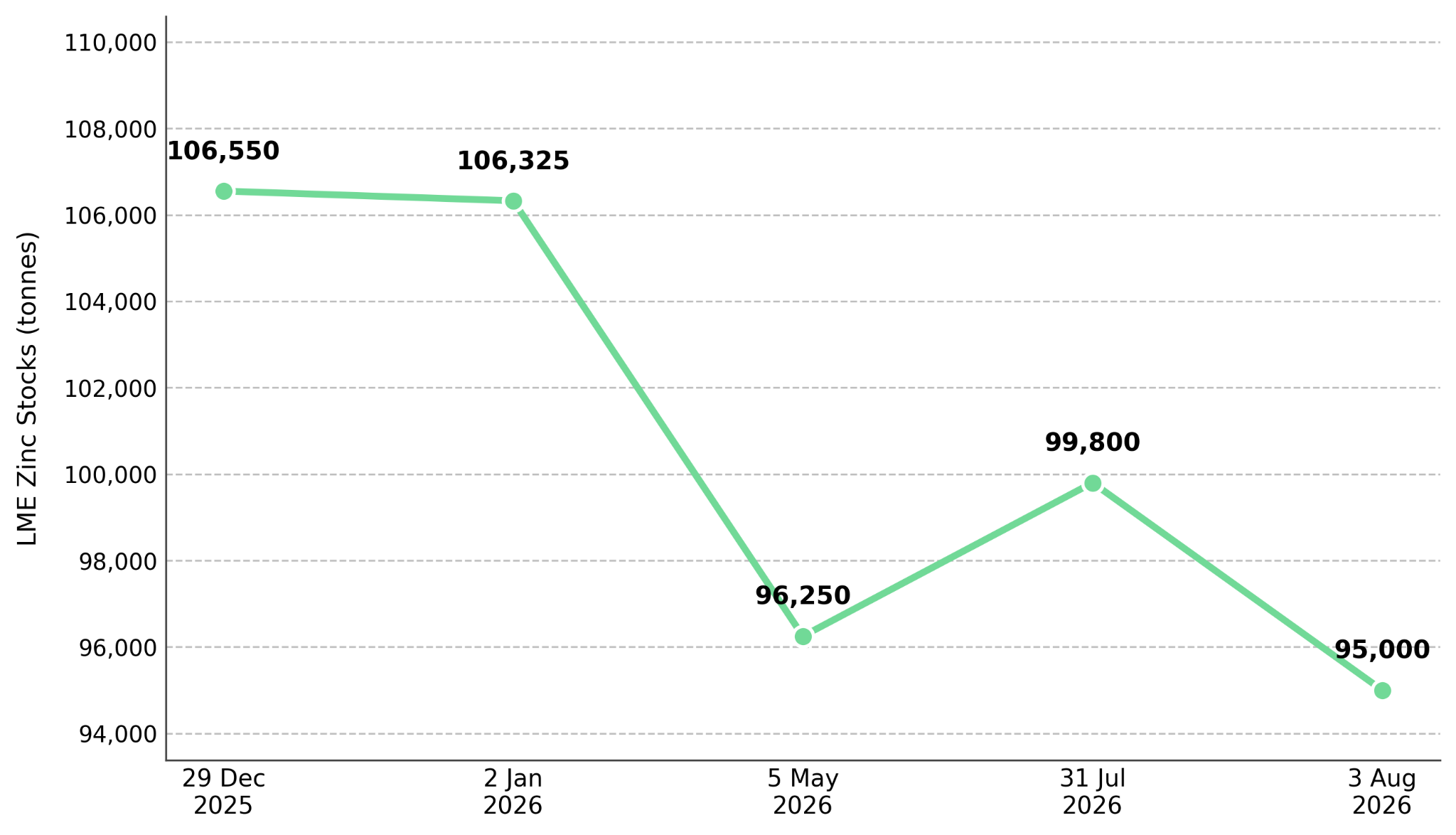
- Zinc settled 0.31% higher as LME inventories fell to 95,000 tonnes, the lowest since December, while cash zinc traded about $60/tonne above the three-month contract.
- Glencore's H1 zinc output fell 21% year-on-year to 365,600 tonnes, while Boliden's concentrate output fell 16.8% quarter-on-quarter to 74,200 tonnes and MMG reached 48% of full-year guidance by midyear.
- The International Lead and Zinc Study Group shifted its 2026 balance by 300,000 tonnes, from a 271,000-tonne surplus to a 29,000-tonne deficit, while spot treatment charges fell to -$100 to -$60 per dry tonne.
- China's die-cast zinc alloy operating rate fell 5.22 points year-on-year to 38.18%, while passenger vehicle sales dropped 22%, limiting near-term price upside despite the tighter supply balance.
- Falling inventories and mine disruptions support zinc prices despite weak demand, while rising stocks would signal that supply constraints are starting to fade.
Weather Disruptions & Mine Outages Drain LME Zinc Stocks
Zinc settled 0.31% higher at ~$4,190/tonne despite elevated prices weakening demand in China. Flooding cut about 1,000 tonnes of concentrate from a Southwest China mine, while maintenance removed 1,000-1,500 tonnes of refined output from a Central China smelter. LME inventories fell to 95,000 tonnes, the lowest since December, while cash zinc traded about $60/tonne above the three-month contract.
Glencore's H1 zinc output fell 21% year-on-year to 365,600 tonnes due to the Lady Loretta mine closure and lower Antamina grades. Boliden's concentrate output fell 16.8% quarter-on-quarter to 74,200 tonnes after a seismic event at Garpenberg, while MMG reached 48% of full-year guidance by midyear.
Lower Ore Grades & Roaster Stoppages Push Treatment Charges to -$100
After the Garpenberg seismic event, Boliden cut 2026 milled-volume guidance from 3.7 million to 1.5 million tonnes and zinc-grade guidance from 2.9% to 2.7%. Boliden's refined zinc output fell 2% year-on-year to 107,931 tonnes, with Odda output down 19% after two roaster stoppages.
Spot treatment charges fell from $0 to +$10 per dry tonne in Q1 to -$100 to -$60 in Q2, signaling stronger competition for concentrate. China's refined zinc output rose 10% year-on-year to 641,000 tonnes as revenue from silver, copper, and sulfuric acid supported smelter production. The global surplus narrowed from 43,400 tonnes in April to 8,700 tonnes in May, although the January-May surplus remained 163,000 tonnes versus 44,000 tonnes a year earlier.
29,000-Tonne Deficit Meets Weak China Demand
LME zinc averaged $3,466/tonne in Q2, up 6.9% quarter-on-quarter, with US-Iran ceasefire optimism contributing to the gain alongside tighter supply. China's die-cast zinc alloy operating rate fell 5.22 points year-on-year to 38.18%, while East China weather shutdowns pushed SMM to lower its August forecast. Falling treatment charges signaled concentrate tightness before the deficit revision, with S&P Global's Ruilin Wang saying the market's view “began to shift as early as February to March.”
Base case: LME stocks fall below 95,000 tonnes, backwardation exceeds $60/tonne, and SHFE premiums rise above 150 yuan/tonne, confirming tighter nearby supply.
Bear case: China's die-cast operating rate falls below 35%, SHFE inventories extend their 2.1% increase, and the global surplus moves back toward 43,400 tonnes, weakening the supply-driven price case.
Track LME inventories, backwardation, SHFE premiums, and China's die-cast operating rate to test which case is gaining support.
22% Auto Sales Drop Weakens Zinc Consumption
Zinc demand weakness remains concentrated in automotive and tire-related end markets. China's passenger vehicle sales fell 22% year-on-year, adding pressure to die-cast zinc alloy producers operating at 38.18% capacity. Tire manufacturer shutdowns reduced demand for rubber-grade zinc oxide. Weak end-market demand can cap prices even as mine and concentrate supply tighten.
SMM lowered its 38.22% August operating-rate forecast, weakening the case for a near-term demand recovery. Boliden committed about $430 million to expand Garpenberg, preserving long-term zinc exposure despite weaker near-term demand.
East China weather disruptions and the timing of any zinc oxide demand recovery remain uncertain. The deficit can reverse if weak demand outlasts mine and smelter disruptions. Give more weight to confirmed production data from Glencore, Boliden, and MMG than to an unconfirmed demand recovery, and track SMM's weekly operating-rate data over daily price moves.
95,000 Tonnes Below Keep Zinc’s Supply-Driven Rally Intact
LME cash zinc traded about $60/tonne above the three-month contract as inventories fell to 95,000 tonnes, the lowest since December, signaling tight near-term supply. MCX zinc holds technical support at ~$4,175/tonne, setting a clear downside threshold for the current move. While inventories remain near 95,000 tonnes and MCX holds ₹399.20/kg, zinc prices remain supported by tight nearby supply rather than a broad demand recovery.
A break below ~$4,175/tonne exposes ~$4,158/tonne, while an LME inventory rebuild above 95,000 tonnes would confirm weaker nearby tightness. Rising LME inventories would weaken backwardation and reduce the price support created by Glencore's 21% output decline and MMG reaching 48% of full-year guidance by midyear.
Track LME inventories against 95,000 tonnes and SHFE inventories after their 2.1% increase. A sustained SHFE inventory build alongside LME stocks above 95,000 tonnes would weaken the deficit case.
Analyst's Notes





Subscribe to Our Channel






Stay Informed


